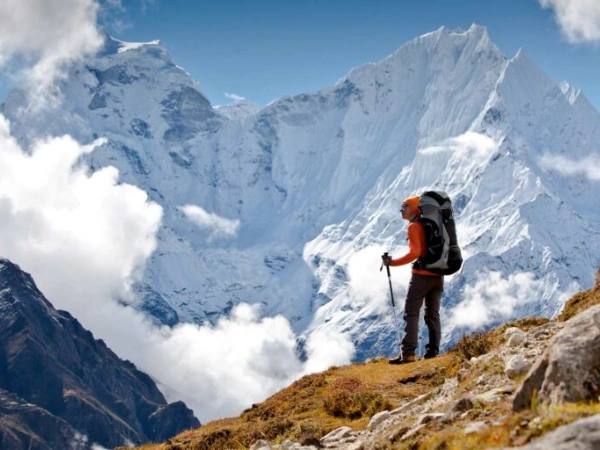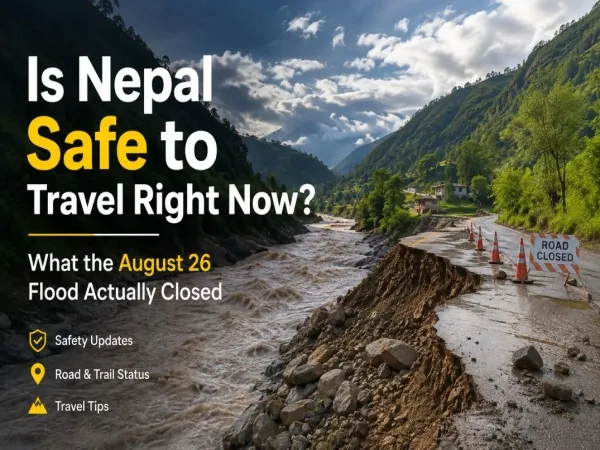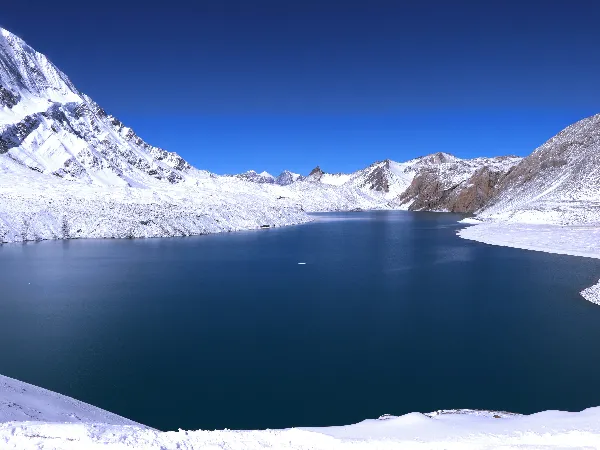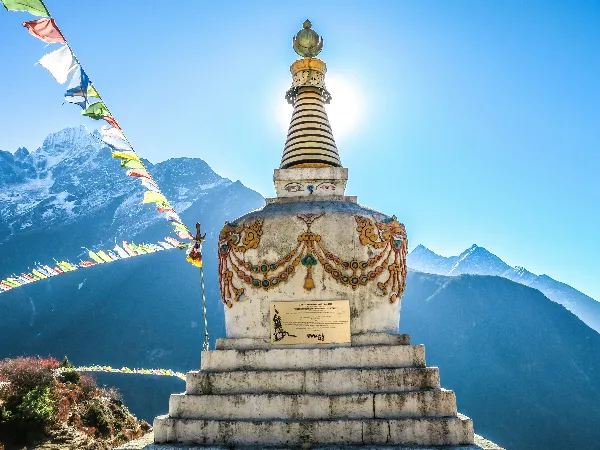
Planning a trek in Nepal is exciting, but it can also feel confusing if it’s your first time. Nepal has many trekking routes, different permit rules, and many trekking agencies. So, the best way to enjoy your trek is to plan it the right way. Below is a simple, clear, and complete guide to help you plan and book your trek in Nepal safely and smoothly.
1) Start by Researching Trekking Agencies in Nepal
Before you book anything, take time to research trekking agencies in Nepal. A good trekking agency makes your trek safe, comfortable, and stress-free. Always check real reviews on Google, TripAdvisor, Trustpilot, and Facebook. Also, make sure the agency has a clear and professional website with proper contact details, office address, and trekking information.
A reliable agency should have good trekking experience, strong communication, and transparent pricing. They should explain clearly what is included and what is not included in the trek package. Most importantly, always choose a legal and registered company. A trustworthy trekking agency should be registered with the Nepal Tourism Board (NTB), the Company Registrar Office, and PAN/VAT for tax. Many good agencies are also members of TAAN, which helps ensure professional trekking standards and reduces the risk of scams.
2) Choose the Right Trek for Your Fitness Level and Time
Nepal has treks for all types of travelers, from easy hikes to high-altitude adventures. Before booking, think about how many days you have for the trek. Some treks are short and take 4 to 7 days, while others are longer and can take 12 to 20 days.
You should also consider your fitness level. If you are a beginner, it is better to start with easier treks like Ghorepani Poon Hill, Langtang Valley, or Annapurna Base Camp. If you have strong hiking experience, you may enjoy more challenging treks like Everest Base Camp, Annapurna Circuit, or Manaslu Circuit. You should also decide what type of experience you want, because trekking in Nepal includes not only mountains but also villages, monasteries, local food, and even hot springs.
3) Learn the Trek Details Before Booking
Once you choose a trek, it is important to understand the route and daily plan before booking. A professional trekking agency will explain all trek details clearly. This includes how many hours you will walk each day, the highest point of the trek, and how much altitude you gain daily.
You should also learn about rest days for acclimatization, accommodation type (tea houses or camping), and food availability on the route. Transportation details are also important, such as whether the trek starts with a flight, jeep ride, or bus ride. Knowing these details helps you prepare properly and avoids unexpected surprises during the trek.
4) Contact the Trekking Agency and Ask the Right Questions
After choosing a trekking agency, contact them through email, WhatsApp, phone call, or their official website. A good agency will respond politely and clearly. Before booking, ask smart questions about the trek itinerary, highest altitude, and daily walking hours.
You should also ask about the guide and porter. Confirm if the guide is licensed and experienced, and whether they can speak good English. Ask how many trekkers will be in one group and how much weight a porter will carry. It is also important to ask about the total cost, what is included, and what is excluded. Finally, ask about safety support, such as what happens if someone gets sick and whether the agency can arrange emergency evacuation if needed.
5) Book Your Trek in Advance (Especially in Peak Season)
Trekking in Nepal is very popular, especially during peak seasons. The best trekking seasons are spring (March to May) and autumn (September to November). During these months, flights and tea house rooms can get fully booked quickly.
Popular treks like Everest Base Camp, Annapurna Base Camp, Annapurna Circuit, Langtang Valley, and Poon Hill are often crowded in peak season. Booking early helps you secure the best guide and porter, better accommodation, and easier flight arrangements like Kathmandu to Lukla. It also reduces stress and allows you to plan your trip smoothly.
6) Prepare Your Travel Documents and Trekking Permits
To trek in Nepal, you must have valid travel documents and trekking permits. Your passport should be valid for at least six months. Most travelers can get a Nepal tourist visa on arrival at Kathmandu Airport. Passport-size photos may also be needed for permits.
Permit requirements depend on the trekking region. Common permits include TIMS, National Park permits, and Conservation Area permits like ACAP. For example, Annapurna treks need ACAP, Langtang treks need the Langtang National Park Permit, and Everest treks need the Sagarmatha National Park Permit. Some regions, like Manaslu, require a Restricted Area Permit, and you must trek with a registered agency and licensed guide. Restricted treks include Manaslu Circuit, Upper Mustang, Nar Phu Valley, and Tsum Valley.
7) Understand What Is Included and Excluded in Trek Packages
Understanding inclusions and exclusions is one of the most important steps when booking a trek. Many problems happen when trekkers do not know what they are paying for. A good trekking package usually includes airport pickup and drop-off, trekking permits, a licensed guide, accommodation during the trek, and transportation to and from the trek starting point.
Some packages also include meals, porter service, and a basic first aid kit. However, most trekking packages do not include international flights, Nepal visa fees, personal trekking gear, travel insurance, drinks, charging fees, Wi-Fi costs, or tips for guides and porters. A professional agency should explain all inclusions and exclusions clearly in writing before you confirm your booking.
8) Get Travel Insurance (Very Important)
Travel insurance is highly recommended for trekking in Nepal, especially for high-altitude treks. Many trekking routes go above 3,000 meters, where altitude sickness can happen. Without insurance, emergency helicopter rescue and medical treatment can be very expensive.
Your travel insurance should cover high altitude trekking (at least up to 5,000 meters or more), emergency helicopter evacuation, medical expenses, and trip cancellation or delays. Having the right insurance gives you safety and peace of mind during your trek.
9) Pack Smart and Prepare Your Body
Even if you trek with a guide, you still need proper packing and physical preparation. Important trekking gear includes good hiking boots, warm clothing layers, a down jacket, trekking poles, and a sleeping bag for colder treks. You should also carry a water bottle with purification tablets, sunscreen, sunglasses, a headlamp, and basic medicines.
For fitness, you do not need to be an athlete, but you should prepare by doing regular walking, stair climbing, light cardio workouts, and practice hikes with a backpack. This helps your body adjust and makes trekking easier and more enjoyable.
10) Final Step: Confirm Everything Before Arrival
Before arriving in Nepal, confirm all important details with your trekking agency. This includes your flight arrival and departure information, hotel booking in Kathmandu, trek starting date, pickup time, and final itinerary. You should also confirm payment methods and request receipts.
A professional agency will also provide you with a packing list, trekking safety guidelines, and emergency contact details. Once everything is confirmed, you can arrive with confidence and enjoy your trekking adventure in Nepal without stress.
FAQs
Can I trek in Nepal without a guide in 2026?
Yes, you can trek without a guide in many areas like Annapurna, Everest, and Langtang. But restricted treks like Manaslu and Upper Mustang need a licensed guide. A guide is still helpful for safety.
How much does it cost to book a trek in Nepal?
The cost depends on the trek and the number of days. Most treks cost around USD 350 to 1,200. Long or restricted treks can cost USD 1,500+.
Which permits do I need for trekking in Nepal?
You need permits for most trekking routes in Nepal. Common permits are ACAP and National Park permits. Restricted areas need special permits too.
What is the best time to book a trek in Nepal?
It is best to book your trek 1 to 3 months early. This is important in spring and autumn. Early booking gives you better service and easy planning.
How do I choose the best trekking agency in Nepal?
Choose an agency with good reviews and clear communication. Make sure the company is registered and legal. A good agency explains everything clearly.
Do I need travel insurance for trekking in Nepal?
Yes, travel insurance is strongly recommended. It should cover high altitude trekking and emergency rescue. It is very important for treks like Everest Base Camp.
What should I pack for trekking in Nepal?
Pack warm clothes, trekking boots, and a down jacket. Carry a water bottle, headlamp, and basic medicines. Do not pack too heavy.
How difficult is trekking in Nepal for beginners?
Nepal has easy treks for beginners. Poon Hill and Mardi Himal are good for first-time trekkers. High altitude treks are harder and need more preparation.