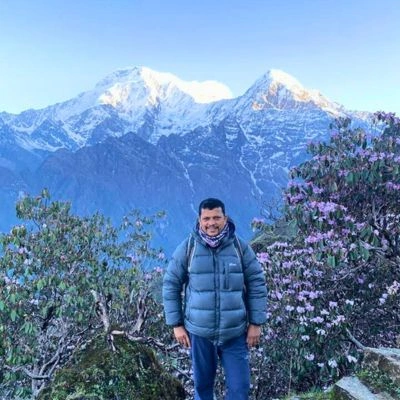
For many people, trekking in Nepal is the best method to fulfill their ambition of traveling over the Himalayas. Nepal, which is well-known for its majestic trails, varied cultures, and tall peaks, provides an unparalleled experience for hikers of all skill levels. This complete guide by Nepal Treks and Tour covers everything you need to know, from the best treks in Nepal and essential trekking routes, to choosing the right trekking season in Nepal, understanding required Nepal trekking permits, preparing your trekking gear, and learning how to avoid altitude sickness in Nepal. Whether you're looking for a classic Everest Base Camp Trek guide, a detailed Annapurna Circuit Trek guide, or expert Nepal trekking tips, this guide is your one-stop resource to plan the ultimate Himalayan adventure.
Why Trek in Nepal?
- Home to the World’s Highest Mountains: Nepal is home to 8 of the world’s 14 highest peaks, including Mount Everest and Annapurna, making it the ultimate destination for Trekking in Nepal.
- Diverse Trekking Routes: From the classic Everest Base Camp Trek to off-the-beaten-path Camping treks in Nepal, there are trails for every fitness level and interest.
- Wide Range of Difficulty Levels: Whether you're a beginner or a pro, you’ll find trails that match your trekking difficulty levels in Nepal with easy, moderate, and challenging options.
- Unique Cultural Experience: Trek through ancient villages, Buddhist monasteries, and remote ethnic communities – an unforgettable part of every Nepal trekking guide.
- Teahouse & Camping Options: Enjoy cozy Teahouse trekking Nepal with hot meals or full-on wilderness in remote camping treks in Nepal.
- Best Trekking Seasons: With a favorable trekking season in Nepal during spring and autumn, the weather is perfect for trekking with stunning mountain views.
- Affordable Adventures: Compared to other Himalayan regions, the cost of trekking in Nepal is budget-friendly with high value for money.
- Well-Established Infrastructure: Most top trekking destinations Nepal have good trails, guide services, and facilities like Nepal trekking maps and gear rental.
- Adventure + Safety: With experienced guides, clear routes, and access to trekking insurance Nepal, your safety is a top priority.
- Biodiversity and Nature: Trek through lush forests, rhododendron valleys, alpine deserts, and even glaciers—nature lovers will be in paradise.
- High-Altitude Training Ground: Ideal for acclimatization, learning about altitude sickness in Nepal, and preparing for bigger mountaineering goals.
Best Trekking Regions in Nepal
When it comes to Trekking in Nepal, the country is blessed with several distinct regions, each offering unique landscapes, cultures, and challenges. Whether you’re looking for the best treks in Nepal or scenic off-the-beaten-path adventures, these regions provide the perfect backdrop for your journey.
Everest Region (Khumbu)
Home to the world's tallest peak, this is the most iconic trekking route in Nepal.
- Famous for the Everest Base Camp Trek
- Includes Gokyo Lakes, Three Passes Trek, and Ama Dablam Base Camp
- Perfect for teahouse trekking in Nepal
- Well-marked trails, stunning Himalayan views, and Sherpa culture
- Don’t miss our full Everest Base Camp Trek guide
Annapurna Region
One of the most diverse and popular areas for trekking in Nepal.
- Top routes: Annapurna Circuit, Annapurna Base Camp, Mardi Himal, and Poon Hill
- Suits all trekking difficulty levels Nepal
- Great infrastructure for teahouse trekking Nepal
- Easily accessible from Pokhara
- Explore our detailed Annapurna Circuit Trek guide
Langtang Region
A hidden gem just north of Kathmandu.
- Best for short to moderate treks with alpine landscapes
- Rich in Tamang culture and Buddhist heritage
- Teahouses are available, making it suitable for self-guided treks
- Great alternative to crowded trails
Manaslu Region
A pristine region offering remote and camping treks in Nepal.
- Trekking around Mt. Manaslu (8th highest mountain)
- Restricted area: requires special Nepal trekking permits
- Suitable for experienced trekkers seeking a challenge
- Untouched wilderness and cultural diversity
Upper Mustang Region
A culturally rich and arid trans-Himalayan region.
- Ancient Tibetan Buddhist culture and monasteries
- One of the most unique trekking routes in Nepal
- Requires a special restricted area permit
- Suitable for camping treks in Nepal or high-end teahouses
Kanchenjunga Region
Home to the third-highest mountain in the world.
- Remote and rugged trails
- Rich biodiversity and stunning mountain views
- Demanding treks require prior experience and permits
- Limited infrastructure, perfect for wild trekking
Dolpo Region
Nepal’s most remote trekking destination.
- High passes, blue lakes, and Bonpo culture
- Ideal for adventurous souls seeking solitude
- Requires multiple Nepal trekking permits
- Fully camping treks in Nepal, no teahouse infrastructure
We help you select the perfect trail based on your preferences, time, and experience. Whether you're dreaming of snow-capped peaks or spiritual highlands, these top trekking destinations in Nepal will give you memories to last a lifetime.
Food and Accommodation While Trekking in Nepal
When planning your adventure in the Himalayas, knowing what to expect for meals and lodging is key. Whether you're enjoying cozy teahouse trekking Nepal or rugged camping treks in Nepal, food and accommodation play a big part in your comfort and experience. Here’s everything you need to know:
Types of Accommodation While Trekking in Nepal
Teahouse Lodges
The most common form of accommodation on popular trekking routes in Nepal.
- Simple rooms with twin beds, blankets, and shared bathrooms
- Heaters or wood stoves are often available in the dining hall
- Meals served in the common dining area
- Available in regions like Everest, Annapurna, and Langtang
Teahouse trekking in Nepal provides warmth, comfort, and a cultural connection with the locals.
Camping Accommodation
- Used mainly for remote or less-traveled trails like Upper Dolpo or Kanchenjunga.
- Full-tented camps managed by our experienced trekking crew
- Portable kitchens and trained cooks provide hearty meals
- Campfires and full wilderness experience
- Ideal for authentic camping treks in Nepal
Food Options While Trekking in Nepal
Local Dishes
Nepali meals are nutritious and perfect for trekking energy.
- Dal Bhat Tarkari – Lentil soup, rice, vegetable curry, and pickles (unlimited refills!)
- Momos – Steamed or fried dumplings
- Thukpa – A hearty noodle soup
- Gundruk, Aloo Tama, and Chapatis
Western Dishes
- Most teahouses along popular trails also offer:
- Pancakes, toast, eggs, pasta, sandwiches, and pizzas
- Porridge, granola, and Tibetan bread for breakfast
- Instant coffee, tea, hot chocolate, and bottled or boiled water
Drinking Water
- Staying hydrated is essential, especially to prevent altitude sickness in Nepal.
- Safe options: Boiled water, iodine-treated water, or water purification tablets
- Bottled water is available but discouraged due to environmental impact
Whether you prefer the community feel of teahouse trekking Nepal or the raw wilderness of camping treks in Nepal, Nepal Treks and Tour ensures your accommodation and meals are well-planned, hygienic, and satisfying. We handle all arrangements, so you can enjoy the journey without stress.
Guides and Porters During Trekking in Nepal
Whether you're taking on the Everest Base Camp Trek, the Annapurna Circuit, or venturing into remote regions, having experienced guides and porters can significantly enhance your journey. At Nepal Treks and Tour, we believe that trekking isn't just about the mountains—it's about the people who help you experience them.
The Role of a Nepal Trekking Guide
A licensed Nepal trekking guide is more than just a leader on the trail. They are your translator, cultural ambassador, first-aid responder, and your personal Himalayan trekking guide.
What Your Guide Does:
- Navigate the trail and ensure you stay on the correct trekking route in Nepal
- Helps you acclimatize and monitors signs of altitude sickness in Nepal
- Communicates with locals, lodge owners, and helps with check-in at teahouses
- Shares insights into local culture, traditions, and landscapes
- Assists with permits and logistics
Our guides are government-certified, English-speaking, and trained in first aid and high-altitude safety. Many of them are natives of the mountain regions, bringing unmatched expertise and hospitality.
The Role of a Porter
Porters are the backbone of any trekking in Nepal, especially on long or high-altitude trails. They carry your heavy backpack or duffel bag, allowing you to walk freely with just a light daypack.
What Porters Carry:
- Up to 20–25 kg of trekking gear per porter
- Personal belongings, sleeping bags, and extra clothing
- Supplies and food (for camping treks in Nepal)
Our professional guide and porter isn’t just about convenience; it’s about enhancing your experience, staying safe, and supporting the local mountain communities. Whether you’re doing teahouse trekking on a popular trail or a remote camping trek in Nepal, the support of trained professionals makes your Himalayan journey unforgettable.
Trekking Permits in Nepal
Before setting off on your Himalayan adventure, it’s essential to understand the types of trekking permits in Nepal you’ll need. Whether you’re heading to the Everest Base Camp, exploring the Annapurna Circuit, or venturing into restricted areas like Upper Mustang or Manaslu, proper documentation is a must.
TIMS Card (Trekkers’ Information Management System)
Required for most trekking routes in Nepal
Helps keep track of trekkers for safety purposes
Categories:
- Individual Trekker: USD 20
- Organized Trekker: USD 10
Note: TIMS is not required for the Everest region anymore.
National Park and Conservation Area Permits
Depending on your trekking region, you may need one or more of the following:
- Annapurna Conservation Area Permit (ACAP)
- Required for Annapurna Circuit Trek, Annapurna Base Camp, Mardi Himal, etc.Cost: NPR 3,000 (~USD 25)
Sagarmatha National Park Permit
- Needed for the Everest Base Camp Trek and the surrounding areas
- Cost: NPR 3,000 (~USD 25)
Langtang National Park Permit
- For treks in the Langtang region
- Cost: NPR 3,000 (~USD 25)
Manaslu Conservation Area Permit (MCAP)
- Required for Manaslu Circuit and Tsum Valley
- Cost: NPR 3,000 (~USD 25)
Restricted Area Permits (RAP)
Special permits are needed for regions considered sensitive or close to border zones.
Examples of Restricted Areas:
- Upper Mustang: USD 500 for the first 10 days; USD 50/day afterward
- Manaslu Region (Sept–Nov): USD 100 for the first 7 days; USD 15/day afterward
- Tsum Valley: USD 40 for 7 days (Sept–Nov); USD 30 in other months
- Kanchenjunga, Dolpo, Humla, and Nar-Phu Valley also require RAP
Solo trekking is not allowed in these areas; you must go through our professional guide.
What You’ll Need
- Valid passport with a copy
- 2 passport-sized photos
- Entry and exit dates for your trek
- Itinerary and trekking region information
Navigating trekking permits in Nepal can seem overwhelming, especially for first-timers. But don’t worry, Nepal Treks and Tour makes it simple and stress-free. We ensure all necessary permits are included in your package, so you can focus on enjoying your trek through the top trekking destinations in Nepal.
Difficulty Levels While Trekking in Nepal
One of the most common questions from trekkers is: "How hard is it to trek in Nepal?" The answer depends on the route you choose, your fitness level, and your trekking experience. Understanding the various trekking difficulty levels Nepal helps you plan better, choose the right trail, and enjoy the journey with confidence.
Easy Treks
Perfect for beginners or those short on time but still eager to experience the beauty of the Himalayas.
Examples:
- Ghorepani Poon Hill Trek
- Nagarkot Trek
- Ghandruk Village Trek
Features:
- Altitude below 3,000 meters
- Daily walking: 3–5 hours
- Gentle terrain and well-developed trails
- Comfortable teahouse trekking in Nepal
Ideal for those with moderate fitness and limited trekking experience.
Moderate Treks
Best for trekkers with a reasonable level of fitness and some prior hiking experience.
Examples:
- Annapurna Base Camp Trek
- Langtang Valley Trek
- Mardi Himal Trek
Features:
- Altitude up to 4,500 meters
- Daily walking: 5–7 hours
- Some steep ascents and descents
- Good mix of nature and cultural exposure
A great stepping stone to more challenging trekking routes in Nepal.
Challenging Treks
Recommended for trekkers who are physically fit, mentally prepared, and ready for adventure.
Examples:
- Annapurna Circuit Trek
- Everest Base Camp Trek
- Manaslu Circuit Trek
Features:
- Altitude between 4,500 – 5,500 meters
- Daily walking: 6–8 hours
- Crosses high passes (Thorong La, Larkya La, etc.)
- Risk of altitude sickness in Nepal
These treks demand endurance, preparation, and may involve extreme weather conditions depending on the trekking season in Nepal.
Strenuous/Extreme Treks
Tailored for highly experienced trekkers or climbers seeking true adventure in the remote Himalayas.
Examples:
- Three Passes Trek (Everest Region)
- Upper Dolpo Trek
- Kanchenjunga Base Camp Trek
- Camping treks in Nepal to restricted regions
Features:
- Altitude above 5,500 meters
- Long walking hours over multiple days
- Remote areas with limited infrastructure
- Requires a strong acclimatization plan, proper trekking gear for Nepal, and knowledge of Nepal trekking permits
- Not suitable for beginners. Proper fitness, mental toughness, and support from an expert Himalayan trekking guide are essential.
Trekking in Nepal is for everyone, but not every trek is for everyone. Whether you’re looking for scenic walks or high-altitude thrills, there’s a route that matches your ability. At Nepal Treks and Tour, we specialize in matching trekkers with the perfect journey based on their preferences, goals, and experience.
Best Time for Trekking in Nepal
Choosing the best time to trek in Nepal is crucial for an enjoyable, safe, and rewarding experience. The country's varied topography and climate mean that each trekking season in Nepal offers something unique. Whether you're exploring the lush lowlands or the snow-capped peaks, timing matters.
Spring (March – May)
The most popular and scenic season for trekking
- Best for: Everest Base Camp Trek, Annapurna Circuit Trek, Langtang Valley, Mardi Himal, and more
- Rhododendrons and wildflowers in full bloom
- Mild to warm temperatures (up to 25°C in lower regions)
- Clear skies with excellent mountain views
Why trek in spring?
- It’s a photographer’s dream and a favorite among nature lovers. The trails are alive with color and teahouses are fully operational.
Autumn (September – November)
- Considered the overall best season for all treks
- Ideal for: All classic trekking routes in Nepal, including Everest, Annapurna, Manaslu, and Upper Mustang
- Stable weather and clear skies
- Cool mornings and evenings with daytime temperatures around 15°C–20°C
- Best visibility for panoramic views of the Himalayas
Why trek in autumn?
- Perfect weather, clear trails, and the festive season (Dashain & Tihar) make it the best time for trekking in Nepal for most trekkers.
Winter (December – February)
- Off-season trekking with snow-covered beauty
- Good for: Lower altitude treks like Ghorepani Poon Hill, Nagarkot, and Kathmandu Valley treks
- High-altitude passes (like Thorong La, Cho La) may be closed due to snow
- Temperatures can drop below -15°C in high regions
- Snowy landscapes and fewer crowds
Why trek in winter?
- For those seeking peace, solitude, and stunning snow-covered views. Just be prepared with proper trekking gear for Nepal and warm clothing.
Monsoon/Summer (June – August)
- Lush greenery and off-the-beaten-path experiences
- Recommended for: Rain-shadow areas like Upper Mustang, Dolpo, and Nar-Phu Valley
- Daily rainfall in most regions; slippery and muddy trails
- Stunning landscapes and waterfalls
- Leeches and bugs are common in forested areas
Why trek in summer?
- It’s ideal for camping treks in Nepal to dry areas that are unaffected by monsoon rains. Also great for cultural exploration in isolated villages.
Quick Weather Overview by Season
| Season | Temperature (°C) | Visibility | Crowds | Trek Suitability |
| Spring | 10 – 25 | Excellent | High | Most regions, with blooming scenery |
| Autumn | 10 – 20 | Excellent | High | All classic routes |
| Winter | -10 – 15 | Good | Low | Lower elevation treks, snowy beauty |
| Monsoon | 15 – 30 | Poor | Low | Rain-shadow areas (Mustang, Dolpo) |
The best time to trek in Nepal depends on your destination, preferences, and experience level. At Nepal Treks and Tour, we offer expert advice and customized itineraries for every season. Whether you're chasing rhododendron trails in spring or craving solitude in the snowy heart of winter, we’ve got you covered.
Preparing for Trekking in Nepal
Planning a Himalayan adventure? Proper preparation is the key to a successful and enjoyable trek. Whether you're a first-timer or a seasoned trekker, this guide by Nepal Treks and Tour will help you get ready—physically, mentally, and logistically—for your dream journey.
Choose the Right Trek
- Start by selecting from the best treks in Nepal based on:
- Region (Everest, Annapurna, Langtang, etc.)
- Trekking difficulty levels Nepal
- Available time (from 5 to 25+ days)
- Interests (scenery, culture, wildlife, remoteness)
Explore detailed guides like our Everest Base Camp Trek guide or Annapurna Circuit Trek guide to find the perfect route.
Train and Build Endurance
- Even easy trekking routes in Nepal require long walks. Prepare your body with:
- Cardiovascular exercises (running, hiking, swimming)
- Strength training (legs, core, and back)
- Flexibility and balance (yoga or stretching)
- Begin training at least 4–6 weeks in advance
Being fit also helps reduce your chances of altitude sickness in Nepal.
Pack the Right Trekking Gear for Nepal
Your comfort and safety depend on smart packing. Essentials include:
Clothing:
- Base layers, fleece, and down jacket
- Waterproof shell and rain gear
- Gloves, hat, and sunglasses
Equipment:
- Sleeping bag (4-season for high-altitude treks)
- Headlamp with extra batteries
- Trekking poles (optional but helpful)
Other items:
- Water purification tablets or filter
- First aid kit and personal medications
- Sunscreen, lip balm, toiletries
We provide rental options and a complete gear checklist tailored to your trek.
Pick the Best Time
Timing your trip during the best time to trek in Nepal makes all the difference. The ideal trekking season in Nepal is:
- Spring (March to May)
- Autumn (September to November)
We also offer winter and monsoon treks to less-visited areas like Upper Mustang and Dolpo.
Arrange Trekking Insurance Nepal
It’s crucial to have travel and trekking insurance in Nepal that covers:
- Emergency medical treatment
- Helicopter evacuation (for high-altitude treks)
- Trip cancellations or interruptions
Don’t take risks; get insured before you go.
Trekking Tips
- Drink plenty of water and avoid alcohol at altitude
- Walk slowly and acclimatize properly
- Respect local customs and dress modestly
- Always carry local currency; ATMs are rare in remote areas
- Use a Nepal trekking map or GPS if going unguided
With proper preparation, trekking in Nepal becomes a life-changing experience. At Nepal Treks and Tour, we help you every step of the way, from choosing the right trail to providing guides, gear, permits, and support.
Trekking in Nepal is more than just an adventure; it's a journey through breathtaking landscapes, rich cultures, and the heart of the Himalayas. With countless trekking routes in Nepal, ranging from easy scenic walks to high-altitude challenges, the country welcomes all kinds of trekkers. Whether you're drawn to the iconic Everest Base Camp, the classic Annapurna Circuit, or the hidden gems of Upper Mustang and Manaslu, proper planning, the right trekking gear for Nepal, and awareness of trekking permits, seasons, and difficulty levels are essential. At Nepal Treks and Tour, we are committed to being your trusted Himalayan trekking guide, ensuring your trek is safe, memorable, and tailored to your goals. Let the trails of Nepal inspire your spirit, test your strength, and reward you with unforgettable moments in the mountains.
FAQs: A Complete Guide for Trekking in Nepal
Q: What is the best time to go trekking in Nepal?
A: The best time to trek in Nepal is during spring (March–May) and autumn (September–November). These are the ideal trekking seasons in Nepal, offering clear skies, mild temperatures, and excellent mountain views.
Q: Do I need permits for trekking in Nepal?
A: Yes, most treks require specific Nepal trekking permits, such as the TIMS card and national park or conservation area permits. For restricted regions like Upper Mustang and Manaslu, special permits are mandatory and can only be obtained through a registered agency like Nepal Treks and Tour.
Q: How difficult is trekking in Nepal?
A: Trekking difficulty levels in Nepal range from easy to strenuous. There are treks suitable for beginners, like Ghorepani Poon Hill, moderate trails like Annapurna Base Camp, and more demanding routes like the Everest Base Camp Trek or Three Passes Trek. We help match treks to your fitness level and experience.
Q: What type of accommodation is available while trekking?
A: Accommodation is usually in teahouses, basic mountain lodges with beds, meals, and communal areas. For remote areas or wild routes, we arrange camping treks in Nepal with full equipment and support staff.
Q: What kind of food can I expect during the trek?
A: During the teahouse trekking in Nepal, you’ll find a mix of local and international dishes. Common meals include dal bhat, momos, noodles, pasta, and pancakes. In camping treks, our cooks prepare fresh, hygienic meals daily.
Q: Is altitude sickness a risk while trekking in Nepal?
A: Yes, altitude sickness in Nepal can occur above 2,500 meters. We plan itineraries with acclimatization days and advise drinking water regularly, walking slowly, and being aware of symptoms. Your safety is always our priority.
Q: What gear do I need for trekking?
A: Essential trekking gear for Nepal includes hiking boots, layers for warmth, rain gear, sleeping bags, and a daypack. We provide a detailed packing list and can help arrange rentals or purchases in Kathmandu.
Q: Is trekking in Nepal safe for solo travelers?
A: Popular routes like Annapurna Circuit and Everest Base Camp are generally safe for solo trekkers. However, we recommend traveling with a Nepal trekking guide for safety, local insight, and ease—especially in remote or high-altitude regions.
Q: Do I need insurance for trekking in Nepal?
A: Absolutely. We strongly recommend having trekking insurance in Nepal that covers high-altitude trekking, medical emergencies, and helicopter evacuation. It’s a must-have for your safety and peace of mind.
Q: What are some of the best treks in Nepal?
A: Some of the best treks in Nepal include the Everest Base Camp Trek, Annapurna Circuit Trek, Langtang Valley Trek, Manaslu Circuit, and Upper Mustang. Our team at Nepal Treks and Tour helps you choose the perfect trail based on your goals.
Q: Can I trek in Nepal without a guide?
A: Guideless trekking is allowed on some routes, but for restricted areas and challenging treks, a Himalayan trekking guide is mandatory. Even on open routes, guides add safety, insight, and cultural depth to your experience.
If you need any further information, please feel free to contact us via email at [email protected] or by phone/WhatsApp at +977-9851013072.