
Planning the Annapurna Base Camp Trek in the monsoon? Yes, you can safely trek to ABC during July and August with proper preparation. Monsoon brings greener forests, massive waterfalls, fewer crowds, and peaceful trails. This guide covers weather, safety, packing tips, costs, routes, and expert advice for a successful Annapurna Base Camp Trek in Nepal’s rainy season.

Is Annapurna Base Camp Trek in Monsoon Worth It in 2026?
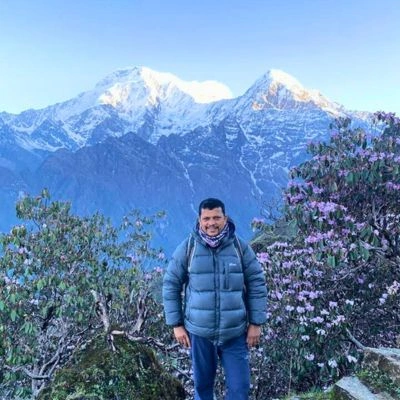
The Annapurna Base Camp Trek looks magical during monsoon season. The forests become greener and waterfalls flow everywhere. Clouds move dramatically across the mountains. The trails feel peaceful and less crowded.
Many trekkers avoid Nepal during the rainy season. However, experienced travelers often love this quiet period. The fresh air and natural beauty feel more authentic. The landscapes look alive after every rainfall.
The monsoon season usually starts in June and lasts until early September. July and August receive the most rain. Still, the ABC Trek remains possible with good planning.
Is Annapurna Base Camp Trek Safe During Monsoon?
Yes, the trek stays safe with proper preparation. Most tea houses remain open during monsoon season. Local guides understand weather patterns very well. They help travelers avoid risky trail sections.
However, heavy rain can create challenges. Slippery paths and occasional landslides happen in some areas. Leeches also appear in forest sections below Chhomrong. Good trekking shoes become very important.
Trekkers should always check weather forecasts before starting. Hiring an experienced guide improves safety significantly. Flexible itineraries also help during unexpected weather changes.
What Is the Weather Like at Annapurna Base Camp in Monsoon?
The weather feels warm and humid at lower elevations. Rain usually falls during afternoons and evenings. Mornings often stay clearer with better mountain views.
Temperatures remain comfortable during the trek. Lower regions range between 15°C and 25°C. Annapurna Base Camp itself stays around 5°C to 12°C.
Clouds frequently cover the mountains during rainy hours. Yet, clear mornings often reveal stunning Himalayan panoramas. These moments feel unforgettable for photographers.
Why Does the ABC Trek Look Beautiful During Monsoon?
Monsoon transforms the Annapurna region into a green paradise. Forests become vibrant with fresh vegetation everywhere. Rivers flow powerfully beside the trekking trails.
Waterfalls appear across the hills and valleys. Mist moves softly through the forests each morning. The peaceful atmosphere feels completely different from busy autumn seasons.
Wildflowers also bloom beautifully during this time. Farmers work in colorful rice terraces below the mountains. The entire journey feels more cultural and natural.
What Are the Biggest Challenges of ABC Trek in Monsoon?
Rain becomes the biggest challenge for most trekkers. Wet clothes and muddy trails can feel uncomfortable. Proper waterproof gear solves many problems.
Leeches appear in lower forest areas after rainfall. They usually do not cause serious harm. Still, many trekkers dislike seeing them.
Mountain views may remain hidden for several days. Flights and transportation sometimes face delays because of weather. Patience becomes very important during monsoon trekking.
What Should You Pack for the Annapurna Base Camp Trek in Monsoon?
Packing smartly improves your trekking experience greatly. Waterproof equipment becomes essential during rainy months. Dry clothes help maintain comfort and warmth.
Essential Monsoon Packing List
- Waterproof trekking jacket
- Rain cover for backpack
- Quick-dry trekking pants
- Waterproof hiking boots
- Trekking poles
- Extra socks
- Lightweight gloves
- Power bank
- Water purification tablets
- Leech socks or salt
A dry bag also protects electronics and documents. Carrying lightweight clothing makes walking easier. Avoid overpacking unnecessary gear.
Can Beginners Do the Annapurna Base Camp Trek in Monsoon?
Yes, beginners can complete this trek successfully. The ABC Trek does not require technical climbing skills. Average fitness levels usually work well.
However, monsoon conditions increase trail difficulty slightly. Slippery paths demand extra caution while walking. Beginners should trek slowly and carefully.
Guided treks remain highly recommended for first-time visitors. Local guides provide weather updates and route support. They also improve the overall trekking experience.
What Are the Advantages of Trekking ABC During Monsoon?
Monsoon trekking offers several hidden advantages. The trails stay quieter compared to peak trekking seasons. Tea houses feel more peaceful and relaxed.
Accommodation prices may also become slightly cheaper. Nature lovers enjoy greener landscapes and dramatic skies. Photography looks unique with clouds and mist.
Travelers also experience authentic village life more closely. Local communities continue daily activities during rainy months. This creates richer cultural interactions.
What Is the Best Route for ABC Trek in Monsoon?
Most trekkers follow the standard ABC Trek route. The route usually starts from Pokhara. Popular overnight stops include Chhomrong, Bamboo, Deurali, and Annapurna Base Camp.
Some travelers prefer shorter itineraries during monsoon season. Jeep access helps reduce long walking days. Flexible schedules work best during unpredictable weather.
Trekkers should avoid rushing the journey. Extra buffer days help manage rain delays safely.
How Difficult Is the Annapurna Base Camp Trek During Rainy Season?
The trek becomes moderately difficult during monsoon months. Rain increases trail slipperiness in forest sections. Some stone staircases also become challenging.
Still, the altitude remains manageable for most travelers. The highest point reaches 4,130 meters at base camp. Proper acclimatization reduces altitude sickness risks.
Daily walking usually lasts between 5 to 7 hours. Steady pacing helps conserve energy throughout the trek.
Is Monsoon the Best Time for Photography on the ABC Trek?
Many photographers actually love monsoon trekking in Nepal. The dramatic clouds create cinematic mountain landscapes. Forest colors appear richer after rainfall.
Sunrises sometimes reveal magical golden peaks above the clouds. Waterfalls and rivers look stronger and more beautiful. Misty trails also create dreamy travel photos.
A waterproof camera cover becomes essential during this season. Morning photography sessions usually provide the clearest conditions.
Should You Do the Annapurna Base Camp Trek in Monsoon?
Yes, the trek feels rewarding for prepared travelers. Monsoon offers a peaceful and unique Himalayan experience. Nature looks fresh, colorful, and alive everywhere.
However, trekkers must accept weather unpredictability. Rain and clouds become part of the adventure. Flexible expectations lead to better experiences.
Travelers seeking quiet trails often love monsoon trekking. Those wanting guaranteed mountain views may prefer autumn instead.
Final Thoughts on Annapurna Base Camp Trek in Monsoon
The Annapurna Base Camp Trek in monsoon surprises many travelers positively. The landscapes become greener and more dramatic. The peaceful atmosphere feels deeply refreshing.
Good preparation makes the journey safer and more enjoyable. Waterproof gear and flexible planning remain essential. Hiring experienced local guides also helps greatly.
If you enjoy nature, adventure, and fewer crowds, monsoon can feel magical. The Himalayas show a completely different personality during rainy months.
Want to explore the complete Annapurna Base Camp Trek guide in detail? Discover routes, itinerary, costs, altitude tips, packing lists, and expert trekking advice before your adventure begins.
FAQs
Is the Annapurna Base Camp Trek possible during monsoon?
Yes, the Annapurna Base Camp Trek is possible during monsoon. Many trekkers complete it successfully in July and August. Proper rain gear and flexible planning are important.
Is the Annapurna Base Camp Trek safe in July and August?
Yes, the trek stays safe with experienced guides and updated weather information. Trekkers should walk carefully on slippery trails during heavy rain.
What is the best month for Annapurna Base Camp Trek in monsoon?
Late June, July, and early September offer greener landscapes and fewer crowds. Early mornings usually provide the best mountain views.
Are there leeches on the ABC Trek during monsoon?
Yes, leeches appear mainly in lower forest sections after rainfall. Wearing long socks and carrying salt helps avoid discomfort.
Can beginners do the Annapurna Base Camp Trek in monsoon?
Yes, beginners can complete the trek with average fitness. Hiring a local guide improves safety and confidence during rainy conditions.
How difficult is the Annapurna Base Camp Trek during rainy season?
The trek becomes moderately difficult because trails turn muddy and slippery. However, most healthy travelers can complete it comfortably.
What should I pack for Annapurna Base Camp Trek in monsoon?
Carry waterproof jackets, rain covers, trekking poles, quick-dry clothing, and waterproof hiking boots. Dry bags protect electronics and important documents.
Does it rain every day on the Annapurna Base Camp Trek?
Rain usually falls during afternoons and evenings. Mornings often stay clearer with better mountain visibility.
Are tea houses open during monsoon in Annapurna Base Camp Trek?
Yes, many tea houses remain open throughout monsoon season. Fewer trekkers also mean quieter and more comfortable stays.
Is Annapurna Base Camp Trek worth it during monsoon?
Yes, monsoon offers peaceful trails, lush forests, dramatic clouds, and beautiful waterfalls. Nature feels more vibrant and less crowded.
What is the temperature at Annapurna Base Camp during monsoon?
Temperatures at Annapurna Base Camp range between 5°C and 12°C during monsoon. Lower trekking regions remain warmer and humid.
Which is better in monsoon: Everest Base Camp or Annapurna Base Camp?
Annapurna Base Camp usually performs better during monsoon. The region has easier access, greener scenery, and lower flight cancellation risks.
Can I see mountains during ABC Trek in monsoon?
Yes, clear mountain views often appear during mornings after rainfall. Weather changes quickly in the Himalayas.
Do I need a guide for Annapurna Base Camp Trek in monsoon?
A guide is highly recommended during monsoon trekking. Guides help with navigation, weather decisions, and local safety updates.
How long does the Annapurna Base Camp Trek take during monsoon?
Most trekkers complete the trek within 7 to 11 days. Flexible itineraries help manage weather delays comfortably.
Is altitude sickness common on the ABC Trek in monsoon?
Altitude sickness can still happen above 3,000 meters. Slow walking, hydration, and acclimatization reduce the risk greatly.
What are the benefits of trekking Annapurna Base Camp in monsoon?
Trekkers enjoy fewer crowds, cheaper accommodation, greener landscapes, fresh air, and peaceful trekking experiences.
Can solo travelers do the Annapurna Base Camp Trek in monsoon?
Yes, solo trekking is possible. However, guided trekking provides extra safety and support during rainy conditions.
What is the cost of Annapurna Base Camp Trek in monsoon?
The trek usually costs less during monsoon compared to peak seasons. Prices vary based on itinerary, guide services, and accommodation choices.
Why do photographers love Annapurna Base Camp Trek in monsoon?
Monsoon creates dramatic clouds, colorful forests, powerful waterfalls, and misty mountain landscapes perfect for unique photography.
What is the best monsoon trek in Nepal?
The Annapurna Base Camp Trek is one of Nepal’s best monsoon treks because of its lush scenery and accessible trails.
Is Annapurna Base Camp crowded in monsoon?
No, monsoon season has fewer trekkers, making the trails quieter and more peaceful.
What are the biggest challenges of ABC Trek in monsoon?
Rain, slippery trails, leeches, and occasional landslides are the main monsoon trekking challenges.
Why choose Annapurna Base Camp Trek in monsoon?
Trekkers choose monsoon for greener forests, dramatic views, fewer tourists, and authentic Himalayan experiences.
Need Help? Call Us
Need Help? Call Us+9779851013072