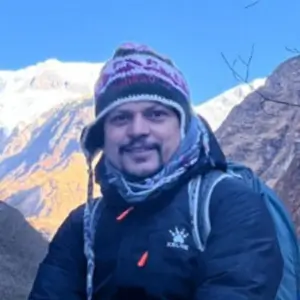
Altitude sickness is a common challenge in Nepal trekking, especially in high-altitude regions like Everest and Annapurna. Understanding its symptoms, causes, and prevention methods—such as proper acclimatization and hydration- can help ensure a safe and enjoyable Himalayan adventure.
Altitude Sickness in Nepal Trekking
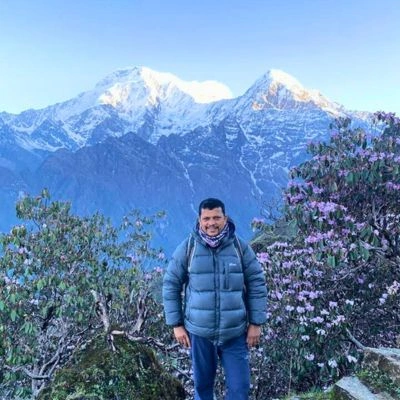
Trekking in Nepal offers breathtaking views of the Himalayas, including iconic regions like Everest Base Camp, Annapurna Circuit, and Langtang Valley. However, one of the biggest challenges trekkers face is altitude sickness, also known as Acute Mountain Sickness (AMS).
Whether you are a beginner or an experienced trekker, understanding altitude sickness in Nepal is crucial for a safe and successful journey.
What is Altitude Sickness?
Altitude sickness occurs when your body struggles to adapt to lower oxygen levels at high elevations, typically above 2,500 meters (8,200 ft).
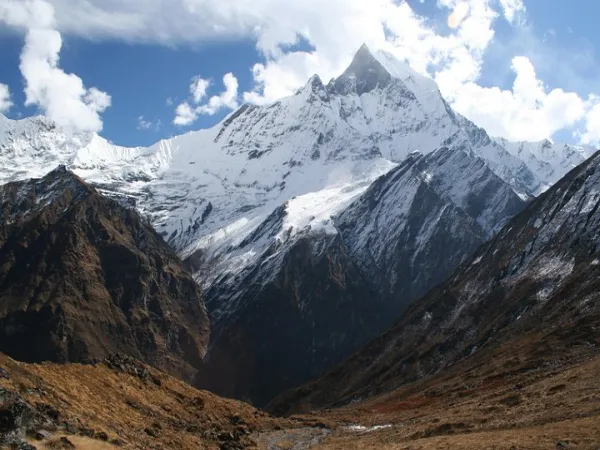
In Nepal trekking, this is common in high-altitude destinations such as:
- Everest Region
- Annapurna Region
- Manaslu Region
Types of Altitude Sickness
Acute Mountain Sickness (AMS)
The most common and mildest form.
- Headache
- Nausea
- Fatigue
- Loss of appetite
High Altitude Pulmonary Edema (HAPE)
A serious condition involving fluid in the lungs.
- Shortness of breath
- Chest tightness
- Persistent cough
High Altitude Cerebral Edema (HACE)
A life-threatening condition affecting the brain.
- Confusion
- Loss of coordination
- Severe headache
Causes of Altitude Sickness in Nepal Trekking
- Rapid ascent without proper acclimatization
- Low oxygen levels at high altitude
- Dehydration
- Overexertion
- Ignoring early symptoms
Symptoms of Altitude Sickness
Recognizing symptoms early can save your life.
- Common Symptoms
- Headache
- Dizziness
- Difficulty sleeping
- Fatigue
Severe Symptoms
- Vomiting
- Difficulty breathing
- Loss of coordination
- Confusion
Best Ways to Prevent Altitude Sickness
Proper Acclimatization
- Follow the golden rule:
- “Climb high, sleep low.”
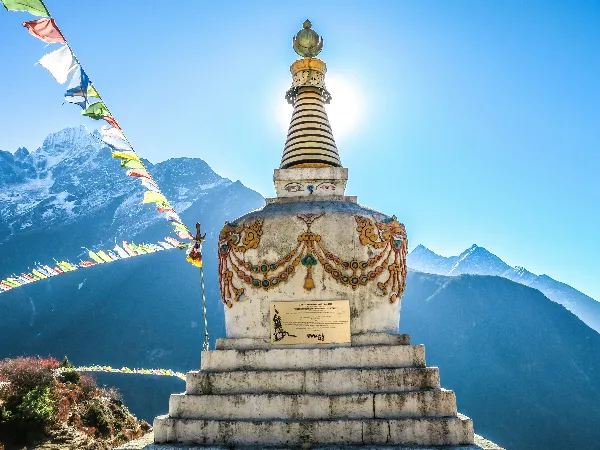
Popular trekking stops like Namche Bazaar and Manang are ideal for acclimatization.
Ascend Gradually
- Do not gain more than 300–500 meters per day above 3,000m
Stay Hydrated
- Drink 3–4 liters of water daily
Avoid Alcohol and Smoking
- These reduce oxygen absorption and worsen symptoms.
Eat Nutritious Food
- High-energy meals help maintain stamina.
Consider Medication
Common preventive medicine:
- Diamox
(Always consult a doctor before use.)
What to Do if You Get Altitude Sickness
Immediate Actions
- Stop ascending
- Rest at the same altitude
- Drink fluids
- Inform your guide
Emergency Response
- Descend immediately
- Seek medical help
- Use oxygen support if available
High-Risk Trekking Routes in Nepal
Some treks have higher risk due to altitude:
- Everest Base Camp Trek (up to 5,364m)
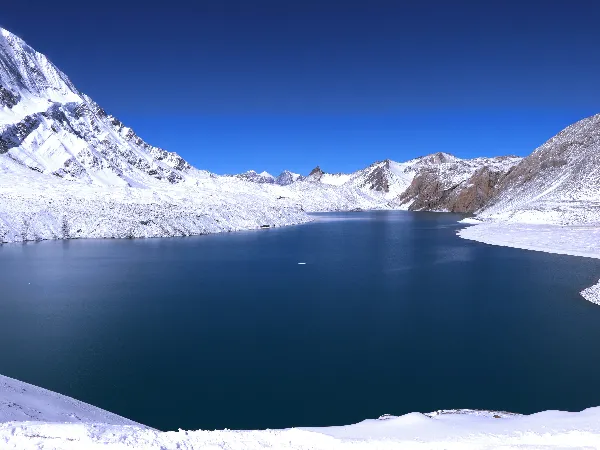
- Annapurna Circuit Trek (Thorong La Pass 5,416m)
- Manaslu Circuit Trek
Best Time to Trek to Avoid Altitude Problems
The best seasons for safer trekking:
- Spring (March–May)
- Autumn (September–November)
Clear weather and stable conditions reduce risks.
Importance of Guides and Porters
Experienced guides can be lifesaving. They:
- Monitor your health
- Plan acclimatization days
- Handle emergencies
Altitude Sickness Tips for Beginners
- Train physically before your trek
- Carry a first aid kit
- Trek with a group or guide
- Listen to your body
Why Altitude Awareness is Important
- Altitude sickness is one of the leading risks in Nepal trekking, but it is completely preventable with proper knowledge and planning.
Altitude sickness in Nepal trekking is a serious but manageable condition. Whether you’re heading to Everest Base Camp or exploring the Annapurna Region, preparation is key. With proper acclimatization, hydration, and awareness, you can safely enjoy the incredible beauty of the Himalayas.
Need Help? Call Us
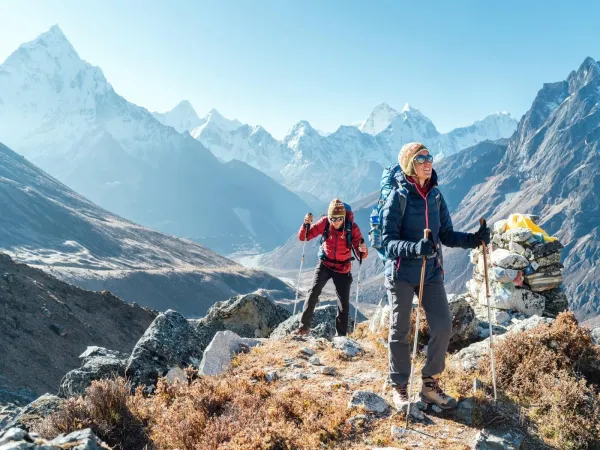
Need Help? Call Us+9779851013072