Trekking in Nepal without a guide is still possible in some popular regions, but recent regulations by the Nepal Tourism Board have made guided trekking increasingly recommended and, in certain areas, mandatory. While solo trekking offers freedom, flexibility, and lower costs, it also comes with risks such as navigation challenges, altitude sickness, and limited emergency support. Restricted regions require licensed guides and special permits, making independent trekking impossible there. Overall, experienced trekkers may still enjoy solo routes like Everest or Annapurna, but for safety, convenience, and a richer cultural experience, hiring a guide is often the better choice.
Can You Trek in Nepal Without a Guide?
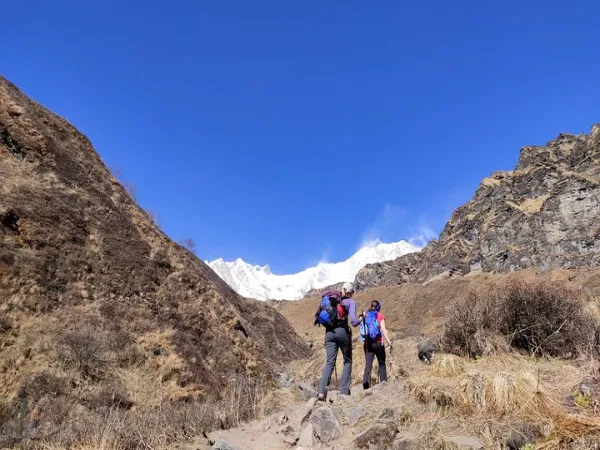
Trekking in Nepal is a dream adventure for travelers worldwide. From the iconic Everest trails to hidden Himalayan valleys, Nepal offers unmatched trekking experiences. But one of the most common questions travelers ask is: Can you trek in Nepal without a guide?
The answer is yes, but with important restrictions, risks, and recent rule changes you must understand before planning your journey.
Is It Legal to Trek in Nepal Without a Guide?
As of recent regulations introduced by the Nepal Tourism Board, solo trekking without a licensed guide is restricted in many regions.
Key Rule
- Trekkers are required to hire a licensed guide in most trekking regions.
- You must obtain a TIMS (Trekkers’ Information Management System) card through Nepal Treks and Tour.
- Independent trekking is still allowed in some areas, but becoming limited.
This rule was introduced for:
- Safety reasons
- Emergency tracking
- Reducing accidents in remote areas
Where Can You Trek Without a Guide?
Although restrictions are increasing, some regions are still relatively flexible.
Possible for Solo Trekking (Less Restricted Areas)
- Everest Base Camp Trek (partially flexible)
- Annapurna Base Camp Trek
- Ghorepani Poon Hill Trek
- Langtang Valley Trek
However, even in these areas:
- You may still need permits via Nepal Treks and Tour
- Regulations can change quickly
Restricted Areas (Guide Mandatory)
You cannot trek solo in these regions:
These require:
- Special permits
- Registered guide
- Minimum group size (usually 2 trekkers)
Advantages of Trekking Without a Guide
Many travelers still prefer independent trekking for the following reasons:
Freedom & Flexibility
- Walk at your own pace
- Change itinerary anytime
Lower Cost
- No guide or porter fees
- Budget-friendly trekking
Personal Adventure
- Strong sense of achievement
- More immersive experience
Disadvantages of Trekking Without a Guide
Solo trekking also comes with serious challenges:
Navigation Issues
- Trails can be confusing in remote areas
- Poor or missing signage
Safety Risks
- Altitude sickness
- Injuries or accidents
- No immediate help
Limited Local Insight
- You miss cultural knowledge
- Harder communication in rural villages
Emergency Situations
- Difficult rescue coordination
- No one to assist in critical conditions
Cost Comparison: Solo vs Guided Trek
| Expense Type | Solo Trekking | Guided Trekking |
| Guide Cost | $0 | $25–$40/day |
| Porter Cost | Optional | $20–$30/day |
| Permits | Same | Same |
| Accommodation | Same | Same |
Solo trekking is cheaper, but guided trekking offers better safety and support.
Is Solo Trekking in Nepal Safe?
It depends on:
- Your experience level
- Trekking region
- Weather conditions
- Preparation
Safer for:
- Experienced trekkers
- Well-marked trails (Annapurna/Everest)
Risky for:
- Beginners
- High-altitude or remote treks
- Winter/monsoon seasons
Essential Tips for Trekking Without a Guide
If you decide to go solo, follow these:
Plan Properly
- Research route and itinerary
- Carry offline maps (Maps.me / GPS apps)
Get Permits in Advance
- TIMS card
- National park or conservation permits
Stay Connected
- Buy local SIM card
- Inform someone about your plan
Pack Smart
- First aid kit
- Water purification tablets
- Power bank
Acclimatize Properly
- Avoid rushing
- Follow altitude safety rules
Best Treks for Solo Travelers in Nepal
These are considered safer and more popular:
- Everest Base Camp Trek
- Annapurna Base Camp Trek
- Ghorepani Poon Hill Trek
- Langtang Valley Trek
These routes have:
- Good infrastructure
- Plenty of teahouses
- Clear trails
Guided Trek vs Solo Trek: Which is Better?
Choose Solo Trekking if:
- You have prior trekking experience
- You want independence
- You are on a tight budget
Choose Guided Trek if:
- You are a beginner
- You want safety and comfort
- You are trekking in restricted areas
For most travelers, guided trekking is the safest and easiest option.
Yes, you can trek in Nepal without a guide, but it is becoming increasingly regulated and restricted. While solo trekking offers freedom and lower costs, it comes with safety risks and logistical challenges.
For most travelers, especially beginners, hiring a licensed guide is highly recommended. It not only ensures safety but also enhances your trekking experience with local knowledge and support.
Need Help? Call Us

Need Help? Call Us+9779851013072