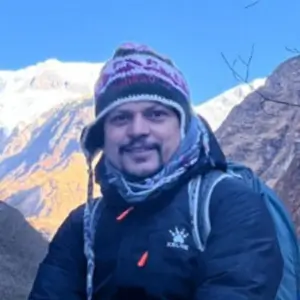
Guided trekking in Nepal offers a safer, more convenient, and culturally rich experience with professional support, making it ideal for beginners and high-altitude routes, especially with current regulations requiring guides in most regions. In contrast, solo trekking provides freedom, flexibility, and lower costs but comes with higher risks, navigation challenges, and legal limitations. Overall, while experienced trekkers may still prefer independence where allowed, guided trekking is the most practical and recommended choice for exploring Nepal’s Himalayas today.
Guided Trek vs Solo Trekking in Nepal
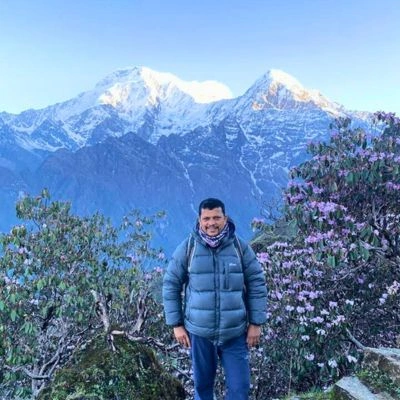
Trekking in Nepal is a dream adventure for travelers worldwide. From the towering peaks of the Everest region to the diverse landscapes of the Annapurna and Langtang regions, Nepal offers some of the best trekking experiences on Earth.
Overview of Trekking in Nepal
Nepal is globally famous for trekking routes like:
These treks take you through remote Himalayan terrain, high altitudes, and culturally rich villages, making preparation and decision-making extremely important.
What is Guided Trekking in Nepal?
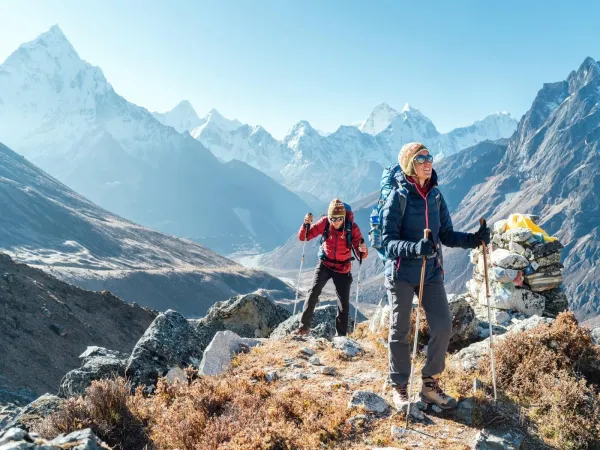
Guided trekking means hiring a licensed trekking guide (and optionally a porter) through a trekking agency such as Nepal Treks and Tour.
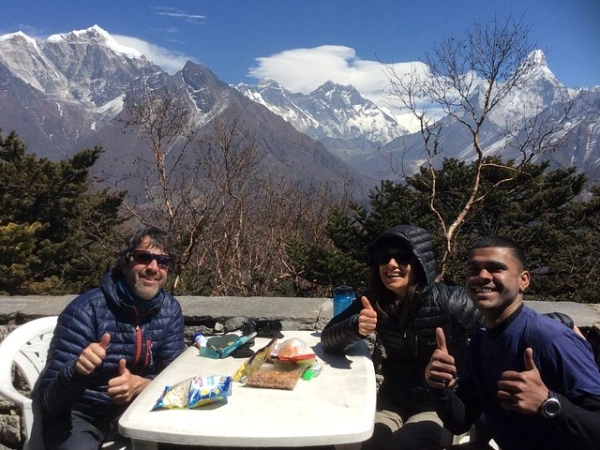
What’s Included:
- Professional guide leading the trek
- Pre-planned itinerary
- Permit arrangements
- Accommodation booking
- Safety monitoring
Role of a Guide:
- Navigate trails
- Monitor altitude sickness
- Provide cultural insights
- Manage emergencies
Guided trekking is now highly recommended and often required in many regions of Nepal.
What is Solo Trekking in Nepal?
Solo trekking means trekking independently without a guide.
What You Handle Yourself:
- Route planning
- Permits
- Accommodation
- Food and logistics
- Emergency decisions
It gives freedom but comes with greater responsibility and risk.
Guided Trek vs Solo Trekking: Key Comparison
| Factor | Guided Trekking | Solo Trekking |
| Safety | Very high | Moderate to low |
| Cost | Higher | Lower |
| Freedom | Limited | Full flexibility |
| Navigation | Easy | Challenging |
| Experience | Cultural & informative | Personal & independent |
| Legal Status | Allowed everywhere | Restricted |
Is Solo Trekking Allowed in Nepal? (Latest Update)
- Most trekking regions require a licensed guide
- Solo trekking is restricted or not allowed in major routes
- TIMS card is issued through agencies
Affected Regions:
- Everest Region
- Annapurna Region
- Langtang Region
- Manaslu, Mustang, Dolpo
These rules were implemented to improve trekker safety and reduce risks.
Permits Required for Trekking in Nepal
Whether guided or solo (where allowed), trekkers need:
Common Permits:
- TIMS Card
- National Park Permit
- Conservation Area Permit (ACAP, etc.)
Most permits are now easier to obtain through trekking agencies with a guide.
Cost Comparison
Guided Trekking Cost
- Guide: $25–$50 per day
- Porter: $15–$25 per day
- Full package (EBC): $1200–$3000
Includes logistics, safety, and convenience
Solo Trekking Cost
- Daily budget: $25–$40
- No guide/porter cost
Cheaper, but risks and hidden costs can increase expenses
Advantages of Guided Trekking
Safety First
- Professional support
- Emergency handling
- Faster rescue coordination
Easy Navigation
- No risk of getting lost
- Alternate routes in case of weather issues
Cultural Experience
- Learn about local traditions, religion, and lifestyle
- Guides act as translators
Better Acclimatization
- Proper itinerary planning reduces altitude sickness risk
Stress-Free Travel
- No need to worry about:
- Booking lodges
- Finding routes
- Managing permits
Disadvantages of Guided Trekking
- Higher cost
- Less flexibility
- Dependence on guide
Advantages of Solo Trekking
Full Freedom
- Walk at your own pace
- Change plans anytime
Budget-Friendly
- No extra guide/porter cost
Personal Growth
- Builds confidence and independence
Disadvantages of Solo Trekking
- Safety Risks
- No help in emergencies
- Difficult in case of altitude sickness
Navigation Challenges
- Trails can be confusing in bad weather
Accommodation Issues
- Lodges may be full during peak season
Legal Restrictions
- Not allowed in many trekking regions
Real Risks While Trekking in Nepal
Altitude Sickness
- Common above 2,500m
- Can be life-threatening if ignored
Weather Changes
- Sudden snowstorms
- Rapid temperature drops
Getting Lost
- Trails may not be clearly marked
Rescue Difficulty
- Remote areas = delayed evacuation
Which One Should You Choose?
Choose Guided Trekking If:
- You are a beginner
- You want safety and comfort
- You are trekking in high-altitude regions
- You want cultural insights
Choose Solo Trekking If:
- You are experienced
- You prefer independence
- You are trekking short or easy routes
- You understand the risks
Hire a porter-guide
- More affordable than a full guide
- Provides safety and support
- Maintains some flexibility
Guided trekking is safer, easier, and more practical, especially with current regulations. Solo trekking offers freedom but comes with higher risks and restrictions
FAQs: Guided Trek vs Solo Trekking in Nepal
Is solo trekking allowed in Nepal?
- Solo trekking in Nepal is now restricted in most major trekking regions. Since 2023, the government has required trekkers to hire a licensed guide for popular routes like Everest, Annapurna, and Langtang to improve safety and reduce risks. However, some short and less remote trails may still allow independent trekking, but it’s always important to check the latest rules before planning.
Is guided trekking better than solo trekking in Nepal?
- Guided trekking is generally considered better for most travelers because it offers safety, local expertise, and hassle-free logistics. A guide helps with navigation, accommodation, and altitude management, making the trek smoother and more enjoyable. Solo trekking, while more flexible, comes with higher risks and requires strong experience.
How much does a trekking guide cost in Nepal?
- The cost of a trekking guide in Nepal typically ranges from $25 to $50 per day, depending on experience and region. A porter usually costs $15 to $25 per day. While this increases the overall budget, it significantly improves safety and convenience during the trek.
Can beginners do solo trekking in Nepal?
- Solo trekking is not recommended for beginners, especially in high-altitude regions. Trekking in Nepal involves challenges like altitude sickness, changing weather, and remote trails. Beginners are strongly advised to choose guided trekking for a safer and more comfortable experience.
What are the risks of solo trekking in Nepal?
- The main risks of solo trekking include altitude sickness, getting lost, sudden weather changes, and lack of immediate help during emergencies. In remote areas, rescue operations can be difficult without proper support, making solo trekking more risky compared to guided trips.
Do I need permits for trekking in Nepal?
- Yes, all trekkers need permits such as the TIMS card and national park or conservation area permits (like ACAP or Sagarmatha National Park permit). In most cases, these permits are now issued through registered trekking agencies along with a guide.
Which treks are best for guided trekking in Nepal?
- Guided trekking is highly recommended for routes like Everest Base Camp, Annapurna Circuit, Manaslu Circuit, Upper Mustang, and Kanchenjunga. These treks involve high altitude, remote areas, and complex routes where a guide is essential for safety and navigation.
Are there any treks where solo trekking is still possible?
- Solo trekking may still be possible on short and easy routes near cities like Kathmandu or Pokhara, or on well-established trails with good infrastructure. However, rules can change, so it’s important to verify current regulations before traveling.
Is guided trekking worth the cost in Nepal?
- Yes, guided trekking is worth the cost because it ensures safety, saves time, and enhances the overall experience. Guides provide cultural insights, manage logistics, and handle emergencies, allowing trekkers to focus on enjoying the journey.
What is the best option for trekking in Nepal?
- For most travelers, guided trekking is the best option due to safety, legal requirements, and convenience. Solo trekking is only suitable for experienced trekkers who are well-prepared and aware of the risks and restrictions.
Need Help? Call Us
Need Help? Call Us+9779851013072