Why Winter is a Magical Time for Trekking in Nepal
Let me be honest with you: most travel websites will steer you toward October or November for trekking in Nepal. And yes, those months are incredible. But they're also crowded. Teahouses are booked weeks in advance. Popular viewpoints like Poon Hill are elbow-to-elbow with trekkers. The trails sometimes feel more like a queue than a journey.
Winter changes everything.
From December through February, Nepal's trekking trails transform into something quieter, more personal, more raw. The monsoon is long gone. The skies are mostly clear, some of the clearest of the entire year. The mountains rise above the winter haze like fresh revelations every single morning.
There's also something deeply moving about trekking in winter from a cultural angle. Village life slows down. Teahouse owners, freed from the autumn rush, have time to sit with you over a cup of butter tea and actually talk, about the mountains, their families, the old ways of life. In winter, you don't just pass through these mountain communities. You genuinely connect with them.
In 2026, we're also seeing a growing shift in trekking culture. More travelers are actively seeking out winter dates precisely to avoid the crowds. Sustainable tourism awareness in Nepal has grown significantly, and many experienced trekkers now understand that spreading their visits across the off-season reduces pressure on fragile mountain ecosystems. Choosing winter isn't just a personal win, it's a responsible one.
Weather and Temperature in Nepal During Winter 2026
Understanding winter conditions is important if you want to plan a safe and enjoyable trek. I'll give you the real picture, not a sanitized version.
Nepal's winter (December–February) is defined by cold, dry, and largely stable weather. The monsoon is completely over. Precipitation is minimal on the lower and mid-altitude trails, though higher altitudes can see snowfall, particularly in January and February.
Here's what you can realistically expect at different altitudes:
Lower elevations (1,000–2,500m), Pokhara, Kathmandu Valley, Langtang foothills: Daytime temperatures typically range from 8°C to 18°C. Mornings and evenings are cool, but afternoons can be pleasantly warm in the sun. These elevations are comfortable for trekking in good layers.
Mid-altitude (2,500–3,500m), Ghorepani, Ghandruk, Langtang Village: Daytime temperatures hover between 0°C and 10°C. Nights can drop to -5°C to -10°C, and you'll often wake to frost on the ground. Good down jackets and thermal layers are essential here.
High altitude (3,500–5,000m), Annapurna Base Camp, Everest View Hotel area, Kyanjin Gompa: This is where winter demands real respect. Daytime temperatures range from -5°C to 5°C, and nights can fall to -15°C or colder. Snow is common on the trail. These sections require proper gear, acclimatization, and ideally an experienced guide.
One important 2026 update: teahouse infrastructure on popular routes like the Annapurna Circuit, ABC trek, and Ghorepani Poon Hill trail has improved considerably. Many lodges now offer heated dining rooms, electric blankets, and hot showers even in winter. This has made winter trekking significantly more accessible and comfortable than it was even five years ago.
The key message: winter trekking in Nepal is cold, but it is absolutely manageable with the right preparation and the right guide.
Best Winter Treks in Nepal for 2026
Not all treks are equal in winter. Some high-altitude routes become genuinely dangerous with snow and ice. But many of Nepal's most beloved trails are actually at their finest during these cooler months. Here are the routes I recommend most confidently for winter treks in Nepal in 2026.
1. Ghorepani Poon Hill Trek, 5 to 7 Days
If there is one trek that absolutely steals my heart in winter, it's this one. The Ghorepani Poon Hill Trek is Nepal's most iconic short trek, and in winter it becomes something truly magical.
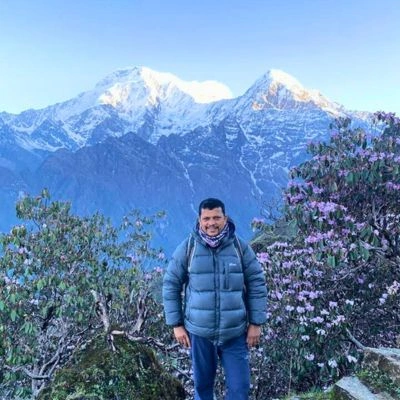
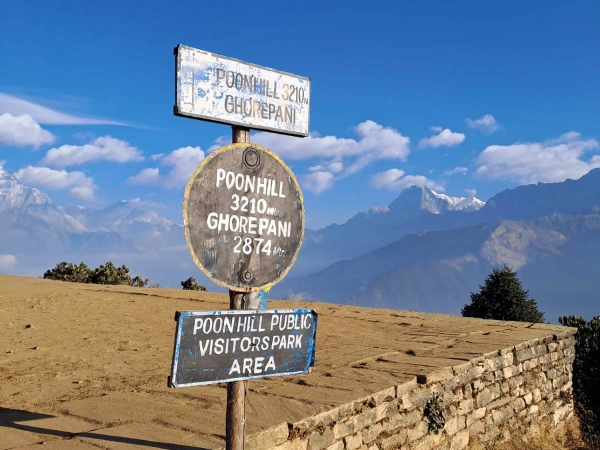
The trail winds through dense rhododendron forests, through Gurung and Magar villages, past terraced fields dusted with morning frost. When you finally climb to Poon Hill at dawn, typically around 5:30 AM, and watch the sun set the Annapurna range ablaze, you will understand why people come back to Nepal year after year.
In winter, the viewpoint is far less crowded than in autumn. On some mornings, I've stood there with just two or three other trekkers, watching Annapurna South, Hiunchuli, and Dhaulagiri glow in the golden light. That intimacy is priceless.
Winter conditions: Snow is possible above Ghorepani (2,800m), especially in January. The trails are generally manageable with gaiters and trekking poles. Teahouses are well-stocked and welcoming.
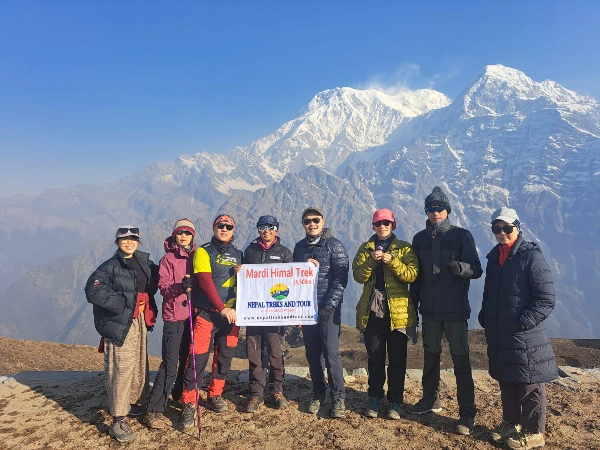
2. Mardi Himal Trek, 7 to 9 Days
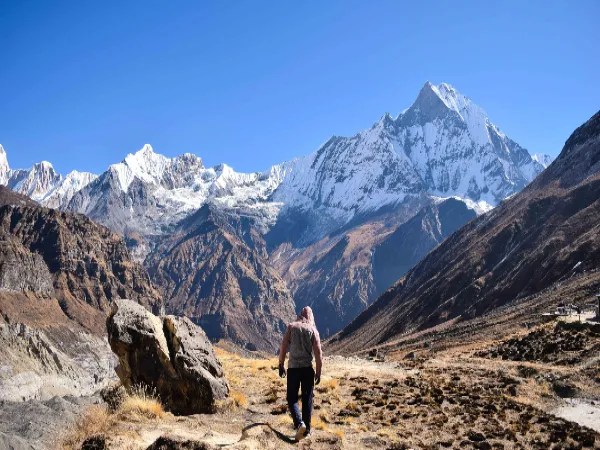
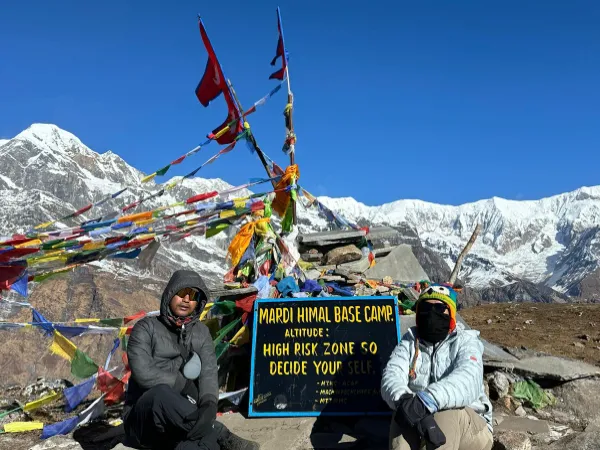
The Mardi Himal Trek remains one of Nepal's best-kept secrets, and that's especially true in winter. This less-traveled route climbs through the Mardi Himal ridge, offering extraordinary close-up views of Machhapuchhre (Fish Tail) and Annapurna South that most trekkers simply never see.
Because the trail sits slightly lower than ABC and sees fewer visitors, winter conditions here are manageable and the experience is deeply peaceful. You're walking through pristine forests, often in complete silence. The snow dusting the upper ridgeline makes the entire landscape feel like something from a dream.
This is the trek I often recommend to travelers who want something genuinely off the beaten path in winter 2026.
Winter conditions: Upper sections (above 3,500m) can have snow. The trail is steep in places, so sturdy footwear is essential.
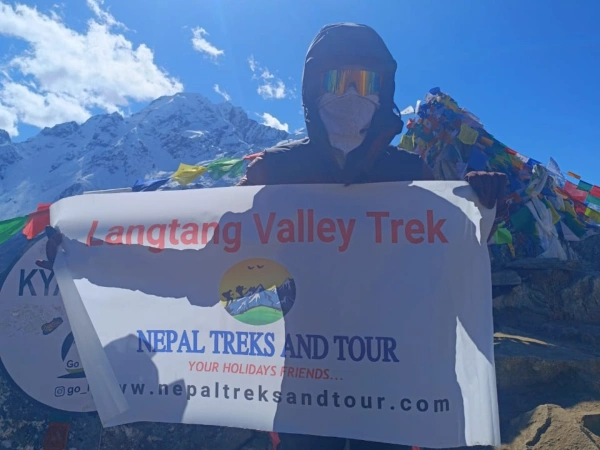
3. Langtang Valley Trek, 7 to 10 Days
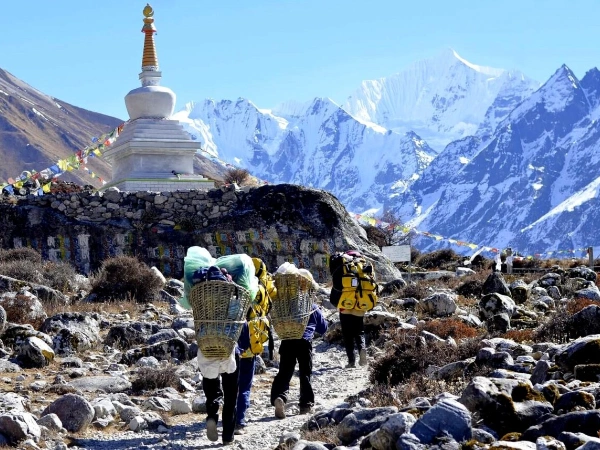
Just a few hours north of Kathmandu, the Langtang Valley Trek is one of the most accessible yet deeply rewarding treks in Nepal. The valley itself, broad, glacier-carved, flanked by towering peaks, feels almost otherworldly in winter.
What makes the Langtang valley so special in December and January is the silence. The summer trekkers are gone. The yaks are down in lower pastures. The villages of Langtang and Kyanjin Gompa feel deeply authentic, and the Tamang cultural heritage here is rich and warm. The Kyanjin Cheese Factory produces one of the best yak cheeses you'll ever taste, even better enjoyed beside a warm teahouse fire on a cold winter afternoon.
The views of Langtang Lirung (7,227m) reflected in the frozen landscape are the kind of images that stay with you for a lifetime.
Winter conditions: Kyanjin Gompa (3,870m) will be cold and potentially snowy in January–February. This is one of the higher-altitude winter treks, so proper acclimatization is important.
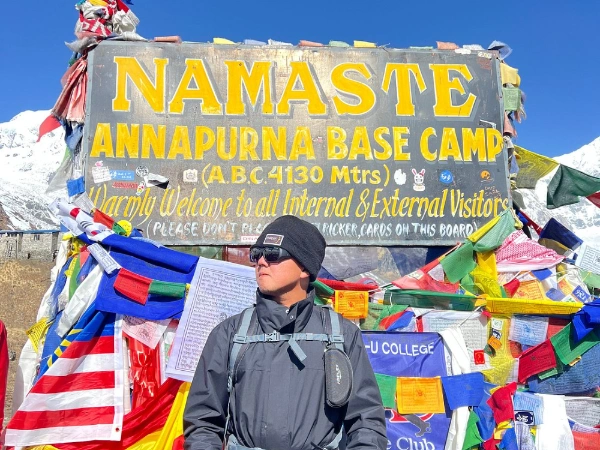
4. Annapurna Base Camp Trek, 10 to 13 Days
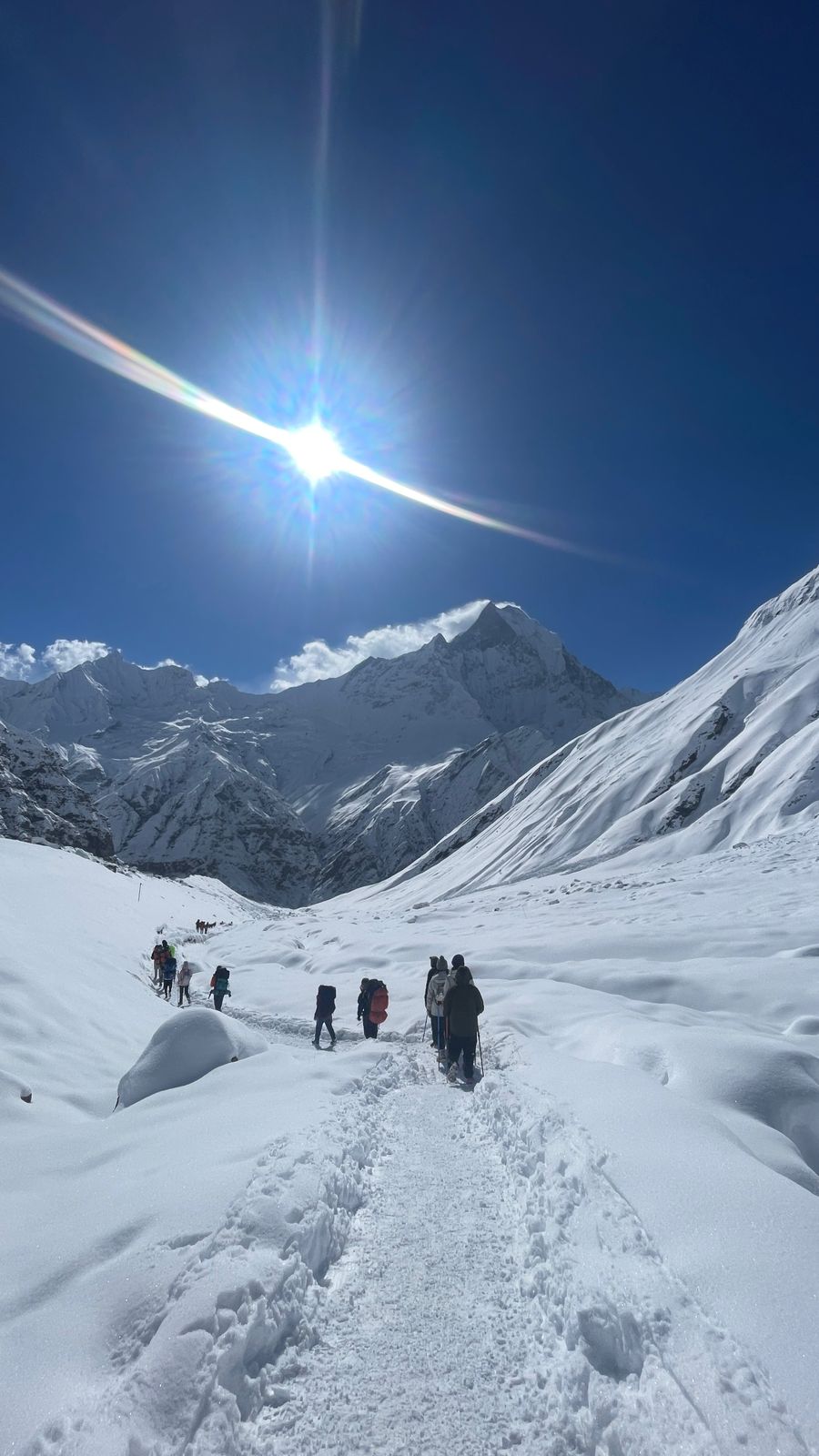
The Annapurna Base Camp (ABC) Trek is undeniably challenging in winter, but for those who are well-prepared and guided by experienced professionals, it delivers some of the most breathtaking mountain scenery on earth.
Standing in the ABC amphitheater at 4,130m, surrounded by a ring of Himalayan giants, Annapurna I (8,091m), Annapurna South, Gangapurna, Hiunchuli, in deep winter silence with fresh snow underfoot… I struggle to find words for it. It's one of those experiences that changes you.
In winter 2026, teahouse facilities along the ABC trail have improved significantly. Most lodges now have proper heating facilities and winter menus with hearty, warming meals. That said, this trek requires good fitness, proper gear, and absolutely a knowledgeable guide.
Winter conditions: Snow is common above Deurali (3,230m) in January and February. Some sections require microspikes or crampons. The trail can be closed briefly after heavy snowfall.
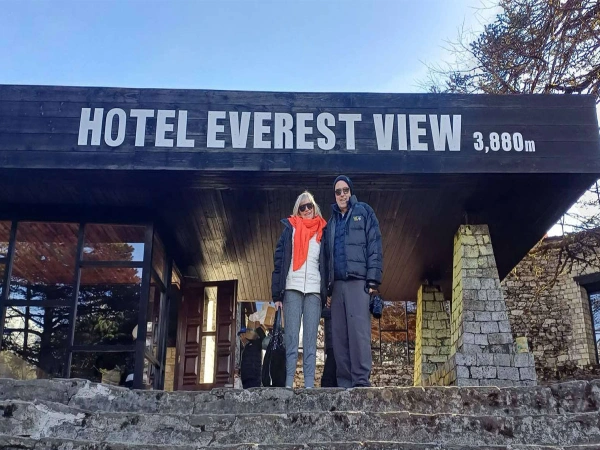
5. Everest View Trek, 7 to 9 Days
Not everyone wants, or needs, to push all the way to Everest Base Camp. And honestly, for a winter trek, the Everest View Trek to Namche Bazaar and the Everest View Hotel (3,962m) is a brilliant choice.
This route takes you through the storied Khumbu region, crossing the Hillary Suspension Bridge, climbing through Sagarmatha National Park's ancient forests, exploring the Sherpa trading hub of Namche Bazaar, and arriving at a viewpoint where Everest, Lhotse, Nuptse, Ama Dablam, and Thamserku are laid out before you in extraordinary clarity.
In winter, the high altitude air in the Khumbu is particularly clear. The visibility from Everest View Hotel and Kala Patthar (if you choose to extend) is nothing short of phenomenal.
Winter conditions: Manageable up to Namche. Above Namche, temperatures drop sharply. Comfortable teahouses are available throughout.
6. Helambu Trek, 5 to 7 Days
The Helambu Trek is one of the most underappreciated treks in Nepal, and it's perfectly suited to winter. Located northeast of Kathmandu, the Helambu region offers a gentle, culturally rich walk through Hyolmo (Yolmo) Buddhist communities, ancient monasteries, and quiet forest trails.
This is a lower-altitude trek, most of the route sits between 1,500m and 3,500m, making it ideal for winter days that are cold but clear. The villages of Tarkeghyang and Shermathang are home to ancient gompas and warm-hearted communities who maintain some of the most beautifully preserved Buddhist traditions in Nepal.
For trekkers who want a cultural, spiritual, and physically accessible winter adventure, Helambu is often my first recommendation.
Winter conditions: Very manageable. Light snow possible above 3,000m. A wonderful option for first-time winter trekkers.
7. Khopra Ridge Trek, 8 to 10 Days
The Khopra Ridge Trek is a newer, less-traveled route that we at Nepal Treks and Tour are genuinely excited about, especially for winter. This off-the-beaten-path adventure climbs to the Khopra Danda ridge at 3,660m, offering astonishing close-range views of Dhaulagiri (8,167m) and the Annapurna massif.
Because this route is still relatively undiscovered, even in the busy autumn season it's quiet. In winter, it's gloriously solitary. Community homestays along the route offer a deeply local experience, sharing meals with Magar families, hearing stories of these mountains from people who've lived among them for generations.
In 2026, sustainable community tourism on the Khopra Ridge has been growing, with locally-run lodges reinvesting tourism income directly into the community. Trekking here in winter is a choice that feels genuinely good.
Winter conditions: Khopra Danda (3,660m) can see snow. Lower sections are comfortable. A guide is strongly recommended.
Advantages of Winter Trekking in Nepal
If you need more convincing, and I hope you don't after those trail descriptions, here are the very real, practical advantages of choosing Nepal winter trekking in 2026:
Fewer crowds, more connection. The autumn trekking season brings tens of thousands of visitors to popular routes. In winter, trails are beautifully quiet. You walk at your own pace. Teahouse owners have time for you. The mountains feel personal.
Crystal-clear mountain views. Post-monsoon dust has fully settled by December. The winter skies are some of the clearest of the year, and mountain visibility is extraordinary. If you want that awe-inspiring, jaw-dropping Himalayan panorama in sharp detail, winter delivers.
Better teahouse experience. With fewer guests, teahouse owners treat you like family. You get better rooms, better food prepared with care, and conversations that would never happen during the autumn rush.
More affordable trekking. Many teahouses offer lower rates in winter, and trekking permit costs remain the same year-round. With Nepal Treks and Tour's winter packages, you often get excellent value compared to peak season.
Personal achievement. There's an honest satisfaction in completing a winter trek. It asks a little more of you, and rewards you in equal measure.
Challenges of Winter Trekking and How to Prepare
I believe in honest guidance. So let me tell you about the real challenges too.
Cold is genuine. Temperatures at altitude are serious. Nights at 3,000m+ can feel brutal without the right gear. This is not a reason to stay home, it's a reason to prepare properly.
Some high passes may close. Thorong La (5,416m) on the Annapurna Circuit and Cho La (5,420m) in the Khumbu can be impassable in heavy snow. If your route includes a high pass, you must have a flexible itinerary and a guide who monitors conditions daily.
Shorter days. Daylight hours in December–January are shorter, meaning earlier starts and earlier finishes. Good planning is key.
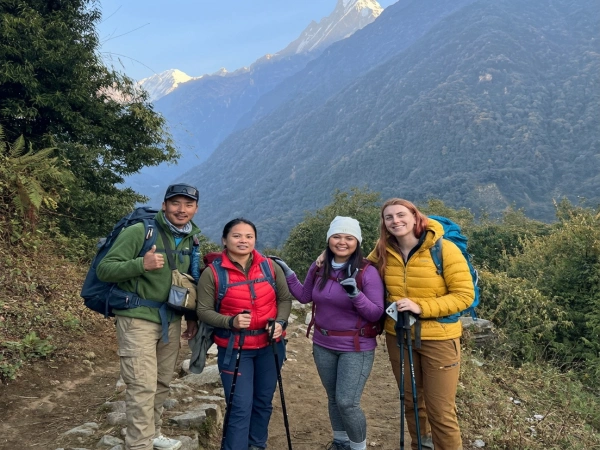
Fewer trekkers on trail means fewer people to help. This makes a guide particularly valuable in winter. If you fall, twist an ankle, or face unexpected weather on a quiet winter trail, having an experienced guide with you is the difference between a minor setback and a serious situation.
How to prepare: Hire a qualified local guide (we'll say more about that below). Invest in good gear. Allow extra buffer days in your itinerary. And listen to the mountain, it always tells you what it needs.
Essential Packing List for Winter Treks in Nepal
Pack smart. Here's what I personally recommend for a winter trek in Nepal:
Clothing:
- Moisture-wicking thermal base layers (top and bottom)
- Mid-layer fleece or lightweight down jacket
- Heavy down jacket (for evenings, high altitude, camp)
- Windproof and waterproof outer shell jacket and pants
- Trekking pants (at least two pairs)
- Warm hat, balaclava, and buff/neck gaiter
- Insulated gloves and waterproof over-mitts
- 3–4 pairs of wool trekking socks (merino is excellent)
Footwear:
- Waterproof, ankle-supporting trekking boots (broken in before you arrive)
- Gaiters (essential for snowy sections)
- Camp sandals or lightweight shoes for evenings
Gear:
- Trekking poles (invaluable on icy sections)
- Headlamp with extra batteries
- Down sleeping bag rated to -15°C (or rent from us in Kathmandu/Pokhara)
- Daypack (25–35L)
- Large duffel bag for your porter to carry
Health and safety:
- Basic first aid kit
- Diamox (acetazolamide) for altitude, prescribed by your doctor
- High-SPF sunscreen and lip balm (UV at altitude is intense)
- Water purification tablets or a filter
- Reusable water bottle and insulating cover
Electronics:
- Power bank (cold drains batteries fast)
- Camera or phone with a good case
- Universal plug adapter
Tips from Nepal Treks and Tour Experts
After years of guiding winter treks, here's what we've learned:
Start your trek days early. Mornings are cold but often spectacularly clear. Afternoons can bring cloud cover at higher elevations, especially by February. An early start means the best light, the best views, and more time to cover ground safely.
Hydration matters more than you think in cold weather. People often forget to drink enough water when it's cold because they don't feel thirsty. Dehydration worsens altitude sickness. Drink consistently throughout the day.
Let your body lead the pace. The golden rule of altitude trekking, "trek high, sleep low", applies all year. In winter, be even more willing to take an extra acclimatization day. There's no trophy for going fast.
Respect the cold at camp. Those first five minutes stepping outside before sunrise are the coldest you'll feel. Dress in all your layers before you leave the teahouse. You can always remove layers once you're moving.
Trust your guide. Our Nepal Treks and Tour guides are local professionals who know these mountains in every season. When a guide recommends changing a plan due to weather or trail conditions in winter, that recommendation comes from experience, not caution.
Why Choose Nepal Treks and Tour
We are Nepal Treks and Tour, a team of passionate, locally-rooted trekking professionals based in Nepal. We've been guiding adventurers through these mountains for years, through every season, and we genuinely believe that our connection to this land and its people is what makes the difference.
When you trek with us in winter, you're not just buying a package. You're getting:
- Experienced local guides who have trekked these routes through multiple winters and know how to read the mountain and the weather.
- Customized winter itineraries designed around your fitness, interests, and schedule, not a one-size-fits-all template.
- Up-to-date trail intelligence, we know which sections have snow, which teahouses are open, and exactly what to expect on your route before you set foot on it.
- Responsible, sustainable trekking practices, we work with local teahouses, local porters, and community businesses to ensure your trek genuinely benefits mountain communities.
- Full support from arrival in Kathmandu or Pokhara to the moment you return. Permits, accommodation, transfers, equipment advice, we handle everything.
In 2026, we've also expanded our winter trekking packages with more short-trek options (under 10 days), responding to the growing trend of travelers who want a meaningful Himalayan experience within a limited travel window. Whether you have 5 days or 20, we'll build the perfect winter trek for you.
The Himalayas Are Waiting, And They're Most Beautiful When They're Quiet
I want to take you back to that morning on Poon Hill. The golden light on the summits. The prayer flags snapping in the wind. The silence, that profound, sacred silence that you only find in the high mountains in winter.
You could be standing there. Not reading about it. Not watching someone else's video. You, with your boots in the snow and the Himalayas right in front of you.
Winter trekking in Nepal isn't for everyone, and I won't pretend it is. It asks for a little courage, a little preparation, and a willingness to step outside your comfort zone into the beautiful cold. But the trekkers who come back from a winter trek in Nepal, without exception, all say the same thing.
"I had no idea it would be this good."
The mountains are quieter in winter. The skies are clearer. The trails belong to you. And the Himalayas, in their winter coat of snow and silence, are more magnificent than you've ever imagined.
Ready to Trek Nepal This Winter?
We'd love to help you plan the winter Himalayan adventure you've been dreaming about.
Contact Nepal Treks and Tour today for your personalized winter trekking package. Whether you're a first-time trekker or a seasoned Himalayan explorer, we'll design an itinerary that's right for you.
📧 Email us at: [email protected] 🌐 Visit: nepaltreksandtour.com 📱 WhatsApp / Call: [+9779851013072]
Don't wait for the perfect season. The perfect season is the one you're brave enough to try.
Frequently Asked Questions (FAQs), Winter Trekking in Nepal
Q1: Is winter a good time for trekking in Nepal? Yes, absolutely. Winter (December–February) is one of the best times for trekking in Nepal for those who want clear mountain views, quiet trails, and an authentic Himalayan experience. With proper gear and a good guide, winter trekking in Nepal is safe, rewarding, and truly memorable.
Q2: Which are the best winter treks in Nepal in 2026? The best winter treks in Nepal for 2026 include the Ghorepani Poon Hill Trek, Mardi Himal Trek, Langtang Valley Trek, Annapurna Base Camp Trek, Everest View Trek, Helambu Trek, and Khopra Ridge Trek. Shorter, lower-altitude treks like Poon Hill and Helambu are ideal for first-time winter trekkers.
Q3: How cold does it get during winter trekking in Nepal? Temperatures vary by altitude. At lower elevations (1,000–2,500m), daytime temperatures are around 8–18°C. At mid-altitude (2,500–3,500m), nights drop to -5°C to -10°C. Above 3,500m, nights can fall to -15°C or colder. Proper layering and insulated gear are essential.
Q4: Do I need a guide for winter trekking in Nepal? While some treks don't legally require a guide, we strongly recommend hiring a professional local guide for winter trekking. Trails are quieter, conditions can change, and a knowledgeable guide provides safety, cultural insight, and peace of mind that is invaluable in winter conditions.
Q5: Are teahouses open during winter trekking in Nepal? Yes. On popular routes like Ghorepani Poon Hill, Langtang Valley, and the Everest View Trail, teahouses remain open throughout winter. Facilities have improved significantly in recent years, with many lodges now offering heated dining areas and better bedding. Some very remote teahouses may close in deep winter.
Q6: What is the best winter trek in Nepal for beginners? The Ghorepani Poon Hill Trek (5–7 days) and the Helambu Trek (5–7 days) are the best winter treks for beginners. They are lower in altitude, well-serviced by teahouses, and offer spectacular mountain views without the extreme cold of higher routes.
Q7: Do I need trekking permits in winter in Nepal? Yes. Trekking permits are required year-round in Nepal. Most popular treks require a TIMS (Trekkers' Information Management System) card and a conservation area or national park permit. Nepal Treks and Tour handles all permit arrangements for our clients.
Q8: Is Everest Base Camp Trek possible in winter? Yes, but it is challenging. The EBC route above Namche Bazaar is cold and can see significant snowfall in January and February. The trek is possible for experienced, well-equipped trekkers with a professional guide and flexible itinerary. The Everest View Trek is a wonderful winter alternative for those who want the Khumbu experience without the extreme altitude.
Q9: What should I pack for a winter trek in Nepal? Essential items include thermal base layers, a heavy down jacket, waterproof outer shell, insulated trekking boots, gaiters, trekking poles, a warm sleeping bag (-15°C rated), sunscreen, a headlamp, and a power bank. Our team at Nepal Treks and Tour provides a detailed packing list for every specific route.
Q10: How do I book a winter trekking package with Nepal Treks and Tour? Simply visit nepaltreksandtour.com or email us at [email protected]. Our team will respond quickly to help you choose the right trek, customize your itinerary, and handle all logistics so you can focus on enjoying your adventure.