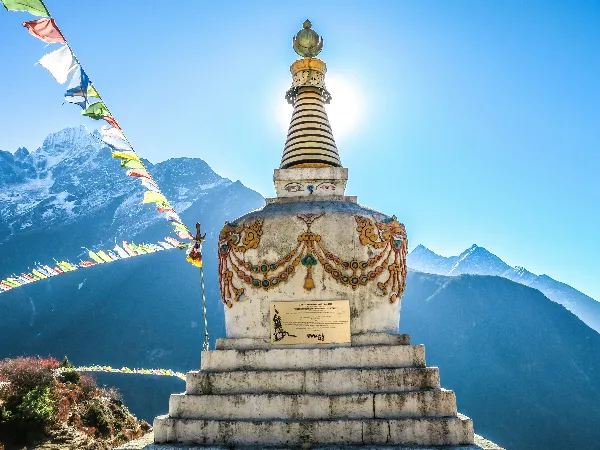
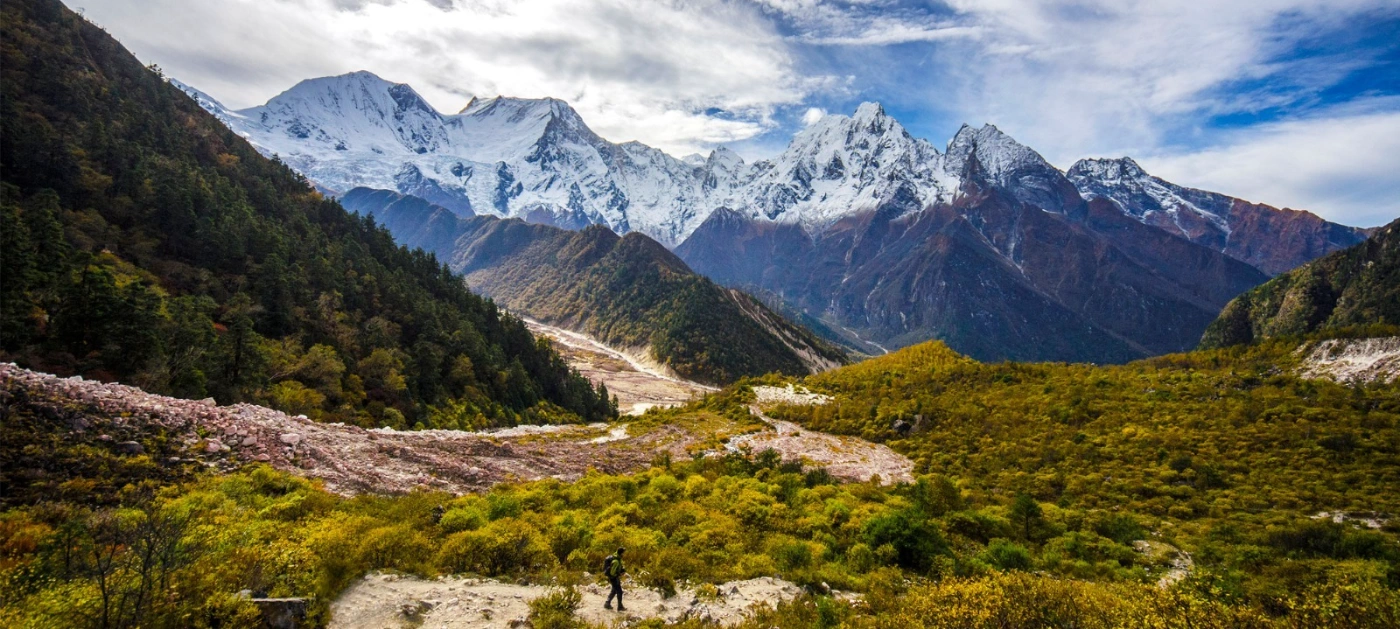
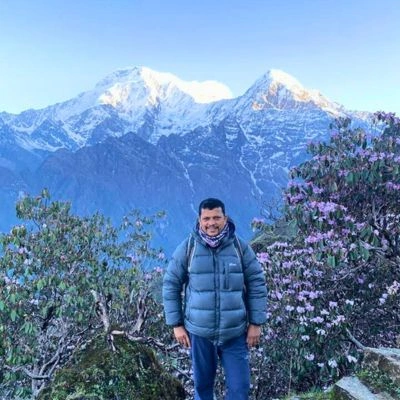
Nepal is one of the best trekking destinations in the world, famous for its breathtaking Himalayan views, diverse landscapes, and unforgettable hiking experiences. From legendary routes like Everest Base Camp and Annapurna to peaceful village trails and alpine lakes, Nepal offers trekking options for every type of traveler, from beginners to experienced trekkers.
One of the biggest reasons Nepal is called a trekker’s paradise is its variety. You can choose short and easy treks like Ghorepani Poon Hill or Langtang Valley, or take on challenging high-altitude adventures such as the Manaslu Circuit and Kanchenjunga Base Camp. Every trek in Nepal combines mountain scenery, natural beauty, and cultural experiences in local villages along the trail.
In this guide, we will explore the 10 best hiking trails in Nepal, including route highlights, difficulty levels, permits, best seasons, and practical trekking tips. Whether you are planning your first trek in the Himalayas or looking for your next big challenge, this list will help you choose the perfect trekking trail in Nepal.
1. Everest Base Camp Trek
Duration: 12–14 days
Difficulty: Moderate to strenuous
Highlights: Everest, Kala Patthar, Namche Bazaar, Sagarmatha National Park
Why It’s Special: The world-famous trek offers iconic views of Everest and the opportunity to experience Sherpa culture firsthand.
Expert Tip: Trek with Nepal Treks and Tour guides to manage altitude acclimatization safely.
2. Annapurna Circuit Trek
Duration: 14–18 days
Difficulty: Moderate to challenging
Highlights: Thorong La Pass, Muktinath Temple, diverse landscapes from subtropical forests to alpine deserts
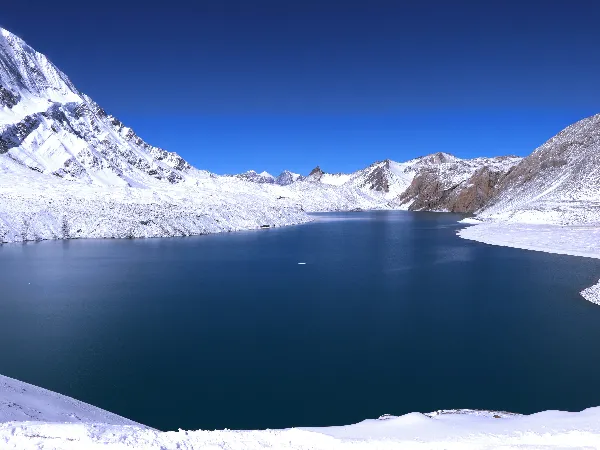
Expert Tip: Extend your trek with a side trip to Tilicho Lake for one of the world’s highest alpine lakes.
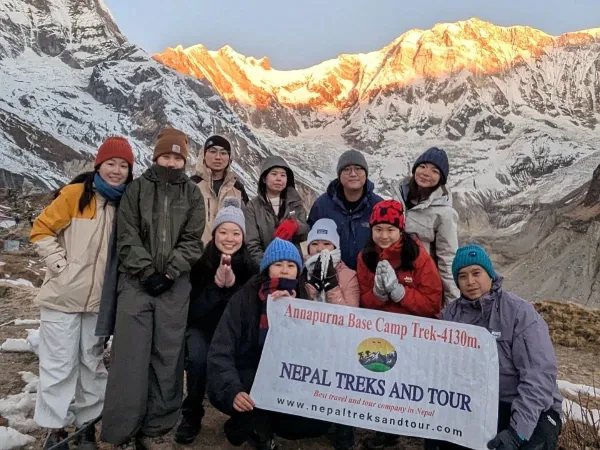
3. Annapurna Base Camp Trek
Duration: 7–11 days
Difficulty: Moderate
Highlights: Sunrise over Annapurna I, Machapuchhre (Fishtail), hot springs at Jhinu Danda
Expert Tip: Ideal for shorter treks; Nepal Treks and Tour guides optimize your itinerary for scenic highlights and minimal fatigue.
4. Manaslu Circuit Trek
Duration: 14–16 days
Difficulty: Challenging
Highlights: Larke Pass, remote Tibetan-influenced villages, pristine wilderness
Permit Note: Requires restricted area permits. Nepal Treks and Tour handles all official paperwork.
Expert Tip: Perfect for trekkers seeking a less crowded, authentic Himalayan experience.
5. Langtang Valley Trek
Duration: 7–10 days
Difficulty: Moderate
Highlights: Kyanjin Gompa, Tserko Ri, Tamang culture, Langtang National Park
Expert Tip: A short trek near Kathmandu, ideal for beginners and families. Post-2015 earthquake trails are fully restored and safe.
6. Ghorepani Poon Hill Trek
Duration: 4–5 days
Difficulty: Easy to moderate
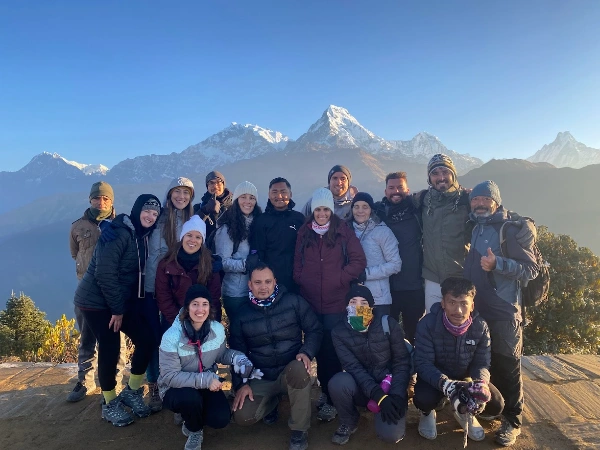
Highlights: Poon Hill sunrise, Annapurna and Dhaulagiri ranges, Gurung villages
Expert Tip: Beginner-friendly trek, perfect for families. Nepal Treks and Tour ensures a safe and smooth experience.
7. Upper Mustang Trek
Duration: 12–14 days
Difficulty: Moderate
Highlights: Lo Manthang, desert-like Himalayan terrain, Tibetan culture
Permit Note: Restricted area permits required; Nepal Treks and Tour provides full support.
8. Gokyo Lakes Trek
Duration: 12–15 days
Difficulty: Moderate
Highlights: Turquoise Gokyo Lakes, summit of Gokyo Ri, Everest, Cho Oyu, Makalu views
Expert Tip: Less crowded than Everest Base Camp, perfect for trekkers seeking solitude and spectacular scenery.
9. Mardi Himal Trek
Duration: 5–7 days
Difficulty: Moderate
Highlights: Close-up views of Machapuchhre, rhododendron forests, quiet trails
Expert Tip: Hidden gem of the Annapurna region; ideal for photographers and nature lovers.
10. Kanchenjunga Base Camp Trek
Duration: 20–25 days
Difficulty: Strenuous
Highlights: Remote wilderness, third-highest peak, diverse ecosystems
Expert Tip: Recommended for experienced trekkers. Nepal Treks and Tour manages logistics, high-altitude safety, and camping arrangements.
Nepal offers something for every trekker. From short scenic treks like Poon Hill to challenging expeditions like Kanchenjunga, each route promises unforgettable Himalayan experiences. With Nepal Treks and Tour, you get expert guidance, safe itineraries, and insider knowledge—making your trek memorable, safe, and life-changing.
Best Time for Hiking in Nepal
Nepal is a year-round trekking destination, but the best time for hiking depends on your preferred route, weather conditions, and scenic interests. Trekking with Nepal Treks and Tour, you can plan your journey to match both your comfort and adventure goals.
Spring (March – May) – The Most Popular Season
Weather: Mild temperatures with stable skies.
Highlights: Blooming rhododendrons in Langtang, Annapurna, and Ghorepani Poon Hill regions.
Best For: All major treks including Everest Base Camp Trek, Annapurna Circuit, and Mardi Himal Trek.
Tips: Carry light layers and sun protection; trails are busy due to peak season.
Autumn (September – November) – Clear Skies & Spectacular Views
Weather: Crisp, clear skies after the monsoon; ideal visibility of Himalayan peaks.
Highlights: Perfect time for Everest Base Camp, Annapurna, and Manaslu Circuit for panoramic vistas.
Best For: High-altitude treks and photographers seeking unobstructed mountain views.
Tips: Book accommodations in advance; this is the most crowded trekking season.
Winter (December – February) – Peaceful & Less Crowded
Weather: Cold temperatures, especially above 3,000m, but clear skies.
Highlights: Lower-altitude treks like Ghorepani Poon Hill, Langtang Valley, and Mardi Himal Trek are ideal.
Best For: Trekkers looking for quiet trails and fewer tourists.
Tips: Use warm gear; some high passes like Thorong La Pass may be snowbound and inaccessible.
Monsoon (June – August) – Lush Greenery & Adventure
Weather: Heavy rainfall in most regions; some trails may be slippery or prone to landslides.
Highlights: Rain-shadow regions like Upper Mustang, Dolpo, and Manang remain dry.
Best For: Trekkers seeking less crowded, off-the-beaten-path treks.
Tips: Bring rainproof gear; avoid slippery trails unless experienced.
Key Tips for Choosing the Best Season
Scenic Interest: Spring for flowers, autumn for clear views, monsoon for greenery, winter for solitude.
Altitude Considerations: High passes (Thorong La, Larke Pass) are safest in autumn and spring.
Permits & Accessibility: Some restricted areas like Upper Mustang have fixed entry periods. Nepal Treks and Tour handles all logistics efficiently.
The best time for hiking in Nepal varies with your preferences and trek choice. For most trekkers, spring and autumn offer the optimal combination of weather, scenery, and trail accessibility. Nepal Treks and Tour ensures your trek is planned perfectly for the season, with proper guidance, gear, and accommodations to make every Himalayan adventure safe, scenic, and unforgettable.
Essential Trekking Tips from the Trail
Trekking in Nepal can be a life-changing experience, but it comes with challenges—high altitudes, unpredictable weather, and rugged terrain. At Nepal Treks and Tour, we’ve guided thousands of trekkers across the Himalayas and compiled proven tips from the trail to ensure your journey is safe, enjoyable, and unforgettable.
Acclimatize Properly to Avoid Altitude Sickness
Tip: Follow the “Climb High, Sleep Low” principle to let your body adjust.
Details: Altitude sickness can affect anyone, even experienced hikers. Include rest days at Namche Bazaar, Dingboche, or other high villages.
Expert Insight: Carry altitude sickness medication and oxygen if trekking to high passes like Thorong La or Larke Pass.
Pack Smart, Not Heavy
Essential Gear:
Layered clothing for varying temperatures
Waterproof jacket and trekking boots
Sleeping bag rated for sub-zero temperatures
Trekking poles for steep or slippery terrain
Expert Insight: Overpacking slows you down and increases fatigue. Nepal Treks and Tour provides gear checklists for every trek.
Hydrate and Eat Well on the Trail
Tip: Drink 3–4 liters of water per day and eat balanced meals.
Expert Insight: Avoid alcohol at high altitudes. Snacks like nuts, energy bars, and dried fruits help maintain energy.
Follow Local Guidance and Respect Culture
Tip: Trek with licensed guides like Nepal Treks and Tour.
Details: Guides know safe routes, cultural norms, and weather patterns. Respect local customs, monasteries, and village etiquette.
Know the Weather and Trail Conditions
Tip: Check local weather daily.
Details: Trails can be slippery during monsoon; snow may block high passes in winter. Your guide can help adjust your itinerary to avoid hazards.
Keep Your Electronics Safe
Tip: Protect cameras, phones, and batteries from cold and moisture.
Expert Insight: Cold drains batteries quickly. Carry spare batteries in an inner pocket close to your body.
Pace Yourself, Don’t Rush
Tip: Trek at a pace you can sustain.
Details: Short, steady hikes reduce fatigue and help with altitude adjustment. Overexertion increases the risk of injuries.
Emergency Preparedness
Tip: Always carry a first-aid kit, trekking insurance details, and a map.
Expert Insight: Nepal Treks and Tour provides guides trained in first aid and emergency evacuation protocols for high-altitude treks.
Respect Nature
Tip: Follow “Leave No Trace” principles.
Details: Avoid littering, stay on marked trails, and minimize impact on fragile alpine ecosystems.
Trust Local Expertise
Tip: Your guide is your most valuable resource.
Details: Weather, trail conditions, and cultural insights can change daily. Nepal Treks and Tour guides provide real-time advice and support.
Trekking in Nepal is rewarding but requires preparation, patience, and respect for the mountains and local culture. Following these essential trekking tips from the trail, combined with the guidance of Nepal Treks and Tour, ensures a safe, memorable, and life-enriching Himalayan adventure.
Nepal’s hiking trails offer a perfect mix of stunning Himalayan views, beautiful landscapes, and rich local culture. Whether you choose Everest Base Camp, Ghorepani Poon Hill, or Kanchenjunga Base Camp, every trek brings a unique and unforgettable experience. With Nepal Treks and Tour, you get expert guides, proper acclimatization, and full support for a safe and comfortable journey. Trekking in Nepal is more than just walking—it’s a life-changing adventure in the heart of the Himalayas.
FAQs
Q1: Which are the easiest trekking trails in Nepal for beginners?
A: Ghorepani Poon Hill, Langtang Valley, and Mardi Himal are the easiest treks for beginners in Nepal.
Q2: What is the best time to hike in Nepal?
A: The best time to hike in Nepal is spring (March–May) and autumn (September–November).
Q3: Do I need permits for trekking in Nepal?
A: Yes, most treks in Nepal require permits such as TIMS, ACAP, or restricted area permits.
Q4: Which trek is best for a high-altitude experience?
A: Everest Base Camp Trek and Manaslu Circuit Trek are the best high-altitude treks in Nepal.
Q5: How long do Nepal’s top trekking trails take?
A: Most treks take between 4 and 14 days, while remote treks can take 20+ days.
Q6: Can families or seniors trek in Nepal?
A: Yes, easy treks like Poon Hill are suitable for families and seniors.
Q7: Do I need a guide for trekking in Nepal?
A: A guide is recommended for safety, permits, and better trekking support.
Q8: What is the cost of trekking in Nepal?
A: Trekking costs usually range from $400 to $3,000+ depending on trek length and services.
Q9: Which trek has the best sunrise views?
A: Poon Hill, Mardi Himal, and Kala Patthar offer the best sunrise views in Nepal.
Q10: What are the biggest challenges while trekking in Nepal?
A: The main challenges are altitude sickness, weather changes, and long walking days.
If you need any further information, please feel free to contact us via email at [email protected] or by phone/WhatsApp at +977-9851013072.