
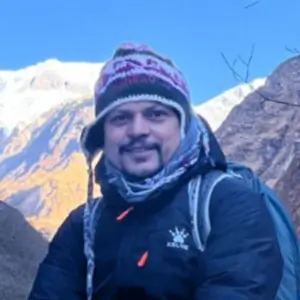
The Ganesh Himal Trek is a true hidden gem, offering a profound sense of adventure away from the busier trails. Based on my many trips there, its greatest strength is the authentic cultural immersion in Tamang and Gurung villages, where you'll experience a way of life largely untouched by mass tourism. The landscapes are incredibly varied, transitioning from lush subtropical valleys to high alpine meadows and crossing a challenging pass with breathtaking Himalayan panoramas.
This trek is best suited for walkers with a good level of fitness who seek a cultural and scenic experience without extreme altitude. You should be comfortable with consecutive days of 5-7 hours on trail that includes significant stone stair sections and one demanding pass day. It is not ideal for those seeking luxury teahouses or guaranteed hot showers. The main highlight, in my professional opinion, is crossing the Sing La Pass (4045m), which reveals a stunning, uninterrupted vista of the Ganesh Himal massif, a reward earned through a solid day's effort.
The trek starts with a drive north from Kathmandu to Trishuli, followed by a rugged jeep track to Satdobato. From here, you walk into a less-traveled region. The initial days involve steady climbs through terraced farms and dense rhododendron forests (spectacular in spring) to reach higher ridges. The trail is a classic Nepali mix of dirt paths, stone steps, and forest tracks. The pass day is strenuous, with a long ascent on rocky terrain and a steep, often muddy descent. Afterwards, the route winds through isolated villages like Shertung and Jharlang, where you'll stay in basic local lodges or camps. The final days follow the picturesque Budi Gandaki river valley before concluding with a drive back to Kathmandu.
Trek Highlights
- Sunrise and panoramic views of Ganesh Himal I (7422m), Ganesh Himal II, and Langtang Lirung from Sing La Pass.
- Deep cultural interaction with Tamang and Gurung communities, known for their hospitality and traditional practices.
- Walking through pristine rhododendron and oak forests, especially vibrant in March and April.
- A moderate-difficulty trek that is less crowded, offering a sense of solitude and discovery.
- Experience staying in simple village lodges, providing a genuine glimpse into local life.
Why Choose This Trek?
- Time Efficiency: A complete wilderness experience in just two weeks, including Kathmandu.
- Authentic Accessibility: Reaches remote-feeling areas without requiring internal flights or very long drives.
- Manageable Challenge: Demanding but achievable for fit hikers; maximum altitude is conservative, reducing AMS risk.
- Cultural Focus: The cultural exposure is integral, not incidental, to the route.
- Scenic Variety: Combines lowland valleys, high passes, and mid-hill villages.