
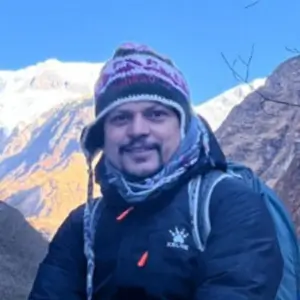
The Jugal Himal Trek is a pure adventure into a remote corner of the Langtang National Park that remains largely untouched by mainstream tourism. As a guide, I value this route for its isolation and the raw, rugged beauty of the Jugal Himal range. Unlike the busy trails to Everest or Annapurna, here you walk through pristine forests, high alpine meadows, and past traditional Tamang villages where life has continued unchanged for centuries. The journey centers around the sacred Panch Pokhari (Five Lakes), a holy pilgrimage site nestled at 4,060 meters.
This trek is best suited for experienced hikers who are comfortable with long days of walking and steep ascents. Because we use camping equipment rather than staying in luxury lodges, you need to be prepared for a rustic experience. It is not ideal for first-time trekkers or those looking for easy teahouse comforts. The terrain is demanding, with significant altitude gains in short distances, making physical fitness and prior trekking experience essential.
The landscape shifts dramatically from the subtropical hills around Chautara to the glacial moraines near Panch Pokhari. You will traverse stone paths, dense rhododendron forests, and open ridges that offer panoramic views of the Himalayas. The main highlight is reaching the five holy lakes, which reflect the surrounding snow-capped peaks. It is a spiritual and visual reward after days of challenging trekking through the wilderness.
Our journey begins with a drive from Kathmandu to Chautara, the district headquarters of Sindhupalchok. From here, the route heads northeast toward the Langtang range but remains distinct from the standard Langtang Valley trail. The trail is undulating and often steep, passing through settlements like Syaule where you will see traditional Tamang culture and farming practices. As we climb higher, the villages give way to summer settlements and shepherds' huts.
Since this is a camping trek, our support crew sets up tents and prepares hot meals daily. The trail is rough in places, consisting of rocky paths and earth tracks that can be muddy after rain. You will walk through dense forests of oak and pine before emerging into the high open pastures of Kami Kharka and Chyochyo Danda. The air gets thinner as we approach Hille Bhanjyang, requiring a steady pace.
The experience at Panch Pokhari is serene. There are no crowds here, just the sound of wind and water. The descent takes us through different landscapes, including the beautiful Temathang valley, where the culture shifts slightly. The trail back to the road involves a long drive on a rough mountain road. Throughout the trek, food is prepared fresh by our kitchen staff, usually consisting of local dal bhat, pasta, and potatoes, providing the energy needed for these long days.
This Trek Highlights
- Panch Pokhari Sunrise: The view of the five sacred lakes with the Jugal Himal peaks as a backdrop.
- Mountain Vistas: Panoramic views of Dorje Lakpa (6,966 m), Madiya (6,257 m), Phurbi Chhyachu (6,637 m), and, on clear days, distant glimpses of the Everest and Langtang ranges.
- Tamang & Sherpa Culture: Immersive experiences in villages like Syaule and Temathang, where ancient Buddhist traditions are part of daily life.
- Diverse Forests: Walking through lush rhododendron, oak, and pine forests, especially vibrant in spring.
- Off-the-Beaten-Path Feel: Enjoy trails shared with a few other trekkers.
- Campsite Ambiance: Nights spent under starry skies at remote campsites like Nosyampati and Chyochyo Danda.
Why Choose This Trek?
- Proximity to Kathmandu: The trailhead is just a half-day drive away, maximizing your time on the trail.
- Moderate Difficulty: Achievable for fit walkers with no technical climbing required.
- Cultural Depth: Strong interaction with the Tamang and Sherpa communities, including visits to monasteries like Bakhang Gompa.
- Scenic Variety: Combines terraced farmlands, dense forests, high alpine meadows, and glacial lakes.
- Full-Service Camping: All camping equipment, meals, and support staff are provided, allowing you to focus on the walk.
- Altitude Strategy: The itinerary includes a dedicated acclimatization day at Hille Bhanjyang (3,720 m) to ensure safety.