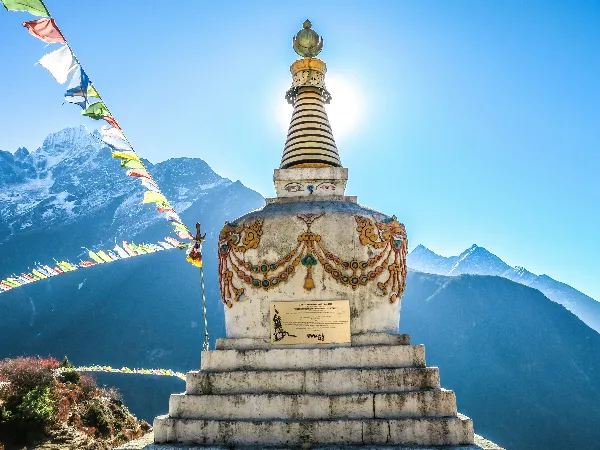
Nepal is not just for adventurers seeking extreme trekking—it is a magical destination for families who want safe, scenic, and cultural Himalayan experiences. This guide highlights the top 3 easy family-friendly treks in Nepal: Ghorepani Poonhill Trek, Everest View Trek, and Langtang Valley Trek. Each trek offers manageable daily distances, teahouse accommodations, and immersive cultural experiences, making them ideal for children, beginners, and family travelers seeking both adventure and comfort.We will cover: trek highlights, difficulty levels, best time to visit, itineraries, local foods, costs, hidden gems, responsible travel tips, and FAQs—everything you need to plan a perfect family trekking adventure in Nepal.
Why Visit Nepal for Family Treks
Nepal is a family-friendly trekking paradise for several reasons:
-
Safety & Accessibility: Most trails are well-marked and have teahouses for overnight stays.
-
Scenic Variety: Snow-capped peaks, alpine meadows, waterfalls, and rivers along the trail.
-
Cultural Immersion: Traditional villages allow children to learn about Gurung, Sherpa, and Tamang cultures.
-
Educational Value: Kids can experience Himalayan wildlife, learn about mountain ecology, and engage with local communities.
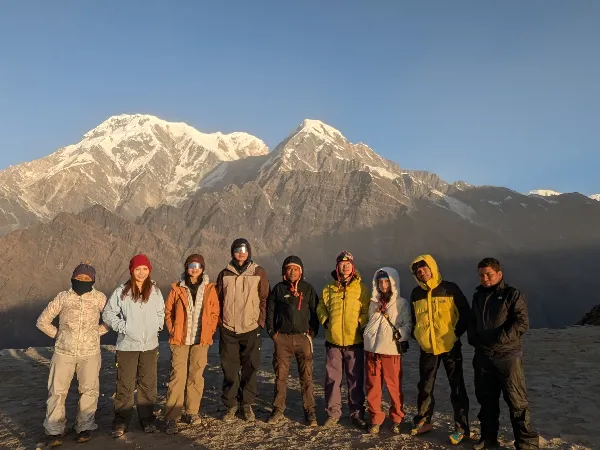
Whether you want to see sunrise over Annapurna, catch a glimpse of Mount Everest, or explore the less-crowded Langtang Valley, Nepal offers unforgettable family-friendly trekking experiences.
Best Time to Visit for Family Treks
Timing your trek is crucial for comfort, safety, and scenic beauty.
-
Spring (March–May): Blooming rhododendrons, mild temperatures, clear skies, and moderate altitude comfort.
-
Autumn (September–November): Post-monsoon freshness, crisp air, and stable weather for clear Himalayan views.
Avoid:
-
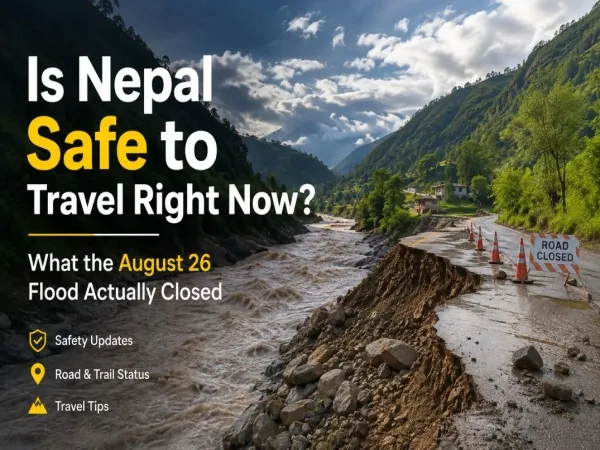
Monsoon (June–August): Risk of landslides, slippery trails, and cloud-obscured views.
-
Winter (December–February): Cold temperatures and snow, challenging for families with children.
Tip: Spring is ideal for flower enthusiasts, while Autumn provides uninterrupted mountain vistas.
Top Things to Do on Family Treks
-
Sunrise Viewpoints: Poonhill (Annapurna), Namche Bazaar (Everest), and Tserko Ri (Langtang).
-
Cultural Experiences: Visit monasteries, local markets, and traditional homes.
-
Wildlife & Nature: Birdwatching, river walks, and alpine flora exploration.
-
Photography: Capture mountain panoramas, local festivals, and teahouse life.
-
Mini Hikes: Side trails for children to explore safely.
Trek Highlights, Difficulty Level & Best Season
1. Ghorepani Poonhill Trek
-
Difficulty Level: Easy to Moderate
-
Best Time: Spring & Autumn
-
Highlights:
-
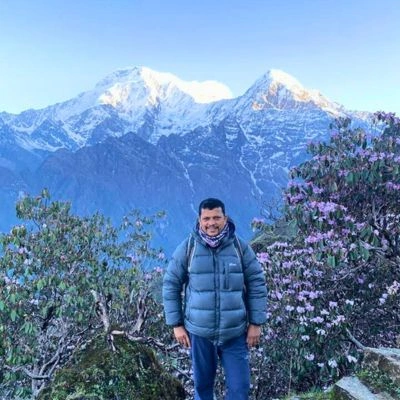
Sunrise over Annapurna and Dhaulagiri
-
Rhododendron forests in bloom
-
Traditional Gurung villages and terraced farmlands
-
Family-friendly teahouses with hot meals
-
Sample 5-Day Itinerary:
-
Day 1: Pokhara → Nayapul → Tikhedhunga
-
Day 2: Trek to Ghorepani via Ulleri
-
Day 3: Sunrise at Poonhill, trek to Tadapani
-
Day 4: Trek to Ghandruk, explore village
-
Day 5: Return to Pokhara
2. Everest View Trek
-
Difficulty Level: Easy
-
Best Time: Spring & Autumn
-
Highlights:
-
Panoramic Mount Everest views from Namche Bazaar and Tengboche
-
Tengboche Monastery cultural visit
-
Sherpa village experiences and yak herding
-
Lush pine and rhododendron forests
-
Sample 6-Day Itinerary:
-
Day 1: Fly to Lukla → Phakding
-
Day 2: Trek to Namche Bazaar
-
Day 3: Acclimatization day with short hikes
-
Day 4: Trek to Tengboche Monastery → Namche
-
Day 5: Trek to Lukla
-
Day 6: Fly back to Kathmandu
3. Langtang Valley Trek
-
Difficulty Level: Moderate
-
Best Time: Spring & Autumn
-
Highlights:
-
Kyanjin Gompa Monastery
-
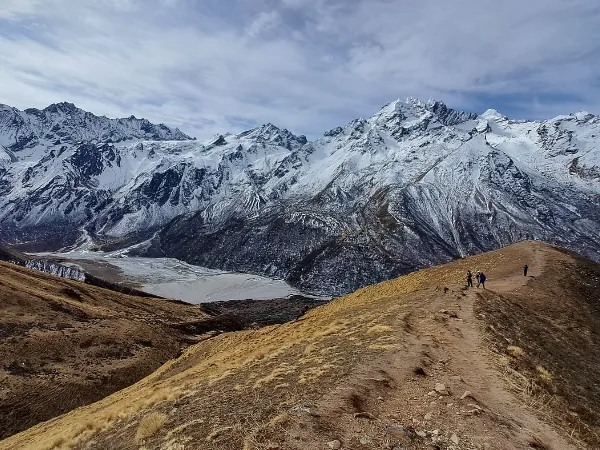
Langtang Lirung & Tserko Ri viewpoints
-
Tamang village cultural immersion
-
Alpine meadows, rivers, and Himalayan wildlife
-
Sample 7-Day Itinerary:
-
Day 1: Kathmandu → Syabrubesi
-
Day 2: Trek to Lama Hotel
-
Day 3: Trek to Langtang Village
-
Day 4: Trek to Kyanjin Gompa
-
Day 5: Hike to Tserko Ri → Kyanjin
-
Day 6: Trek to Lama Hotel
-
Day 7: Return to Kathmandu
Hidden Gems Only Locals Know
-
Ghorepani: Sunrise from a ridge near Poonhill avoids crowds.
-
Everest View Trek: Visit Khumjung Village to see the famous Yeti skull.
-
Langtang: Side trails lead to peaceful glacier viewpoints and meadows.
Tip: Ask local guides for hidden spots; these often make for the best family photo opportunities.
Local Food to Try
-
Dal Bhat: Rice and lentil staple with vegetables and sometimes meat.
-
Momos: Steamed or fried dumplings with local fillings.
-
Thukpa: Himalayan noodle soup, warming after a day of trekking.
-
Yak Cheese & Butter Tea: Specialty in Langtang and high-altitude villages.
Travel Costs & Budget Tips
-
Daily Trek Budget: $25–$50 per person (meals and teahouse stay).
-
Flights: Kathmandu → Lukla ($150–$200 round trip) for Everest Trek.
-
Guides/Porters: $20–$30/day per guide, $15/day per porter.
-
Tips: Carry cash for remote villages; book teahouses and flights early during peak season.
How to Get There
-
Ghorepani Poonhill: 1.5–2 hours drive from Pokhara to Nayapul → trek.
-
Everest View Trek: Fly Kathmandu → Lukla → trek.
-
Langtang Valley Trek: 6–7 hours drive from Kathmandu → Syabrubesi → trek.
Where to Stay
-
Pokhara/Kathmandu: Family-friendly hotels with amenities.
-
Along Trek: Teahouses in Ghorepani, Namche Bazaar, Langtang Village.
-
Booking Tip: Reserve in peak season to secure rooms and family accommodations.
Responsible Travel Tips
-
Respect local culture and monasteries.
-
Reduce plastic usage, carry refillable bottles.
-
Stay on marked trails to protect wildlife and forest areas.
-
Support local economies by hiring guides and buying handicrafts.
FAQs Travelers Ask
Q1: Are these treks safe for children?
A: Yes, all three treks have well-marked trails, moderate altitudes, and teahouses, making them safe for families.
Q2: How many days do I need?
A: Ghorpani Poonhill: 4–6 days, Everest View Trek: 5–6 days, Langtang Valley: 7–10 days.
Q3: Which trek has the best mountain views?
A: Poonhill offers sunrise over Annapurna, Everest View Trek shows Mount Everest panoramas, and Langtang Valley Trek showcases Langtang Lirung & glaciers.
Q4: When is the best season?
A: Spring (March–May) and Autumn (September–November).
Q5: Do we need guides for family treks?
A: Guides are recommended for navigation, cultural insights, and safety, especially for families with children.
Ready to plan your family Himalayan adventure? Reach out now to customize your itinerary, book guides and porters, and secure family-friendly teahouses for a smooth, unforgettable trekking experience.