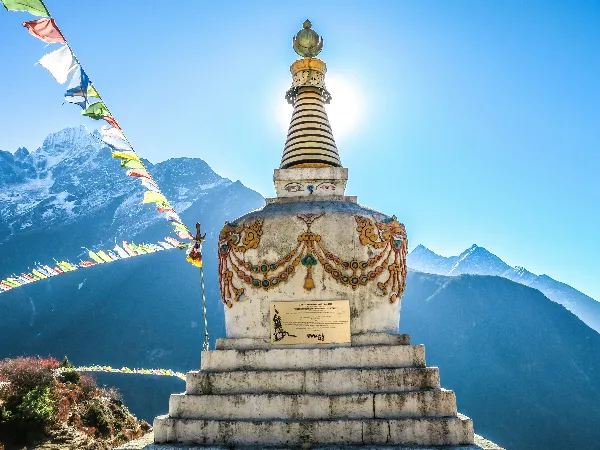
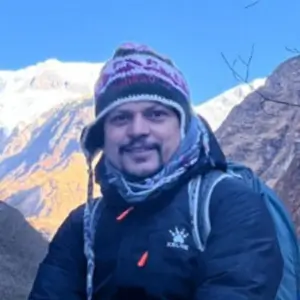
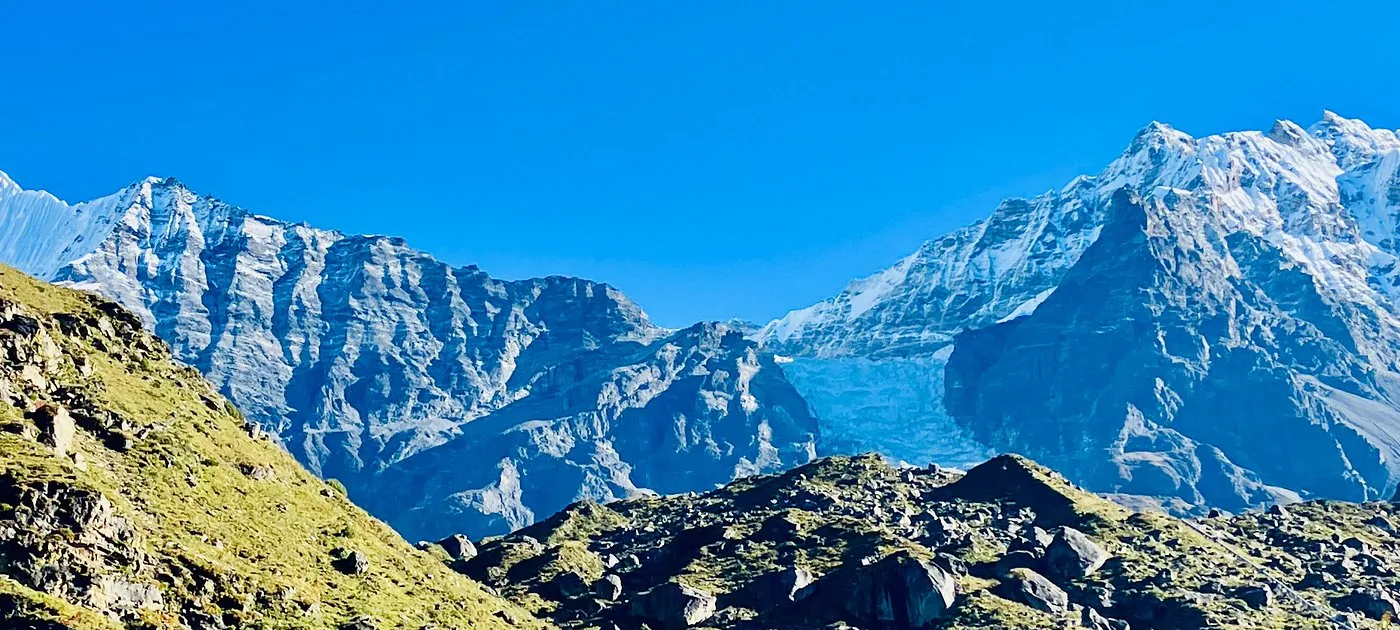
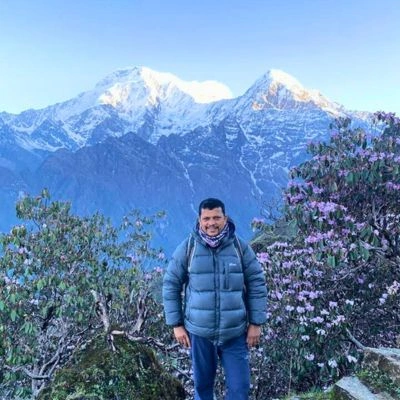
Trekking in Langtang Valley feels like stepping into one of Nepal’s most authentic mountain landscapes—yet surprisingly, it’s only a day’s drive from Kathmandu. But before planning your adventure in the beautiful Langtang National Park, one important question comes up for almost every traveler: When is the best time to do Langtang Valley Trek? The short answer: spring (March–May) and autumn (September–November) offer the best weather, clear mountain views, and safe trekking conditions.
However, each season has its own charm, challenges, and unique experiences. In this guide, you'll discover the best seasons, weather patterns, trekking tips, and practical advice to help you choose the perfect time for your Langtang adventure.
Quick Summary: Best Time for Langtang Valley Trek
Best overall season: Autumn (September–November)
Second best: Spring (March–May)
For fewer crowds: Winter
Least recommended: Monsoon
Why Visit Langtang Valley
Langtang Valley is often called one of Nepal’s most underrated Himalayan treks. While many travelers flock to Everest or Annapurna, Langtang offers a quieter and more intimate mountain experience.
Reasons travelers love Langtang Valley:
• Stunning Himalayan views including Langtang Lirung
• Authentic Tamang culture and mountain villages
• Diverse wildlife inside Langtang National Park
• Short trekking duration (7–10 days)
• Less crowded than Everest or Annapurna
You’ll walk through rhododendron forests, alpine meadows, glaciers, and traditional villages, all within a relatively compact trekking route.
Best Time to Visit Langtang Valley
If you’re wondering when is the best time to do Langtang Valley Trek, two seasons stand out.
Best seasons for trekking
Spring (March–May)
• Warm temperatures
• Rhododendron forests in bloom
• Clear mountain views
Autumn (September–November)
• Stable weather
• Excellent visibility
• Peak trekking season in Nepal
Both seasons provide ideal trekking conditions with minimal rain and comfortable temperatures.
Langtang Valley Trek by Season
Spring (March – May)
Spring is one of the most beautiful seasons in the Himalayas.
Highlights:
• Blooming rhododendron forests
• Mild temperatures
• Clear mountain panoramas
• Lively trekking atmosphere
Temperatures:
• Daytime: 10–20°C
• Higher altitude nights: -5°C
Spring is perfect for nature lovers and photographers.
Autumn (September – November)
Autumn is widely considered the absolute best time for Langtang Valley Trek.
Why?
• Crystal-clear mountain views
• Stable weather conditions
• Comfortable temperatures
Temperatures:
• Daytime: 10–18°C
• Nights: -5°C to -10°C at higher elevations
October in particular offers the clearest Himalayan views.
Winter (December – February)
Winter trekking is possible but more challenging.
Pros:
• Very quiet trails
• Beautiful snow-covered landscapes
• Unique winter scenery
Cons:
• Freezing temperatures
• Snow at higher passes
• Some teahouses closed
Recommended for experienced trekkers seeking solitude.
Monsoon (June – August)
Monsoon is the least popular time to trek Langtang Valley.
Challenges:
• Heavy rainfall
• Landslides on access roads
• Cloudy mountain views
• Leeches in forests
However, the valley becomes lush, green, and incredibly vibrant during this time.
Top Things to Do in Langtang Valley
Besides trekking, Langtang offers several unforgettable experiences.
1. Explore Kyanjin Gompa
Visit the beautiful monastery village of
Kyanjin Gompa
Highlights:
• Ancient Buddhist monastery
• Local cheese factory
• Stunning glacier views
2. Hike to Tserko Ri Viewpoint
For one of the best Himalayan panoramas, hike to
Tserko Ri
From the summit you can see:
• Langtang Lirung
• Dorje Lakpa
• Snowy Himalayan ranges
3. Experience Tamang Culture
Langtang villages are home to Tamang communities with Tibetan heritage.
Expect:
• Prayer wheels and monasteries
• Traditional stone houses
• Warm mountain hospitality
Hidden Gems Only Locals Know
Many trekkers miss these experiences.
Sunrise above Kyanjin Valley
Wake before dawn to see the golden sunrise hitting Langtang Lirung.
Yak Cheese Tasting
At the Kyanjin cheese factory, try fresh Himalayan yak cheese made locally.
Visit Langtang Village Memorial
Learn about the rebuilding of
Langtang Village
after the 2015 Nepal Earthquake.
Sample 7-Day Langtang Valley Trek Itinerary
Day 1: Drive from Kathmandu to Syabrubesi.
Day 2: Trek to Lama Hotel.
Day 3: Trek to Langtang Village.
Day 4: Trek to Kyanjin Gompa.
Day 5: Hike to Tserko Ri viewpoint.
Day 6: Return to Lama Hotel.
Day 7: Trek back to Syabrubesi and drive to Kathmandu.
Local Food to Try
While trekking Langtang Valley, don’t miss these local dishes.
• Dal Bhat
• Momos
• Thukpa
• Yak cheese from Kyanjin dairy
Dal Bhat is the most popular trekking meal because it’s nutritious and refillable.
Travel Costs & Budget Tips
Typical budget for Langtang Valley Trek:
Permits
• Langtang National Park Permit: ~$30
• TIMS Card: ~$20
Daily costs
• Accommodation: $5–10
• Meals: $15–25
• Guide: $25–35/day
Budget estimate
Total cost for 7–10 days:
$400–900 depending on services.
How to Get There
The trek begins in Syabrubesi.
Travel options from Kathmandu:
• Local bus (7–9 hours)
• Private jeep (6–7 hours)
The scenic drive passes rivers, hills, and rural villages before reaching the trekking trailhead.
Where to Stay
Accommodation along the trek is mainly teahouses.
Popular overnight stops:
• Syabrubesi
• Lama Hotel
• Langtang Village
• Kyanjin Gompa
Rooms are basic but comfortable with warm meals and mountain hospitality.
Responsible Travel Tips
Langtang is a fragile mountain environment.
Travel responsibly by:
• Carrying reusable water bottles
• Avoiding plastic waste
• Respecting local culture and monasteries
• Supporting local teahouses and guides
Your visit helps support local communities rebuilding after the earthquake.
FAQs Travelers Ask
Is Langtang Valley worth visiting?
Yes. Langtang Valley is one of the most scenic and culturally rich treks in Nepal, offering Himalayan views, authentic villages, and quieter trails than Everest or Annapurna.
How many days do you need for Langtang Valley Trek?
Most trekkers complete the trek in 7–10 days, including travel from Kathmandu.
Is Langtang Valley Trek difficult?
Langtang is considered a moderate trek. The trail reaches about 4,984 m at Tserko Ri, so good physical fitness and gradual acclimatization are important.
Is Langtang Valley safe for tourists?
Yes. The region is generally safe, and trekking infrastructure is well established with teahouses, guides, and marked trails.
Plan Your Langtang Adventure
If you're planning a trip to Langtang Valley and need help with:
• Trek itineraries
• Hiring guides or porters
• Choosing the best season
• Custom trekking packages
Feel free to ask questions or request travel advice. Local knowledge can make your Langtang trek smoother, safer, and more rewarding.