Nepal is globally recognized as the ultimate destination for peak climbing in Nepal, offering everything from beginner-friendly trekking peaks to highly technical Himalayan summits. With over 300+ peaks open for climbing, Nepal attracts adventurers seeking both challenge and breathtaking beauty.
Why Choose Peak Climbing in Nepal?
- Home to the world’s highest mountains, including Mount Everest
- Wide range of peaks: beginner to technical climbs
- Stunning Himalayan panoramas (Everest, Annapurna, Makalu)
- Affordable compared to global climbing destinations
- Strong Sherpa culture and professional guides
Island Peak Climbing (Imja Tse) – 6,189m
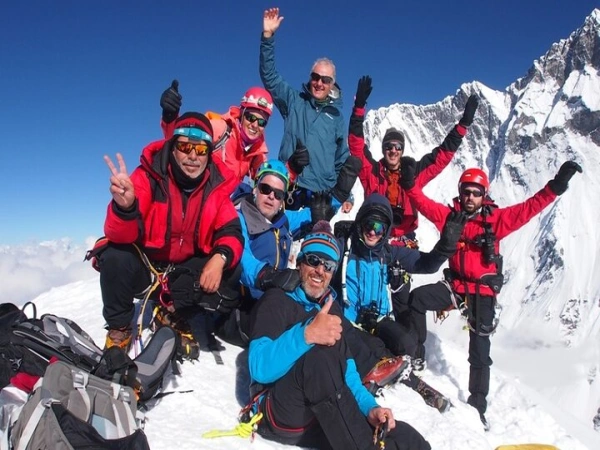
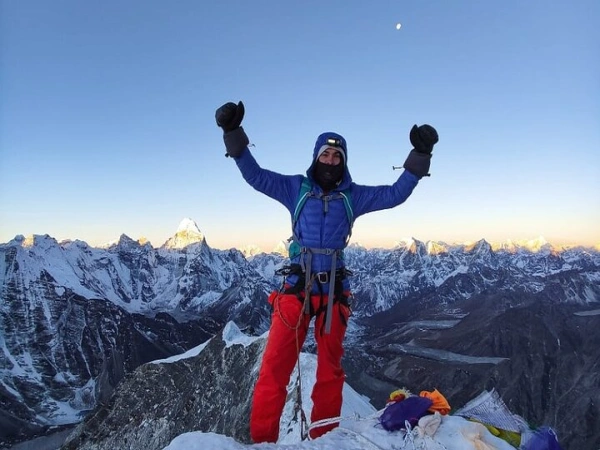
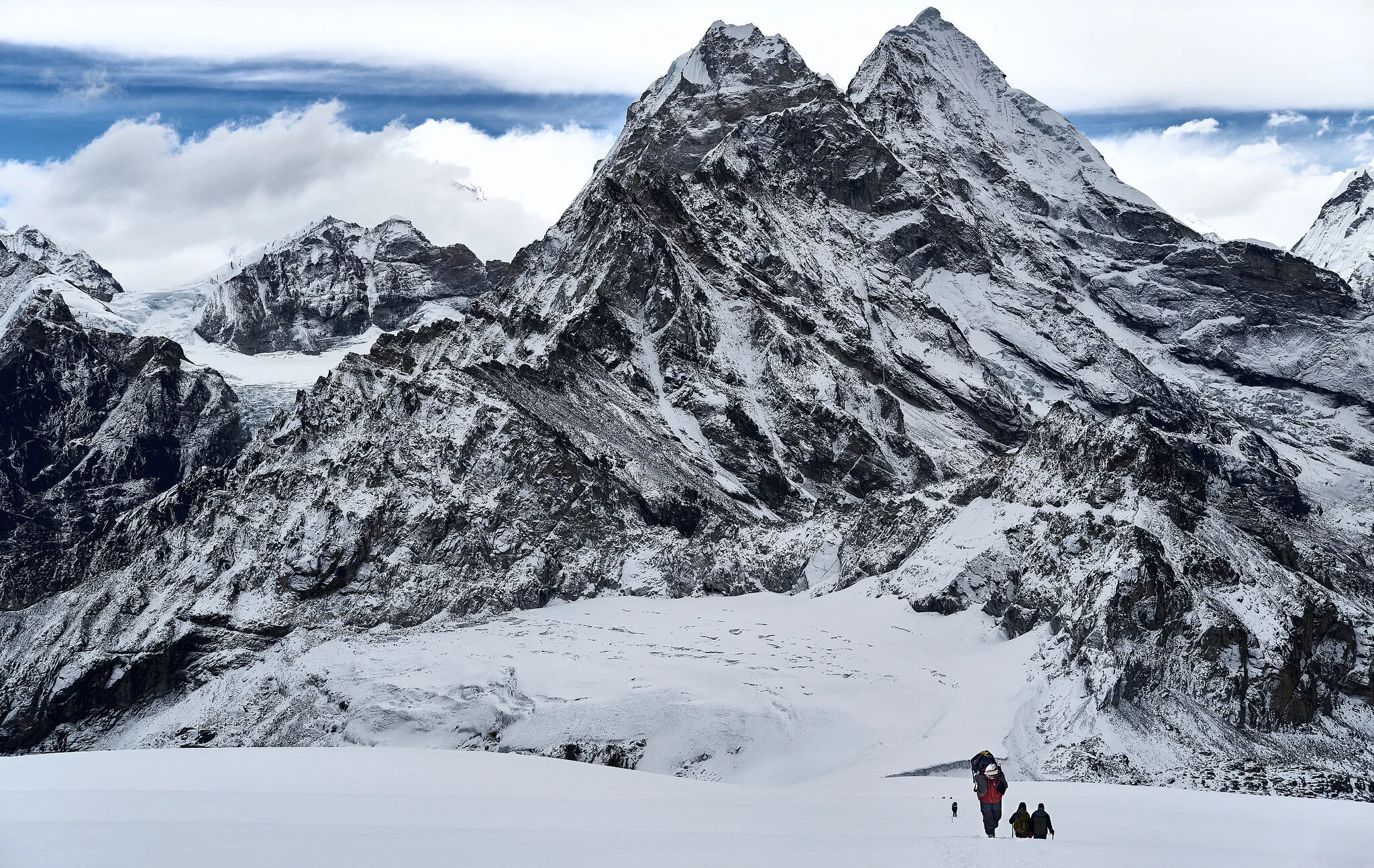
Island Peak is one of the most popular and best-selling peak climbing packages in Nepal. Located in the Everest region, it offers a perfect introduction to mountaineering.
Highlights:
- Views of Lhotse, Nuptse, and Ama Dablam
- Combined with the Everest Base Camp trek
- Moderate technical climbing with ice sections
Difficulty: Moderate to Challenging
Mera Peak Climbing – 6,476m
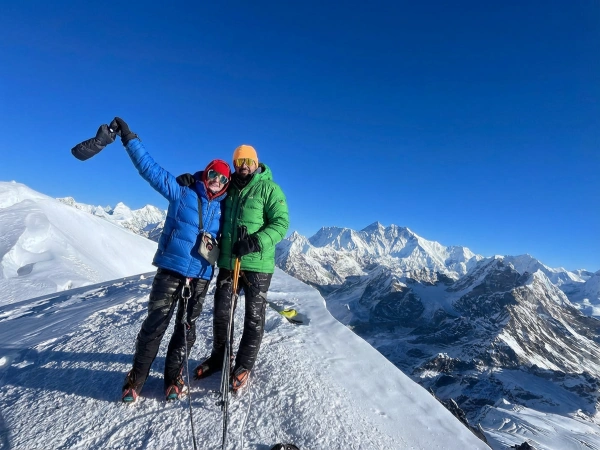
Mera Peak is the highest trekking peak in Nepal, famous for panoramic Himalayan views.
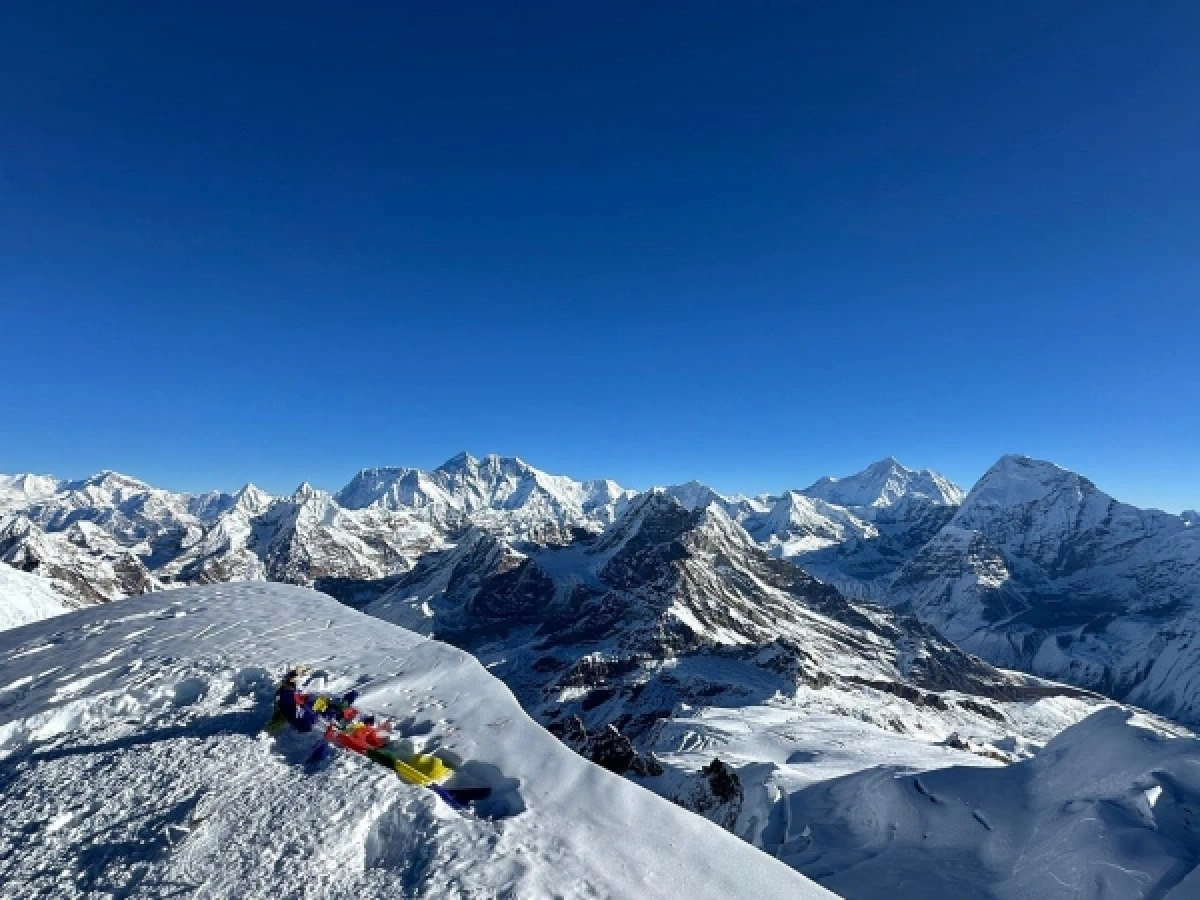
Highlights:
- Views of Everest, Makalu, Cho Oyu, and Lhotse
- Less technical, more altitude-focused
- Ideal for first high-altitude climbers
Difficulty: Moderate
Lobuche East Peak Climbing – 6,119m
Lobuche East is perfect for climbers looking for a technical challenge in the Everest region.
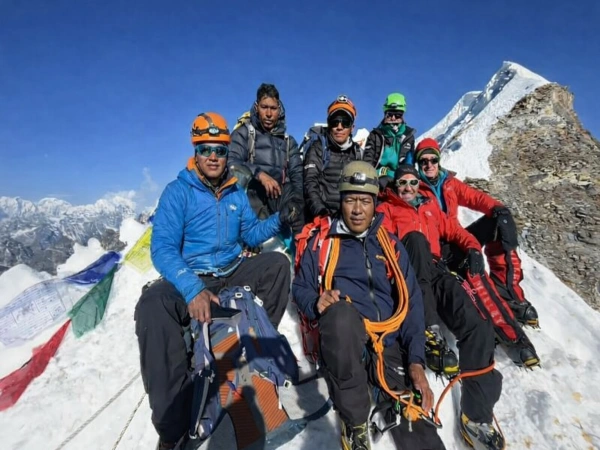
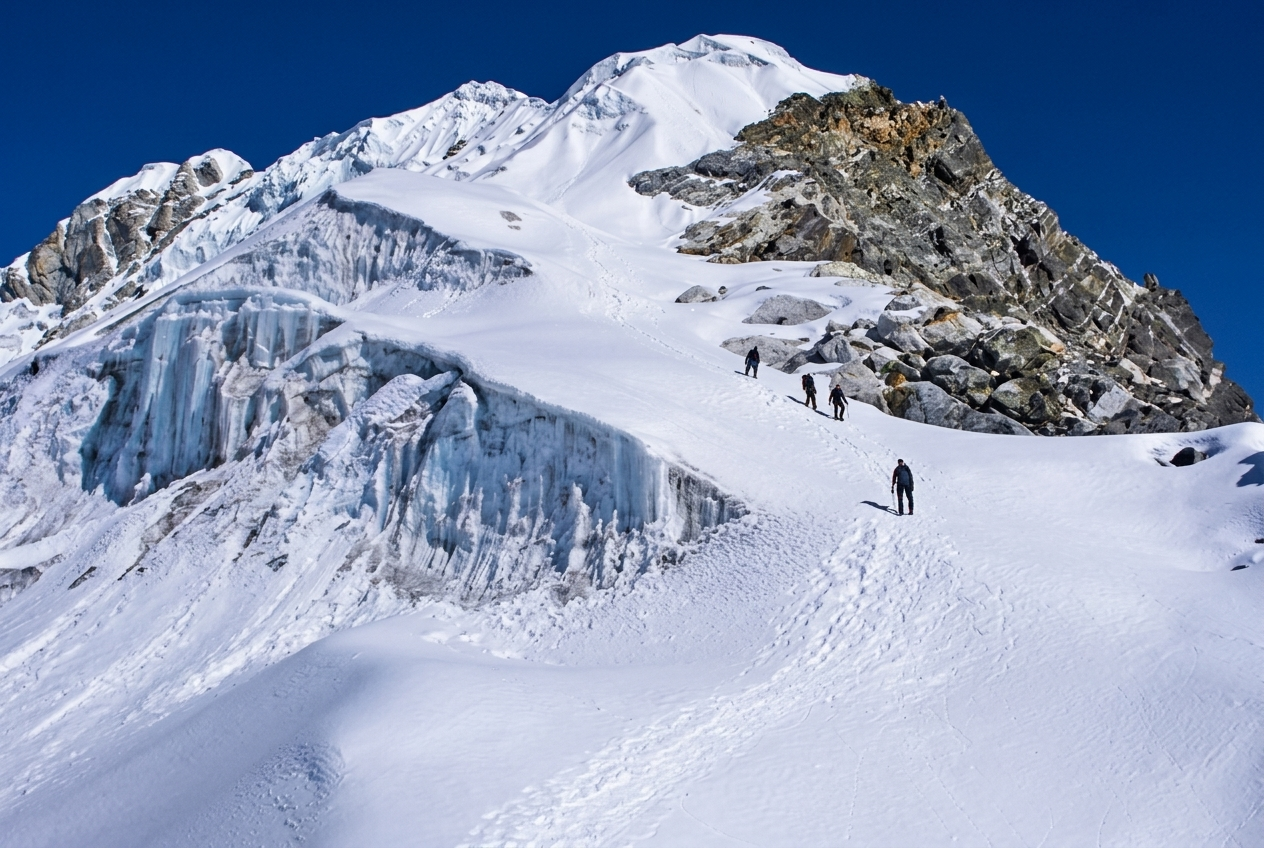
Highlights:
- Steep ice and rock sections
- Close views of Everest region peaks
- Advanced climbing experience
Difficulty: Challenging
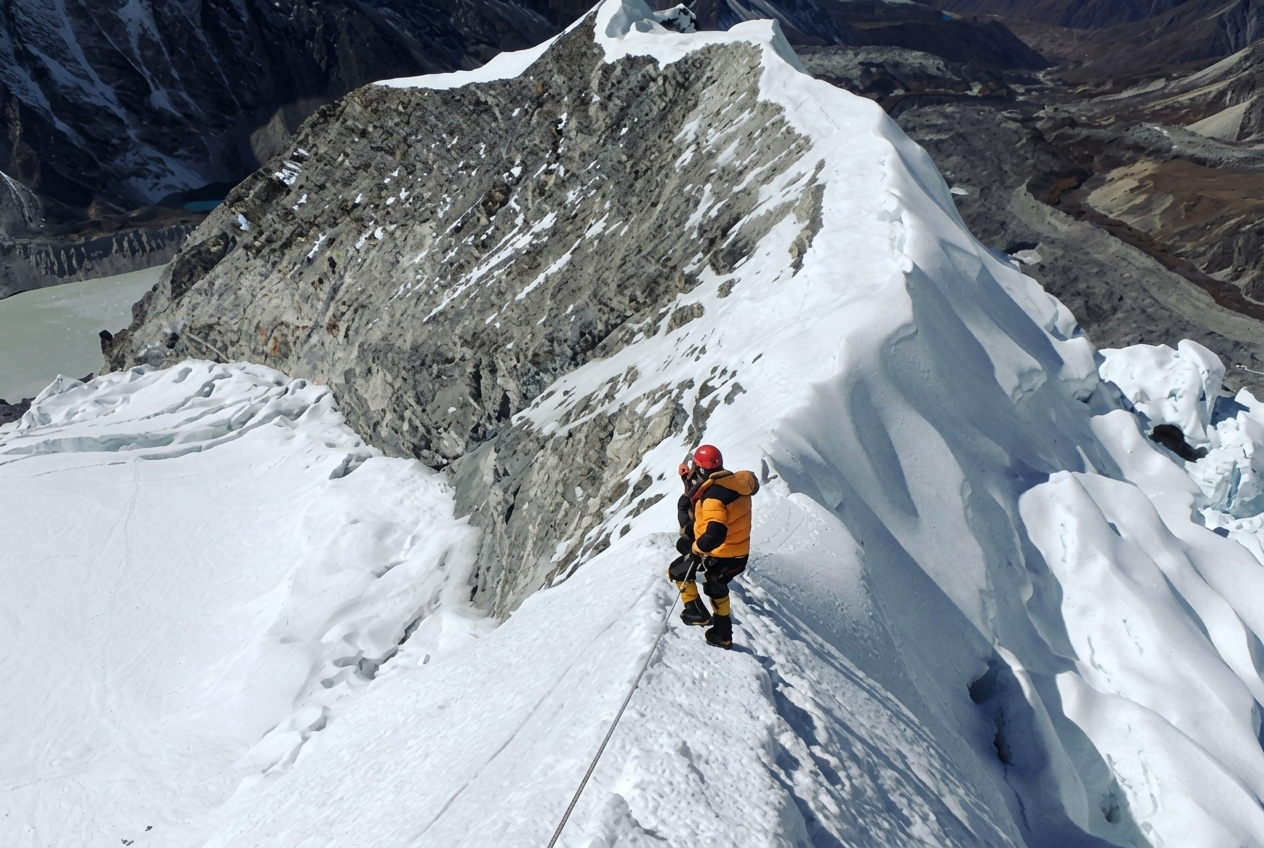
Pisang Peak Climbing – 6,091m
Located in the Annapurna region, Pisang Peak is one of the most scenic climbs.
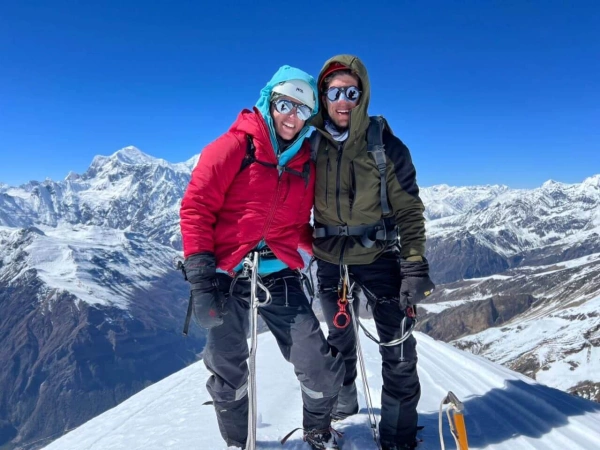
Highlights:
- Views of Annapurna II & IV
- Combined with the Annapurna Circuit Trek
- Mixed terrain climb
Difficulty: Moderate
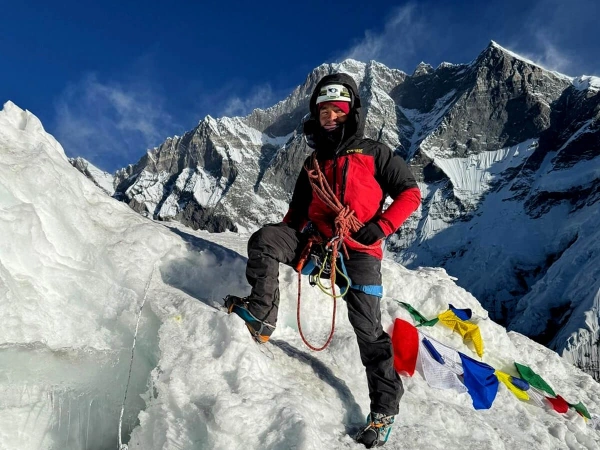
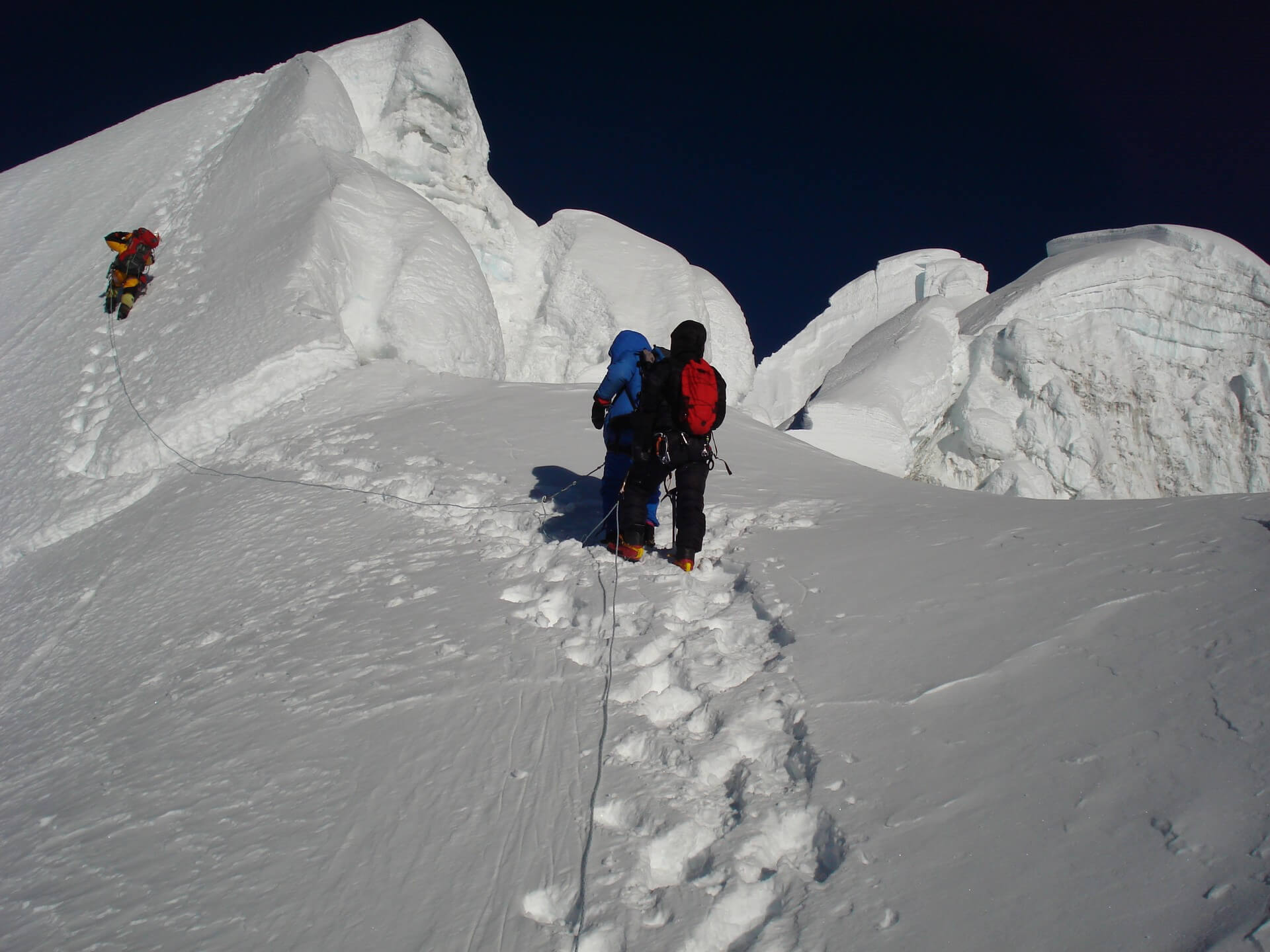
Chulu East Peak Climbing – 6,584m
Chulu East is a high-altitude adventure offering both trekking and technical climbing.
Highlights:
- Stunning views of Annapurna and Dhaulagiri
- Glacier walking and rope climbing
- Remote and less crowded
Difficulty: Difficult
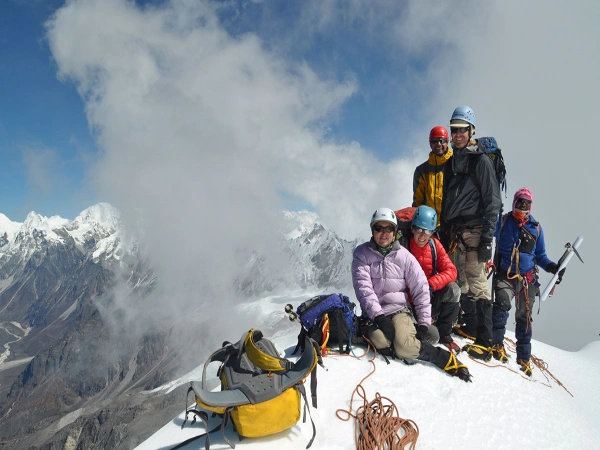
Yala Peak Climbing – 5,700m
Yala Peak is one of the best beginner peaks in Nepal, located in the Langtang region.
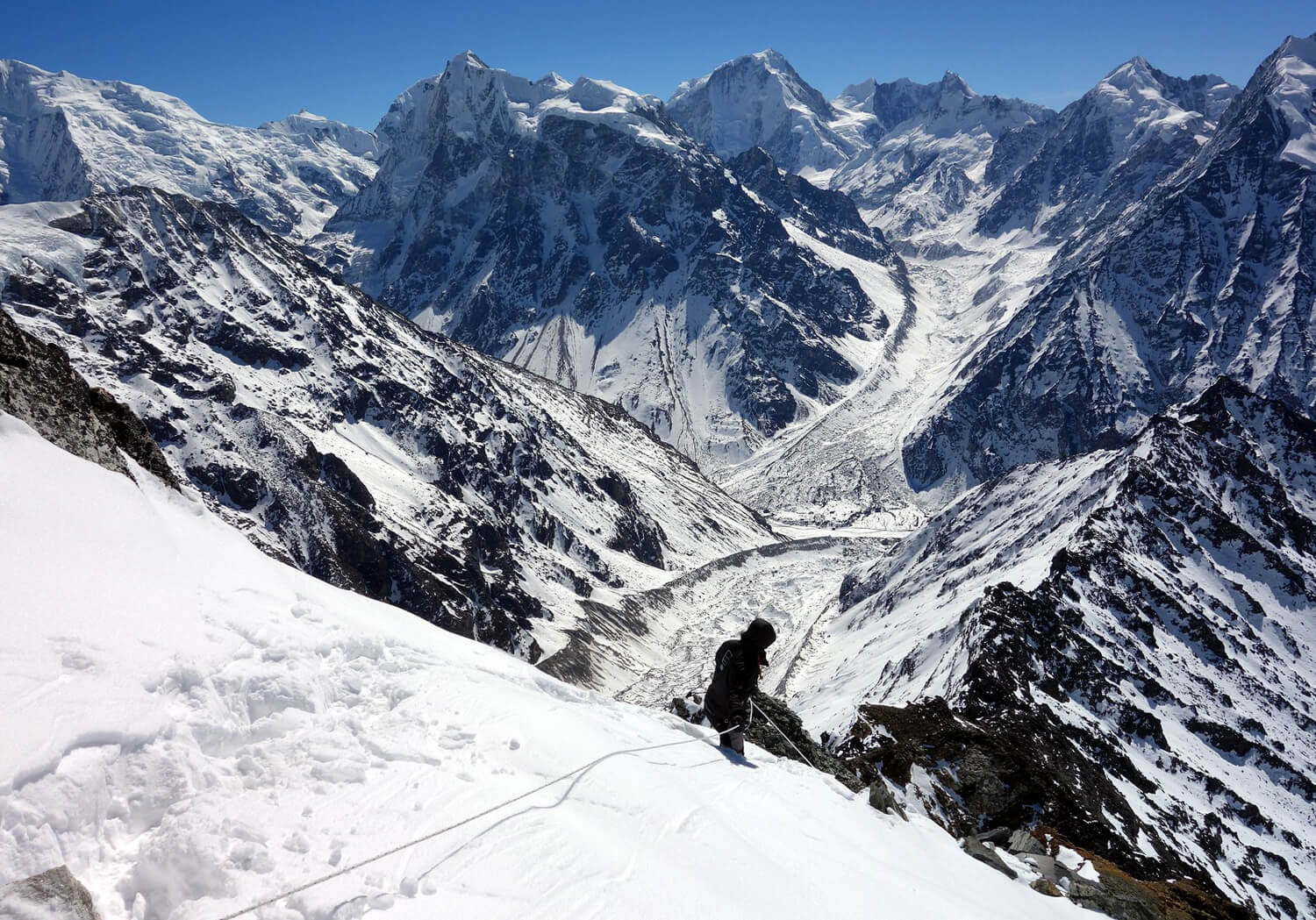
Highlights:
- Easy climb without technical gear
- Close to Kathmandu
- Views of Langtang Lirung
Difficulty: Easy
Tent Peak (Tharpu Chuli) – 5,663m
A favorite among beginners in the Annapurna Sanctuary.
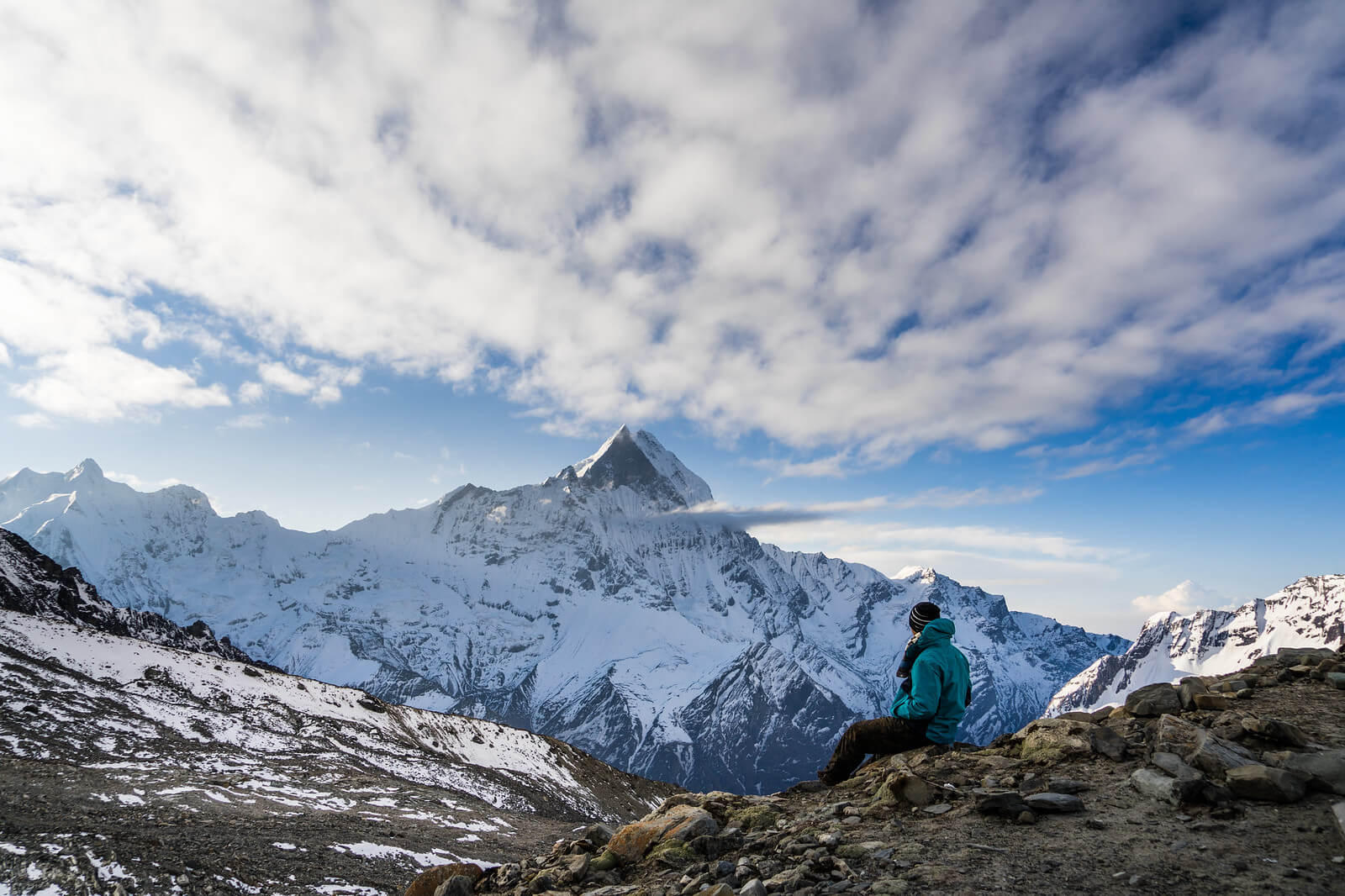
Highlights:
- Easy climbing peak
- Stunning Annapurna Base Camp scenery
- Perfect for first-time climbers
Difficulty: Easy to Moderate
Pokalde Peak Climbing – 5,806m
One of the easiest trekking peaks in the Everest region.
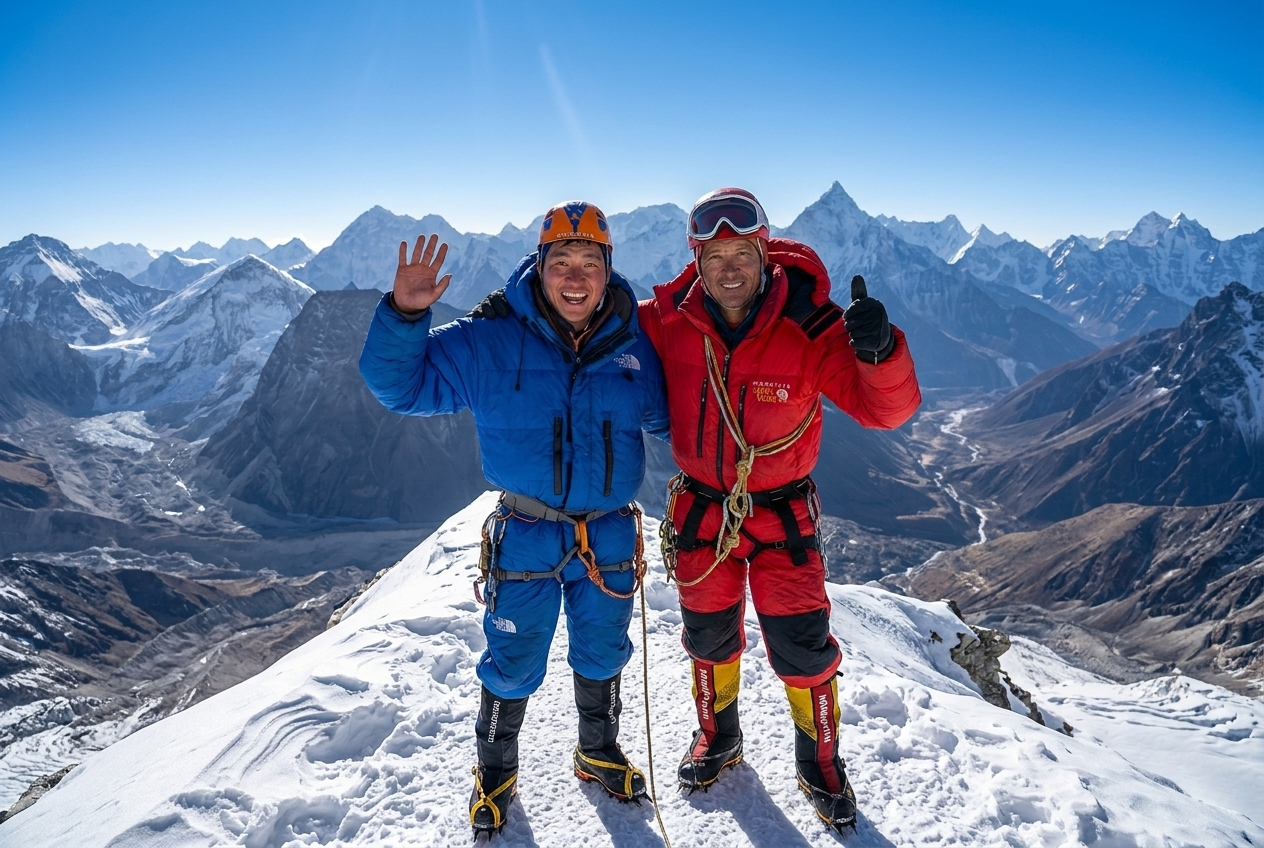
Highlights:
- Quick summit opportunity
- Minimal technical skills required
- Excellent Everest views
Difficulty: Easy
Hiunchuli Peak Climbing – 6,441m
A challenging trekking peak in the Annapurna region.
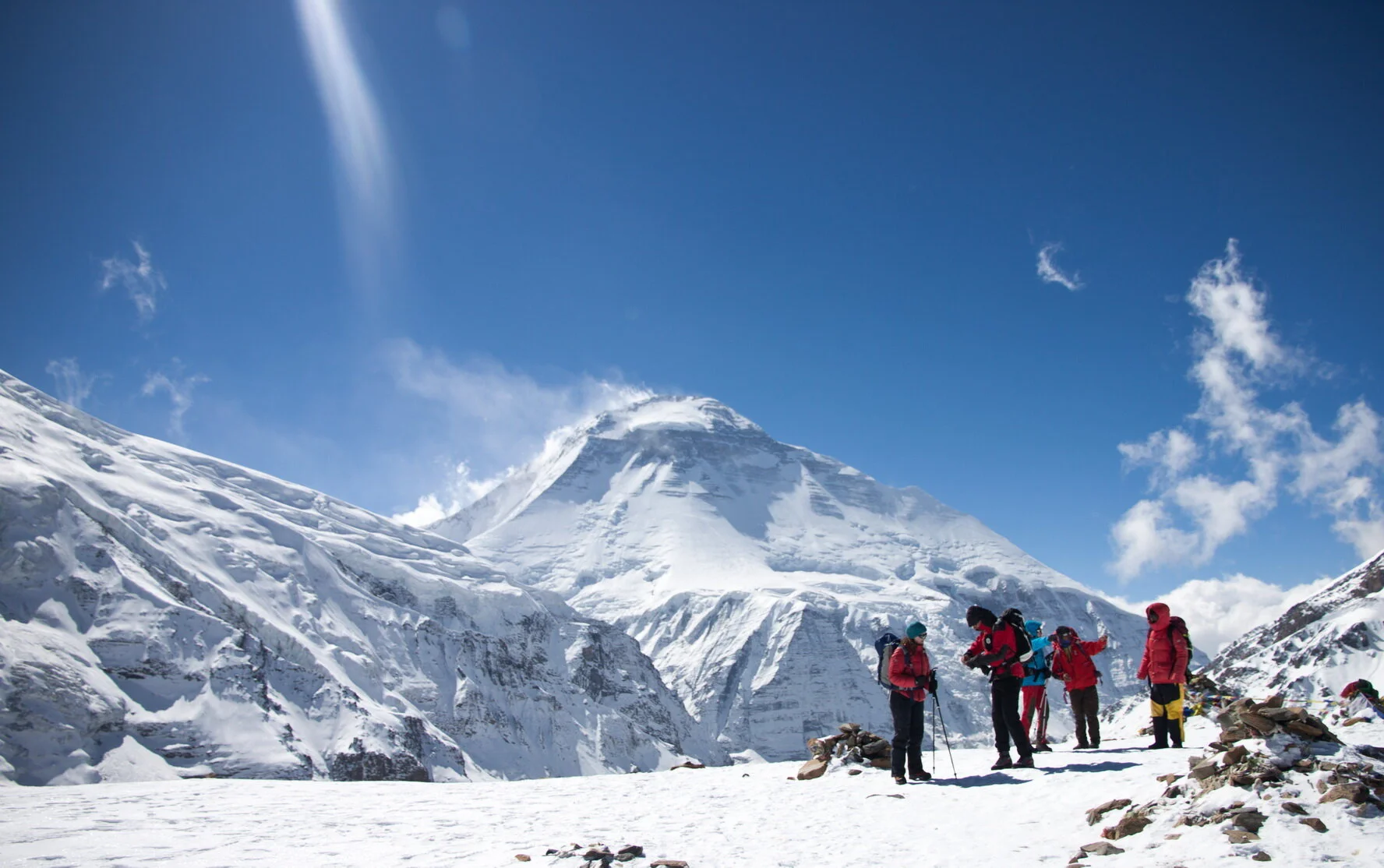
Highlights:
- Close to Annapurna Base Camp
- Less crowded route
- Technically demanding climb
Difficulty: Difficult
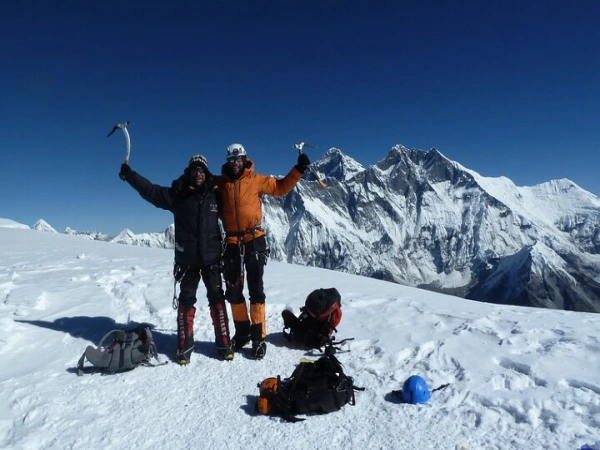
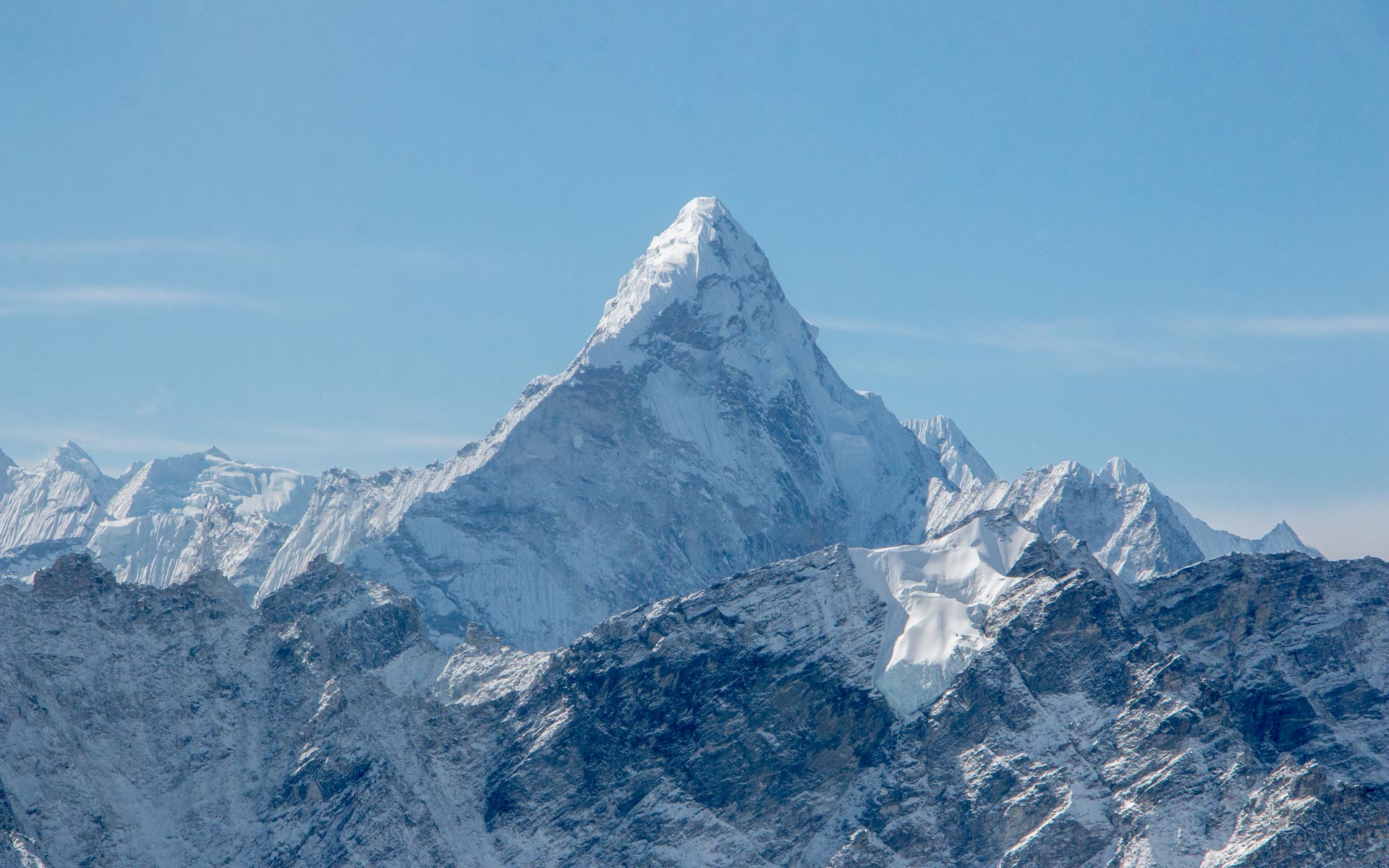
Ama Dablam (Advanced Peak) – 6,812m
Ama Dablam is one of the most beautiful and technical peaks in Nepal.
Highlights:
- Iconic Himalayan pyramid shape
- Highly technical climbing routes
- Advanced mountaineering challenge
Difficulty: Very Difficult
Peak Climbing in Nepal – Quick Comparison
| Peak Name | Height(m) | Difficulty | Region |
| Island Peak | 6,189 | Moderate | Everest |
| Mera Peak | 6,476 | Moderate | Everest |
| Lobuche East | 6,119 | Challenging | Everest |
| Pisang Peak | 6,091 | Moderate | Annapurna |
| Chulu East | 6,584 | Difficult | Annapurna |
| Yala Peak | 5,700 | Easy | Langtang |
| Tent Peak | 5,663 | Easy | Annapurna |
| Pokalde Peak | 5,806 | Easy | Everest |
| Hiunchuli | 6,441 | Difficult | Annapurna |
| Ama Dablam | 6,812 | Very Difficult | Everest |
Best Time for Peak Climbing in Nepal
Choosing the best time for peak climbing in Nepal is one of the most important factors for a successful and safe Himalayan adventure. Weather, visibility, temperature, and climbing conditions vary greatly throughout the year, making certain seasons far more favorable than others.
Spring Season (March – May) – Best Overall Time
Spring is widely considered the best season for peak climbing in Nepal.
Why Spring is Ideal:
- Stable weather and moderate temperatures
- Longer daylight hours for climbing
- Excellent snow conditions for summit attempts
- Blooming rhododendron forests at lower altitudes
Temperature:
- Base Camp: -5°C to 10°C
- Summit: -15°C to -25°C
Best Peaks for Spring:
- Island Peak
- Mera Peak
- Lobuche East
- Ama Dablam
- Perfect for both beginners and experienced climbers
Autumn Season (September – November) – Second Best Time
Autumn is another top-rated season for peak climbing in Nepal, especially for clear mountain views.
Why Autumn is Popular:
- Crystal-clear skies and best visibility
- Stable weather after the monsoon
- Ideal for photography and scenic views
Temperature:
- Base Camp: 0°C to 12°C
- Summit: -10°C to -20°C
Considerations:
- Slightly drier conditions (less snow on some peaks)
- Popular season – trails can be busy
Best for scenic climbing and photography lovers
Winter Season (December – February) – Challenging but Possible
Winter climbing is possible, but only recommended for experienced climbers.
Challenges:
- Extremely cold temperatures
- Heavy snowfall
- High risk of avalanches
- Limited accessibility
Temperature:
- Base Camp: -10°C to -20°C
- Summit: Below -30°C
Advantages:
- Less crowded trails
- Clear skies on stable days
Best for: Technical climbers seeking solitude
Monsoon Season (June – August) – Not Recommended
Monsoon is generally the worst time for peak climbing in Nepal.
Challenges:
- Heavy rainfall and slippery trails
- Poor visibility due to clouds
- High risk of landslides
- Flight delays (especially to Lukla)
Exception:
- Rain-shadow areas like Upper Mustang & Dolpo
Not suitable for most peak climbing activities
Season Comparison Table
| Season | Weather | Visibility | Difficulty | Recommendation |
| Spring | Stable | Excellent | Moderate | Best Overall |
| Autumn | Clear | Excellent | Moderate | Highly Recommended |
| Winter | Harsh | Good | High | Experts Only |
| Monsoon | Rainy | Poor | Very High | Avoid |
For the highest success rate and safest experience, plan your peak climbing in Nepal during:
Spring (March–May) – Best for climbing conditions
Autumn (Sept–Nov) – Best for views and stability
Both seasons offer the perfect balance of weather, safety, and summit success, making them ideal for all types of climbers.
Important Tips for Peak Climbing in Nepal
Climbing in the Himalayas is a life-changing experience, but success depends on proper planning, preparation, and awareness. Whether you're attempting a beginner trekking peak or a technical summit, these important tips for peak climbing in Nepal will help you stay safe and increase your chances of reaching the top.
Proper Acclimatization is Essential
High altitude is the biggest challenge in peak climbing in Nepal. Lack of oxygen can lead to serious conditions like Acute Mountain Sickness (AMS).
Tips:
- Follow the “climb high, sleep low” rule
- Take rest days during the trek
- Ascend slowly (300–500m per day above 3,000m)
- Stay hydrated
Never ignore symptoms like headache, nausea, or dizziness.
Physical Fitness & Training
Peak climbing requires strong endurance and stamina.
Training Focus:
- Cardio (running, hiking, cycling)
- Strength (legs, core, shoulders)
- Practice long hikes with a backpack
Train at least 6–8 weeks before your climb
Use Proper Climbing Equipment
Using the right gear is critical for safety.
Essential Gear:
- Crampons
- Ice axe
- Harness
- Helmet
- Carabiners & ropes
Always check and test your equipment before the climb.
A Licensed Guide
Climbing with experienced professionals greatly increases safety.
Benefits:
- Route knowledge
- Technical support
- Emergency handling
- Cultural guidance
Nepal’s Sherpa guides are world-renowned for their expertise.
Choose the Best Season
Avoid climbing in bad weather conditions.
Best Seasons:
- Spring (March–May)
- Autumn (Sept–Nov)
These seasons offer stable weather and high success rates.
Maintain Proper Nutrition & Hydration
Tips:
- Drink 3–4 liters of water daily
- Eat high-energy foods (carbs & proteins)
- Avoid alcohol and smoking
Good nutrition helps prevent altitude sickness.
Get Travel Insurance (Very Important)
Always have insurance that covers:
- High-altitude trekking
- Emergency helicopter rescue
- Medical expenses
Rescue operations in Nepal can cost $3,000–$5,000+
Know Your Limits
Not every climb needs to end at the summit.
Important Rule:
“Summit is optional, safety is mandatory.”
Turn back if:
- Weather worsens
- You feel unwell
- Your guide advises
Learn Basic Mountaineering Skills
Before attempting trekking peaks in Nepal, learn:
- Rope handling
- Ice climbing basics
- Using crampons
A short training course can make a big difference.
Be Prepared for Extreme Weather
Himalayan weather can change rapidly.
Expect:
- Snowstorms
- Strong winds
- Freezing temperatures
Always carry proper layers and backup gear.
Plan Your Itinerary Properly
- A well-planned itinerary ensures:
- Proper acclimatization
- Rest days
- Higher summit success rate
- Avoid rushed itineraries to reduce risk.
Carry All Required Permits
Make sure you have:
- Climbing permit
- National park permit
- TIMS card
Always travel legally and responsibly.
Mental Preparation Matters
Climbing is not just physical; it’s mental.
Tips:
- Stay positive
- Be patient
- Stay calm in difficult situations
Stay Connected & Informed
- Check weather forecasts regularly
- Carry a satellite phone or GPS device
- Inform the guide about your plan
Peak climbing is one of the most rewarding adventures in the Himalayas, but it requires responsibility and preparation. By following these important tips for peak climbing in Nepal, you can ensure a safer, more enjoyable, and successful journey.
10 Best Peak Climbing in Nepal – FAQs
Here are the most frequently asked questions about the 10 best peak climbing in Nepal, designed to help trekkers and climbers plan safely and confidently.
Q: What are the best peak climbing options in Nepal?
A: The best peak climbing in Nepal includes:
- Island Peak (6,189m)
- Mera Peak (6,476m)
- Lobuche East (6,119m)
- Pisang Peak (6,091m)
- Chulu East (6,584m)
- Yala Peak (5,700m)
- Tent Peak (Tharpu Chuli) (5,663m)
- Pokalde Peak (5,806m)
- Hiunchuli Peak (6,441m)
- Ama Dablam (6,812 m)
These peaks offer a mix of beginner to advanced climbing experiences.
Q: Which peak is best for beginners in Nepal?
A: Best beginner-friendly peaks:
- Yala Peak
- Pokalde Peak
- Tent Peak
These peaks require minimal technical skills and are perfect for first-time climbers.
Q: Which is the easiest peak to climb in Nepal?
A: The easiest peaks include:
- Yala Peak (Langtang region)
- Pokalde Peak (Everest region)
These are ideal for those starting trekking peaks Nepal without prior climbing experience.
Q: Which is the hardest trekking peak in Nepal?
A: Among trekking peaks, the most challenging are:
- Lobuche East
- Chulu East
- Hiunchuli
For advanced climbers, Ama Dablam is highly technical and demanding.
Q: How much does peak climbing cost in Nepal?
A: Average cost:
- Beginner peaks: $1,200 – $2,500
- Moderate peaks: $2,200 – $4,000
- Technical peaks: $4,000 – $9,000+
Costs depend on services, duration, and peak difficulty.
Q: What is the best time for peak climbing in Nepal?
- Spring (March–May) – Best overall
- Autumn (Sept–Nov) – Best visibility
Avoid monsoon and winter unless experienced.
Q: Do I need a permit for peak climbing in Nepal?
A: Yes, required permits include:
- Climbing permit (NMA)
- National park permit
- TIMS card
Permits are mandatory for all climbers.
Q: Do I need a guide for peak climbing in Nepal?
A: Yes, a licensed guide is highly recommended (and often required).
Benefits include:
- Safety and navigation
- Technical support
- Higher success rate
Q: What equipment is needed for peak climbing?
A: Essential gear includes:
- Crampons
- Ice axe
- Harness
- Helmet
- Climbing boots
Q: Do I need prior experience for peak climbing?
- Beginner peaks: No experience required
- Moderate peaks: Basic training needed
- Technical peaks: Prior climbing experience required
Training improves safety and success.