The Himlung Himal Expedition is an adventurous journey through Nepal’s remote Nar-Phu region, combining scenic trekking with high-altitude climbing. Starting from Kathmandu, the route passes through traditional villages, lush valleys, and rugged mountain landscapes before reaching the base camp. Over several days of acclimatization and summit rotations, climbers aim for the 7,126-meter peak, experiencing both the challenge of the Himalayas and the beauty of Tibetan culture along the way. The expedition concludes with a rewarding descent back to Kathmandu, leaving participants with unforgettable memories of adventure, culture, and Himalayan grandeur.
Himlung Himal Expedition
Duration
28 Days
Trip Grade
Challenging
Country
Nepal
Maximum Altitude
7,126 m (Himlung Himal Summit)
Starts
Kathmandu
Ends
Kathmandu
Group Size
2-8
Activities
High-altitude trekking, technical mountaineering, cultural exploration, photography
Best Time
Spring (March–May) & Autumn (September–November)
The Himlung Himal Expedition is a thrilling adventure for climbers seeking to explore one of Nepal’s less-traveled high peaks. Nestled in the remote Nar-Phu region of the Annapurna range, Himlung Himal rises to 7,126 meters, offering breathtaking views of snow-capped peaks, pristine valleys, and Tibetan-style villages. This expedition combines challenging high-altitude trekking with technical climbing, allowing adventurers to experience both cultural richness and Himalayan wilderness. From the bustling streets of Kathmandu to the serene base camp and summit, every step of the journey promises unforgettable landscapes, local interactions, and the ultimate sense of achievement at the top.
Highlights
- Climb the remote Himlung Himal (7,126 m), one of Nepal’s hidden high peaks.
- Trek through the isolated Nar-Phu Valley with Tibetan-style villages and traditional culture.
- Experience breathtaking views of the Annapurna and Manaslu Himalayan ranges.
- Acclimatize in serene high-altitude landscapes with pristine rivers, glaciers, and forests.
- Enjoy a mix of trekking and technical mountaineering for a true adventure experience.
- Witness local Buddhist monasteries and chortens, reflecting Tibetan heritage.
- Complete the expedition with a rewarding descent back to Kathmandu and a sense of achievement.
Why choose the Himlung Himal Expedition?
- Remote and Off-the-Beaten-Path: Explore the untouched Nar-Phu Valley, far from crowded trekking routes.
- High Himalayan Adventure: Climb Himlung Himal (7,126 m), a challenging yet achievable high-altitude peak.
- Cultural Experience: Immerse yourself in Tibetan-style villages, monasteries, and local traditions.
- Spectacular Scenery: Enjoy panoramic views of Annapurna, Manaslu, and surrounding Himalayan peaks.
- Perfect Mix of Trekking and Mountaineering: Experience both trekking trails and technical climbing.
- Acclimatization Opportunities: Planned rotations and rest days ensure safe adaptation to high altitude.
- Memorable Achievement: Summit the peak and return with an unforgettable sense of adventure and accomplishment.
Price From
US$6499
US$7999
Short Itinerary and Map
Day 1:
Arrival in Kathmandu, and transfer to the hotel
Day 2:
Rest Day in Kathmandu
Day 3:
Drive from Kathmandu to Besisahar
Day 4:
Drive from Besisahar to Koto
Day 5:
Trek from Koto to Meta
Day 6:
Trek from Meta to Chyaku
Day 7:
Trek from Chyaku to Kyang
Day 8:
Trek from Kyang to Phu Gaon
Day 9:
Acclimatization at Phu Gaon
Day 10:
Trek from Phu Gaon to Himlung Base Camp
Day 11:
Acclimatization at Base Camp
Day 12-21:
Summit Rotation Plan
Day 22:
Trek from Base Camp to Phu Gaon
Day 23:
Trek from Phu Gaon to Meta
Day 24:
Trek from Meta to Koto
Day 25:
Drive from Koto to Besisahar
Day 26:
Drive from Besisahar to Kathmandu
Day 27:
Rest Day in Kathmandu
Day 28:
Final Departure
Himlung Himal Expedition Detailed Itinerary
Day 1
Arrival in Kathmandu, and transfer to the hotel
Upon arrival at Tribhuvan International Airport, you are welcomed and transferred to your hotel. In the evening, enjoy a briefing session about the expedition and meet our guide and team members.
Max Altitude: 1,400m (4,593ft)
Duration: 20-30minutes
Distance: 4-6 km
Accommodation: Hotel Thamel Park
Mode of Transportation: Private vehicle
Day 2
Rest Day in Kathmandu
This day is reserved for rest, gear checking, and permit preparation. You may explore UNESCO heritage sites around Kathmandu Valley or relax at your hotel, preparing for the journey ahead.
Max Altitude: 1,400m (4,593ft)
Meals: Breakfast
Accommodation: Hotel
Day 3
Drive from Kathmandu to Besisahar
A scenic drive along winding highways and river valleys takes you to Besisahar, the gateway to the Annapurna and Manaslu regions, offering beautiful countryside views and terraced landscapes.
Max Altitude: 640m (2,099ft)
Duration: 6–7 hrs
Distance: 175 km
Meals: Breakfast
Accommodation: Lodge
Mode of Transportation: Private vehicle
Day 4
Drive from Besisahar to Koto
You drive through rugged mountain roads via Chame to reach Koto. The route follows the Marsyangdi River, passing waterfalls, forests, and traditional villages.
Max Altitude: 2,600m (8,530ft)
Duration: 6–7 hrs
Distance: 95 km
Meals: Breakfast
Accommodation: Lodge
Mode of Transportation: 4WD Jeep
Day 5
Trek from Koto to Meta
Entering the restricted Nar Phu Valley, the trail ascends through pine forests and narrow gorges, offering a remote and less-traveled trekking experience.
Max Altitude: 3,560m (11,679ft)
Duration: 6–7 hrs
Distance: 15 km
Meals: B, L, D
Accommodation: Lodge
Mode of Transportation: Trekking
Day 6
Trek from Meta to Chyaku
The trail gradually climbs along barren landscapes with glimpses of high Himalayan peaks. You pass ancient settlements and enjoy the isolation of the region.
Max Altitude: 3,870m (12,696ft)
Duration: 5–6 hrs
Distance: 12 km
Meals: Breakfast
Accommodation: Lodge
Mode of Transportation: Trekking
Day 7
Trek from Chyaku to Kyang
A relatively short trek through yak pastures and alpine terrain leads to Kyang, a small settlement with stunning views of the surrounding mountains.
Max Altitude: 3,840m (12,598ft)
Duration: 5 hrs
Distance: 10 km
Meals: B, L, D
Accommodation: Lodge
Mode of Transportation: Trekking
Day 8
Trek from Kyang to Phu Gaon
You reach the ancient village of Phu Gaon, rich in Tibetan culture. The trail passes through dramatic landscapes and Buddhist chortens.
Max Altitude: 4,083m (13,395ft)
Duration: 5–6 hrs
Distance: 11 km
Meals: B, L, D
Accommodation: Lodge
Mode of Transportation: Trekking
Day 9
Acclimatization at Phu Gaon
An acclimatization day to adapt to high altitude. You can explore monasteries, interact with locals, or hike to nearby viewpoints for better acclimatization.
Max Altitude: 4,081m (13,389ft)
Meals: B, L, D
Accommodation: Lodge
Day 10
Trek from Phu Gaon to Himlung Base Camp
The trail ascends steadily towards Himlung Base Camp, offering spectacular views of Himlung Himal and surrounding peaks.
Max Altitude: 4,900m (16,076ft)
Duration: 6–7 hrs
Distance: 12 km
Meals: B, L, D
Accommodation: Tent/Camping
Mode of Transportation: Tent/Camping
Day 11
Acclimatization at Base Camp
Preparation day at base camp includes training, gear checks, and short hikes to adjust to altitude before climbing rotations begin.
Max Altitude: 4,900m (16,076ft)
Meals: B, L, D
Accommodation: Tent/Camping
Day 12-21
Summit Rotation Plan
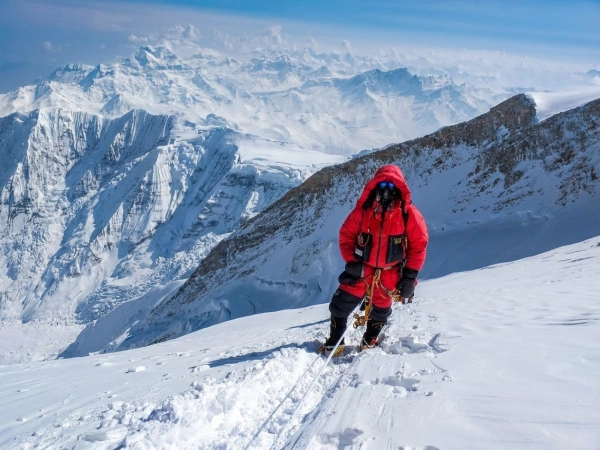
Climbing period involving rotations between high camps, acclimatization, and summit push of Himlung Himal (7,126 m). Weather conditions determine summit timing.
Max Altitude: 7,126m (23,379ft)
Duration: 8–10 days
Distance: Varies
Meals: B, L, D
Accommodation: Tent/Camping
Mode of Transportation: Climbing
Day 22
Trek from Base Camp to Phu Gaon
After the expedition, descend back to Phu Gaon, enjoying a sense of accomplishment and relief.
Max Altitude: 4,080m (13,385ft)
Duration: 5–6 hrs
Distance: 12 km
Meals: B, L, D
Accommodation: Lodge
Mode of Transportation: Trekking
Day 23
Trek from Phu Gaon to Meta
A long descent retracing the trail through remote landscapes and valleys back to Meta.
Max Altitude: 3,560m (11,679ft)
Duration: 7–8 hrs
Distance: 21 km
Meals: B, L, D
Accommodation: Lodge
Mode of Transportation: Trekking
Day 24
Trek from Meta to Koto
Descending through forests and river valleys, you exit the restricted Nar Phu region and return to Koto.
Max Altitude: 2,600m (8,530ft)
Duration: 6–7 hrs
Distance: 15 km
Meals: B, L, D
Accommodation: Lodge
Mode of Transportation: Trekking
Day 25
Drive from Koto to Besisahar
A rough yet scenic drive along mountain roads back to Besisahar, passing villages and rivers.
Max Altitude: 640m (2,099ft)
Duration: 6–7 hrs
Distance: 95 km
Meals: Breakfast
Accommodation: Lodge
Mode of Transportation: Jeep
Day 26
Drive from Besisahar to Kathmandu
Return drive to Kathmandu with scenic countryside views and river valleys.
Max Altitude: 1,400m (4,593ft)
Duration: 6–7 hrs
Distance: 175 km
Meals: Breakfast
Accommodation: Hotel
Mode of Transportation: Private Vehicle
Day 27
Rest Day in Kathmandu
Free day for relaxation, shopping, or optional sightseeing in Kathmandu after the expedition.
Max Altitude: 1,400m (4,593ft)
Meals: Breakfast
Accommodation: Hotel Thamel Park
Day 28
Final Departure
Transfer to Tribhuvan International Airport for your final departure, marking the end of your Himlung Himal Expedition.
Max Altitude: 1,400m (4,593ft)
Duration: 20-30minutes
Distance: 4-6 km
Meals: Breakfast
Mode of Transportation: Private Vehicle
Still Confused?
Choosing the right trek in Nepal can be challenging. Our travel experts are here to help you select the best itinerary based on your fitness level, travel dates, and interests. Contact us for clear information about routes, difficulty, permits, seasons, and pricing. We respond quickly and help you plan with confidence.
Altitude Chart
Cost Details
What’s Included
- Arrival & Departure: Airport pickup and drop-off in Kathmandu.
- Accommodation: 3–4 star hotels in Kathmandu; lodges/teahouses on trek; tents at base & high camps.
- Meals: Breakfast in Kathmandu; all meals (breakfast, lunch, dinner) during trekking & climbing.
- Transportation: Private vehicle/Jeep for Kathmandu–Besisahar–Koto routes.
- Guides & Support: Experienced trekking guide, climbing Sherpas, and porters.
- Permits & Fees: TIMS card, Nar-Phu Restricted Area Permit, Himlung climbing permit, government taxes.
- Equipment: Base/high camp tents, ropes, ladders, and essential climbing gear.
- Safety & Acclimatization: Summit rotation guidance, route planning, and emergency support.
What’s Excluded
- International Airfare: Flights to/from Nepal.
- Nepal Visa: Entry visa for Nepal.
- Travel Insurance: Including high-altitude coverage.
- Personal Expenses: Phone, internet, laundry, soft drinks, alcohol.
- Tips: For guides, porters, and drivers.
- Optional Activities
- Special Permits: Filming, drone, or extra permits if required.
- Medical Costs: Any medical treatment or evacuation beyond standard support.
Dates & Availablity
Fixed Departure is for joining pre-scheduled group departures.
Private Trip is for personalized experiences.
Oct 2026
Nov 2026
Feb 2027
Mar 2027
Apr 2027
Get Instant Confirmation
15 Oct, 2026
Starts on Thursday
11 Nov, 2026
Ends on Wednesday
Guaranteed
US$6499
US$7999
Get Instant Confirmation
22 Oct, 2026
Starts on Thursday
18 Nov, 2026
Ends on Wednesday
Guaranteed
US$6499
US$7999
Get Instant Confirmation
29 Oct, 2026
Starts on Thursday
25 Nov, 2026
Ends on Wednesday
Guaranteed
US$6499
US$7999
Trip Gallery
Equipment Lists for Himlung Himal Expedition
For the Himlung Himal Expedition, you’ll need sturdy trekking boots, warm layered clothing, a high-quality sleeping bag, crampons, ice axe, harness, helmet, gloves, and goggles. Personal gear like trekking poles, a first-aid kit, and a reusable water bottle are essential, while high-altitude climbing equipment such as ropes and tents are usually provided by the expedition operator.
Upper Body Layers
- Moisture-wicking base layers
- Insulating fleece or down jacket
- Waterproof and windproof outer shell
- Thermal shirts for high-altitude climbing
Lower Body Layers
- Trekking pants (lightweight and breathable)
- Insulated pants for cold
- Waterproof pants for rain/snow
- Thermal leggings for summit push
Footwear & Accessories
- Sturdy trekking boots
- High-altitude mountaineering boots
- Warm socks and liner socks
- Gaiters for snow/mud
- Crampons for ice climbing
Head & Sun Protection
- Warm hat/beanie for cold
- Sun hat or cap
- Sunglasses (UV protection)
- Balaclava or neck gaiter
Personal & Medical Kits
- Personal first-aid kit
- Sunscreen & lip balm (high SPF)
- Headlamp with spare batteries
- Water bottle or hydration bladder
- Trekking poles
Travel Documents
- Passport & Nepal visa
- Trekking permits (TIMS, Nar-Phu, climbing permit)
- Travel insurance documents
- Flight tickets and hotel confirmations
Miscellaneous
- Sleeping bag (rated –20°C)
- Backpack (35–50 L for trekking; 70–80 L for base camp)
- Toiletries and wet wipes
- Camera or phone
- Snacks and energy bars
Essential Information
Best Time to Climb Himlung Himal
- Spring (March – May): Clear skies, moderate temperatures, ideal for climbing and photography.
- Autumn (September – November): Stable weather, dry trails, stunning mountain views.
- Winter: Extremely cold; not recommended for non-technical climbers.
- Monsoon (June – August): Heavy rainfall, landslides, slippery trails; generally avoided.
Permits Required
- Climbing Permit for Himlung Himal (issued by the Ministry of Tourism, Nepal).
- Restricted Area Permit for Nar-Phu Valley.
- TIMS Card (Trekkers’ Information Management System): For all trekking areas.
- Local Fees: May include village or conservation contributions.
Difficulty Level
- High-Altitude Expedition: Peak 7,126 m.
- Trekking Difficulty: Moderate to challenging, involving steep trails, river crossings, and rugged terrain.
- Climbing Difficulty: Technical snow and ice climbing; suitable for experienced climbers or with a professional guide.
Accommodation & Food
- Kathmandu: 3–4 star hotels with comfortable rooms.
- On Trek: Teahouses/lodges in villages (Phu, Meta, Koto) with basic facilities.
- Base Camp & High Camps: Tents with shared facilities.
- Meals: Breakfast, lunch, and dinner provided at lodges/camps; mix of local and western cuisine.
Transportation
- Kathmandu – Besisahar – Koto: Private vehicle/Jeep (off-road sections).
- Trekking Route: On foot; porters or yaks for heavy equipment.
- Return: Trek back to Koto/Besisahar and drive to Kathmandu.
Altitude Overview
- Kathmandu: 1,400 m
- Besisahar: 640 m
- Koto: 2,600 m
- Meta: 3,560 m
- Chyaku: 3,870 m
- Kyang: 3,840 m
- Phu Gaon: 4,080 m
- Himlung Base Camp: 4,900 m
- Himlung Summit: 7,126 m
Trek & Climb Duration
- Total: 28 days (Kathmandu arrival to final departure).
- Trekking portion: 15–18 days.
- Summit rotations: 8–10 days.
Rest and acclimatization: 2–3 days in Kathmandu, Phu Gaon, and Base Camp.
Equipment & Gear
- Personal Gear: Warm clothing, sleeping bag (rated –20°C), trekking boots, crampons, ice axe, harness, helmet, gloves, goggles.
- Climbing Gear: (ropes, tents, high-altitude equipment).
- Extras: Sunblock, first-aid kit, trekking poles, reusable water bottle.
Health & Safety Tips
- Acclimatization is crucial to prevent Altitude Sickness (AMS).
- Drink plenty of water; avoid alcohol.
- Take short hikes on acclimatization days.
- Experienced guides and follow safety protocols at high camps.
- Travel insurance with high-altitude coverage is mandatory.
Communication & Connectivity
- Limited mobile network in villages; satellite phones recommended for emergencies.
- Wi-Fi available at some lodges; slow and unreliable in remote areas.
Cultural & Environmental Considerations
- Respect local customs, monasteries, and sacred sites.
- Avoid littering; follow Leave No Trace principles.
- Interact politely with locals; small gifts are appreciated.
Fitness Requirement
- Good physical condition and prior trekking experience are recommended.
- Cardiovascular endurance, leg strength, and stamina are essential for high-altitude climbing.
- Pre-trek training (hiking, stair climbing, cardio) is highly recommended.
Frequently Asked Questions
What is the Himlung Himal Expedition?
- The Himlung Himal Expedition is a high-altitude mountaineering adventure in Nepal, climbing the 7,126-meter (23,373 ft) Himlung Himal peak. It is ideal for climbers seeking a technically moderate Himalayan peak with stunning views of the Manaslu and Annapurna regions.
Where is Himlung Himal located?
- Himlung Himal is situated in the Manaslu region of Nepal, near the Tibet border. The expedition route passes through scenic villages like Besisahar, Koto, Meta, Chyaku, and Phu Gaon before reaching the Base Camp.
What is the difficulty level of Himlung Himal?
It is considered moderate to difficult:
- Technical sections include snow, ice, and crevassed areas.
- Climbers need prior high-altitude trekking experience and basic mountaineering skills.
Who can attempt the Himlung Himal Expedition?
- Travelers with good physical fitness
- Climbers experienced in trekking above 5,000 meters
- People who are comfortable using crampons, ice axes, and ropes
What is the best time to climb Himlung Himal?
- Spring (March–May): Clear weather, ideal for summit attempts
- Autumn (September–November): Stable conditions, excellent visibility of Himalayan peaks
How long does the expedition take?
The full Himlung Himal Expedition itinerary is 28 days, including:
- Arrival in Kathmandu
- Trekking to Base Camp
- Summit rotation plan
- Return to Kathmandu
What permits are required for international climbers?
- Himlung Himal Climbing Permit
- Manaslu Conservation Area Permit (MCAP)
- Trekking permit for the Manaslu region
What is the maximum altitude of Himlung Himal?
- The peak reaches 7,126 meters (23,373 ft), requiring proper acclimatization to avoid altitude sickness.
What level of fitness is required?
- Excellent cardiovascular endurance
- Ability to trek 6–8 hours per day at high altitude
- Experience in mountaineering or technical climbing is recommended
What equipment do climbers need?
Essential gear includes:
- Mountaineering boots, crampons, harness, helmet, ice axe
- Layered clothing for extreme cold (base, mid, and outer layers)
- Sleeping bag rated for sub-zero temperatures
- Personal medical kit, high-altitude medicines, sunscreen, sunglasses
What kind of accommodation is provided?
- Kathmandu: Hotels before and after expedition
- Trek villages: Tea houses in lower regions
- Base Camp & high camps: Tented camps with support from guides and Sherpas
Is a guide necessary for international climbers?
- Yes. A professional climbing guide and Sherpa support are strongly recommended for safety, route navigation, and summit success.
What are the main risks of the expedition?
- Altitude sickness (AMS)
- Crevasses and icy slopes
- Extreme weather at high altitude
Proper acclimatization, training, and guidance minimize risks.
Why should climbers choose Himlung Himal?
- Less crowded than Everest or Annapurna peaks
- Stunning Himalayan panoramas of Manaslu and Annapurna regions
- Excellent acclimatization for future 7,000–8,000 m climbs
- Professional support and well-organized expedition infrastructure
You May Also Like
Need Help? Call Us+9779851013072