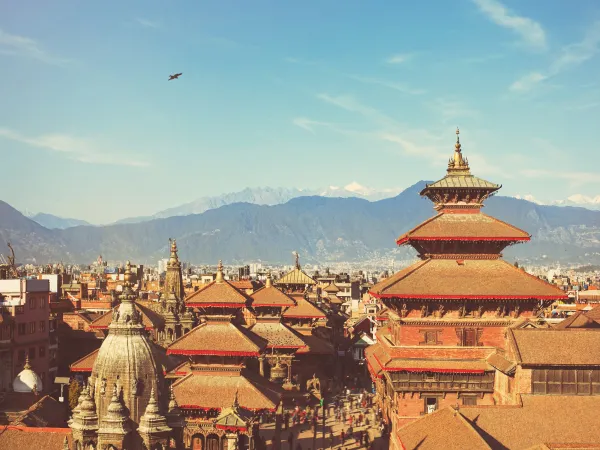
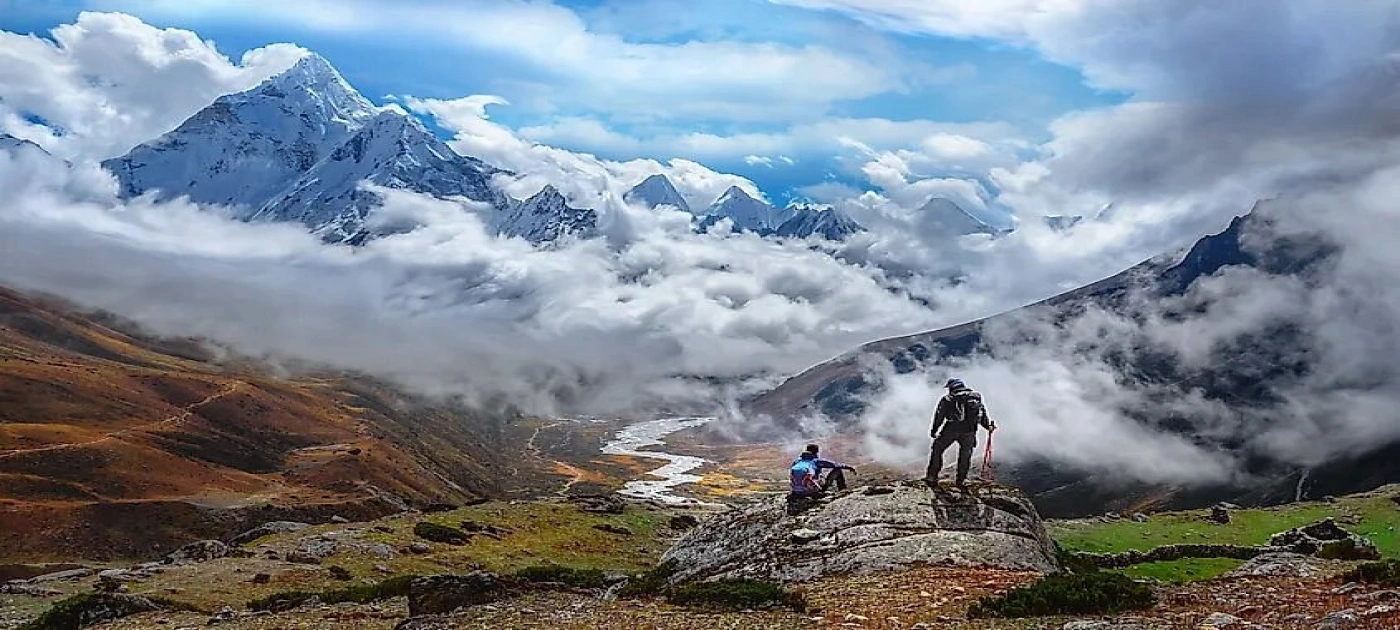
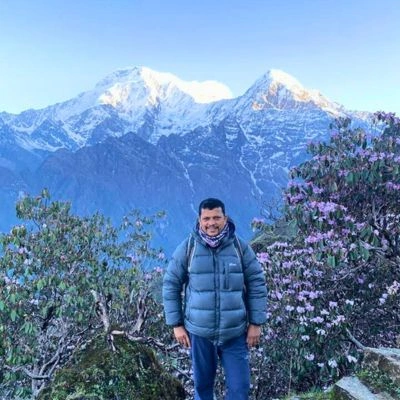
Nepal, the land of towering Himalayan peaks, vibrant cultures, and pristine valleys, continues to be the world’s premier trekking destination in 2026/2027. From the iconic trails of Everest Base Camp and the Annapurna Circuit to hidden gems like Upper Mustang and Dolpo, Nepal offers treks for every type of adventurer, whether you’re a first-time trekker or a seasoned high-altitude explorer. Each route combines breathtaking landscapes, unique wildlife, and rich local culture, providing more than just a journey; it offers a life-changing experience. With well-established teahouse networks, professional guides, and diverse trekking options, Nepal Treks and Tour ensures that every trek is safe, immersive, and unforgettable.
Why Nepal Remains the World’s No. 1 Trekking Destination
Nepal offers a rare combination: accessible trails, a welcoming culture, and breathtaking diversity. Within a single trek, you can walk from subtropical forests to glacier-fed valleys, sleep in teahouses beneath towering peaks, and share tea with villagers whose traditions date back centuries.
What’s New for 2026/2027
- Improved Infrastructure: Trails upgraded and lodges modernized after the 2025 tourism initiatives.
- Safer Regulations: Licensed guides are now mandatory for most routes, improving safety and local employment.
- Connectivity: Expanded mobile coverage and emergency communication networks.
- Sustainable Tourism Efforts: Focus on eco-friendly trekking and local community partnerships.
- These developments make 2026/2027 an ideal time to trek — whether you’re tackling the iconic Everest Base Camp or venturing into less-known valleys like Manaslu or Dolpo.
Top 10 Best Treks in Nepal for 2026/2027
Nepal offers an extraordinary diversity of trekking routes, from the legendary Everest trails to hidden valleys untouched by mass tourism. Each trek carries its own character — some showcase the raw power of the Himalayas, others highlight rich culture and warm local hospitality.
Based on field experience, traveler feedback, and current trail updates for 2026/2027, here are the 10 best treks in Nepal that promise unforgettable Himalayan adventures.
Everest Base Camp Trek (5,364 m)
Duration: 12–15 Days | Difficulty: Moderate to Challenging
No list of Nepal treks is complete without the Everest Base Camp Trek. It’s a once-in-a-lifetime journey into the heart of the Khumbu region, where every step brings you closer to the world’s highest mountain.
You’ll pass through Sherpa villages, visit Tengboche Monastery, and stand beneath the towering ice wall of Everest. The sunrise view from Kala Patthar (5,545 m) is one of the most iconic sights on Earth.
Highlights:
- Scenic flight to Lukla
- Namche Bazaar & Sherpa culture
- Everest Base Camp and panoramic peak views
- Ideal for: Trekkers seeking the classic Himalayan experience.
Annapurna Circuit Trek (5,416 m – Thorong La Pass)
Duration: 14–18 Days | Difficulty: Moderate
Once hailed as the world’s best long-distance trek, the Annapurna Circuit remains a timeless favorite. The route circles the Annapurna massif, crossing high passes, lush valleys, and ethnic villages rich in culture.
Why 2026/2027: The circuit has seen major improvements, newly marked side trails bypass the vehicle roads, restoring its original trekking charm.
Highlights:
- Thorong La Pass (5,416 m) — a thrilling high point
- Manang’s Tibetan-style culture
- Natural hot springs in Tatopani
- Best Season: March–May & October–November
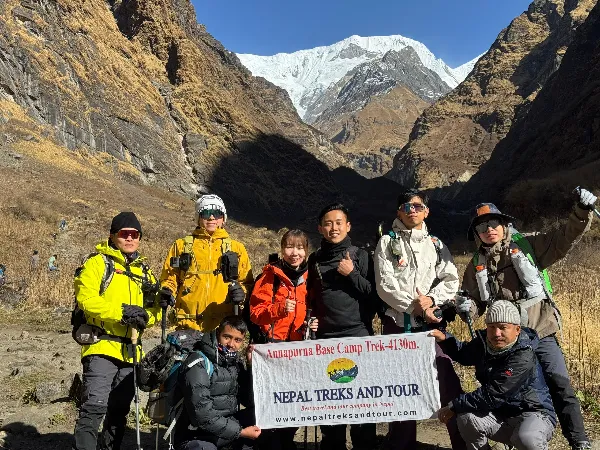
Annapurna Base Camp (ABC) Trek (4,130 m)
Duration: 7–10 Days | Difficulty: Moderate
A shorter yet equally stunning alternative to the Circuit, the Annapurna Base Camp Trek takes you to the heart of the Annapurna Sanctuary. Surrounded by towering peaks — Annapurna I, Machhapuchhre, and Hiunchuli — the amphitheater view is nothing short of magical.
Highlights:
- Close-up Himalayan panoramas
- Gurung villages and terraced farmlands
- Ideal for first-time trekkers
- Perfect For: Beginners with limited time but big ambitions.
Manaslu Circuit Trek (5,106 m – Larkya La Pass)
Duration: 14–20 Days | Difficulty: Challenging
Dubbed the “new Annapurna Circuit,” the Manaslu Trek circles the world’s eighth-highest mountain through restricted terrain, ancient monasteries, and remote valleys. It offers the wilderness and authenticity many trekkers crave.
Permit: Restricted Area Permit (RAP) required — handled by Nepal Treks and Tour.
Highlights:
- Larkya La Pass (5,106 m)
- Unspoiled landscapes and Tibetan culture
- Limited trekkers, a true off-the-beaten-path route
- Why Go in 2026/2027: Trail upgrades and community lodges make it more accessible while preserving its wild essence.
Langtang Valley Trek (4,984 m – Kyanjin Ri)
Duration: 7–10 Days | Difficulty: Moderate
Just a day’s drive from Kathmandu, Langtang Valley offers Himalayan beauty without long flights or crowds. Known as the “Valley of Glaciers,” it’s rich in Tamang heritage and natural diversity.
Highlights:
- Scenic trails through pine and rhododendron forests
- Kyanjin Gompa and panoramic Kyanjin Ri summit
- Authentic local homestays
- Ideal For: Short, rewarding trek near Kathmandu.
Upper Mustang Trek (3,840 m – Lo Manthang)
Duration: 12–14 Days | Difficulty: Moderate | Permit: Restricted
Step into a living museum of Tibetan culture in the ancient Kingdom of Lo Manthang. With its barren cliffs, medieval monasteries, and windswept caves, Upper Mustang feels like another world.
Highlights:
- Hidden caves of Chhoser
- Tiji Festival (May) in Lo Manthang
- Rain-shadow landscape, perfect for monsoon trekking
- Unique Feature: One of Nepal’s few treks open even during June–August.
Kanchenjunga Base Camp Trek (5,143 m)
Duration: 18–24 Days | Difficulty: Challenging | Permit: Restricted
For true adventurers, the Kanchenjunga Trek offers the ultimate remote Himalayan journey. Trek through pristine forests, wild rivers, and tiny mountain hamlets to the base of the world’s third-highest peak.
Highlights:
- Incredible biodiversity within the Kanchenjunga Conservation Area
- Genuine local interaction
- Very few trekkers, pure wilderness experience
- Best For: Experienced trekkers seeking solitude and raw nature.
Mardi Himal Trek (4,500 m)
Duration: 5–7 Days | Difficulty: Easy to Moderate
A rising star among short treks, the Mardi Himal Trek offers close-up views of Annapurna South and Machhapuchhre within just a few days. Less crowded and ideal for travelers seeking quiet mountain paths.
Highlights:
- Stunning ridge walks with 360° views
- Homestay experiences in Sidhing and Dhampus
- Excellent sunrise points
- Perfect For: Beginners, families, and time-limited travelers.
Ghorepani Poon Hill Trek (3,210 m)
Duration: 4–5 Days | Difficulty: Easy
A Nepal classic, ideal for beginners and families. The Poon Hill Trek rewards you with panoramic sunrise views over Dhaulagiri and the Annapurna range. Every step offers charming villages, rhododendron forests, and warm hospitality.
Highlights:
- Iconic Poon Hill sunrise
- Ghandruk village and Gurung culture
- Accessible year-round
- Best For: Short, scenic treks suitable for all ages.
Upper Dolpo & Phoksundo Lake Trek (5,151 m)
Duration: 18–25 Days | Difficulty: Strenuous | Permit: Restricted
Remote, mystical, and profoundly beautiful, Upper Dolpo remains one of Nepal’s least-touched regions. The trek passes through Shey Phoksundo National Park, with its turquoise alpine lake and ancient Bon monasteries.
Highlights:
- Shey Phoksundo Lake
- Centuries-old Bon Buddhist culture
- Camping adventure through wild, arid valleys
Best For: Experienced trekkers looking for isolation and authenticity.
Choosing Your Perfect Trek
Each of these routes offers a unique mix of adventure, landscape, and culture. Here’s a quick guide from Nepal Treks and Tour experts:
| Experience Level | Recommended Treks | Key Traits |
|---|---|---|
| Beginner / Family | Ghorepani, Mardi Himal, Langtang | Short, scenic, accessible |
| Intermediate | ABC, Annapurna Circuit, Everest Base Camp | Classic lodges, high passes |
| Advanced / Adventurous | Manaslu, Mustang, Dolpo, Kanchenjunga | Remote, rugged, cultural depth |
Quick Reference: Best Season by Trek
| Trek | Best Season | Alternate Season |
|---|---|---|
| Everest Base Camp | Mar–May / Oct–Nov | Dec–Feb (for solitude) |
| Annapurna Circuit | Mar–May / Oct–Nov | Jan–Feb (lower sections) |
| ABC Trek | Mar–May / Oct–Nov | Dec–Feb |
| Manaslu Circuit | Mar–May / Oct–Nov | Dec (cold but clear) |
| Langtang Valley | Mar–May / Sept–Nov | Winter (quiet trails) |
| Upper Mustang | May–Aug | Sep–Oct |
| Kanchenjunga | Mar–May / Oct–Nov | — |
| Mardi Himal | All year | — |
| Ghorepani – Poon Hill | All year | — |
| Dolpo & Phoksundo | Apr–Oct |
How to Choose the Right Trek in Nepal
With over 100 trekking routes stretching across Nepal, choosing the right trek can feel overwhelming — especially for first-time visitors. The key is to match your trek with your fitness level, available time, preferred comfort, and type of experience you want.
At Nepal Treks and Tour, we believe the perfect trek isn’t just about reaching the highest point — it’s about finding a route that fits you. Here’s how to decide:
Assess Your Fitness and Trekking Experience
Different treks in Nepal require varying levels of stamina and preparation.
| Experience Level | Recommended Treks | Why It Fits You |
|---|---|---|
| Beginner / First-Timer | Ghorepani-Poon Hill, Mardi Himal, Langtang Valley | Short trails, moderate altitude, great facilities |
| Intermediate | Annapurna Base Camp, Everest Base Camp, Annapurna Circuit | Longer duration, higher passes, but well-developed infrastructure |
| Experienced / Advanced | Manaslu Circuit, Upper Mustang, Kanchenjunga, Dolpo | Remote, challenging routes requiring strong endurance |
Pro Tip: If you’re new to high altitudes, start with Langtang or Annapurna Base Camp before attempting remote circuits.
Consider the Best Time to Trek
Your choice of trek should align with seasonal weather patterns:
- Spring (March–May): Blooming rhododendrons and warm days — ideal for most routes.
- Autumn (September–November): Clear skies, stable temperatures — peak trekking season.
- Winter (December–February): Cold but quiet; perfect for short lower-altitude treks.
- Monsoon (June–August): Rainy in most regions, but Upper Mustang and Dolpo remain dry and beautiful.
If your travel dates are fixed, choose a trek suited for that specific window rather than forcing your itinerary onto a difficult season.
Decide Between Popular and Off-the-Beaten-Path Routes
Ask yourself what you value most, comfort or solitude.
- Popular Treks (Everest Base Camp, Annapurna Circuit): Great infrastructure, comfortable lodges, strong cultural experience.
- Remote Treks (Manaslu, Dolpo, Kanchenjunga): Wild beauty, fewer crowds, but limited facilities and tougher terrain.
For 2026/2027, emerging routes like Mardi Himal and Ruby Valley are gaining attention for offering both accessibility and tranquility.
Choose Your Accommodation Style
Trekking in Nepal ranges from basic teahouse treks to luxury lodge treks and fully supported camping expeditions.
| Style | Regions Available | Features |
|---|---|---|
| Teahouse Trekking | Annapurna, Everest, Langtang | Cozy lodges, local food, interaction with villagers |
| Luxury Lodge Trekking | Everest, Annapurna | Premium lodges with ensuite rooms and hot showers |
| Camping Trekking | Dolpo, Kanchenjunga, Makalu | Remote areas with full support crew and kitchen service |
Expert Advice: If you prefer cultural immersion, choose teahouse treks. For pristine wilderness, go with guided camping treks.
Match Duration with Your Schedule
Your available time is one of the biggest factors in choosing the right trek.
| Duration | Trek Options | Average Cost (2026/2027) |
|---|---|---|
| 4–6 Days | Ghorepani, Mardi Himal | USD 800–1,200 |
| 7–12 Days | Annapurna Base Camp, Langtang | USD 1,200–1,800 |
| 13–20 Days | Everest Base Camp, Annapurna Circuit, Manaslu | USD 1,800–2,800 |
| 21+ Days | Dolpo, Kanchenjunga, Great Himalaya Trail | USD 3,000+ |
Understand Altitude and Acclimatization
Altitude sickness can affect anyone, regardless of age or fitness. Choose a trek that allows for gradual ascent and proper acclimatization days.
Sample acclimatization treks:
- Everest Base Camp: Extra night in Namche Bazaar & Dingboche.
- Manaslu Circuit: Rest in Samagaon before Larkya Pass.
Always follow the golden rule: “Climb high, sleep low.”
Prioritize Responsible and Sustainable Travel
At Nepal Treks and Tour, we emphasize eco-friendly practices such as:
- Avoiding single-use plastics
- Using refillable water bottles
- Supporting local teahouses and cooperatives
- Partnering with conservation initiatives in the Annapurna and Manaslu regions
When you trek responsibly, your adventure directly contributes to preserving Nepal’s natural and cultural heritage.
Seek Expert Guidance Before Booking
Every trekker’s goals are unique; that’s why personalized consultation matters.
Our Nepal Treks and Tour specialists review your experience, fitness, and travel window to recommend the perfect trek, ensuring both safety and satisfaction.
Choosing the right trek in Nepal means balancing your ambition, ability, and curiosity. Whether you crave Everest’s grandeur, Mustang’s mystique, or Langtang’s serenity, there’s a Himalayan trail waiting for you.
Trekking Seasons in Nepal
Nepal’s trekking seasons are shaped by its dramatic geography, from tropical lowlands to the world’s highest peaks. Each season offers a unique perspective on the Himalayas, making trekking possible almost year-round. Knowing when to trek is key to ensuring the best experience, whether you want clear mountain views, cultural encounters, or quieter trails.
Spring (March to May) – The Season of Blooms and Clarity
Best for: Annapurna Base Camp, Everest Base Camp, Langtang, Manaslu, and Mardi Himal
Spring is one of Nepal’s most popular trekking seasons, bringing mild temperatures, stable weather, and rhododendron forests in full bloom. The trails are alive with color, birdsong, and panoramic Himalayan views.
- Temperature: 16°C to 23°C (Kathmandu), cooler at altitude
- Highlights: Clear mornings, blooming flowers, great visibility
- Drawback: Busier trails on classic routes like Everest and Annapurna
Autumn (September to November) – The Peak Trekking Season
Best for: Everest Base Camp, Annapurna Circuit, Upper Mustang, Manaslu Circuit, Gokyo Valley
Autumn is Nepal’s golden season for trekking. After the monsoon clears, the skies turn crystal blue, revealing the full glory of the Himalayas. Temperatures are moderate, trails are dry, and teahouses operate at full service capacity.
- Temperature: 15°C to 25°C (Kathmandu), 5°C to 15°C (high altitude)
- Highlights: Superb mountain visibility, major festivals (Dashain, Tihar, Mani Rimdu)
- Drawback: High season crowds, book lodges and guides in advance
Winter (December to February) – Quiet Trails and Crisp Views
Best for: Ghorepani Poon Hill, Mardi Himal, Helambu, Lower Everest Region
Winter trekking in Nepal offers serenity and solitude. Lower altitude routes remain open, and the skies stay incredibly clear. Higher passes like Thorong La and Larkya La may be snowbound, but lower regions are peaceful and photogenic.
-
Temperature: Below 0°C at high altitudes; 10–18°C at lower elevations
-
Highlights: Fewer trekkers, quiet lodges, snow-capped panoramas
-
Drawback: Cold nights and limited teahouse services in remote regions
Monsoon (June to August) – The Season of Green Valleys and Offbeat Treks
Best for: Upper Mustang, Dolpo, Nar Phu Valley, Rara Lake
While most of Nepal experiences heavy rain, the trans-Himalayan regions, ying in the rain shadow of the Annapurna and Dhaulagiri ranges — remain dry and trek-friendly. This is also the season when the countryside turns lush and vibrant.
- Temperature: 20°C to 30°C in lower regions
- Highlights: Fewer tourists, colorful landscapes, unique photography
- Drawback: Rain, leeches, and occasional flight disruptions in central regions
Choosing the Best Trekking Season for You
| Season | Best Regions | Weather | Experience Type |
|---|---|---|---|
| Spring (Mar–May) | Annapurna, Everest, Langtang | Warm, clear mornings | Scenic & colorful |
| Autumn (Sep–Nov) | Everest, Manaslu, Mustang | Cool, stable, clear | Classic treks, festivals |
| Winter (Dec–Feb) | Lower Annapurna, Helambu | Cold but clear | Peaceful, cultural |
| Monsoon (Jun–Aug) | Mustang, Dolpo | Rainy elsewhere | Remote & spiritual |
Every season in Nepal tells its own story — spring’s color, autumn’s clarity, winter’s calm, and monsoon’s mystery.
The best time to trek isn’t just about weather; it’s about what kind of journey you want. Whether you chase rhododendron blooms in March or Mustang’s desert trails in July, Nepal’s mountains are ready to welcome you — every month of the year.
Trekking Permits & Costs (Updated 2026/2027)
Permits are required on almost all trekking routes in Nepal; different regions have different permit types (National Parks, Conservation Areas, Restricted Areas), and cost depends on region, season, duration, and whether you are foreign or SAARC (South Asia) national. Working with a licensed trekking operator like Nepal Treks and Tour simplifies the paperwork and ensures everything is in order.
Here are current rates and what to budget for.
Key Types of Permits / Fees
| Permit Type | Description |
|---|---|
| TIMS Card (Trekkers’ Information Management System) | A registration system for tracking trekkers for safety and rescue, often required for most non-restricted treks. |
| Conservation Area Permit (e.g. ACAP, MCAP, KCAP) | Needed when trekking through conservation areas. Helps fund conservation and local community projects. |
| National Park Entry Permit | Required entering national parks in many treks (e.g., Sagarmatha, Langtang, Shey-Phoksundo). |
| Restricted Area Permit (RAP) | For high-remoteness, border or sensitive zones (e.g. Upper Mustang, Manaslu, Dolpo, Kanchenjunga etc.). |
| Local / Municipal Fees | Depending on ward, rural municipality, or border-region, there may be small additional fees. |
Typical Permit Costs
Here are sample rates (2025 data, expected largely valid or gradually adjusted into 2026/2027). Use these to estimate budgeting.
| Region / Permit | When | Cost for Foreign Trekkers | Notes / Additional Fees |
|---|---|---|---|
| Annapurna Conservation Area Permit (ACAP) | All seasons | ~ NPR 3,000 (~ USD 25-30) | Same for full duration; SAARC nationals often pay less. |
| Manaslu Conservation Area Permit (MCAP) | All seasons | ~ NPR 3,000 (~ USD 25-30) | Paid once; needed in addition to Restricted Area Permit for Manaslu Circuit. |
| National Park Permits (e.g. Sagarmatha, Langtang, Shey-Phoksundo) | All seasons | ~ NPR 3,000 (~ USD 25-30) for foreigners; lower for SAARC nationals | |
| TIMS Card | All treks needing registration | Approx USD 17-30 (or equivalent in NPR), |
Restricted Area Permit (RAP) Costs: Major Regions
These are the more expensive permits, often with sliding fees based on season and duration.
| Region | Peak Season Cost | Off-Peak / Less Busy Season Cost | Details / Duration Notes |
|---|---|---|---|
| Upper Mustang | USD 500 for the first 10 days | USD 50/day thereafter if trek is longer than 10 days | |
| Upper Dolpa | USD 500 for first 10 days | USD 50/day after that | |
| Manaslu Area | September-November: USD 100/week, USD 15/day beyond 1 week | December-August: USD 75/week, USD 10/day beyond 1 week | |
| Tsum Valley (in Gorkha / Manaslu region) | ~ USD 40/week, USD 7/day beyond 1 week (Sept-Nov) | ~ USD 30/week, same daily extension rate off-season | |
| Humla | USD 50/week, USD 10/day beyond 1 week | ||
| Lower Dolpa | ~ USD 20/week, USD 5/day off beyond 1 week |
Sample Total Costs for Permits + Associated Fees
To help plan, here are sample permit cost totals for some popular treks (foreign trekkers) in 2026/2027 (estimates based on latest data + expected inflation):
| Trek | Typical Permits Needed | Approximate Permit & Fee Total |
|---|---|---|
| Everest Base Camp | Sagarmatha NP Entry + Local municipality fees + TIMS Card | ~ NPR 3,000-4,000 + ~$25-30 USD (~ USD 40-70 equivalent) |
| Annapurna Base Camp | ACAP + TIMS + possibly local entry municipal fees | ~ NPR 3,000 + ~$25-30 (≈ USD 40-70) |
| Manaslu Circuit (peak season, one week) | MCAP + Manaslu RAP + TIMS | RAP ~$100 + MCAP ~$25 + TIMS ~$20 → USD ~145–160 (or more if more days) |
| Upper Mustang (10-day trek) | Restricted Area Permit for 10 days + TIMS + any NP / local fees | ~ USD 500 + maybe ~$20–30 + local fees → USD ~530-600+ |
Other Cost Considerations & Hidden Fees
- Guide & Porter Costs: Many restricted areas require licensed guides, group minimums, etc., which adds to cost. Guides often cost more in remote regions.
- Transportation to Trailhead: Flights or long jeep rides can be expensive, especially in remote Western/Northern regions.
- Accommodation & Meals: Remote trails have fewer lodges; sometimes lodging costs rise significantly.
- Emergency & Rescue Insurance: Highly recommended — remote trek insurance or helicopter rescue coverage.
- Equipment Rental: Might be needed for certain gear in high/remote treks.
- Peak Season Premiums: Costs for permits/lodges/transportation often spike in the best seasons (spring & autumn).
For 2026/2027, trekkers should expect to spend somewhere between USD 40-70 in permit fees for standard treks (Everest Base Camp, ABC) + required conservation park fees, up to USD 500+ for premium restricted areas like Upper Mustang for a ~10-day trek. For long treks in very remote areas, the cost for permits alone can run to several hundred dollars. All told, when planning a trek, it’s wise to allocate ~10-20% extra in your budget for permits, fees, and associated permit-linked costs.
Preparation, Packing & Acclimatization for Nepal Treks
Successful trekking in Nepal depends on three key elements: preparation, smart packing, and proper acclimatization. Proper planning ensures safety, comfort, and an unforgettable Himalayan experience.
Physical Preparation & Fitness
Even moderate treks in Nepal involve long daily hikes, steep ascents, and high altitudes. Early preparation helps prevent exhaustion and altitude sickness.
Fitness Tips (4–6 Weeks Before Trek):
- Cardiovascular Training: Hiking, jogging, or cycling 4–5 times per week.
- Strength Training: Focus on legs, core, and back muscles for trekking with a backpack.
- Endurance Hikes: Practice 2–3 hikes per week with a loaded backpack (5–10 kg).
- Flexibility & Balance: Yoga or stretching to prevent injuries.
Smart Packing Checklist
Packing light while carrying essentials is crucial. Here’s what Nepal Treks and Tour recommends for 2026/2027:
Clothing:
- Base layers (moisture-wicking)
- Insulating layers (fleece or down jackets)
- Waterproof jacket and pants
- Trekking pants and shirts
- Gloves, hat, scarf/buff
- Thermal socks and trekking boots
Gear & Accessories:
- Trekking backpack (30–50L)
- Sleeping bag (rated -10°C to -15°C for high-altitude treks)
- Trekking poles for steep ascents/descents
- Headlamp with spare batteries
- Sunglasses & sunscreen (UV is stronger at altitude)
- Refillable water bottle or hydration system
- Personal first-aid kit & medications (including Diamox if prescribed)
Documentation & Money:
- Passport, trekking permits (TIMS, ACAP, RAP, etc.)
- Travel insurance with rescue coverage
- Local currency (NPR) and backup USD
Optional Items:
- Camera or GoPro
- Snacks/energy bars
- Portable charger/power bank
- Light trekking shoes or sandals for lodge comfort
Acclimatization & Altitude Awareness
Nepal’s treks often reach high altitudes above 3,000 meters, where the risk of Acute Mountain Sickness (AMS) rises. Proper acclimatization is essential to stay safe.
Guidelines for Safe Acclimatization:
- Climb High, Sleep Low: Ascend gradually, then rest at lower altitudes.
- Take Rest Days: Spend an extra day in Namche Bazaar (EBC) or Manang (Annapurna Circuit) to adapt.
- Hydrate & Eat Well: Drink 3–4 liters/day; maintain calorie intake.
- Monitor Symptoms: Watch for headache, nausea, dizziness, or fatigue. Stop ascent if symptoms worsen.
- Medication & Oxygen: Carry Diamox if prescribed; supplemental oxygen for emergency only.
High-Risk Treks:
- Everest Base Camp, Annapurna Circuit (Thorong La Pass), Manaslu Circuit, Kanchenjunga
- Include 1–2 acclimatization days at midpoints for safety
Mental & Cultural Preparation
Preparation isn’t just physical, being mentally ready and culturally aware enhances the trekking experience:
- Learn basic Nepali phrases: “Namaste”, “Dhanyabad.”
- Be patient with teahouse amenities — electricity and hot water can be limited
- Respect local customs, monasteries, and villages
- Prepare for variable weather — sudden snow, rain, or wind can occur
Key Takeaways
- Fitness first: Build stamina and strength before trekking.
- Pack smart: Focus on essentials, layering, and comfort.
- Acclimatize properly: Gradual ascent saves lives.
- Prepare mentally & culturally: Respect local traditions and adapt to conditions.
Following these guidelines ensures your trek in 2026/2027 is safe, enjoyable, and transformative, whether you’re trekking to Everest Base Camp, Annapurna, or Upper Mustang.
Nepal’s trails offer more than just scenic vistas; they deliver a journey into the heart of the Himalayas, blending adventure, culture, and personal discovery. Whether you choose the bustling paths of Everest Base Camp, the diverse landscapes of the Annapurna Circuit, or the remote beauty of Upper Mustang and Dolpo, each trek promises a unique and transformative experience. Planning with the guidance of Nepal Treks and Tour ensures you navigate permits, accommodations, and acclimatization with ease, making your 2026/2027 Himalayan adventure both safe and unforgettable. Embark on your trek and discover why Nepal continues to be the world’s number-one trekking destination.
Best Trekking in Nepal for 2026/2027 – FAQs
Q: When is the best time to trek in Nepal in 2026/2027?
A: The best trekking seasons are Spring (March–May) and Autumn (September–November), offering clear skies, stable weather, and panoramic Himalayan views. Winter is suitable for lower-altitude treks, while monsoon is ideal for rain-shadow regions like Upper Mustang and Dolpo.
Q: Which trek is easiest for beginners?
A: For beginners, Ghorepani-Poon Hill, Mardi Himal, and Langtang Valley treks are ideal. They are short, well-supported by teahouses, and have moderate altitude gain, making them safe and rewarding first-time Himalayan experiences.
Q: Do I need permits for trekking in Nepal?
A: Yes. Most treks require a TIMS card, Conservation Area Permit, or National Park Entry Permit. Restricted areas such as Upper Mustang, Manaslu, and Dolpo require a Restricted Area Permit (RAP). Nepal Treks and Tour handles all permit arrangements for a smooth experience.
Q: How much does trekking in Nepal cost in 2026/2027?
A: Permit fees range from USD 40–70 for standard treks (Everest Base Camp, Annapurna), and USD 500+ for restricted regions (Upper Mustang). Total cost depends on trek length, accommodation, meals, guide & porter fees, and transportation.
Q: Do I need to be fit to trek in Nepal?
A: Yes, fitness is important. Even moderate treks involve long daily hikes, steep ascents, and high-altitude conditions. Preparing with cardio, strength training, and practice hikes is highly recommended to reduce fatigue and altitude risks.
Q: How do I prevent altitude sickness?
A: Follow these acclimatization tips:
- Climb gradually and rest at intermediate altitudes (“climb high, sleep low”)
- Take acclimatization days in Namche Bazaar (EBC) or Manang (Annapurna Circuit)
- Hydrate well and eat enough calories
- Monitor symptoms like headache, nausea, dizziness; descend if severe
Q: What should I pack for trekking in Nepal?
A: Essential items include:
- Layered clothing (base, insulating, waterproof)
- Trekking boots and socks
- Backpack (30–50L), sleeping bag (-10°C/-15°C)
- Trekking poles, headlamp, sunglasses, sunscreen
- Personal first aid kit, trekking permits, and travel insurance
Q: Are guides and porters necessary?
A: While not mandatory on all trails, guides and porters are highly recommended for:
- Safety, navigation, and cultural guidance
- Carrying gear to reduce fatigue
- Required in restricted areas like Upper Mustang and Manaslu
Q: Can families or children trek in Nepal?
A: Yes, treks like Ghorepani-Poon Hill, Mardi Himal, and Langtang Valley are family-friendly. Children above 10–12 years with moderate fitness can handle these routes comfortably with proper supervision.
Q: How do I choose the right trek for 2026/2027?
A: Consider:
- Fitness & trekking experience
- Time available
- Desired difficulty & altitude
- Season and weather conditions
- Accommodation preference (teahouse, lodge, camping)
If you need any further information, please feel free to contact us via email at info@nepaltreksandtour.com or by phone/WhatsApp at +977-9851013072.