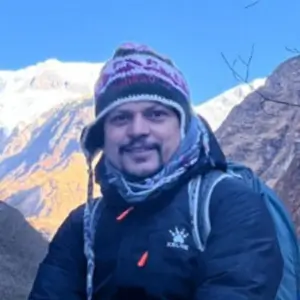
Trekking in Nepal is an unforgettable adventure, offering breathtaking landscapes, rich cultural experiences, and challenging trails. However, it also comes with physical demands, unpredictable weather, basic facilities in remote areas, and altitude-related risks. Proper preparation, respect for local customs, and realistic expectations are key to enjoying the journey safely and fully.

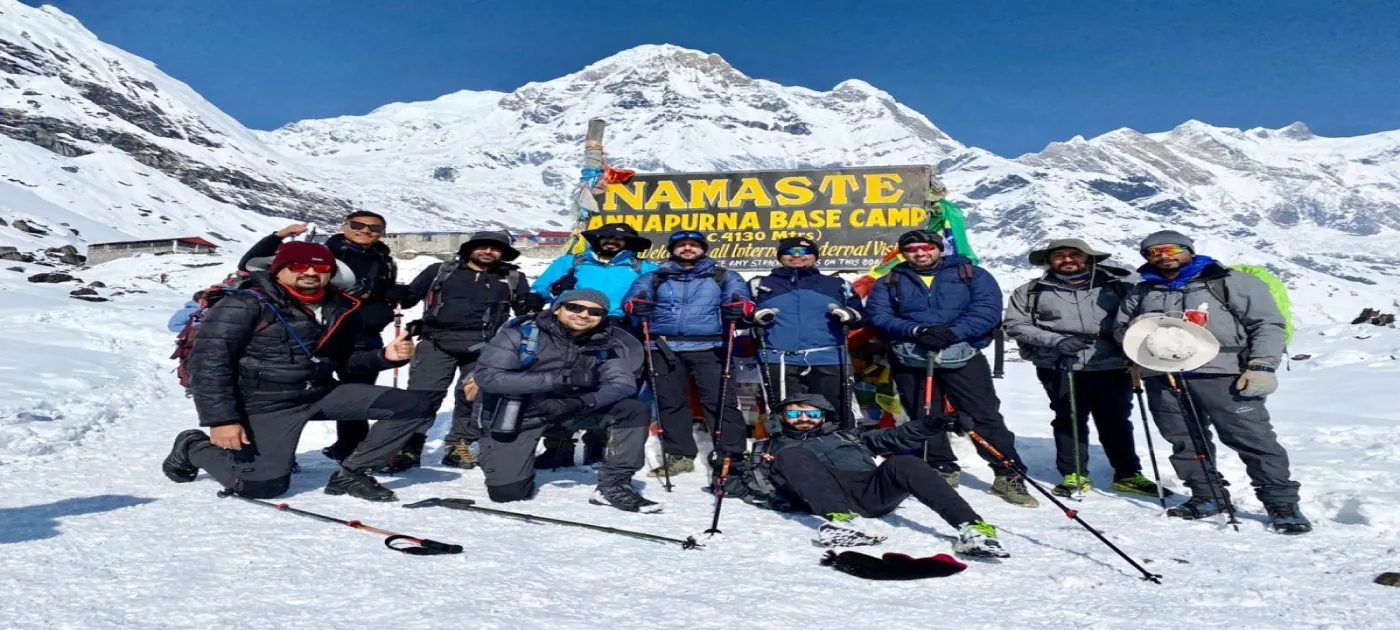
10 Honest Truths About Trekking in Nepal
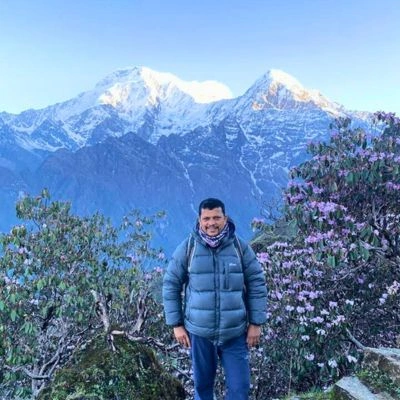
Trekking in Nepal is a dream for many travelers. With iconic trails in the Himalayas, breathtaking landscapes, and rich culture, it promises a life-changing adventure. But beyond the Instagram-perfect views, there are some honest truths every trekker should know before setting out.
Trekking in Nepal Is More Challenging Than You Expect
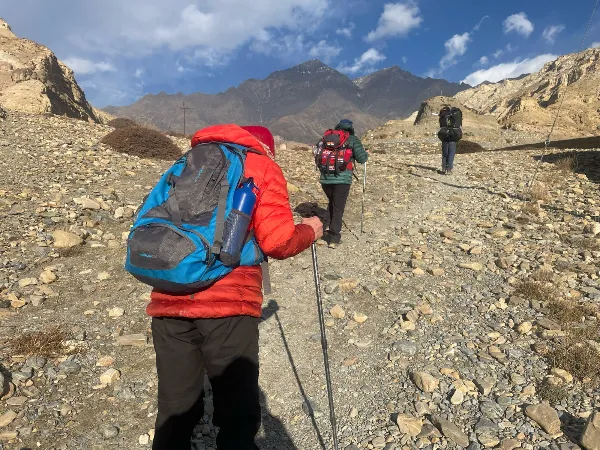
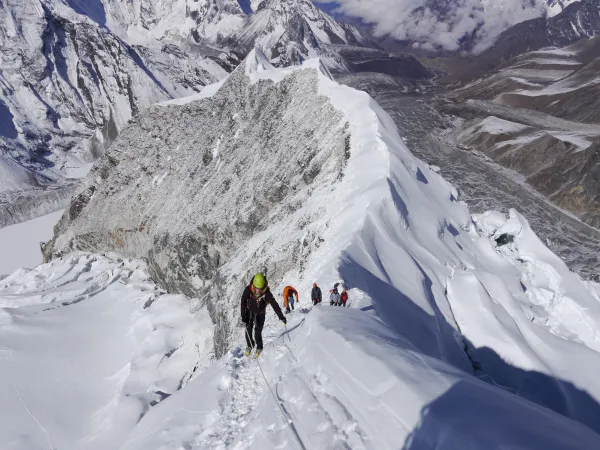
Many first-time trekkers assume popular routes are easy, but the reality is different. Trails often involve 6–8 hours of walking daily, steep ascents, uneven stone steps, and high altitudes that slow your pace.
Even “moderate” treks can feel exhausting due to thin air and continuous elevation gain. Mental endurance becomes just as important as physical strength. Preparing with hikes, cardio, and long walks before your trip can make a huge difference.
Altitude Sickness Is Real and Can Affect Anyone
Altitude sickness (Acute Mountain Sickness) is one of the biggest risks in the Himalayas. It doesn’t matter if you’re young, fit, or experienced—anyone can be affected.
Symptoms include:
- Headache
- Nausea
- Dizziness
- Fatigue
The key is slow ascent and acclimatization days. Ignoring symptoms can lead to serious conditions, so always listen to your body and descend if necessary.
You Don’t Need to Be an Athlete, But Fitness Matters
You don’t need elite fitness, but you do need basic stamina and strength. Trekking involves repeated uphill climbs, long walking hours, and carrying a daypack.
Good preparation includes:
- Walking or hiking regularly
- Cardio workouts (running, cycling)
- Leg strength exercises
Being moderately fit helps you enjoy the journey instead of just enduring it.
Weather in the Himalayas Is Unpredictable
The weather in the Himalayas can change within minutes. A clear morning can turn into snowfall or heavy rain by afternoon.
Trekkers should:
- Dress in layers
- Carry waterproof gear
- Expect delays or route changes
The best seasons are spring and autumn, but even then, unpredictability is part of the adventure.
Teahouse Trekking Is Simple but Comfortable
One of the unique aspects of trekking in Nepal is the teahouse system, small lodges run by local families.
You can expect:
- Basic rooms with twin beds
- Shared bathrooms
- Warm communal dining areas
While not luxurious, teahouses provide comfort, warmth, and a chance to meet fellow trekkers from around the world.
Wi-Fi and Charging Are Limited (and Often Cost Extra)
Connectivity becomes a luxury as you go higher. Wi-Fi is slow and unreliable, and charging devices often comes with a fee.
Instead of constant scrolling, this is a great chance to:
- Disconnect from digital life
- Be present in nature
- Enjoy meaningful conversations
Think of it as a digital detox in the mountains.
Local Food Is Basic but Nourishing
Food on trekking routes is simple but designed to fuel your body. The most common meal is Dal Bhat—a combination of rice, lentils, vegetables, and sometimes meat.
Why it works:
- High in energy
- Easily digestible
- Often comes with unlimited refills
Menus may also include noodles, soups, pancakes, and tea, giving you enough variety during long treks.
Guides and Porters Enhance Your Experience Significantly
Hiring a guide or porter is not just about convenience—it enhances safety and cultural understanding.
Benefits include:
- Navigation and route planning
- Local knowledge and storytelling
- Reduced physical strain (with porters)
They also help you connect more deeply with the local culture, making your journey more meaningful.
The Views Are Worth Every Step of the Journey
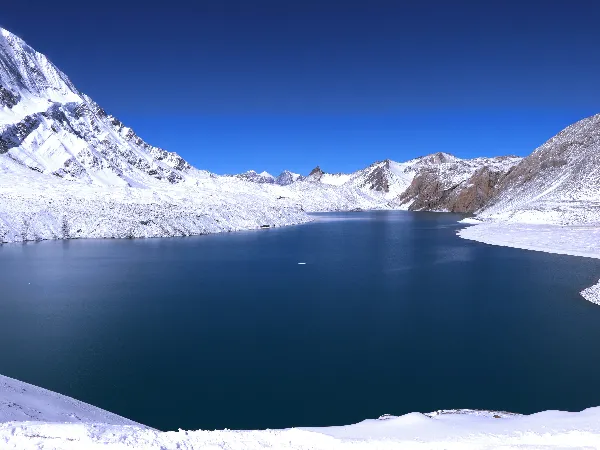
After hours of trekking, the reward is breathtaking: snow-capped peaks, vast valleys, and peaceful landscapes.
Moments like:
- Sunrise over the Himalayas
- Walking above the clouds
- Quiet mountain villages
These experiences make every challenge worthwhile and unforgettable.
Trekking in Nepal Is as Much a Cultural Experience as an Adventure
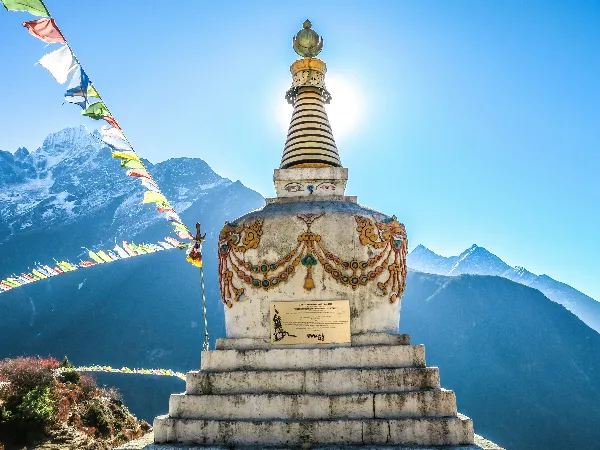
Trekking routes pass through villages inhabited by diverse ethnic communities. You’ll experience traditions, monasteries, prayer flags, and local lifestyles.
It’s not just a physical journey, it’s a cultural immersion that offers:
- Insight into Himalayan life
- Spiritual experiences
- Genuine human connections
FAQ: 10 Honest Truths About Trekking in Nepal
Is trekking in Nepal suitable for beginners?
- Yes, many trekking routes in Nepal are beginner-friendly. However, basic fitness and proper preparation are important for a safe and enjoyable experience.
What is the best time for trekking in Nepal?
- The best time is during spring (March–May) and autumn (September–November) when the weather is stable and mountain views are clear.
How dangerous is altitude sickness in Nepal?
- Altitude sickness can be serious if ignored. Proper acclimatization, hydration, and gradual ascent significantly reduce the risk.
Do I need a guide for trekking in Nepal?
- While not always mandatory, hiring a guide is highly recommended for safety, navigation, and a richer cultural experience.
What food is available during trekking?
- Most teahouses serve simple meals like Dal Bhat, noodles, soups, and tea, designed to provide energy for long trekking days.
Is Wi-Fi available during treks?
- Wi-Fi is available in some areas but is slow, unreliable, and often paid. Expect limited connectivity at higher altitudes.
How fit do I need to be for trekking in Nepal?
- You should have moderate fitness, including the ability to walk 5–7 hours daily. Regular walking or hiking before your trip helps a lot.
Now that you know what trekking in Nepal really looks like, the next step is preparation—check out our detailed guide on trekking in Nepal for beginners to start planning your journey with confidence.
Need Help? Call Us
Need Help? Call Us+9779851013072