Nepal is an excellent destination for first-time trekkers. Beginners can choose relatively easy and short routes with gradual altitude gains, comfortable teahouse accommodation, and professional guide support. Popular beginner-friendly options include the Ghorepani Poon Hill Trek, Mardi Himal Trek, lower-altitude sections of the Annapurna region, and other short Himalayan treks. Your ideal trek depends on your fitness, available time, walking experience, and altitude tolerance.
You don't need to be an athlete to stand under a Himalayan sunrise. That's the honest truth about trekking in Nepal: it's one of the most welcoming adventure trips on earth, and thousands of first-timers do it every year without any climbing experience. Here's why it works so well for beginners:
- Trails are clearly marked and walked by thousands of people every season
- You sleep in real beds and eat hot meals at teahouses along the way — no tents required
- Trips cost far less than most people expect
- Local guides and porters are easy to hire and know the routes by heart
- You don't need ropes, crampons, or any climbing skill just your legs and a good pair of boots
Most beginner routes involve 4 to 7 hours of walking a day, at a pace you control. If you can manage a long hike at home, you can manage this.
What Trekking in Nepal Actually Means
Trekking is simply walking, day after day, through mountains, forests, rivers, and small villages, staying in local lodges called teahouses along the way.
It is not mountaineering. There's a big difference:
| Trekking |
Mountaineering |
| Walking on marked trails |
Climbing technical terrain |
| No special gear needed |
Ropes, crampons, ice axes required |
| Beginner-friendly |
Needs training and experience |
Nepal's most popular trekking regions are:
- Annapurna — the most beginner-friendly region overall
- Everest (Khumbu) — dramatic scenery, slightly tougher
- Langtang — closest to Kathmandu, quieter trails
- Manaslu — remote and less crowded
- Mustang & Dolpo — dry, desert-like landscapes
The 5 Best Beginner Treks in Nepal
If you're picking your first trek, start here. These five routes are proven, well-supported, and realistic for someone with average fitness.
Duration: 4–5 days | Max Altitude: 3,210 m
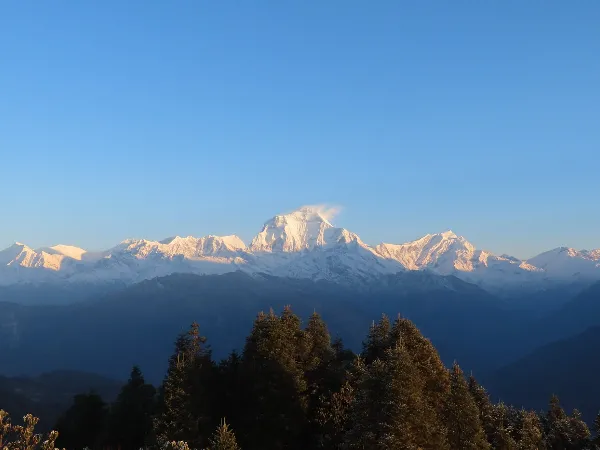
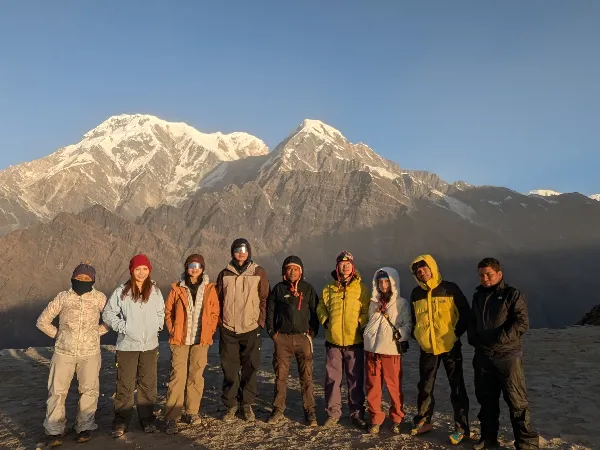
This is the trek most guides recommend for absolute beginners, and for good reason. Short days, gentle trails, and one of the best sunrise viewpoints in the entire Himalayas.
What makes it special:
- Sunrise over Dhaulagiri and Annapurna from Poon Hill
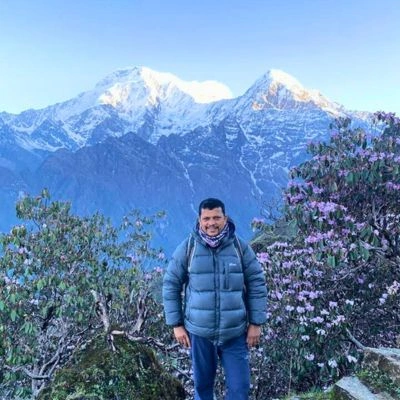
- Walking through blooming rhododendron forests
- Short, manageable daily distances
2. Langtang Valley Trek — Closest Himalayan Escape to Kathmandu
Duration: 7–10 days | Max Altitude: 3,870 m
Langtang sits just north of Kathmandu, so you save travel time while still getting glacier views and a genuine Tamang cultural experience — with far fewer crowds than Everest or Annapurna.
Highlights: glacier scenery, Tamang villages, quieter trails.
3. Mardi Himal Trek — For Trekkers Who Want to Avoid the Crowds
Duration: 5–7 days | Max Altitude: 4,200 m
Mardi Himal is the trek to pick if you want close-up views of Machapuchare (Fishtail Mountain) without walking alongside hundreds of other trekkers.
Highlights: ridge walking, peaceful trails, dramatic mountain close-ups.
4. Everest View Trek — See Everest Without the Extreme Altitude
Duration: 5–7 days | Max Altitude: 3,867 m
Want to see Everest without committing to Base Camp's altitude and duration? This shorter route gets you Sherpa culture, a scenic mountain flight, and real views of Everest and Ama Dablam.
5. Helambu Trek — Nepal's Best-Kept Beginner Secret
Duration: 5–6 days | Max Altitude: 3,650 m
Close to Kathmandu, quiet, and culturally rich — Helambu is ideal if you want a genuine Himalayan experience without a long approach.
How Hard Is It, Really? Trekking Difficulty Explained
| Level |
What to Expect |
| Easy |
3–5 hours walking daily, lower altitude |
| Moderate |
5–7 hours daily, gradual altitude gain |
| Challenging |
Above 4,000 m, longer days |
Good news: almost every beginner trek in Nepal falls into the easy-to-moderate range.
What Does Trekking in Nepal Actually Cost?
Budgeting is often the biggest worry for first-timers, so here's a realistic breakdown per person:
| Expense |
Estimated Cost |
| Permits |
$30 – $50 |
| Guide |
$25 – $35 per day |
| Porter |
$15 – $25 per day |
| Teahouse accommodation |
$5 – $15 per night |
| Food |
$20 – $30 per day |
Total estimated cost: $400 to $1,000 per person, depending on your route, trip length, and whether you hire a guide or porter.
Permits You'll Need Before You Go
Almost every trekking route requires:
- TIMS Card (Trekkers' Information Management System) tracks trekkers for safety
- National park or conservation area permit, such as:
These are not complicated requirements; they fund trail maintenance and conservation, and they help rescue teams locate trekkers if something goes wrong.
Choosing the right season can make or break your first trek. Here's how each one compares.
Spring (March–May) — Best Overall for Beginners
Warm days, blooming rhododendrons, and clear mountain views make spring a favorite.
- Lower regions: 10°C to 20°C
- Higher regions: -5°C to 10°C
- Best treks: Ghorepani Poon Hill, Mardi Himal, Langtang Valley
Autumn (September–November) — Peak Trekking Season
If you want the clearest skies and the most reliable weather, autumn wins. This is Nepal's busiest and most photogenic trekking season, and it overlaps with major festivals like Dashain and Tihar.
- Lower regions: 10°C to 18°C
- Higher regions: -10°C to 10°C
- Best treks: Everest View Trek, Annapurna Base Camp, Langtang Valley
Winter (December–February) — Quiet and Budget-Friendly
Fewer trekkers, clear skies, and lower prices — but expect real cold, especially at higher elevation.
- Temperatures can drop below -15°C at high altitude
- Best treks: Ghorepani Poon Hill, Helambu, lower Annapurna routes
Stick to low-altitude treks in winter if it's your first trip.
Monsoon (June–August) — Best Avoided by Beginners
Heavy rain, slippery trails, leeches, and poor visibility make this the toughest season to trek in.
Exception: the rain-shadow regions of Upper Mustang and Dolpo stay dry even during monsoon.
10 Practical Tips for First-Time Trekkers in Nepal
- Choose an easy or moderate route. Save the high-altitude treks for your second trip.
- Walk your own pace. Rushing burns you out and increases altitude sickness risk.
- Drink 3–4 liters of water a day. Hydration is your best defense against fatigue and altitude issues.
- Acclimatize properly. Take rest days above 3,000 m instead of pushing straight through.
- Pack light, not heavy. Lightweight layers, sturdy trekking boots, and rain protection cover most situations.
- Hire a guide or porter. It's affordable, improves safety, and adds real cultural insight to your trip.
- Train beforehand. A few weeks of walking or cardio makes a noticeable difference on the trail.
- Get travel insurance that covers high-altitude trekking and evacuation. Don't skip this.
- Eat properly on the trail. Warm meals and carbs keep your energy steady through long days.
- Time your trip for spring or autumn for the most reliable weather and views.
FAQs
Is trekking in Nepal suitable for beginners?
Yes. Nepal has many easy and moderate routes with clear trails and teahouse lodging, and none of them require technical climbing skills.
What is the easiest trek in Nepal?
The Ghorepani Poon Hill Trek. It's short, scenic, and famous for its Himalayan sunrise views — a favorite first trek for good reason.
Do beginners need a guide for trekking in Nepal?
It's not always required, but it's strongly recommended. A licensed guide adds safety, easier navigation, and local knowledge you won't get on your own.
What is the best time for trekking in Nepal?
Spring (March–May) and autumn (September–November) offer the clearest skies and most stable weather for mountain views.
How much does trekking in Nepal cost?
Most beginner treks cost between $400 and $1,000 per person, depending on the route, trip length, and whether you hire a guide or porter.
Do I need to be very fit to trek in Nepal?
Not extremely fit but basic fitness helps. A few weeks of regular walking or light cardio before your trip makes the trek far more comfortable.
What permits are required for trekking in Nepal?
A TIMS Card, plus a national park or conservation area permit relevant to your route (such as ACAP for Annapurna or the Sagarmatha permit for Everest).
It can be, especially above 3,000 m. Walking slowly, staying hydrated, and taking rest days for acclimatization significantly reduce the risk.
What kind of accommodation is available on the trail?
Teahouses simple mountain lodges offering basic rooms and hot meals along nearly every popular route.
Can I Use a Credit or Debit Card in Nepal?
Yes, Visa and Mastercard are widely accepted in hotels, restaurants, shops, and travel businesses in cities, but carry Nepali rupees in cash for remote areas and trekking routes where card payments may not be available.
Is trekking in Nepal safe?
Yes, when you choose a suitable route, prepare properly, and ideally trek with a guide. Millions of trekkers complete these routes safely every year.