Trekking in Nepal is a dream for many travelers, but one big question often comes first: “Am I fit enough to do this?” The simple answer is, you don’t need to be super fit, but you do need to be prepared. Nepal offers a wide range of trekking experiences, from easy village walks to challenging high-altitude adventures. Your required fitness level depends on the trek you choose, your pace, and how well you prepare before your trip.
You’ll learn exactly how fit you need to be, what to expect, and how to prepare step by step, in a clear and practical way.
Do You Need to Be Very Fit for Trekking in Nepal?
You do not need to be an athlete or a professional hiker. Most trekkers are regular travelers with average fitness levels.
However, trekking in Nepal is not a casual walk in the park. It involves:
- Walking for several hours daily
- Gradual altitude gain
- Uneven trails (stone steps, hills, forests)
If you can stay active for multiple days and walk regularly, you can do it.
What Level of Fitness Is Required for Different Treks?
Different treks require different fitness levels. Choosing the right trek is key.
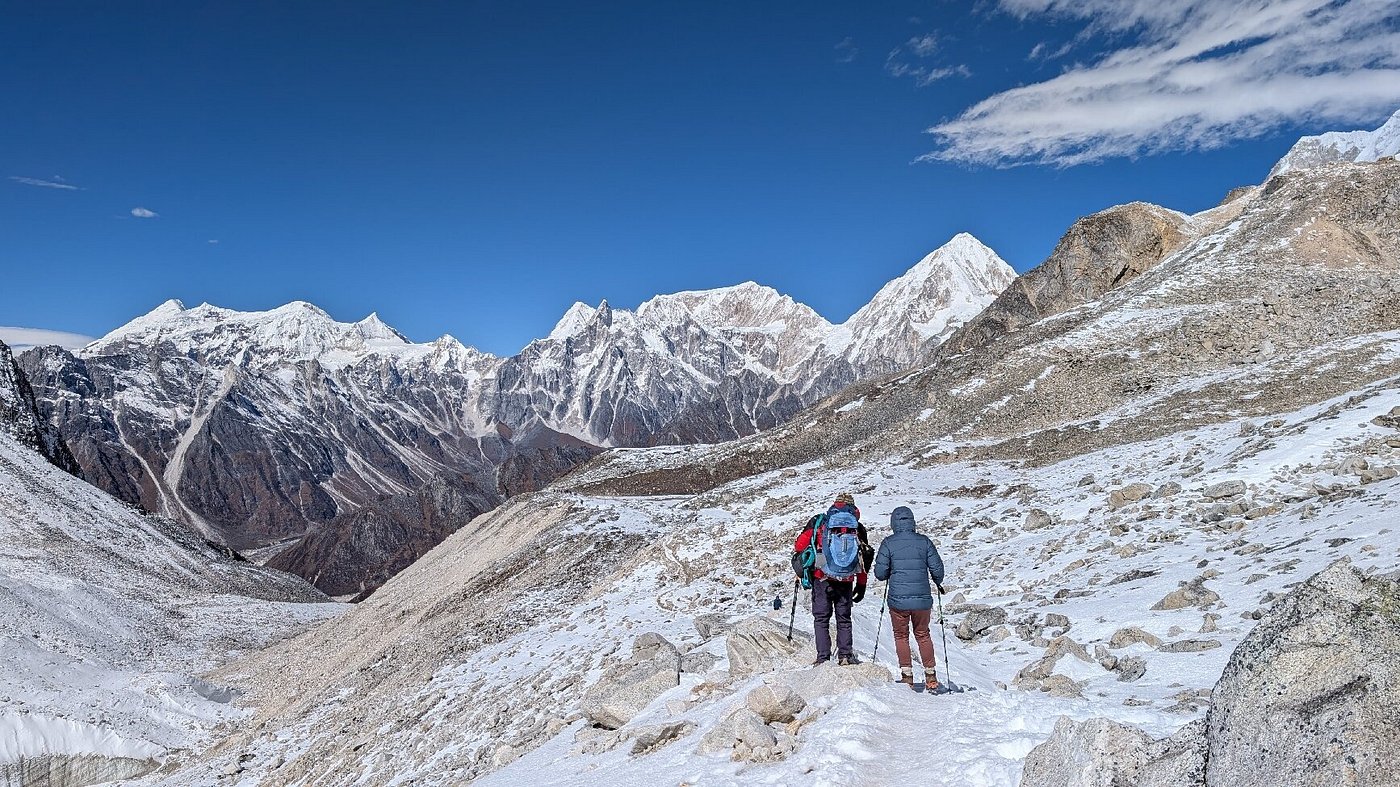
Trek Difficulty vs Fitness Level
Key takeaway: Start with an easier trek if you are unsure about your fitness.
What Physical Activities Should You Be Comfortable With?
Before trekking in Nepal, you should be comfortable with basic physical activities.
Minimum Physical Ability
- Walking 10–15 km per day
- Climbing stairs for 1–2 hours
- Carrying a light backpack (5–8 kg)
- Staying active for multiple days in a row
If You Struggle With:
- Short walks
- Breathing during light activity
- Knee pain on stairs
Then you should train before your trek.
How Many Hours Do You Walk Each Day?
Daily walking hours depend on the itinerary, but generally:
- 4 to 7 hours per day
- Slow and steady pace
- Regular breaks for rest, tea, and meals
Important: It’s not about speed, it’s about consistency and endurance.
Is Altitude More Important Than Fitness?
Yes, altitude matters more than fitness. Even very fit people can feel tired or uncomfortable at high altitude.
Effects of Altitude
| Altitude |
What You Feel |
| 2,500m+ |
Light breathlessness |
| 3,500m+ |
Slower walking, fatigue |
| 4,000m+ |
Headache, low energy |
That’s why trekking includes:
- Acclimatization days
- Slow pace
- Hydration
Key point: Fitness helps, but altitude awareness is critical
What Type of Fitness Matters Most?
Trekking is not about strength; it’s about endurance and stamina.
Key Fitness Components
- Endurance: Ability to walk long hours
- Leg Strength: For uphill and downhill
- Cardio Fitness: Helps with breathing
- Mental Strength: Staying positive and consistent
You don’t need a muscular body, just a strong, steady rhythm
Do You Need Gym Training Before Trekking?
No, gym training is optional, but preparation is necessary.
Best Training Activities
- Walking (most important)
- Hiking (if possible)
- Stair climbing
- Light jogging or cycling
Simple 4-Week Training Plan
| Week |
Activity |
| Week 1 |
30 min daily walk |
| Week 2 |
45 min walk + stairs |
| Week 3 |
60 min walk + light cardio |
| Week 4 |
Long walks (2–3 hours) |
Consistency is more important than intensity.
Can Beginners Do Trekking in Nepal?
Yes, beginners can absolutely trek in Nepal.
Best beginner-friendly treks:
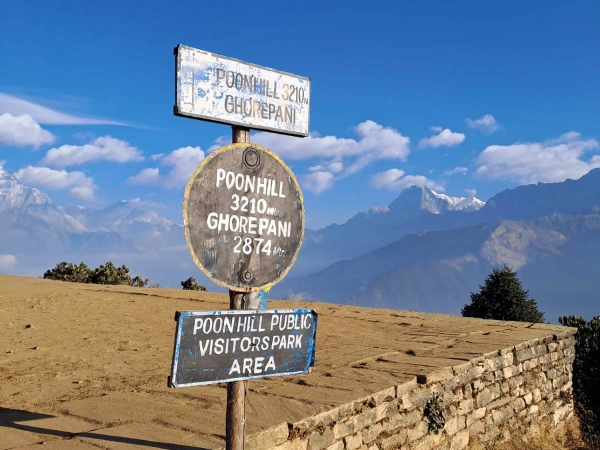
- Ghorepani Poon Hill
- Langtang Valley
- Short Annapurna treks
Tips for beginners:
- Choose shorter itineraries
- Walk slowly
- Take enough rest
Can Older Travelers Trek in Nepal?
Yes, age is not a limitation. Many trekkers aged 50+ complete treks every year.
Important Factors
- Good overall health
- Slow pacing
- Proper acclimatization
- Comfortable itinerary
Trekking is about pace, not age
What Happens If You Are Not Fit Enough?
If you are not prepared, you may experience:
- Extreme tiredness
- Muscle pain
- Difficulty completing daily walks
But this can be managed by:
- Hiring a porter
- Taking longer rest
- Choosing an easier route
How Can You Prepare Properly?
Preparation is the key to success.
Complete Preparation Checklist
- Walk regularly (daily)
- Practice stairs
- Use trekking shoes before the trip
- Carry a small backpack during practice
- Stay hydrated
- Maintain a healthy diet
Should You Hire a Guide or Porter?
Yes, especially if your fitness is average.
Benefits
- Better pace management
- Safety and support
- Less physical stress (with porter)
- Local knowledge
This makes your trek much easier and more enjoyable
Final Thoughts
You don’t need to be extremely fit to trek in Nepal.
But you do need:
- Basic physical fitness
- Good preparation
- Positive mindset
With the right plan, almost anyone can experience the beauty of the Himalayas.
Let us help you choose the best trek based on your fitness level, time, and budget. Contact us today for a custom itinerary and the best price offer.