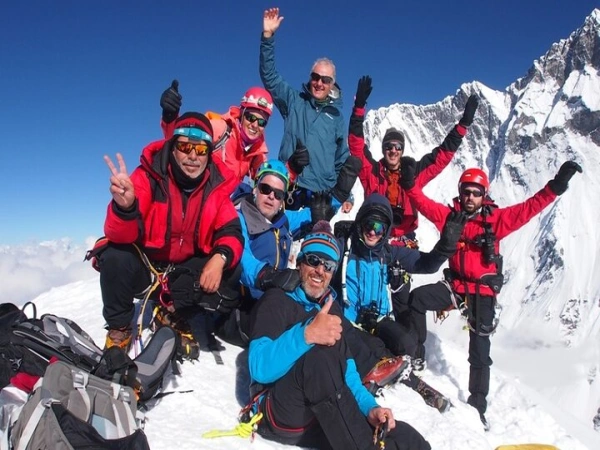
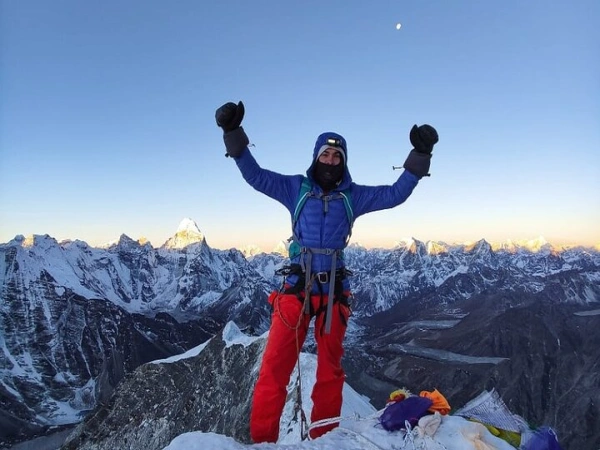
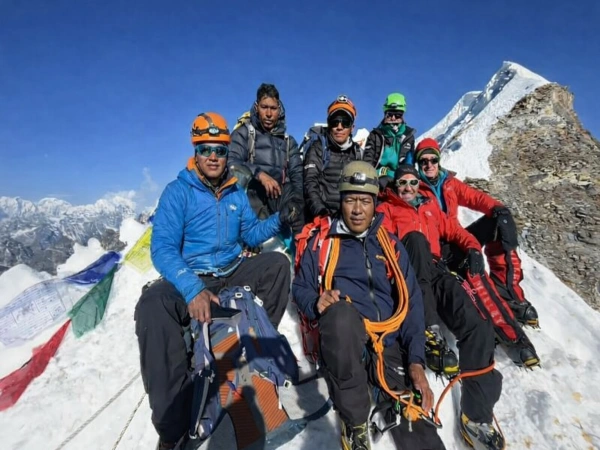
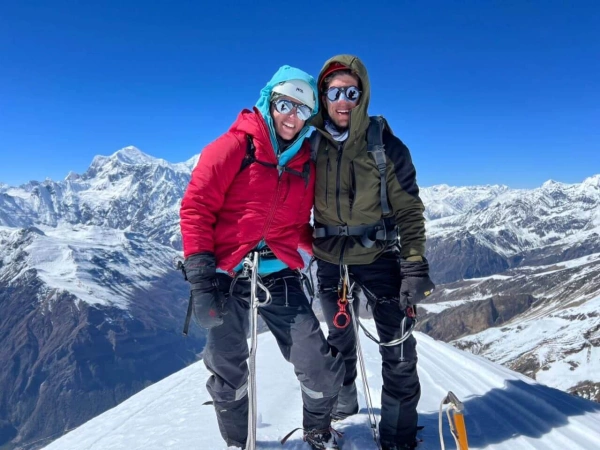
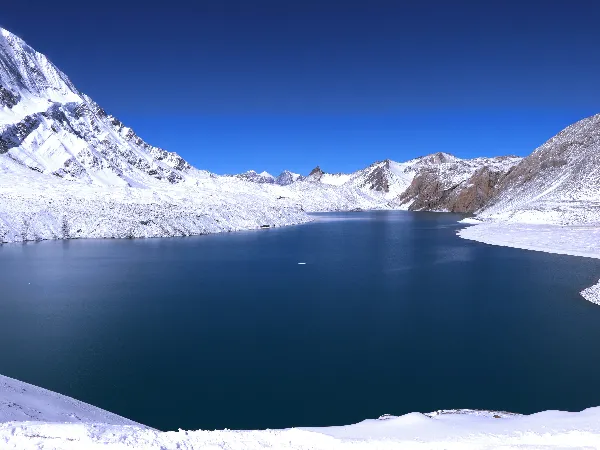
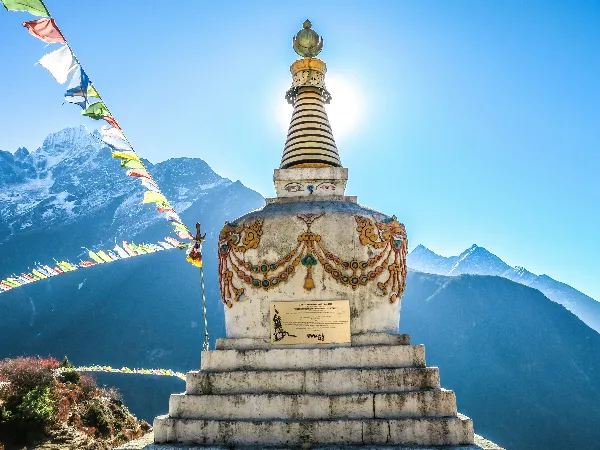
Nepal is a dream destination for mountaineers, offering some of the world’s most iconic Himalayan experiences. Among them, 6000 meter peaks in Nepal are the perfect gateway into high-altitude climbing. These peaks combine adventure, accessibility, and breathtaking landscapes, making them ideal for both beginners and experienced trekkers looking to step into mountaineering.
With over 1,300 peaks above 6,000 meters, Nepal provides endless opportunities for climbers to challenge themselves in the Himalayas.
Why Choose 6000 Meter Peaks in Nepal?
Climbing a 6000m peak is often considered the first step into real mountaineering. These peaks are also known as “trekking peaks” and are managed by the Nepal Mountaineering Association.
Key Reasons:
- Perfect for beginners and first-time climbers
- Less technical compared to 7000m or 8000m expeditions
- Shorter duration (2–3 weeks)
- Affordable compared to big expeditions
- Incredible Himalayan views
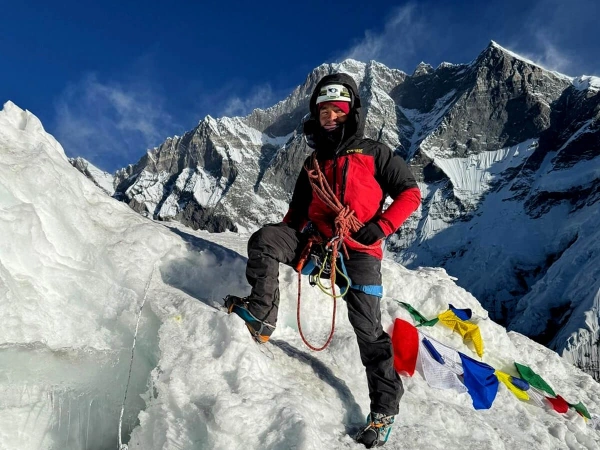
Most 6000m peaks require basic mountaineering skills, such as using crampons, ropes, and ice axes—but not extreme technical expertise.
Popular 6000 Meter Peaks in Nepal
Here are some of the most famous and beginner-friendly peaks:
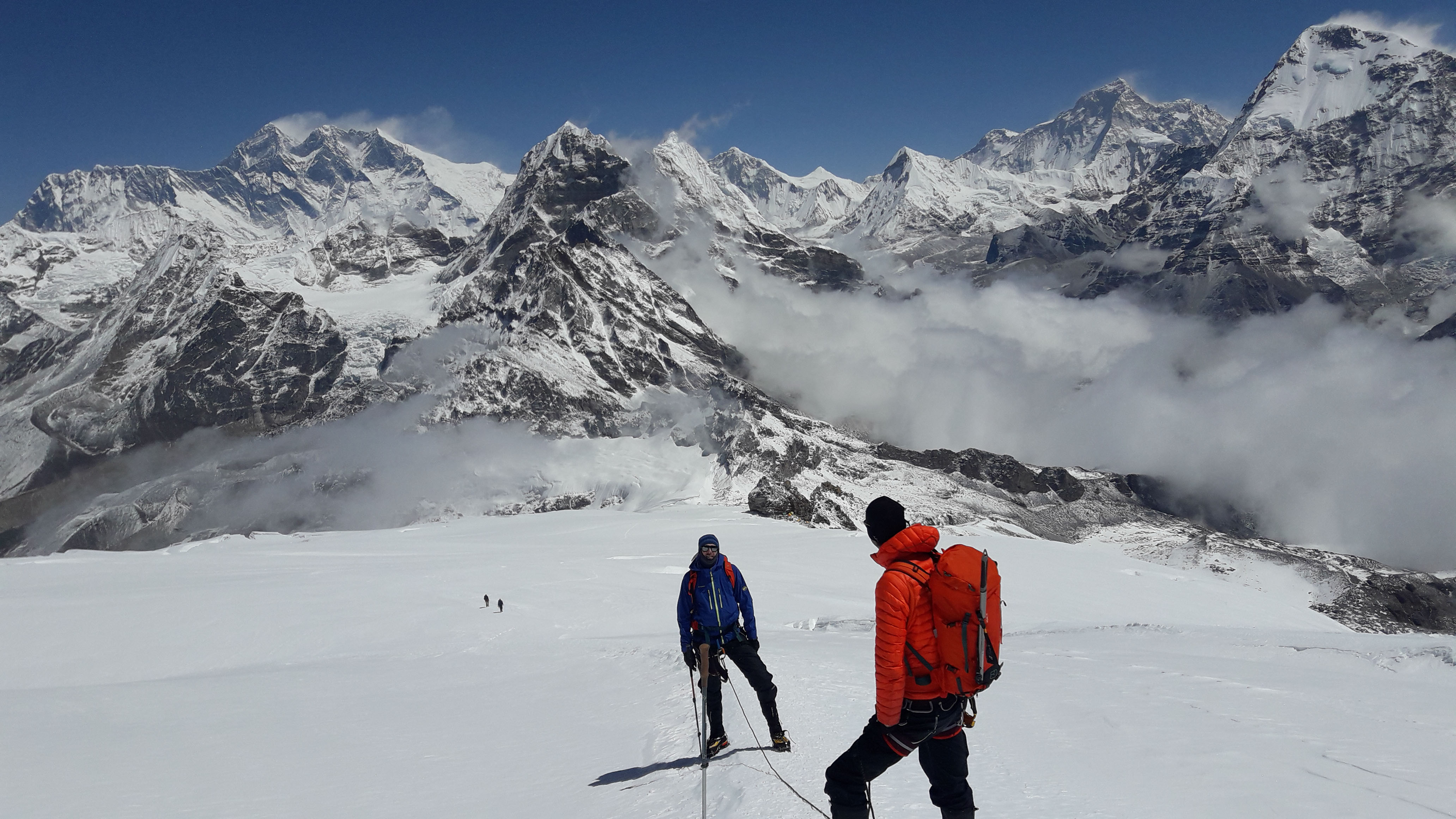
- The highest trekking peak in Nepal
- Difficulty: Moderate
- Best for beginners
- Offers views of Everest, Makalu, and Kanchenjunga
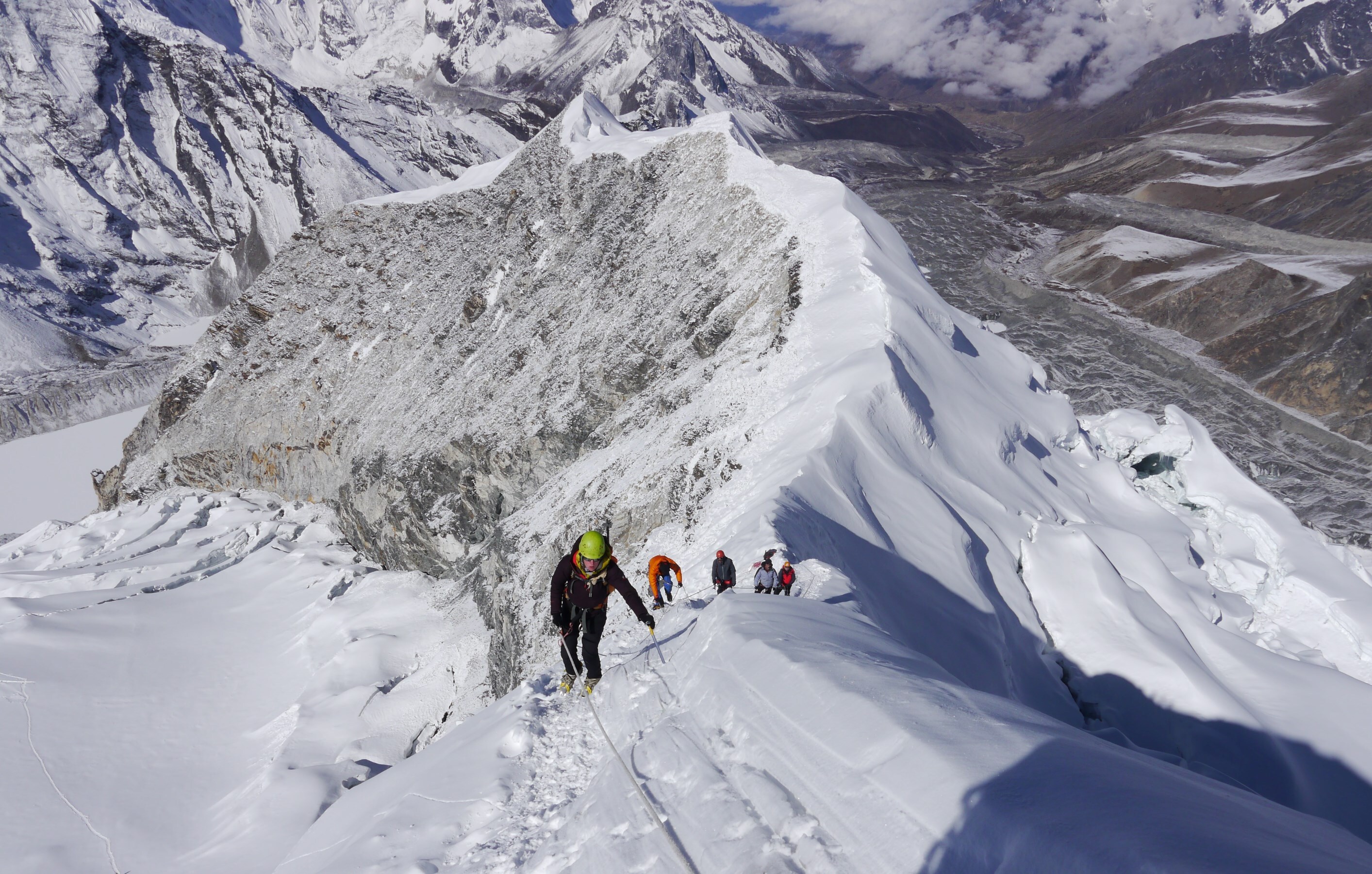
- Most popular climbing peak
- Slightly technical (rope sections)
- Often combined with the Everest Base Camp
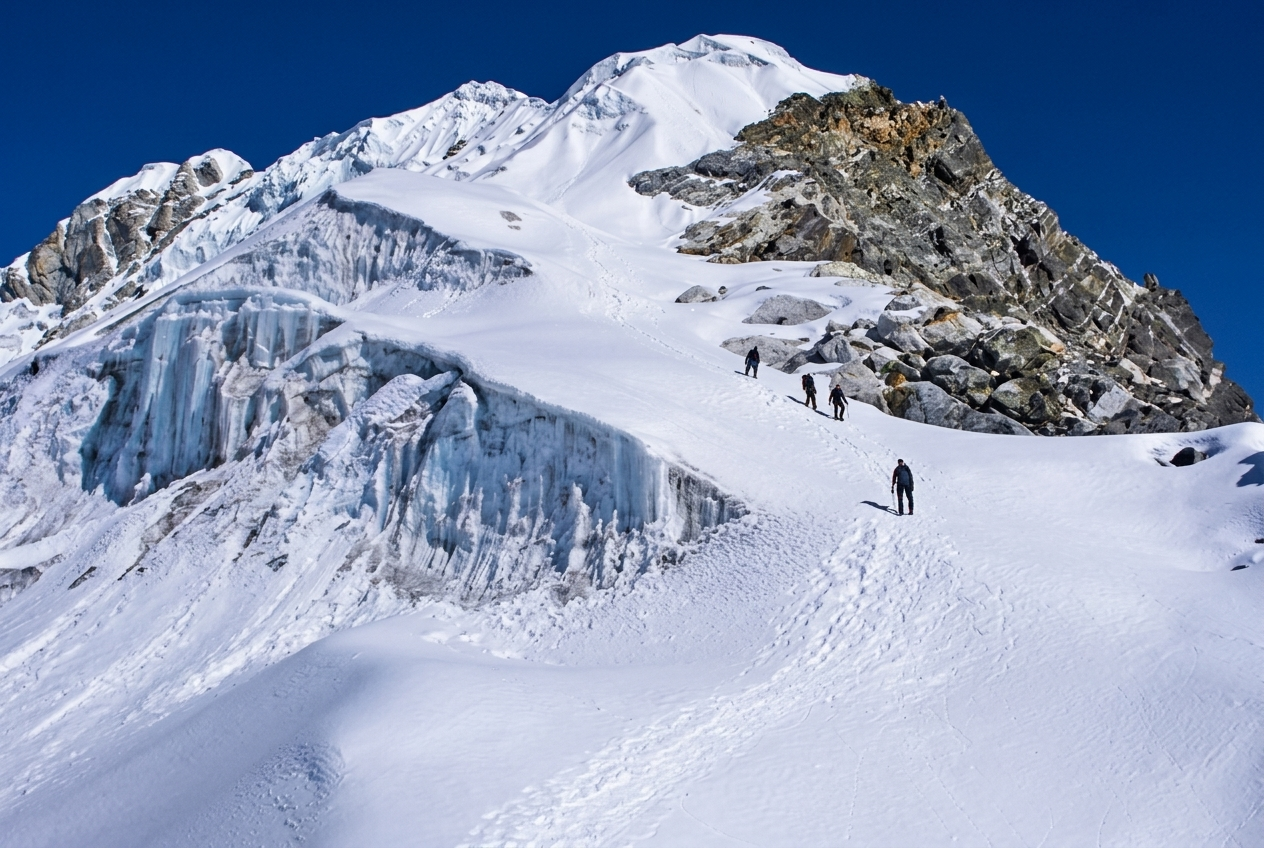
- More technical and challenging
- Ideal for experienced climbers
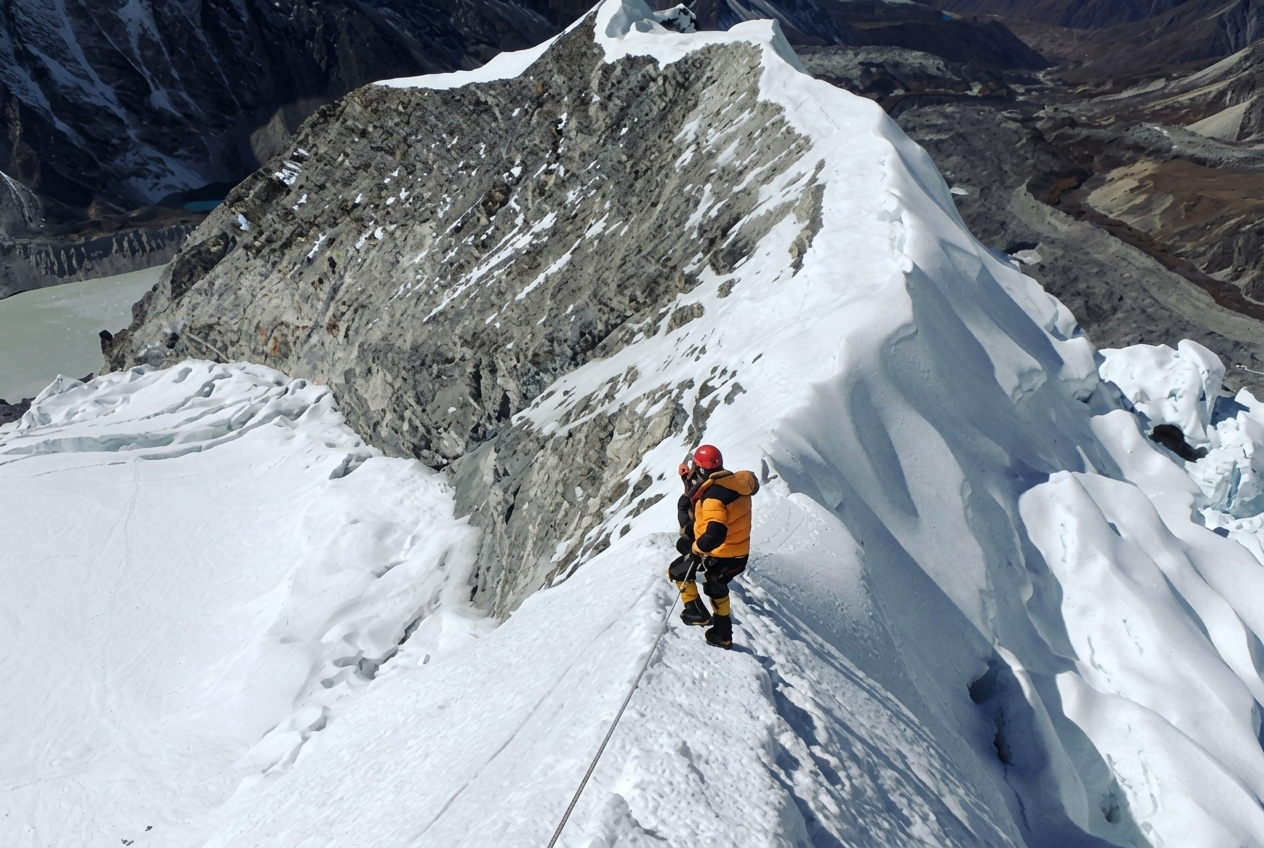
- Located in the Annapurna region
- Moderate to difficult climb
Chulu East & Chulu West
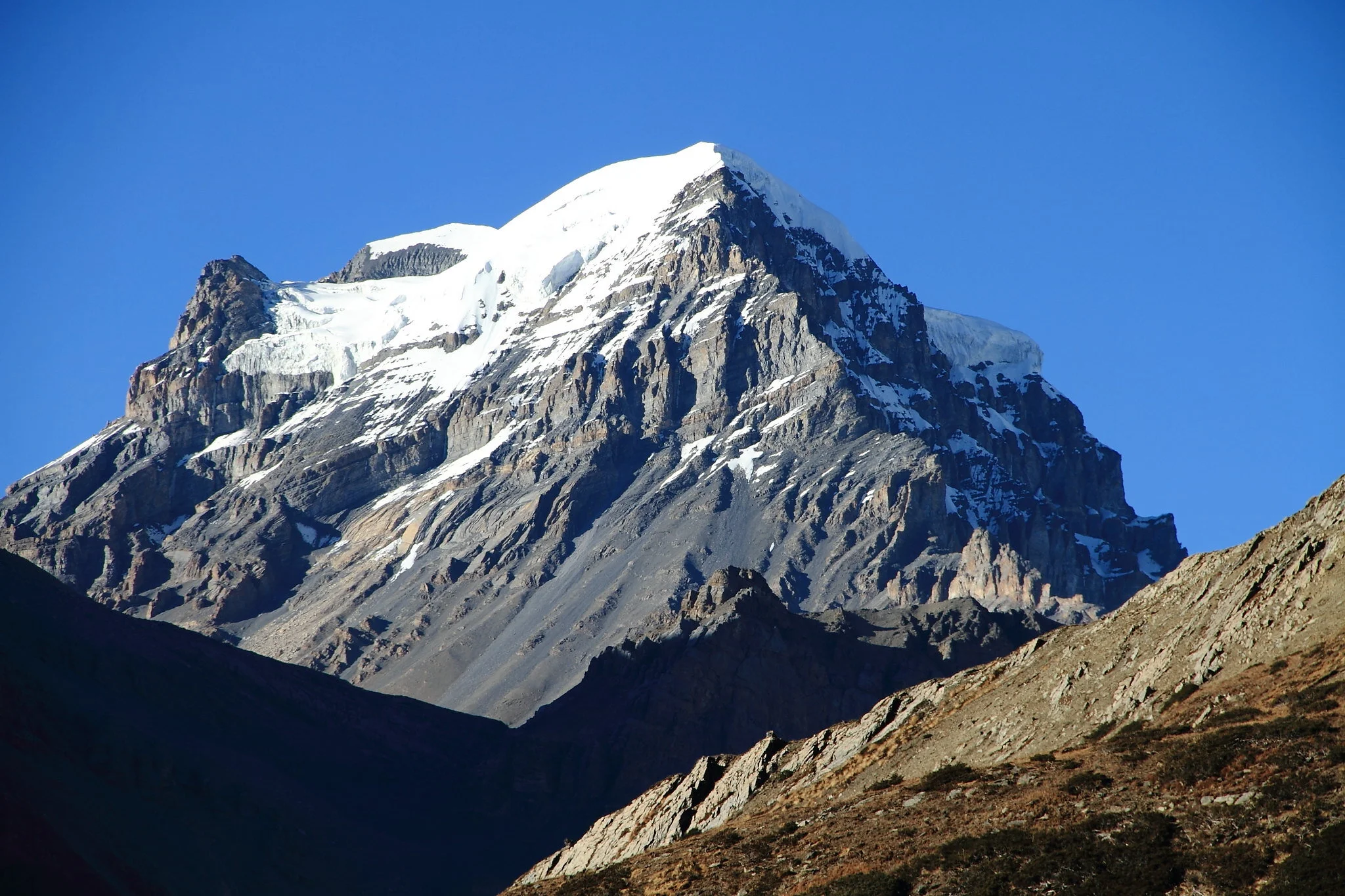
- Technical peaks in the Annapurna region
- Great for skill-building
Difficulty Levels of 6000m Peaks
6000m peaks in Nepal are categorized into three levels:
Easy (Beginner)
- Yala Peak
- Mera Peak
- Chulu Far East
Moderate (Intermediate)
- Island Peak
- Pisang Peak
- Chulu East
Challenging (Advanced)
These classifications depend on altitude, terrain, and technical difficulty.
Best Time to Climb 6000m Peaks in Nepal
Timing is crucial for a successful climb.
Spring (March–May)
- Stable weather
- Warmer temperatures
- Best climbing season
Autumn (September–November)
- Clear skies
- Excellent visibility
- Most popular season
Avoid:
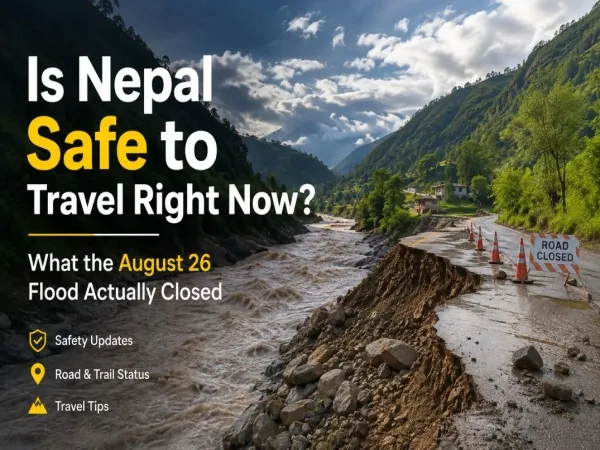
- Monsoon (June–August) – heavy rain, landslides
- Winter (Dec–Feb) – extreme cold
Spring and autumn offer the highest success rates and safest conditions.
Cost of Climbing 6000 Meter Peaks in Nepal
The cost varies depending on the peak, services, and itinerary.
Average Cost:
- USD 2,000 – 4,000 per person
Includes:
- Climbing permits
- Guide & porter
- Accommodation & meals
- Climbing gear (shared)
Excludes:
- International flights
- Personal equipment
- Travel insurance
- Tips
Climbing Permits in Nepal
To climb 6000m peaks, you need a permit from the Nepal Mountaineering Association (NMA).
- Permit Cost (Approx.):
- Spring: $250
- Autumn: $125
- Winter/Summer: $70
Additional costs:
- Garbage deposit (refundable)
- National park entry fees
Required Skills & Preparation
Climbing a 6000m peak is not just trekking; it requires preparation.
Physical Fitness:
- Strong cardio endurance
- Ability to trek 6–8 hours daily
- Technical Skills:
- Basic rope handling
- Use of crampons & ice axe
- Glacier walking
Mental Strength:
- High-altitude endurance
- Adaptability to weather
Essential Equipment for 6000m Peak Climbing
Clothing:
- Down jacket
- Thermal layers
- Waterproof shell
- Climbing Gear:
- Crampons
- Ice axe
- Helmet
- Harness
Accessories:
- Sleeping bag (-20°C)
- Headlamp
- Gloves & goggles
Challenges of Climbing 6000m Peaks
Even though these are “entry-level” climbs, they come with risks:
- Altitude sickness (AMS)
- Harsh weather conditions
- Glacier crossings
- Physical exhaustion
Proper acclimatization is key to success.
Why Nepal is the Best Destination for 6000m Peak Climbing
Nepal stands out globally because:
- Home to the Himalayas
- Diverse climbing routes
- Experienced Sherpa guides
- Rich culture and landscapes
It offers a unique combination of adventure, culture, and natural beauty unmatched anywhere else.
Sample Itinerary (18–20 Days)
Day 1–2: Arrival in Kathmandu
Day 3–10: Trek to base camp
Day 11–15: Acclimatization & training
Day 16: Summit attempt
Day 17–20: Return journey
Climbing a 6000 meter peak in Nepal is more than just an adventure; it’s a life-changing experience. Whether you choose Mera Peak, Island Peak, or a more technical climb, these हिमालय adventures offer the perfect balance of challenge and reward.
FAQs: 6000m Peak Climbing in Nepal
Do I need experience to climb a 6000m peak?
- Basic trekking experience is enough for beginner peaks like Mera or Island Peak.
How difficult is a 6000m climb?
- Moderate difficulty, requires fitness and basic technical skills.
How long does it take?
- Usually 2–3 weeks, depending on the peak.
Is it safe?
- Yes, with proper guide, acclimatization, and preparation.
Can beginners climb Mera Peak?
- Yes, it is one of the best beginner-friendly peaks.