This 14 Days Nepal Tour & Trek package is the perfect introduction to the Himalayas. This trip combines cultural sightseeing in Kathmandu, a scenic white-water rafting experience, the famous Poon Hill trek, jungle safari in Chitwan, and relaxation in Pokhara. It is designed for beginners and families who want to see mountains, wildlife, and temples all in one stress-free journey.
14 Days Nepal Tour Package 2026 | Trekking, Safari & Culture
Nepal is not just a place you visit, it's an experience you live through. In a single trip, you can stand beneath snow-capped Himalayan peaks, walk through 2,000-year-old temple squares, drift down a river on a raft, and watch a wild rhino wander through tall grass. Few countries pack so much variety into so little space.
This 14-day Nepal tour package is built for travelers who want it all: mountains, culture, rivers, and wildlife, woven into a single, well-paced journey. You won't have to choose between trekking in the Himalayas or relaxing by a lake, or between jungle safaris and ancient cities. This itinerary gives you everything, without the stress of planning it yourself.
Below, we'll walk through exactly what this tour includes, why each part matters, and everything a first-time visitor to Nepal needs to know before booking.
What Makes This a "Complete" Nepal Experience?
Most short trips to Nepal force you to pick one highlight — trekking or sightseeing or wildlife. Two weeks is enough time to experience the country's four signature experiences without feeling rushed:
- Trekking in the Annapurna region, home to some of the most photographed mountain views on Earth
- River rafting on the Trishuli River for a dose of adventure
- UNESCO World Heritage Sites in Kathmandu, showing centuries of art, architecture, and spirituality
- Wildlife safari in Chitwan National Park, one of Asia's best-preserved lowland jungles
Think of it like a tasting menu rather than a single dish — instead of spending all 14 days on one activity, you get a meaningful, immersive sample of everything Nepal is known for. Each day introduces something new, so the trip never feels repetitive.
Day-by-Day Highlights of the Journey
The Ghorepani Poon Hill Trek
This trek is the centerpiece of the entire tour, and for good reason.
What it is: A multi-day hike through the Annapurna foothills that's considered one of the best "starter treks" in Nepal. Unlike treks to Everest Base Camp or Annapurna Base Camp, which require serious stamina and acclimatization, Poon Hill is approachable for people with no prior trekking experience.
What you'll do:
- Walk through pine and rhododendron forests
- Pass through small Gurung and Magar hill villages, where you can see traditional stone houses and terraced farmland
- Climb gradually toward Poon Hill, the trek's highest point at 3,210 meters (10,531 feet)
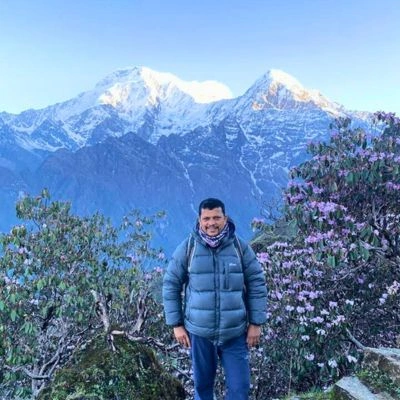
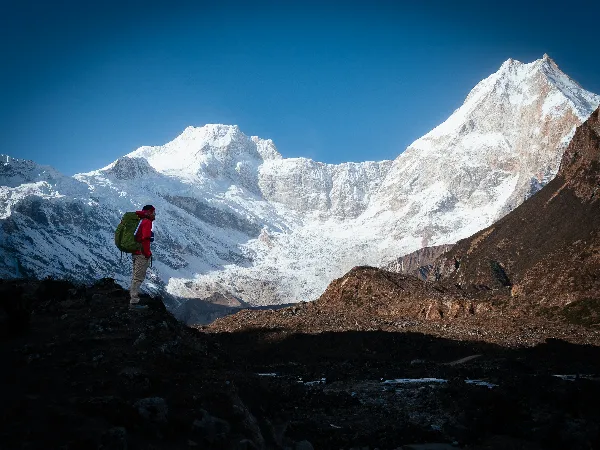
- Wake up before sunrise to catch the moment when the first light hits the Annapurna and Dhaulagiri mountain ranges
Why it's special: The sunrise view from Poon Hill is one of those rare moments where photos genuinely don't do it justice. As the sun rises, the peaks light up in shades of orange and pink, one after another, like a row of dominoes catching fire. Many travelers say this single sunrise makes the entire trip worthwhile.
You don't need previous trekking experience, technical climbing skills, or specialized gear just decent walking fitness and a pair of comfortable, broken-in shoes.
Trishuli River Rafting
After the trek, the tour shifts gears completely from quiet mountain trails to the rush of whitewater.
What it is: A rafting trip down the Trishuli River, one of Nepal's most popular rivers for beginner and intermediate rafters.
What to expect:
- Gentle to moderate rapids are exciting, but not extreme
- Scenic river valleys with forested hillsides on either side
- A safe, guided experience suitable even if you've never rafted before
Why it's included: Rafting adds a burst of adrenaline and a totally different way to experience Nepal's landscape — from the water looking up, rather than from a trail looking out. It's also a welcome physical change of pace after days of walking uphill.
Chitwan Jungle Safari
If the mountains show you Nepal's vertical side, Chitwan shows you its wild, horizontal side.
What it is: A visit to Chitwan National Park, a UNESCO World Heritage Site and one of the last remaining natural habitats for several endangered species in South Asia.
What you might see:
- One-horned rhinoceroses (Chitwan is one of the best places in the world to spot these in the wild)
- Spotted deer and other grazing animals
- Asian elephants
- Dozens of native and migratory bird species
Why it's different from the rest of the trip: Everything before this point has been about altitude, rivers, and mountains. Chitwan flips the script entirely — dense jungle, flat terrain, and an entirely different ecosystem. It's proof that Nepal isn't just "the mountain country" — it has thriving lowland wilderness too.
Kathmandu Cultural Tour
Kathmandu, Nepal's capital, is where the trip's cultural depth comes alive.
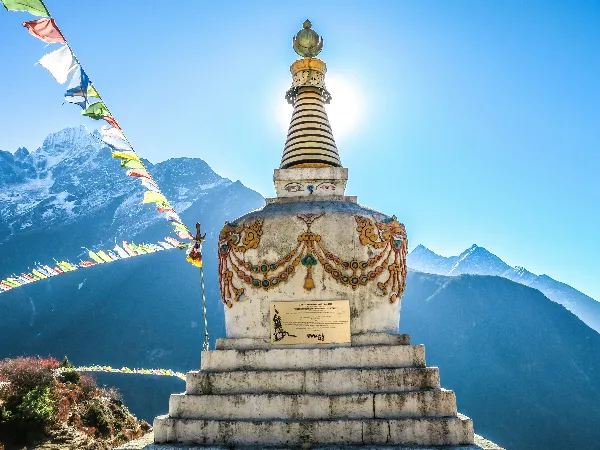
What it is: A guided exploration of the city's ancient temples, stupas (dome-shaped Buddhist shrines), and historic palace squares — many of which date back centuries and are recognized as UNESCO World Heritage Sites.
What you'll experience:
- Centuries-old architecture, blending Hindu and Buddhist artistic traditions
- Living religious sites — these aren't museums; locals still worship and gather here daily
- A window into Nepal's layered history, from ancient kingdoms to the present day
Why it matters: Trekking and safaris show you Nepal's natural beauty, but Kathmandu shows you its soul — the beliefs, art, and daily rituals that have shaped the culture for over a thousand years.
Pokhara Relaxation
After days of trekking, rafting, and sightseeing, the tour builds in time to simply slow down.
What it is: A stay in Pokhara, a lakeside city framed by mountain views, known as one of the most relaxing places in Nepal.
What you'll do:
- Take a boat ride on Phewa Lake
- Watch the sunset over the water, often with the Annapurna range reflected on the surface
- Stroll the lakeside area at a slow, unhurried pace
Why it's the perfect closing chapter: After an action-packed itinerary, Pokhara gives your body and mind a chance to reset before heading home. It's less about checking off sights and more about simply absorbing the atmosphere.
Why This Tour Stands Out
Most travelers only have a week or two in Nepal, which usually means making hard choices. This itinerary is designed to remove that trade-off by combining:
- Adventure (trekking and rafting)
- Culture (Kathmandu's heritage sites)
- Wildlife (Chitwan safari)
- Relaxation (Pokhara's lakeside calm)
...into one continuous, well-organized trip. It's built for people who want maximum value and variety from limited vacation time, without needing prior travel experience in Nepal or advanced trekking skills.
Best Time to Visit Nepal for This Tour
Timing matters a lot in Nepal, since mountain visibility depends heavily on the season.
Recommended seasons:
- Spring: March to May
- Autumn: September to November
Why these months are ideal: During spring and autumn, Nepal experiences its clearest, driest weather. Skies are typically blue and cloud-free, which means unobstructed mountain views — especially important for a trip centered around a sunrise viewpoint like Poon Hill. Spring also brings blooming rhododendron forests, adding bursts of red and pink color to the trekking trails.
Outside these windows, Nepal's monsoon season (roughly June to August) brings heavy rain and clouded mountain views, while winter (December to February) can bring cold temperatures and snow at higher elevations.
Packing Tips for First-Time Visitors
Because this tour moves between high-altitude trekking, riverside rafting, jungle heat, and city sightseeing, your packing list needs to cover a range of conditions.
For trekking days:
- Warm layers (fleece or down jacket) — mountain mornings and evenings get cold even in good seasons
- A light rain jacket, since mountain weather can shift quickly
- Comfortable, well broken-in walking shoes — this is the single most important item, since blisters can derail a multi-day trek
For city and lowland days:
- Light, breathable clothing for Kathmandu and Chitwan, which are warmer and more humid than the mountains
- Sunscreen, since UV exposure is strong at altitude and in open jungle areas
- A reusable water bottle to stay hydrated throughout the trip
General tip: Pack in layers rather than heavy single items. Temperatures can swing from chilly mountain mornings to warm jungle afternoons within the same trip, so flexibility matters more than any one piece of gear.
Frequently Asked Questions
What's included in the 14-day Nepal tour package?
The package typically covers trekking, rafting, jungle safari, city tours, accommodation, necessary permits, transportation, and guide services — essentially everything needed for a complete, hassle-free Nepal experience covering mountains, culture, and wildlife.
Is this tour suitable for beginners?
Yes. The trekking portion is moderate in difficulty and doesn't involve any technical climbing, ropes, or specialized mountaineering skills. It's specifically designed to be approachable for people visiting Nepal for the first time.
What's the highest point reached during the tour?
The highest altitude is Poon Hill, at 3,210 meters. This is considered a safe elevation for most travelers, and because the trek ascends gradually over several days, the risk of altitude sickness is low compared to higher treks like Everest Base Camp.
How physically demanding is this tour?
It's a moderate-level itinerary. You'll be walking, traveling between regions, and staying active most days, but it doesn't require advanced fitness, prior trekking experience, or intense training to complete comfortably.
What's the best time of year to do this tour?
Spring (March–May) and autumn (September–November) offer the clearest skies and best mountain visibility, making them the ideal windows for this itinerary.
Are meals included?
Most packages include meals during the trekking and safari days, since those areas have limited food options outside the organized itinerary. Meals in cities like Kathmandu and Pokhara are often left flexible, so travelers can choose their own restaurants.
Do I need a guide?
A guide is strongly recommended for both the trekking and safari portions of the trip. Beyond safety and navigation, a local guide adds enormous cultural value — pointing out details about villages, wildlife behavior, and historical sites you might otherwise miss.
Is this tour family-friendly?
Yes. The itinerary balances physically active days (trekking, rafting) with calmer, lower-effort days (cultural tours, lakeside relaxation), making it manageable for a range of ages and fitness levels.
What should I pack?
At minimum: warm layers for trekking, comfortable broken-in walking shoes, a light rain jacket, sunscreen, and a reusable water bottle. Packing light and in flexible layers works better than bringing heavy, single-purpose gear.
Why choose this specific 14-day itinerary over other Nepal tours?
Because it's built around variety rather than depth in just one area. Instead of spending two weeks purely trekking or purely sightseeing, you get trekking, rafting, wildlife, and culture all in one trip — making it one of the most complete introductions to Nepal available in a short timeframe.
Fourteen days is a short window to understand a country as layered as Nepal but this itinerary makes the most of every one of them. By the time you finish, you won't just have seen Nepal's mountains, temples, rivers, and jungles individually; you'll have experienced how they fit together into one of the most diverse travel destinations in the world, all without needing prior trekking experience or specialized skills to enjoy it.
Need Help? Call Us
Need Help? Call Us+9779851013072