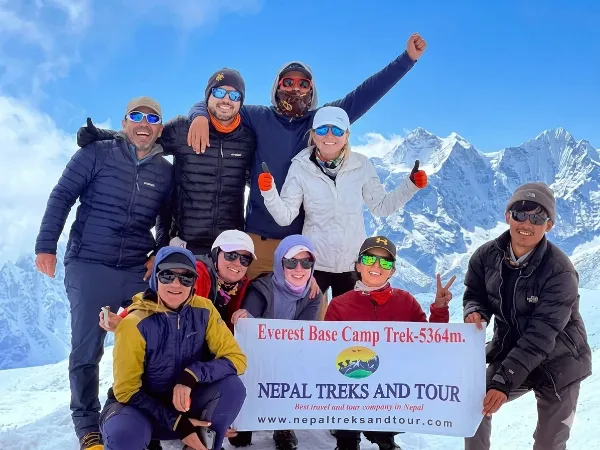
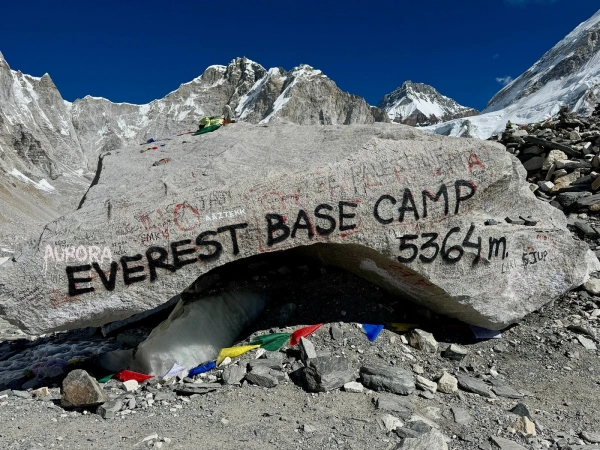
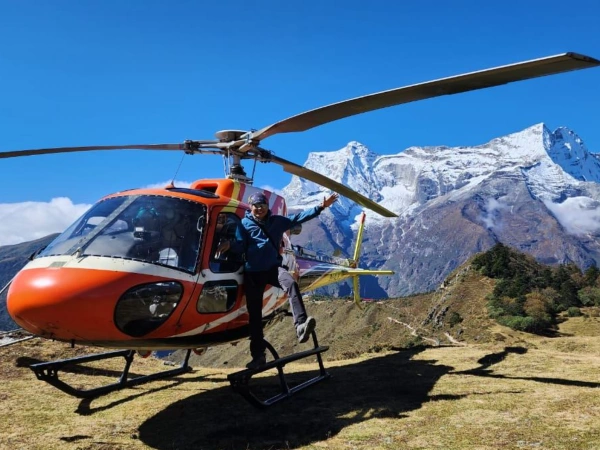
The Everest Base Camp Trek is one of the most iconic trekking adventures in the world, leading you to the base of Mount Everest (8,848.86m). This trek combines adventure, culture, and breathtaking Himalayan landscapes, making it a dream destination for trekkers worldwide.
Why Choose the Everest Base Camp Trek?
Choosing the Everest Base Camp Trek means choosing a once-in-a-lifetime journey into the heart of the Himalayas.
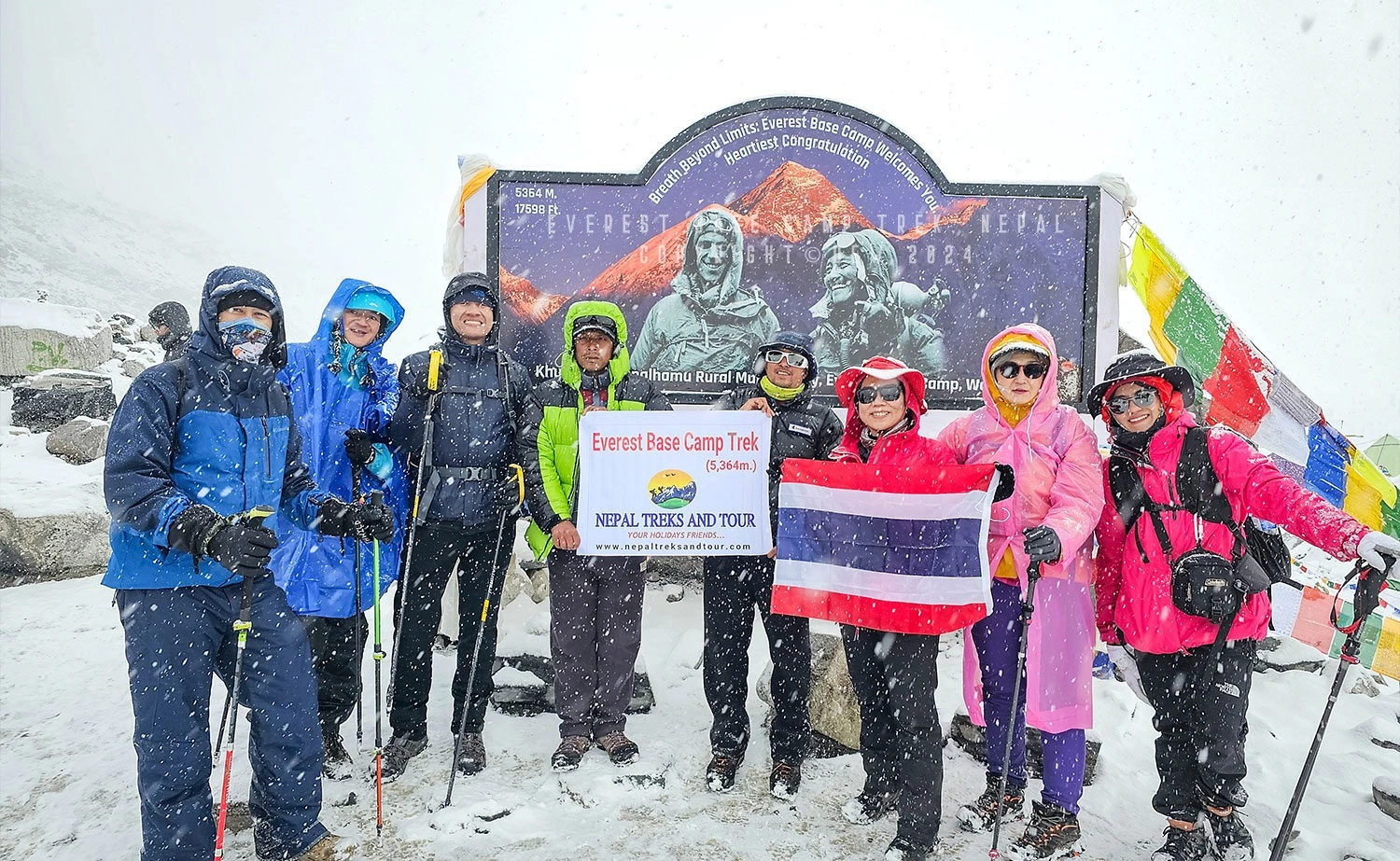
Key Reasons to Choose:
- Walk to the base of the world’s highest mountain
- Experience authentic Sherpa culture in Namche Bazaar
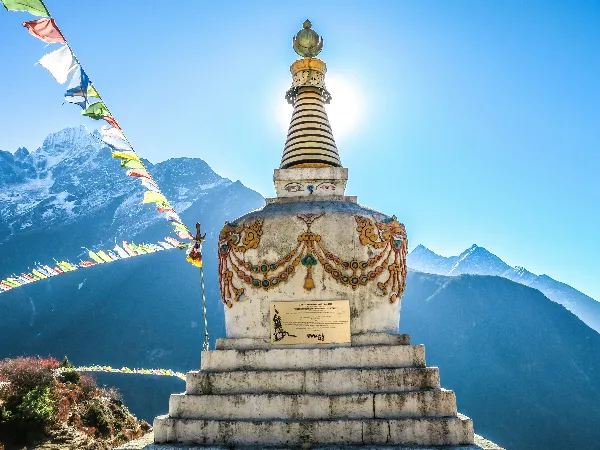
- Visit the famous Tengboche Monastery
- Explore Sagarmatha National Park
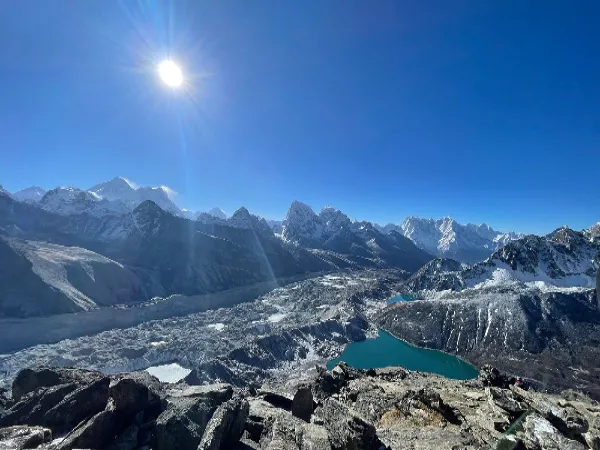
- Enjoy panoramic views of Everest, Lhotse, Nuptse, and Ama Dablam
This trek is perfect for adventure seekers, nature lovers, and those chasing a bucket-list Himalayan journey.
Everest Base Camp Trek Itinerary (14 Days)
A proper Everest Base Camp Trek itinerary ensures gradual altitude gain and safety.
Full Itinerary Breakdown:
Day 1: Arrival in Kathmandu
- Airport pickup and hotel transfer
- Trek briefing and preparation
Day 2: Fly to Lukla (2,860m) → Phakding (2,610m)
- Scenic mountain flight (~30 min)
- Trek through Dudh Koshi Valley
Day 3: Phakding → Namche Bazaar (3,440m)
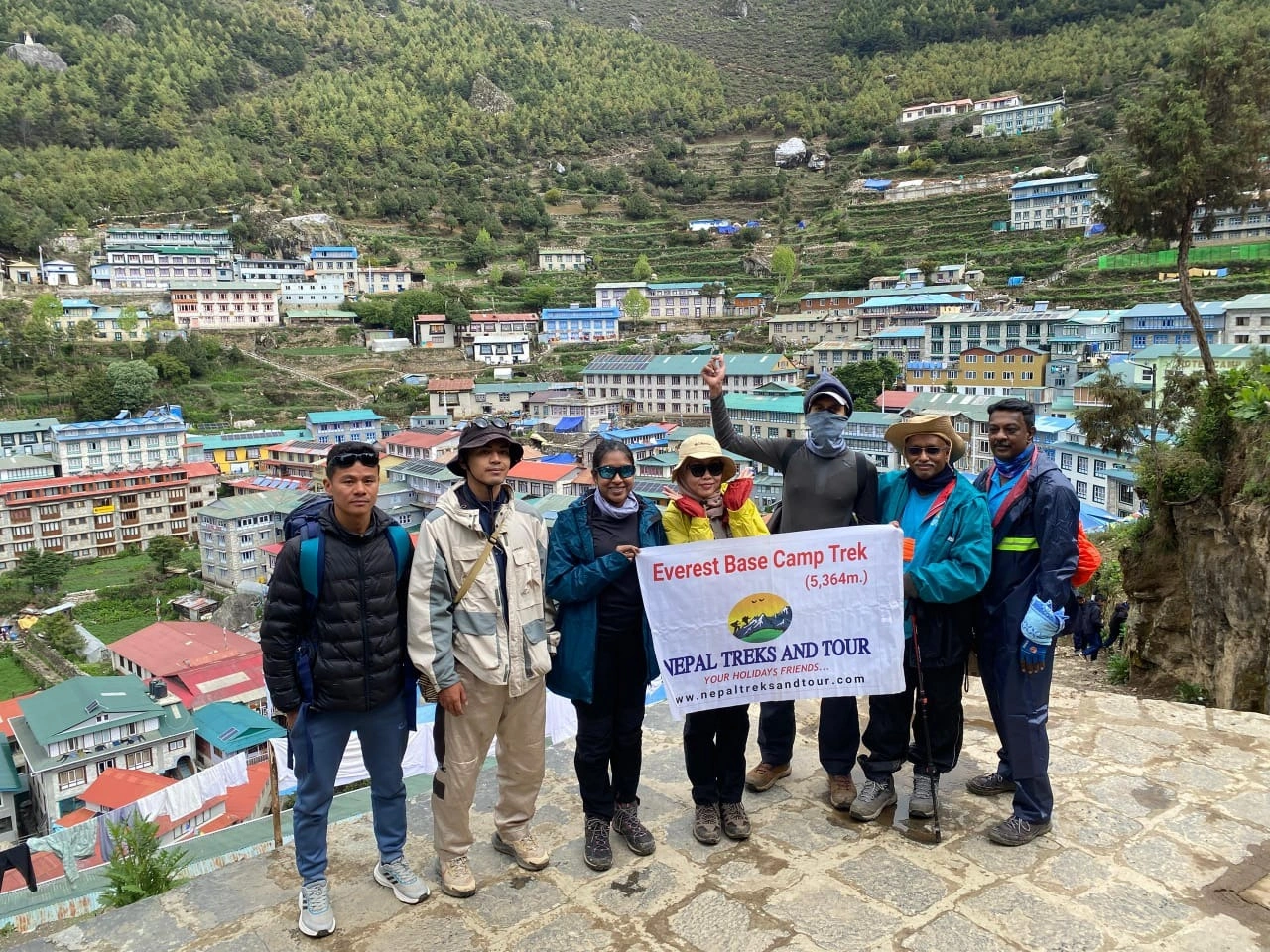
- Cross suspension bridges
- Enter Sagarmatha National Park
- First views of Everest (weather permitting)
Day 4: Acclimatization in Namche
- Short hike to Everest View Hotel
- Explore local markets
Day 5: Namche → Tengboche (3,860m)
- Stunning mountain views
- Visit Tengboche Monastery
Day 6: Tengboche → Dingboche (4,410m)
- Enter an alpine landscape
- Fewer trees, more open valleys
Day 7: Acclimatization in Dingboche
Day 8: Dingboche → Lobuche (4,940m)
- Pass memorial sites for climbers
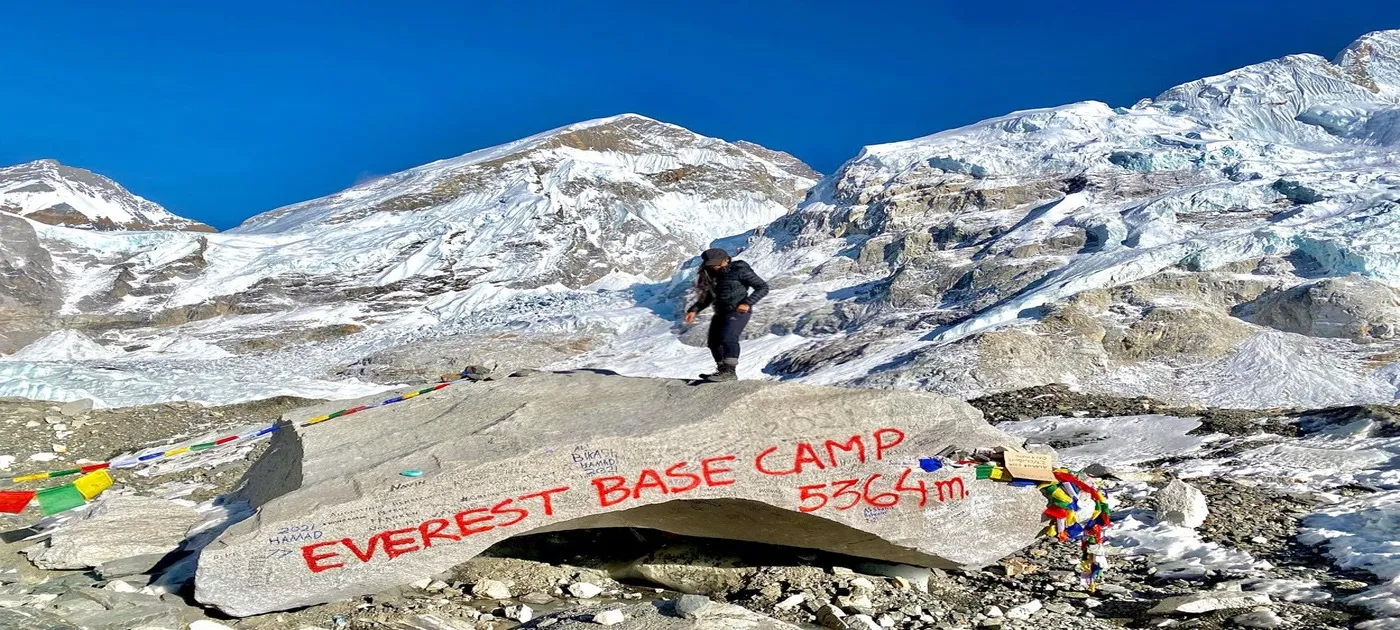
Day 9: Lobuche → Gorak Shep → Everest Base Camp (5,364m)
- Reach the base of Mount Everest
Day 10: Sunrise at Kala Patthar (5,545m) → Pheriche
- Best panoramic Everest view
Day 11: Pheriche → Namche
Day 12: Namche → Lukla
Day 13: Fly to Kathmandu
Day 14: Departure
This itinerary is globally recognized as the standard EBC trekking route.
Best Time for Everest Base Camp Trek
Choosing the best time for the Everest Base Camp Trek is one of the most important decisions for a successful and enjoyable journey. Weather, visibility, temperature, and crowd levels vary greatly throughout the year in the Everest region, so timing your trek correctly can make a huge difference.
Spring Season (March to May)
Spring is widely considered the best time for Everest Base Camp Trek.
Weather & Temperature:
- Daytime: 10°C to 15°C (lower regions)
- Night: -5°C to -10°C (higher altitude)
What Makes Spring Special:
- Clear skies and excellent mountain visibility
- Blooming rhododendron forests
- Comfortable trekking conditions
- Busy Everest climbing season at Everest Base Camp
Pros:
- Best photography opportunities
- Ideal temperature
- Lively trekking atmosphere
Cons:
- Crowded trails
- Higher prices
Recommended for first-time trekkers and photographers
Autumn Season (September to November)
Autumn is another top season for Everest Base Camp Trek, offering stable weather and crystal-clear views.
Weather & Temperature:
- Daytime: 10°C to 15°C
- Night: -5°C to -10°C
Highlights:
- Clear post-monsoon skies
- Best visibility of Mount Everest and surrounding peaks
- Major Nepali festivals like Dashain & Tihar
Pros:
- Most stable weather
- Best mountain views
- Ideal trekking conditions
Cons:
- Peak tourist season
- Flights may be crowded
Best overall season for clear views and stable weather
Winter Season (December to February)
Winter trekking is possible but more challenging.
Temperature:
- Day: 5°C to 10°C
- Night: -15°C to -20°C
Pros:
- Fewer crowds
- Peaceful trails
- Clear skies
Cons:
- Extreme cold
- Snow-covered trails
- Some teahouses may close
Best for experienced trekkers who prefer solitude
Monsoon Season (June to August)
Monsoon is generally the least recommended time.
Conditions:
- Heavy rainfall
- Cloudy skies
- Poor visibility
Pros:
- Green landscapes
- Fewer tourists
Cons:
- Slippery trails
- Flight delays to Lukla
- Leeches in lower regions
Not ideal for the Everest Base Camp Trek
Month-by-Month Breakdown
| Month |
Weather |
Trekking Condition |
| March |
Cool, clear |
Excellent |
| April |
Warm, clear |
Best |
| May |
Warmer |
Very good |
| June–Aug |
Rainy |
Poor |
| September |
Improving |
Good |
| October |
Clear skies |
Best |
| November |
Cool, clear |
Excellent |
| Dec–Feb |
Cold |
Challenging |
Important Weather Tips
- The weather in the Himalayas changes quickly
- Flights to Lukla are often delayed
- Always keep 2–3 buffer days in your itinerary
The best time for the Everest Base Camp Trek is:
- Spring (March–May) – Best weather and experience
- Autumn (September–November) – Best visibility and stability
Both seasons offer the perfect balance of weather, views, and safety, making them ideal for most trekkers worldwide.
Difficulty Level of Everest Base Camp Trek
Difficulty: Moderate to Challenging
Key Factors:
- Altitude above 5,000m
- 5–7 hours daily trekking
- Cold weather
Fitness Requirement:
- Basic physical fitness
- No technical climbing
Who Should Avoid:
- Serious heart/lung conditions
- No preparation
The biggest risk is Altitude Sickness, not trail difficulty.
Accommodation & Food on EBC Trek
Accommodation:
- Tea houses (basic lodges)
- Twin-sharing rooms
- Limited heating at high altitude
Food Menu:
- Dal Bhat (rice, lentils, vegetables)
- Noodles, pasta, soups
- Eggs, bread, tea, coffee
Important Notes:
- Food prices increase with altitude
- Drinking water must be purified or bought
Everest Base Camp Trek Packing List
Clothing:
- Down jacket (-15°C)
- Thermal base layers
- Fleece jacket
Footwear:
- Trekking boots (waterproof)
- Camp shoes
Essentials:
- Sleeping bag (-10°C to -20°C)
- Trekking poles
- Headlamp
- Power bank
Personal Items:
- Sunscreen
- Lip balm
- First aid kit
Packing correctly is crucial for safety and comfort.
Altitude Sickness & Safety Tips
Causes:
- Rapid altitude gain
- Lack of acclimatization
Symptoms:
Prevention:
- Acclimatize properly
- Drink 3–4 liters of water daily
- Walk slowly
Emergency:
- Descend immediately
- Seek medical help
Never ignore symptoms.
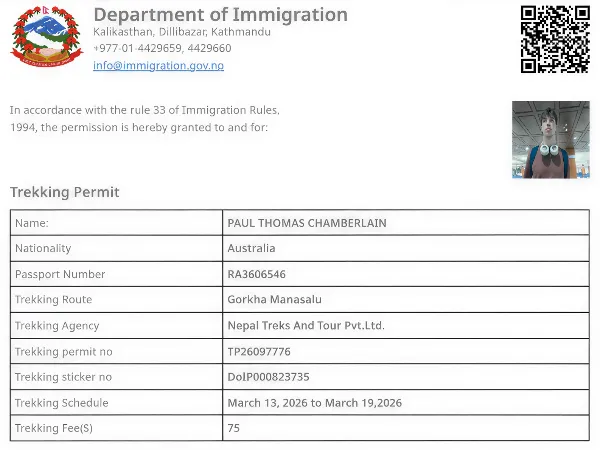
Permits Required for EBC Trek
Before setting out on the Everest Base Camp Trek, it’s essential to obtain all the mandatory trekking permits. These permits are not only a legal requirement but also help protect the environment and support the local communities in the Everest region.
Sagarmatha National Park Permit
- Purpose: Entry to Sagarmatha National Park (Everest region)
- Cost: NPR 3,000 (~$25)
- Where to get: Kathmandu
- Notes: Must carry original; checked at entry points
Khumbu / Solukhumbu TIMS Card
- Purpose: Trekkers’ registration for safety
- Cost: NPR 2,000 (~$17) individual, NPR 1,000 (~$8) for groups
- Where to get: Kathmandu
- Notes: Required for tracking; show at checkpoints
Tips
- Always carry original copies
- Keep permits waterproofed
- Obtain via registered trekking agency such as Nepal Treks and Tour
Important Notes for Everest Base Camp Trek
- Acclimatization is key – take rest days to avoid altitude sickness.
- Carry permits – Sagarmatha National Park (SNP) and TIMS card are mandatory.
- Physical fitness matters – moderate trekking experience helps, though no technical climbing is needed.
- Pack wisely – warm clothing, trekking boots, sleeping bag, and essentials.
- Hydrate frequently – helps prevent altitude sickness.
- Check weather & flights – Lukla flights often get delayed due to mountain weather.
- Cash is essential – ATMs are limited; pay for tea houses, food, and tips.
- Respect local culture – follow Sherpa traditions, monasteries' rules, and dispose of waste responsibly.
- Hire a guide or porter – recommended for safety, navigation, and support.
- Plan buffer days – for flight delays or health issues.
Everest Base Camp Trek FAQs
Q: Is the Everest Base Camp Trek worth it?
A: Absolutely! It’s one of the most iconic treks in the world, offering stunning views, Sherpa culture, and the experience of being near Mount Everest.
Q: How long does the trek take?
- Typical duration: 12–14 days
- Includes acclimatization days for safety
Can be shortened to 10 days for experienced trekkers (more challenging)
Q: What is the difficulty level?
- Moderate to challenging
- No technical climbing required
Main challenges: altitude, long trekking days, cold temperatures
Q: What permits are required?
- Sagarmatha National Park Permit (SNP)
- Khumbu / Solukhumbu TIMS Card
- Optional: climbing permits for peaks like Island Peak
Q: What is the best time to trek?
- Spring (March–May) – best for rhododendrons & moderate weather
- Autumn (Sept–Nov) – best visibility & clear skies
- Winter is cold; monsoon is rainy
Q: Do I need a guide or porter?
- Recommended for first-time trekkers for navigation and support
- Porters can help carry luggage (reduces fatigue)
Q: What kind of accommodation is available?
- Tea houses (basic lodges)
- Twin-sharing rooms, limited heating at high altitudes
- Food: Dal Bhat, noodles, soups, tea, coffee
Q: How to prevent altitude sickness?
- Acclimatize gradually
- Stay hydrated
- Walk slowly and rest
Descend immediately if severe symptoms appear
Q: How do I reach Everest Base Camp?
- Fly to Lukla from Kathmandu
Trek through Phakding → Namche Bazaar → Tengboche → Dingboche → Lobuche → Gorak Shep → Base Camp
Q: Is there WiFi and mobile connectivity?
- Limited WiFi available at most lodges (paid)
- Mobile network coverage is spotty, especially above Namche
Q: How much does the trek cost?
- Roughly $1,200–$3,500
- Cost includes permits, guide, porter, accommodation, and food
Q: Can beginners do the trek?
A: Yes, if physically fit and properly prepared, and with adequate acclimatization.