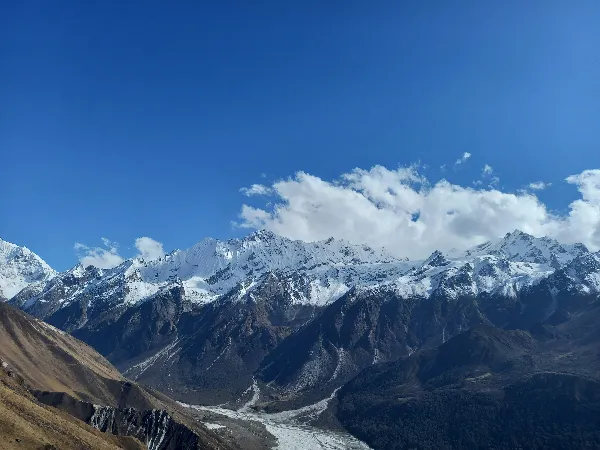
The best time to climb Yala Peak (approximately 5,500–5,520 m) in Nepal is during spring (March to May) and autumn (October to November). April and October are two of the most favourable months to plan an expedition, offering generally good mountain visibility, manageable trekking conditions and suitable opportunities for a summit attempt. Spring brings colourful rhododendron forests and longer daylight, while autumn offers clearer post-monsoon skies and excellent views across the Langtang Himal.

Best Time to Climb Yala Peak: Weather, Seasons, Permits and Itinerary
Unlike some of Nepal's higher trekking peaks, Yala Peak is reached through the beautiful Langtang Valley, beginning with a road journey from Kathmandu to Syabrubesi. The route passes through Lama Hotel, Langtang Village and Kyanjin Gompa before reaching the mountain's base camp. Although Yala Peak is often considered a suitable introduction to Himalayan mountaineering, its altitude, snow-covered slopes and changing weather still require proper acclimatisation and climbing preparation.
Choosing the right season also helps you plan the necessary permits, transport, accommodation and climbing support. This guide explains the best months to climb Yala Peak, compares spring and autumn, covers the weather throughout the year and provides a practical expedition itinerary, including Langtang National Park entry and TIMS requirements.
Best Time to Climb Yala Peak at a Glance
Spring and autumn are the two main seasons for Yala Peak climbing. Both offer attractive conditions, but the experience differs depending on the month you choose.
Spring is particularly appealing for warmer lower-valley conditions, longer days and flowering landscapes. Autumn is popular for its post-monsoon mountain visibility and generally drier trekking trails.
Here is a quick comparison of the Yala Peak climbing seasons.
| Season | Months | General conditions | Suitability |
|---|---|---|---|
| Spring | March–May | Longer daylight, warmer lower valleys and changing snow conditions | Excellent |
| Autumn | October–November | Clearer skies, drier trails and colder nights | Excellent |
| Winter | December–February | Very cold temperatures, snow and icy trails | Challenging |
| Monsoon | June–September | Rainfall, cloud, slippery trails and possible landslides | Generally avoid |
Our recommendation: April and October are two of the strongest months for a Yala Peak expedition. Choose April for spring scenery and longer daylight, or October if clear Himalayan mountain views are your priority.
Actual climbing conditions depend on the recent snowfall, wind, visibility and condition of the upper mountain. A favourable calendar month should never replace a proper weather and route assessment.
Spring Season for Yala Peak Climbing (March to May)
Spring is one of the most attractive seasons to climb Yala Peak. After winter, temperatures gradually increase, the days become longer and the lower Langtang Valley begins to show signs of new growth.
The trekking route becomes particularly beautiful during this period, with rhododendron forests and colourful mountain landscapes. The higher sections, however, remain cold and can still experience snowfall.
For climbers who want to combine a Himalayan summit with the natural scenery and cultural experience of Langtang, spring is an excellent option.
Yala Peak Climbing in March: Early Spring Conditions
March marks the transition from winter to spring in the Langtang region. Lower sections of the trail gradually become warmer, but higher elevations can retain winter snow and icy conditions.
Early March can be particularly cold around Kyanjin Gompa and the climbing base camp. Snow conditions on the upper mountain also depend on the snowfall received during the preceding winter.
Towards late March, daylight increases and temperatures gradually become more comfortable along the trekking route.
What to expect in March:
-
Cold mornings and nights at higher elevations.
-
Possible snow and ice around the climbing route.
-
Gradually improving weather in the lower valley.
-
Increasing daylight hours.
-
Spring vegetation beginning to develop.
March can work for climbers who are properly equipped and have flexible travel dates. However, if you prefer a more established spring climbing window, April is generally a better choice.
Yala Peak Climbing in April: One of the Best Months
April is one of the best months to plan a Yala Peak climbing expedition.
Spring is well established, the lower Langtang Valley becomes greener and the surrounding hillsides begin to show beautiful rhododendron blooms. Longer daylight hours also provide more flexibility for trekking and acclimatisation activities.
The journey to Kyanjin Gompa is particularly enjoyable during this period. Climbers can experience the traditional mountain settlements, alpine landscapes and impressive views of Langtang Lirung.
Above Kyanjin Gompa, the environment becomes colder and more exposed. Snow, wind and changing conditions on the upper slopes remain important considerations.
Why consider April for Yala Peak climbing?
-
Longer daylight for trekking and climbing preparation.
-
Pleasant spring scenery in the Langtang Valley.
-
Generally comfortable temperatures along lower trekking sections.
-
Good opportunities for mountain photography.
-
A popular period for organised climbing expeditions.
For travellers looking for a combination of spring scenery, comfortable trekking conditions and a Himalayan summit experience, April is an excellent month to consider.
Yala Peak Climbing in May: Warmer Weather and Changing Conditions
May is the final month of the main spring climbing season in Nepal.
Temperatures generally increase along the lower trekking route, making the journey towards Kyanjin Gompa more comfortable. However, May also brings increasing pre-monsoon weather activity.
Afternoon cloud, rainfall and thunderstorms can become more frequent as the monsoon approaches. Conditions at higher elevations can change independently of the weather in the valley.
Early May is generally more attractive than late May for climbers who prefer a spring expedition.
What to expect in May:
-
Warmer conditions in the lower Langtang Valley.
-
Longer daylight hours.
-
Increasing afternoon cloud and possible rain.
-
Cold temperatures around base camp and on the summit route.
-
A need for flexible summit planning.
May remains a possible climbing month, but climbers should pay particular attention to weather forecasts and recent snow conditions.
Autumn Season for Yala Peak Climbing (October to November)
Autumn is another excellent season for climbing Yala Peak.
Following the summer monsoon, rainfall gradually decreases, the atmosphere often becomes clearer and mountain visibility improves. The trekking trails are generally drier than during the monsoon months.
The Langtang region is particularly attractive during autumn because climbers can enjoy clear views of the surrounding Himalayan peaks while walking through traditional mountain settlements.
October and early November are especially good months to consider.
Yala Peak Climbing in September: The Post-Monsoon Transition
September marks the transition from the monsoon season towards autumn.
Early September can still experience considerable rainfall, and cloud cover may affect mountain visibility. Trails can also remain slippery, while the road to Syabrubesi may be affected by heavy rainfall or landslides.
Towards late September, conditions often begin to improve as the monsoon gradually withdraws.
What to expect in September:
-
Possible lingering monsoon rainfall.
-
Changing trail and road conditions.
-
Cloud and reduced mountain visibility in early September.
-
Improving conditions towards the end of the month.
-
A need to check road accessibility before departure.
Late September can be considered for a flexible expedition, but October is generally the more dependable autumn choice.
Yala Peak Climbing in October: A Prime Autumn Window
October is one of the best months for Yala Peak climbing.
The post-monsoon atmosphere often provides clearer skies and excellent mountain visibility. The lower trekking trails are generally drier, and daytime walking conditions can be pleasant.
From Kyanjin Gompa and suitable viewpoints along the route, climbers can enjoy impressive views of Langtang Lirung, Dorje Lakpa, Ganesh Himal and the surrounding Himalayan landscape.
The summit area remains cold, particularly during early-morning climbing hours, so suitable insulation and mountaineering equipment are essential.
Why October is an excellent choice:
-
Generally clear post-monsoon skies.
-
Excellent opportunities for Himalayan photography.
-
Comparatively dry trekking trails.
-
Comfortable daytime walking conditions.
-
A popular period for organised Langtang climbing trips.
If mountain visibility is your main priority, October is one of the strongest months to consider.
Yala Peak Climbing in November: Clear Skies and Colder Nights
November extends the autumn climbing season.
The weather can remain clear, and the Langtang Valley often offers excellent mountain views. However, temperatures gradually decrease as winter approaches.
Cold mornings and nights become more noticeable at Kyanjin Gompa and the higher climbing camps. Snowfall and icy conditions may also affect the upper route.
Early November is generally more attractive than late November for travellers seeking autumn conditions.
What to expect in November:
-
Good opportunities for clear mountain views.
-
Generally dry trekking trails.
-
Increasingly cold nights at higher elevations.
-
Shorter daylight compared with spring.
-
Possible fresh snowfall as winter approaches.
November can be a good option for well-prepared climbers, but proper cold-weather equipment is essential.
Yala Peak Weather Month by Month: January to December
Understanding the weather throughout the year helps you choose a suitable departure date and prepare for the different conditions along the Langtang Valley.
The climate changes from cold winter conditions to spring, followed by the summer monsoon and the clearer post-monsoon season.
However, weather at Kyanjin Gompa and the upper climbing route can be very different from conditions in Kathmandu or Syabrubesi.
The following table is a general seasonal guide, not a live weather forecast.
| Month | General weather conditions | Climbing suitability |
|---|---|---|
| January | Severe cold, possible snowfall and icy trails | Very challenging |
| February | Cold winter conditions and lingering snow | Very challenging |
| March | Early spring with possible snow at higher elevations | Conditional |
| April | Established spring conditions and longer days | Excellent |
| May | Warmer lower valley with increasing pre-monsoon cloud | Very good, variable |
| June | Increasing rainfall and monsoon transition | Generally avoid |
| July | Heavy monsoon influence and poor visibility | Not recommended |
| August | Continued rainfall and possible landslides | Not recommended |
| September | Changing weather, improving towards late month | Late September preferred |
| October | Clearer post-monsoon conditions | Excellent |
| November | Good visibility but increasingly cold | Very good |
| December | Winter cold, snow and icy conditions | Very challenging |
January: Deep Winter Conditions
January is one of the coldest months in the Langtang region. Snowfall and freezing temperatures can affect the upper sections of the Yala Peak route.
The trekking trail may also become icy, particularly around higher settlements and exposed areas.
It is generally not recommended for a standard Yala Peak expedition.
February: Cold Weather Continues
February remains a winter month, although temperatures may gradually begin to change towards the end of the month.
Snow and cold conditions can still make the climbing route challenging. Climbers need proper winter equipment and experience with cold-weather mountain conditions.
March: The Start of Spring
March brings gradually improving conditions in the lower Langtang Valley.
However, snow can remain on the higher mountain slopes, and early March may still feel like winter at higher elevations.
Late March is generally more attractive for an expedition.
April: A Strong Spring Climbing Month
April offers longer daylight, warmer lower-valley conditions and beautiful spring scenery.
It is one of the best months to plan a Yala Peak expedition, particularly for travellers who want to enjoy the Langtang Valley during its spring flowering period.
May: The Final Spring Window
May can provide good climbing opportunities, particularly early in the month.
However, increasing pre-monsoon cloud and rainfall require additional weather flexibility.
June: Monsoon Transition
June marks the beginning of Nepal's main monsoon period.
Rainfall increases in the lower valley, while cloud and changing weather can affect visibility and climbing conditions.
It is generally not a recommended month for Yala Peak.
July: Peak Monsoon Conditions
July is generally one of the wettest months in Nepal.
Rainfall, slippery trails, poor visibility and possible landslides can affect the approach to Syabrubesi and the Langtang Valley.
Regular climbing expeditions are best avoided.
August: Continued Monsoon Weather
August remains part of the monsoon season.
Heavy rainfall can affect road access, trekking conditions and mountain visibility. This is generally not a suitable period for a standard Yala Peak expedition.
September: Transition Towards Autumn
September brings a gradual transition from the monsoon towards autumn.
Early September can still be wet, while late September may offer improving weather and clearer mountain views.
Late September is the better option if you are considering an early autumn departure.
October: One of the Best Months Overall
October offers excellent opportunities for Yala Peak climbing.
Post-monsoon skies often provide clear mountain views, and trekking conditions are generally favourable.
It is one of the strongest months to consider for an autumn expedition.
November: Late Autumn Conditions
November can offer clear skies and good visibility, especially during the first half of the month.
However, colder temperatures and possible early winter snowfall become increasingly important towards the end of the month.
December: Winter Returns
December brings colder conditions throughout the higher Langtang Valley.
Snow, freezing temperatures and icy trails can make the climb more demanding. It is generally better suited to experienced climbers with appropriate winter preparation.
Spring vs Autumn: Which Is Better for Yala Peak Climbing?
Spring and autumn are both suitable seasons to consider for Yala Peak climbing, but the experience differs.
Spring is known for its warmer lower-valley conditions, longer daylight and flowering landscapes. Autumn is particularly attractive for its clear post-monsoon skies and generally dry trekking trails.
Here is a practical comparison.
| Comparison | Spring | Autumn |
|---|---|---|
| Main months | March–May | October–November |
| Best month to consider | April | October |
| Lower-valley scenery | Rhododendrons and spring vegetation | Clear mountain landscapes |
| Daylight | Longer days | Shorter days later in the season |
| Mountain visibility | Generally good, weather-dependent | Often excellent |
| Lower trekking conditions | Gradually warmer | Generally drier |
| Main weather concern | Pre-monsoon cloud and storms | Increasing cold |
| Best for | Spring scenery and longer days | Clear mountain photography |
Choose Spring for Flowering Landscapes and Longer Days
Spring is an excellent option if you enjoy colourful mountain scenery and gradually warming temperatures.
April is particularly attractive for exploring the Langtang Valley while preparing for a summit attempt.
Choose Autumn for Clear Himalayan Views
Autumn is an excellent choice if you want to enjoy the mountains after the monsoon.
October is particularly appealing because the atmosphere often becomes clearer and the mountain views can be spectacular.
Our verdict: April and October are two of the strongest months for Yala Peak climbing. Choose April for spring scenery and October for post-monsoon visibility. Both seasons require flexibility because actual summit conditions depend on the weather and mountain conditions.
Yala Peak Climbing Permits: NMA, NTB, NTNC and Langtang National Park
Understanding the permits for Yala Peak is an important part of planning your expedition.
Unlike some popular trekking peaks in Nepal, Yala Peak has a different permit arrangement. The climbing royalty, national park entry and trekking registration requirements should be understood separately.
For most international climbers, the main documentation to arrange is the Langtang National Park entry permit and the applicable TIMS card.
1. Nepal Mountaineering Association (NMA): Yala Peak Climbing Permit
The Nepal Mountaineering Association is Nepal's national alpine association and is authorised to issue climbing permits for its designated 27 peaks.
However, Yala Peak is not included in the current NMA-published list of 27 peaks. TAAN's published trekking-peak fee information separately lists Yala Peak at 5,732 m and indicates that no climbing permit fee is payable.
This distinction is important: a zero climbing royalty does not mean that climbers can ignore other park-entry, trekking-registration or environmental requirements.
Before confirming an expedition, your registered trekking operator should verify the current permit position with the relevant authorities and clarify whether any additional administrative or waste-management deposit applies.
2. Nepal Tourism Board (NTB): Trekking Information and TIMS Card
The Nepal Tourism Board provides official visitor information regarding trekking regulations, protected-area entry fees and the Trekkers' Information Management System (TIMS).
For the Langtang region, the published TIMS provisions include the Langtang Trek and associated routes.
For non-SAARC foreign trekkers, the published TIMS fee is NPR 2,000 per person. SAARC nationals pay NPR 1,000 per person.
The TIMS card is arranged through an authorised trekking agency, together with the required licensed guide arrangements.
NTB provides the regulatory and visitor-information framework; it should not be confused with the authority responsible for every climbing permit or national park operation.
3. Langtang National Park Entry Permit
Yala Peak lies within the Langtang National Park area, so climbers must obtain the appropriate national park entry permit.
The Nepal Tourism Board's published entry fee is:
| Visitor category | Entry fee |
|---|---|
| Foreign nationals | NPR 3,000 |
| SAARC nationals | NPR 1,500 |
| Nepali citizens | NPR 100 |
These are published park-entry rates and should be reconfirmed before travel.
The entry permit can be arranged through the designated park entry points or the authorised permit service in Kathmandu.
The park protects the Langtang landscape, including its forests, alpine habitats, wildlife and local communities. Visitors must follow park regulations and respect environmental protection requirements.
4. National Trust for Nature Conservation (NTNC): Is an NTNC Permit Required?
An important distinction is necessary here.
NTNC manages conservation-area programmes and operates the permit system for areas such as the Annapurna Conservation Area and Manaslu Conservation Area.
However, Yala Peak is located in Langtang National Park, not in the Annapurna or Manaslu Conservation Areas.
Therefore, an NTNC conservation-area entry permit is not the permit required for the standard Yala Peak route. Langtang National Park entry is the relevant protected-area requirement.
The national park is under Nepal's Department of National Parks and Wildlife Conservation (DNPWC).
Yala Peak Permit Summary for International Climbers
| Permit or requirement | Authority / organisation | Published fee |
|---|---|---|
| NMA climbing royalty | NMA / applicable climbing administration | No Yala royalty listed in TAAN fee information |
| Langtang National Park entry | National park authorities | NPR 3,000 |
| TIMS card | NTB system through authorised agency | NPR 2,000 for non-SAARC |
| NTNC conservation-area entry | NTNC | Not applicable to standard Langtang route |
| Licensed trekking guide | Registered trekking agency | Service cost varies |
Important: The figures above are published fee references, not a guarantee of the complete permit cost. Confirm current requirements and charges with your registered trekking operator before departure. Any separate waste-management or climbing administration requirement should be verified rather than assumed.
Yala Peak Climbing Itinerary: 12 Days in the Langtang Valley
A well-planned Yala Peak expedition normally takes around 11–13 days, depending on the acclimatisation schedule, transport arrangements and weather contingency.
The following 12-day itinerary provides a practical route from Kathmandu to the Langtang Valley, with time for acclimatisation before the summit attempt.
It combines the traditional Langtang Valley trek with the climb of Yala Peak and returns to Kathmandu by road.
Day 1: Arrive in Kathmandu (1,400 m)
Arrive at Tribhuvan International Airport, where our team will welcome you and transfer you to your hotel. The remaining time can be used for rest, an itinerary briefing and checking your trekking and climbing equipment.
Day 2: Drive from Kathmandu to Syabrubesi (1,460 m)
Travel by road from Kathmandu to Syabrubesi, the starting point of the Langtang Valley trek. The journey generally takes around 7–9 hours, depending on road and traffic conditions.
The drive passes through scenic hills, riverside settlements and mountain landscapes before reaching Syabrubesi.
Day 3: Trek from Syabrubesi to Lama Hotel (2,470 m)
Begin trekking along the Langtang Khola through forests, small settlements and suspension bridges. The trail gradually gains elevation through bamboo and rhododendron forest.
Lama Hotel is a popular overnight stop on the Langtang Valley route.
Day 4: Trek from Lama Hotel to Langtang Village (3,430 m)
Continue climbing through forested sections and open mountain landscapes towards Ghodatabela before reaching Langtang Village.
The surroundings become more alpine as the trail approaches the upper valley. You can also experience the traditional Tamang culture and the rebuilding of the village following the 2015 earthquake.
Day 5: Trek from Langtang Village to Kyanjin Gompa (3,870 m)
Follow the gradual trail through alpine meadows and yak pastures towards Kyanjin Gompa. The landscape opens up to impressive views of surrounding peaks and glaciers.
Kyanjin Gompa is the main acclimatisation and preparation point for the Yala Peak climb.
Day 6: Acclimatisation and Preparation at Kyanjin Gompa
Spend the day acclimatising and exploring the surrounding area.
Depending on your fitness, health and the guide's assessment, you can undertake a gradual acclimatisation hike towards Kyanjin Ri or another suitable viewpoint before returning to the lodge.
Use the afternoon to check your climbing equipment, discuss the summit plan and review basic mountaineering techniques.
Day 7: Trek from Kyanjin Gompa to Yala Peak Base Camp (approximately 4,800–4,900 m)
Leave Kyanjin Gompa and follow the route towards Yala Peak Base Camp.
The trail becomes more exposed as you approach the mountain, with rocky terrain, moraine and possible snow depending on seasonal conditions.
The exact base-camp location and elevation can vary with the route and expedition arrangements. Spend the night at the organised camp and prepare for the summit attempt.
Day 8: Summit Yala Peak (approximately 5,500–5,520 m) and Return to Kyanjin Gompa
Start the summit attempt early, subject to the weather forecast and the climbing guide's assessment.
The ascent involves high-altitude walking over rocky and snow-covered terrain. Depending on the season and current route conditions, crampons, an ice axe, a climbing harness and rope support may be required.
From the summit, climbers can enjoy spectacular views of Langtang Lirung, Dorje Lakpa, Ganesh Himal and Shishapangma across the border in Tibet, subject to visibility.
After the summit, descend carefully to Kyanjin Gompa for an overnight stay.
The summit attempt may be postponed or cancelled if weather, snow or the physical condition of the team makes climbing unsafe.
Day 9: Trek from Kyanjin Gompa to Lama Hotel (2,470 m)
Begin the return journey through the Langtang Valley, retracing the trail through Langtang Village and Ghodatabela.
The descent is generally easier than the ascent, although the long downhill sections can be tiring after the summit day.
Spend the night at Lama Hotel.
Day 10: Trek from Lama Hotel to Syabrubesi (1,460 m)
Continue descending through the forested trail towards Syabrubesi.
After reaching the roadhead, enjoy a relaxing evening and celebrate the completion of your Yala Peak expedition.
Day 11: Drive from Syabrubesi to Kathmandu (1,400 m)
Return to Kathmandu by road, following the route through the mountain settlements and river valleys.
The journey generally takes around 7–9 hours, depending on traffic and road conditions.
After arriving, transfer to your hotel and enjoy a comfortable evening in the city.
Day 12: Final Departure from Kathmandu
Your Yala Peak climbing adventure comes to an end. Our team will arrange your airport transfer according to your international flight schedule.
If you have additional time in Nepal, you can extend your holiday with a Kathmandu sightseeing tour or another trekking experience.
Itinerary note: This is a sample 12-day itinerary. It should be adjusted according to acclimatisation needs, the exact base-camp location, road conditions and the weather. A weather contingency day or an additional acclimatisation day is recommended whenever the travel schedule permits.
How Difficult Is Yala Peak Climbing?
Yala Peak is generally considered a relatively accessible Himalayan climbing objective compared with more technical peaks such as Island Peak or Lobuche East.
However, it should not be described as an ordinary trekking destination.
The main challenge is the altitude. Climbers reach approximately 5,500 m, where reduced oxygen levels can make even simple physical activities more demanding.
The final ascent may involve snow slopes, rocky terrain and glacier-related hazards depending on current conditions.
You should prepare for:
-
Several consecutive days of uphill trekking.
-
Walking above 3,500–4,000 m.
-
Cold temperatures and possible snowfall.
-
Basic crampon and ice-axe use where required.
-
A long summit day.
-
Proper acclimatisation and altitude awareness.
Previous high-altitude trekking experience is beneficial, but beginners with good physical preparation and appropriate climbing support may also consider Yala Peak.
Your itinerary should include time to acclimatise and practise essential mountaineering skills before attempting the summit.
What Equipment Do You Need for Yala Peak Climbing?
Although Yala Peak is often described as a beginner-friendly climbing peak, the right equipment is essential for safety and comfort.
Your equipment should be suitable for cold conditions, high-altitude trekking and possible snow travel.
Personal trekking equipment:
-
Comfortable trekking boots.
-
Waterproof and windproof jacket.
-
Warm down jacket.
-
Thermal base layers.
-
Trekking trousers and warm socks.
-
Gloves and warm hat.
-
Sunglasses and sun protection.
-
Sleeping bag suitable for cold mountain conditions.
-
Headlamp with spare batteries.
Climbing equipment, depending on route conditions:
-
Mountaineering boots.
-
Crampons.
-
Ice axe.
-
Climbing harness.
-
Helmet.
-
Carabiners and appropriate rope equipment.
Your climbing guide should explain which technical equipment is required and which items are provided by the expedition team.
Do not purchase expensive technical equipment before confirming the operator's equipment list and the actual climbing requirements.
How to Prepare for Your Yala Peak Summit Attempt
Good physical preparation and proper acclimatisation can make a significant difference to your expedition.
You do not need to be an elite athlete, but you should be comfortable with several hours of uphill walking on consecutive days.
Start preparing at least eight to twelve weeks before your departure.
Improve Your Cardiovascular Fitness
Include regular hiking, brisk walking, cycling, running or stair climbing in your training routine.
Gradually increase the duration and difficulty of your workouts to prepare for long trekking days.
Build Leg Strength and Endurance
Exercises such as squats, lunges, step-ups and controlled downhill walking can help prepare your legs for the terrain.
Practise Walking with a Backpack
Training with a reasonably weighted backpack helps your body adjust to carrying personal trekking equipment.
Understand Altitude Sickness
Altitude sickness can affect anyone, regardless of age or fitness level.
Learn to recognise common symptoms such as headaches, nausea, dizziness and unusual fatigue. More serious symptoms require immediate medical attention and descent.
Never continue climbing simply to maintain the itinerary if you or another team member develops concerning symptoms.
Follow Your Acclimatisation Schedule
Do not rush the approach to Kyanjin Gompa or remove acclimatisation days simply to shorten the trip.
Your guide should monitor the team's health and adjust the itinerary when necessary.
How Many Extra Days Should You Allow for Yala Peak Climbing?
A 12-day itinerary is a useful starting point, but adding flexibility can make your expedition more comfortable.
At least one additional day is worth considering for weather-related changes, road delays or an adjusted summit schedule.
The journey from Kathmandu to Syabrubesi is entirely road-based, which removes the need for domestic mountain flights. However, road conditions can still change because of rainfall, landslides, traffic and maintenance.
Allow additional time before your international departure rather than scheduling your flight immediately after the planned return from Syabrubesi.
A flexible itinerary also gives your climbing guide more freedom to choose a suitable summit window.
When Should You Book Your Yala Peak Climbing Expedition?
If you plan to climb Yala Peak in April or October, booking several months in advance is a sensible approach.
A planning window of around three to six months gives you time to arrange permits, accommodation, transport, climbing support and suitable equipment.
Before confirming your expedition, check the following:
- Itinerary: Review the walking distances, elevations and acclimatisation days.
- Permits: Confirm the current Langtang National Park entry and TIMS requirements.
- Climbing support: Check your guide's experience with Yala Peak and high-altitude climbing.
- Equipment: Confirm which climbing equipment is included and which personal items you need to bring.
- Accommodation: Understand where you will stay in Kathmandu, along the trekking route and at base camp.
- Insurance: Make sure your travel insurance covers trekking and mountaineering at your intended altitude, including emergency helicopter evacuation where available and medically necessary.
- Weather flexibility: Check whether the itinerary includes an additional summit-weather day.
- Road conditions: Confirm the latest road access to Syabrubesi before departure.
Planning these details in advance makes it easier to enjoy the journey without unnecessary last-minute arrangements.
Plan Your Yala Peak Climbing Adventure with Nepal Treks and Tour
Yala Peak offers an excellent opportunity to experience Himalayan mountaineering while exploring the beautiful Langtang Valley.
From the traditional Tamang settlements and forested trails to the high mountain landscapes around Kyanjin Gompa, the journey offers much more than a summit attempt.
At Nepal Treks and Tour, we organise trekking and climbing adventures throughout Nepal with experienced local guides, personalised itineraries and practical support.
Whether you are planning a spring departure in April or an autumn expedition in October, our team can help arrange your Yala Peak journey according to your available dates, experience and travel preferences.
Our expedition arrangements can include:
-
Kathmandu to Syabrubesi transportation.
-
Langtang National Park entry and applicable trekking documentation.
-
Experienced trekking and climbing support.
-
Accommodation along the Langtang Valley route.
-
Camping and food arrangements at the climbing base camp.
-
Required climbing equipment according to the expedition plan.
-
Acclimatisation and summit preparation.
-
Flexible private departures, subject to availability.
If you are planning your first Himalayan climbing experience, explore our [Yala Peak Climbing Expedition] and contact our team to discuss your preferred travel dates.
We will help you select a suitable climbing season, understand the permit requirements and prepare a realistic itinerary for your journey.
The mountain always comes first. Our priority is to organise a responsible expedition with proper preparation, suitable climbing support and a flexible approach to changing weather conditions.
Frequently Asked Questions About Yala Peak Climbing
1. What is the best time to climb Yala Peak?
April and October are two of the best months for Yala Peak climbing. April offers longer daylight and beautiful spring scenery, while October generally provides clearer post-monsoon skies and excellent mountain visibility.
2. Is spring or autumn better for Yala Peak climbing?
Both seasons offer suitable climbing opportunities. Spring is generally warmer with longer days, while autumn is particularly attractive for clear mountain views and drier trekking trails.
3. Can you climb Yala Peak in April?
Yes, April is one of the best months to climb Yala Peak. The Langtang Valley becomes colourful with spring vegetation, and longer daylight makes trekking and climbing preparation more comfortable.
4. Is October a good month to climb Yala Peak?
Yes, October is an excellent month for Yala Peak climbing. The post-monsoon period generally offers clearer skies, dry trekking trails and impressive Himalayan views.
5. Do I need a climbing permit for Yala Peak?
Yala Peak is not included in the current NMA-published list of 27 peaks, and TAAN's published fee information indicates no climbing royalty for Yala Peak. However, climbers still need to arrange the applicable Langtang National Park entry permit and TIMS documentation, and should confirm current climbing administration with their operator.
6. How much does the Yala Peak permit cost?
The published Langtang National Park entry fee is NPR 3,000 for foreign nationals and NPR 1,500 for SAARC nationals. The published TIMS fee is NPR 2,000 for non-SAARC foreign trekkers and NPR 1,000 for SAARC nationals.
7. Is an NTNC permit required for Yala Peak?
No separate NTNC conservation-area entry permit is required for the standard Yala Peak route. The mountain lies within Langtang National Park, so the relevant protected-area entry permit is issued under the national park system.
8. How long does Yala Peak climbing take?
A typical Yala Peak expedition takes around 11–13 days from Kathmandu to Kathmandu. The duration depends on the acclimatisation schedule, transport arrangements and additional weather contingency days.
9. How difficult is Yala Peak climbing?
Yala Peak is considered a relatively accessible trekking peak, but it is still a high-altitude climbing objective. The main challenges are altitude, cold temperatures, physical endurance and possible snow travel near the summit.
10. Can beginners climb Yala Peak?
Yes, beginners with good physical fitness and suitable preparation can consider Yala Peak. Previous high-altitude trekking experience is beneficial, and proper acclimatisation and professional climbing support are important.
11. What is the altitude of Yala Peak?
Yala Peak is commonly advertised at approximately 5,500–5,520 m, although some published references list 5,732 m. Climbers should confirm the precise summit and route elevation with their expedition operator.
12. Do I need previous mountaineering experience to climb Yala Peak?
Previous technical mountaineering experience is not always necessary, depending on the route and conditions. However, climbers should be physically prepared and receive appropriate instruction in the use of mountaineering equipment before the summit attempt.
13. Can Yala Peak be climbed during the monsoon?
June to September is generally not recommended for standard Yala Peak expeditions because of heavy rainfall, cloud, slippery trails and possible landslides along the approach route.
14. What mountains can you see from Yala Peak?
On a clear day, the summit area offers views of Langtang Lirung, Dorje Lakpa, Ganesh Himal and Shishapangma across the Nepal–Tibet border.
15. Is Yala Peak suitable as a first Himalayan climbing experience?
Yes, Yala Peak is often considered a suitable introduction to Himalayan mountaineering for well-prepared trekkers. However, its high altitude and possible snow conditions mean it still requires proper preparation, acclimatisation and experienced support.
Need Help? Call Us
Need Help? Call Us+9779851013072