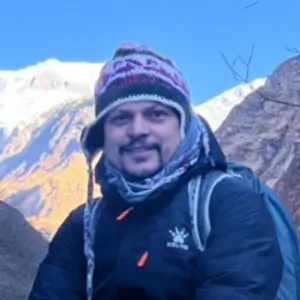
Yes, December is a good time for trekking in Nepal if you choose the right route and prepare for cold weather. The month offers clear Himalayan views, fewer crowds, and generally dry conditions. Popular options include Ghorepani Poon Hill, Mardi Himal, Langtang Valley, and lower Everest routes. However, temperatures can drop below freezing at higher elevations, and snowfall may affect mountain passes and teahouse availability. For first-time trekkers, lower-altitude routes are generally the most comfortable choices.
Is December a good time for trekking in Nepal?
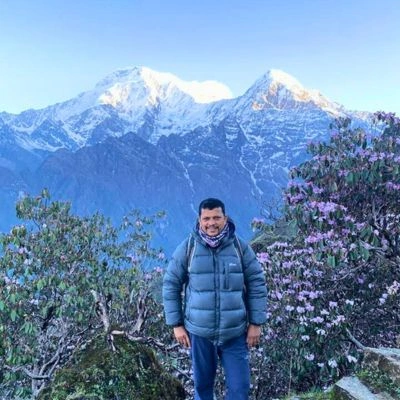
December is one of the quietest months for trekking in Nepal. As the busy autumn season comes to an end, the number of trekkers on popular mountain trails drops, teahouses become less crowded, and the skies often remain clear. For those who enjoy peaceful mountain walks and uninterrupted Himalayan views, December can be a rewarding time to explore Nepal.
However, winter trekking comes with its own challenges. Temperatures fall quickly after sunset, higher villages can experience freezing conditions, and snowfall may affect trails and mountain passes. Some teahouses also close for the winter, particularly at higher elevations.
So, is December a good time to trek in Nepal? Yes, if you choose the right route, carry suitable winter clothing, and understand the conditions before setting out. This guide explains the weather, best trekking routes, packing requirements, permits, costs, and safety considerations to help you plan a realistic December trekking holiday.
Why December Is an Underrated Month for Trekking in Nepal
December does not receive the same attention as October and November, but that does not mean it is a poor month for trekking. In fact, it offers several advantages for travelers who prefer quieter trails and clear mountain scenery.
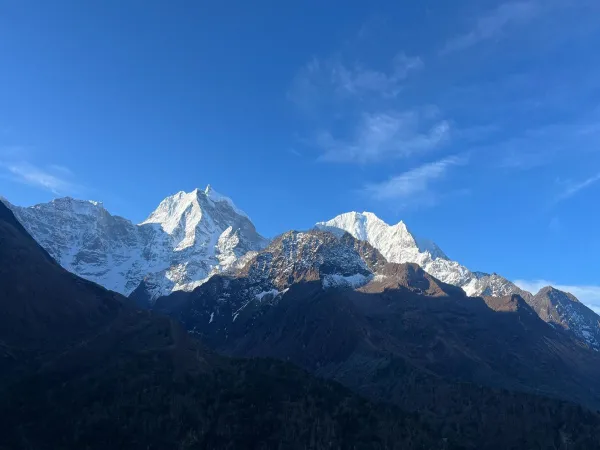
Clear mountain views: The post-monsoon atmosphere often remains relatively clear in December. With less dust and moisture in the air, mountain views can be excellent, particularly during clear mornings. Trekkers may enjoy impressive panoramas of the Annapurna, Everest, Langtang, and other Himalayan ranges.
Fewer trekkers on the trails: The autumn crowds gradually disappear after November. Popular routes such as Ghorepani Poon Hill, Mardi Himal, and parts of the Everest region generally become quieter. This makes it easier to enjoy mountain villages, viewpoints, and teahouse stays without the busy atmosphere of peak trekking season.
A more peaceful teahouse experience: With fewer visitors, accommodation can feel more relaxed. Depending on the route and location, travelers may have more flexibility when choosing rooms and arranging meals. Some lodges may also offer seasonal rates, although lower prices are not guaranteed everywhere.
Beautiful winter landscapes: Snow-covered peaks, frosty mornings, and warm sunshine during the day create a different Himalayan experience. December is particularly appealing to photographers who enjoy winter mountain scenery.
There are trade-offs, of course. Days are shorter, temperatures can drop below freezing, and higher routes may become difficult after snowfall. Some accommodation facilities close temporarily, especially in remote villages. December trekking is best approached with flexibility rather than a fixed expectation that every trail and teahouse will be operating normally.
Nepal Trekking Weather in December: What to Expect
December marks the beginning of winter in Nepal. The weather is generally dry across many trekking regions, but temperatures vary considerably depending on altitude, location, exposure, and daily weather conditions.
Lower trekking areas often remain pleasant during sunny afternoons, while higher villages can experience severe overnight cold. The difference between walking in the sunshine and staying overnight in an unheated mountain lodge can be significant.
December Weather by Trekking Region
|
Trekking region |
Typical daytime conditions |
Typical nighttime conditions |
Snow risk |
General suitability |
|
Kathmandu Valley |
15°C to 20°C |
3°C to 7°C |
Very low |
Excellent |
|
Pokhara and surrounding hills |
17°C to 22°C |
5°C to 9°C |
Very low |
Excellent |
|
Ghorepani and Poon Hill |
5°C to 12°C |
-5°C to 2°C |
Moderate |
Good with winter clothing |
|
Mardi Himal |
0°C to 10°C |
-10°C to -3°C |
Moderate to high |
Suitable with preparation |
|
Langtang Valley |
2°C to 10°C |
-10°C to -3°C |
Moderate to high |
Suitable with preparation |
|
Namche Bazaar |
0°C to 8°C |
-10°C to -5°C |
Moderate |
Suitable with preparation |
|
Everest Base Camp region |
-5°C to 5°C |
-20°C to -10°C |
High |
Challenging |
|
Manang and Thorong Phedi |
-5°C to 5°C |
-15°C to -8°C |
High |
Highly weather-dependent |
These are approximate planning ranges, not guaranteed forecasts or fixed regional climate averages. Actual temperatures can be colder, particularly during snowfall, strong winds, and cold spells. Conditions should be checked before departure.
How Cold Does It Get at Higher Altitudes?
Altitude has a major influence on temperature. As a general atmospheric estimate, temperature decreases by approximately 6.5°C for every 1,000 metres of elevation gained. However, this is not a reliable way to predict the exact temperature at individual trekking destinations because local terrain, wind, cloud cover, and weather systems also matter.
For example, a sunny afternoon in Pokhara may feel comfortable in a light jacket, while the same day at a mountain village above 3,500 metres can feel extremely cold.
Shorter Days and Winter Sunlight
December has some of the shortest days of the year in Nepal. Sunrise is generally around 6:30–6:50 AM, while sunset is around 5:00–5:20 PM, depending on the date and location.
Trekkers should start walking early, allow enough time to reach the next village, and avoid arriving at unfamiliar destinations after dark. It is also worth remembering that mountain valleys can lose direct sunlight earlier than open areas.
The Best Treks in Nepal in December
Choosing the right route is the most important part of planning a December trekking holiday. Lower and moderate-altitude trails are generally more comfortable, while high-altitude routes require additional preparation and careful monitoring of weather conditions.
Here are some of the best trekking options to consider.
1. Everest Region: Namche Bazaar and Tengboche
The Everest region remains an attractive destination for winter trekkers who want to experience Sherpa culture and Himalayan scenery without attempting the more demanding high mountain passes.
The route through Phakding, Namche Bazaar, and Tengboche offers views of Mount Everest, Ama Dablam, Lhotse, and other Himalayan peaks. Namche Bazaar is an important acclimatization stop, with traditional markets, mountain lodges, and impressive viewpoints.
An additional visit to the Everest View Hotel can provide beautiful mountain panoramas on a clear day.
December can be very cold in this region, especially at night. Snow and icy trails may affect walking conditions, and some accommodation facilities may close during the quieter winter period.
Recommended for: Trekkers with previous hiking experience who want to explore the Everest region without crossing high mountain passes.
2. Annapurna Region: Ghorepani Poon Hill and Mardi Himal
The Annapurna region offers several excellent winter trekking opportunities, particularly for travelers looking for mountain views without spending too many nights at extreme altitudes.
Ghorepani Poon Hill Trek
The Ghorepani Poon Hill Trek is one of the most accessible Himalayan trekking experiences in Nepal. The trail passes through traditional Gurung and Magar villages, rhododendron forests, stone staircases, and beautiful mountain landscapes.
The sunrise viewpoint at Poon Hill (3,210 m) is the main attraction. On a clear morning, trekkers can see Annapurna South, Machhapuchhre, Dhaulagiri, and several surrounding peaks.
December is a good month for this route because the lower villages are generally accessible and the mountain views can be excellent. However, early mornings at Poon Hill are cold, and snow or ice may occasionally affect the upper trail.
Mardi Himal Trek
The Mardi Himal Trek is another appealing option for travelers seeking closer views of the Annapurna range. The trail climbs through forested ridges and alpine landscapes towards High Camp and Mardi Himal viewpoints.
Its higher sections are considerably colder than the lower Annapurna trails. Snowfall can make narrow ridges and exposed sections slippery, so trekkers should check current conditions before continuing above High Camp.
Australian Camp and Dhampus
For a shorter and easier winter experience, Australian Camp and Dhampus are excellent alternatives. These lower-altitude destinations offer beautiful views of the Annapurna and Machhapuchhre ranges without requiring a long or demanding trekking itinerary.
Recommended for: First-time trekkers, couples, families with suitable fitness levels, and travelers with limited time.
3. Langtang Valley Trek: A Quieter Himalayan Experience
The Langtang Valley Trek is a wonderful option for travelers who want to experience Himalayan landscapes without traveling far from Kathmandu.
The journey begins with a drive from Kathmandu towards Syabrubesi, followed by a trek through forests, riverside settlements, traditional Tamang villages, and alpine scenery.
Kyanjin Gompa (3,870 m) is the main destination of the trek. Surrounded by impressive mountain peaks, glaciers, and open valley landscapes, it offers a memorable experience for winter visitors.
December can bring clear skies and peaceful trails, but temperatures become increasingly cold as you gain elevation. Snowfall may affect the upper valley, and accommodation availability should be confirmed before departure.
Travelers should also check local trail and road conditions before booking because access can be affected by seasonal weather or infrastructure disruptions.
Recommended for: Trekkers looking for mountain scenery, cultural experiences, and a quieter alternative to Nepal's busier trekking routes.
4. Kathmandu Valley and Lower Hill Treks
Not every December trekking holiday needs to involve high-altitude mountain villages. Nepal also has several beautiful lower-altitude hiking destinations that are suitable for travelers who prefer comfortable walking conditions.
Popular options include:
Nagarkot: Known for Himalayan sunrise views and peaceful countryside walks.
Chisapani: A rewarding short trek through forest trails and traditional settlements.
Shivapuri National Park: A convenient hiking destination near Kathmandu with forest scenery and mountain viewpoints.
Chisapani to Nagarkot: A popular multi-day hiking route combining forest trails, villages, and panoramic landscapes.
These routes are particularly suitable for families, beginners, and visitors who want to enjoy Nepal's natural scenery without dealing with extreme winter temperatures.
5. Best Short Treks in Nepal in December: 3–7 Days
If you have limited time in Nepal, several shorter trekking routes can provide a rewarding winter experience.
|
Trekking route |
Suggested duration |
Highest point |
Suitable for |
|
Australian Camp and Dhampus |
2–3 days |
Approx. 2,060 m |
Beginners and families |
|
Ghorepani Poon Hill |
4–5 days |
3,210 m |
First-time trekkers |
|
Chisapani Nagarkot |
3 days |
Approx. 2,175 m |
Short holidays |
|
Everest View Trek |
5–7 days |
Approx. 3,880 m at Tengboche |
Active trekkers |
|
Mardi Himal Short Trek |
5–7 days |
Approx. 4,500 m at the viewpoint |
Experienced and prepared trekkers |
|
Lower Langtang Valley |
6–7 days |
Depends on turnaround point |
Fit trekkers |
Durations depend on the starting point, transportation arrangements, acclimatization needs, and trail conditions. The highest point is not necessarily a recommended overnight altitude.
Treks and High Mountain Passes to Approach Carefully in December
Winter does not automatically make every high-altitude trek impossible. However, routes involving exposed mountain passes, remote settlements, and prolonged stays above 4,000 metres require considerably more caution.
Thorong La Pass – Annapurna Circuit
Thorong La Pass reaches approximately 5,416 metres and is one of the most challenging sections of the Annapurna Circuit.
In December, heavy snowfall, strong winds, icy trails, and rapidly changing weather can make the crossing dangerous. The pass may become temporarily impassable, and local accommodation or transport services may be limited.
Although some experienced trekkers successfully complete the Annapurna Circuit in December, crossing Thorong La should never be treated as guaranteed.
Everest Three Passes Trek
The Everest Three Passes Trek involves crossing Kongma La, Cho La, and Renjo La. These high-altitude passes are exposed to winter weather and can become difficult or unsafe following snowfall.
The route also involves remote sections where accommodation and emergency support may be limited. It is generally better suited to experienced trekkers during more favourable seasons.
Everest Base Camp Trek
The Everest Base Camp Trek can be undertaken in December by well-prepared trekkers, but it is considerably colder than lower Everest routes.
Gorak Shep, at approximately 5,164 metres, experiences particularly cold nights. Temperatures can fall well below -15°C, and the combination of altitude, wind, and freezing conditions makes the final stages physically demanding.
Some lodges may remain open, but availability should be confirmed in advance. Travelers should also allow flexibility for Lukla flight disruptions.
Why Teahouse Closures Matter in Winter
Accommodation is one of the most overlooked considerations when planning a December trek.
Some teahouses close during winter because of low visitor numbers, freezing temperatures, and limited supplies. This is particularly common in remote, high-altitude settlements.
Before setting out, confirm which lodges are operating, whether meals are available, and whether alternative accommodation exists along the route. A route that looks manageable on a map may become difficult if the expected overnight stop is unavailable.
December Trek Packing List: What to Carry for Winter Trekking
Packing properly can make the difference between an enjoyable winter trek and an uncomfortable experience.
The most important principle is layering. Instead of relying on one extremely thick jacket, carry several clothing layers that you can adjust as temperatures change throughout the day.
1. Base Layer
Your base layer sits directly against your skin and helps manage moisture.
Recommended items include:
- Thermal top and bottom.
- Merino wool or synthetic trekking underwear.
- Moisture-wicking trekking socks.
Avoid cotton clothing because it absorbs moisture and dries slowly, making you colder in winter conditions.
2. Mid Layer
The mid layer provides insulation and helps retain body heat.
Carry:
- Fleece jacket.
- Insulated trekking trousers.
- Lightweight thermal clothing.
3. Outer Layer
An outer shell protects you against wind, rain, and snow.
A good waterproof and windproof jacket is essential, especially on exposed ridges and higher sections of the trail.
4. Down Jacket
A quality down or synthetic insulated jacket is particularly important for cold mornings, evenings, and overnight stays.
Choose an insulation level appropriate for the expected temperatures and your route's altitude.
5. Essential Winter Trekking Equipment
|
Item |
Why you need it |
|
Warm sleeping bag |
Ideally rated around -15°C comfort, depending on altitude and lodge facilities |
|
Insulated water bottle |
Helps prevent drinking water from freezing |
|
Microspikes |
Improve grip on icy trails when conditions require them |
|
Warm gloves and liner gloves |
Protect hands from freezing temperatures |
|
Balaclava or neck warmer |
Protects your face and neck from cold winds |
|
Warm hat |
Reduces heat loss around your head |
|
Trekking poles |
Provide balance on slippery or uneven trails |
|
Headlamp |
Useful during early starts and darker evenings |
|
Sunglasses |
Protect your eyes from strong sunlight and snow glare |
|
Sunscreen and lip balm |
Protect exposed skin from UV radiation and dry mountain air |
|
Power bank |
Provides backup charging in remote mountain villages |
|
Personal medication and first-aid kit |
Helps manage common trekking problems |
A sleeping bag rated to -15°C is a useful planning option for colder routes, but the rating should be checked carefully. Look for the EN/ISO comfort rating rather than relying only on the manufacturer's lower-limit or extreme rating.
What Can You Rent in Kathmandu?
Many trekking shops in Thamel offer sleeping bags, down jackets, trekking poles, and other equipment for rent.
However, it is better to bring personal base layers, socks, underwear, gloves, and comfortable trekking boots. These are items that should fit properly and feel familiar before the trek begins.
Protect Your Electronics from the Cold
Cold weather reduces battery performance. Phones, cameras, GPS devices, and power banks may lose charge faster than expected.
Keep electronics inside an insulated jacket or a protective pouch whenever possible. Carry spare batteries and avoid leaving cameras or phones exposed overnight.
Trekking Permits, Guides and Logistics in December
Before starting your trek, make sure you have the necessary permits and travel arrangements.
Permit requirements depend on the trekking destination, protected area regulations, and any restricted-area rules.
Trekking Permits in Nepal
The following permits are commonly required for popular trekking regions:
|
Trekking region |
Common permit |
|
Annapurna Region |
Annapurna Conservation Area Permit (ACAP) |
|
Everest Region |
Sagarmatha National Park Entry Permit and applicable local entry fees |
|
Langtang National Park Entry Permit |
|
|
Manaslu Region |
Restricted Area Permit, Manaslu Conservation Area Permit and other applicable permits |
|
Other protected areas |
Permit requirements depend on the destination |
Permit charges and requirements can change. Check the latest official rates and application procedures before departure. Restricted-area permits generally need to be arranged through an authorized trekking agency.
The former TIMS card system should not be presented as a universal requirement for every trekking route. Its application depends on the current regulations and destination.
Do You Need a Guide for Trekking in Nepal?
Nepal has introduced mandatory licensed-guide requirements for foreign trekkers in many designated trekking areas. The rules and their application can differ by route and protected area.
Travelers should confirm the latest requirements before departure rather than assume that independent trekking is permitted everywhere.
Hiring a local guide offers additional benefits during winter. Guides understand local trail conditions, know which teahouses are operating, help with accommodation arrangements, and can assist when weather conditions change.
December Flights to Lukla
Trekkers traveling to the Everest region should allow extra time for possible flight disruptions.
Winter weather, visibility, and operational conditions can affect flights between Kathmandu or Ramechhap and Lukla. Delays and cancellations are possible, even when the forecast initially looks favourable.
Keep at least one or two buffer days in your travel schedule where possible, especially if you have an international departure shortly after your trek.
Travel Insurance for Winter Trekking
Standard travel insurance may not cover high-altitude trekking or emergency helicopter evacuation.
- Before purchasing a policy, check that it specifically covers:
- Trekking at your intended maximum altitude.
- Emergency medical treatment.
- Helicopter evacuation where medically necessary.
- Trip interruption and weather-related travel disruption, if available.
Read the policy exclusions carefully. Do not assume that every insurance provider covers trekking above 4,000 or 5,000 metres.
Health, Safety and Altitude Considerations in Winter
Cold weather adds another challenge to high-altitude trekking, but it does not reduce the risk of altitude sickness.
Trekkers should understand how to recognize common altitude-related problems and know when to stop ascending.
Acute Mountain Sickness (AMS)
Acute Mountain Sickness can affect anyone who ascends too quickly, regardless of fitness or previous trekking experience.
Common symptoms include:
- Headache.
- Nausea or vomiting.
- Dizziness.
- Loss of appetite.
- Unusual fatigue.
- Difficulty sleeping.
Do not continue ascending if symptoms develop or worsen. More serious symptoms, such as difficulty walking straight, confusion, or breathlessness at rest, require immediate medical attention and descent.
Hypothermia and Frostbite
Hypothermia occurs when the body loses heat faster than it can produce it. Frostbite affects body tissues exposed to extreme cold, particularly fingers, toes, ears, and the nose.
Watch for warning signs such as:
- Uncontrolled shivering.
- Confusion or unusual behaviour.
- Slurred speech.
- Loss of coordination.
- Numbness or pale, unusually cold skin.
If someone shows signs of hypothermia, move them to shelter, remove wet clothing, insulate them, and arrange urgent medical assistance. Do not rely on hot drinks or warming alone when symptoms are severe.
Start Early and Avoid Walking After Dark
Winter daylight is limited, so begin your daily trek early enough to reach your destination before sunset.
Allow extra time for icy sections, steep descents, and unexpected weather changes. Carry a headlamp, but do not treat it as a substitute for proper daytime planning.
Emergency Evacuation in the Low Season
Helicopter evacuation may be more difficult during poor weather or periods of limited flight operations. Remote mountain locations also have fewer immediate medical facilities.
Travel with a guide when required, share your itinerary with someone responsible, and keep emergency contacts accessible. Always have a realistic backup plan if the weather prevents you from continuing.
Trekking Costs and Crowds in Nepal in December
December can offer a quieter and sometimes more flexible trekking experience, but it is not automatically the cheapest month.
Your overall budget depends on the route, trekking duration, accommodation, meals, transportation, permits, guide and porter arrangements, and equipment requirements.
Estimated Daily Trekking Budget
|
Travel style |
Approximate daily budget per person |
|
Budget independent-style arrangements where permitted |
USD 25–40 |
|
Mid-range trekking arrangements |
USD 45–75 |
|
Guided private trekking experience |
USD 70–120+ |
These are broad planning estimates, not fixed market rates. Costs can vary considerably by region, group size, season, inclusions, and transportation. Permit fees, international travel, insurance, and some transfers may be additional.
Are Teahouses Cheaper in December?
Some teahouses may offer seasonal discounts because visitor numbers are lower. However, this depends on the location and operating conditions.
Food, fuel, transportation, and supplies can remain expensive at higher elevations. In remote villages, prices may even increase because of transportation difficulties.
Do not plan your budget on the assumption that every lodge will reduce its prices.
Christmas and New Year Trekking
The period around Christmas and New Year can attract international travelers who want to spend the holidays in the Himalayas.
Although December is generally quieter than October and November, popular destinations such as Ghorepani and the Everest region may still receive visitors during this period.
If you are planning a Christmas or New Year trek, it is sensible to arrange your guide, transportation, and accommodation in advance.
Sample 10-Day December Trekking Itinerary: Ghorepani Poon Hill
For travelers visiting Nepal in December, the Ghorepani Poon Hill Trek is one of the more practical options. It offers traditional villages, forest trails, Himalayan viewpoints, and a manageable duration without requiring an extended stay at extreme altitude.
Here is a suggested 10-day Nepal itinerary combining Kathmandu, Pokhara, and the Annapurna foothills.
|
Day |
Itinerary |
Overnight |
|
Day 1 |
Arrive in Kathmandu and transfer to your hotel |
Kathmandu |
|
Day 2 |
Explore Kathmandu's cultural and historical attractions |
Kathmandu |
|
Day 3 |
Travel from Kathmandu to Pokhara |
Pokhara |
|
Day 4 |
Drive to Nayapul or the appropriate trailhead and trek to Tikhedhunga or Ulleri |
Mountain teahouse |
|
Day 5 |
Trek from Ulleri to Ghorepani through rhododendron forests |
Ghorepani |
|
Day 6 |
Early morning hike to Poon Hill for sunrise, then trek to Tadapani |
Tadapani |
|
Day 7 |
Trek from Tadapani towards Ghandruk |
Ghandruk |
|
Day 8 |
Trek or drive towards Pokhara, depending on trail and road conditions |
Pokhara |
|
Day 9 |
Explore Pokhara or enjoy a relaxed day by Phewa Lake |
Pokhara |
|
Day 10 |
Travel back to Kathmandu or connect with your international departure |
Departure |
Important itinerary note: This is a sample route, not a fixed schedule. Walking times, trail access, and transport arrangements should be checked before departure. In December, it is sensible to keep flexibility for weather-related changes.
Travelers interested in the Everest region can consider an alternative short itinerary to Namche Bazaar and Tengboche, provided they have sufficient time for acclimatization and suitable winter conditions.
Frequently Asked Questions About Trekking in Nepal in December
Is December too cold to trek in Nepal?
No. December is not too cold for every trekking destination in Nepal. Lower-altitude routes such as Ghorepani Poon Hill, Australian Camp, Dhampus, and Chisapani Nagarkot are generally suitable with appropriate winter clothing.
Higher-altitude destinations can experience freezing temperatures, heavy snowfall, and difficult trail conditions. Choosing the right route is essential.
Can I trek to Everest Base Camp in December?
Yes, the Everest Base Camp Trek is possible in December for well-prepared trekkers. However, it is a challenging winter adventure because temperatures at Gorak Shep and other high-altitude settlements can fall significantly below freezing.
You should have suitable winter equipment, a proper acclimatization schedule, reliable accommodation arrangements, and flexibility for Lukla flight delays.
Do teahouses stay open in December?
Many teahouses remain open on popular trekking routes, particularly in lower and moderately elevated areas. However, some lodges in remote and high-altitude villages close during winter.
Check accommodation availability before starting your trek rather than assuming that every village will have an operating teahouse.
Is there snow on trekking trails in December?
Snow is possible, particularly above 3,000–4,000 metres, although the exact elevation and amount depend on the weather and region. Lower routes may remain snow-free throughout December, while higher trails and mountain passes can experience snowfall and icy conditions.
Is December better than November for trekking in Nepal?
November is generally warmer and offers more predictable trekking conditions, making it one of the best months for a wider range of routes.
December is colder but usually quieter. It is a good choice for travelers who value peaceful trails, winter scenery, and clear mountain views over warmer temperatures.
Which is the best trek in Nepal in December for beginners?
Ghorepani Poon Hill is one of the best choices for beginners who have reasonable fitness and want a classic Himalayan trekking experience.
Australian Camp and Dhampus are shorter, lower-altitude alternatives for travelers who prefer an easier introduction to trekking.
Can I trek independently in Nepal in December?
Trekking arrangements depend on the route and current regulations. Foreign trekkers must follow the applicable licensed-guide requirements in designated areas. Winter also makes independent planning more challenging because of changing trail conditions and accommodation availability.
Final Thoughts: Is December a Good Time to Trek in Nepal?
Trekking in Nepal in December offers a different experience from the busy autumn season. The mountains can look spectacular under clear winter skies, the trails are generally quieter, and traditional mountain villages feel more peaceful.
However, the cold should never be underestimated. High-altitude routes require proper equipment, careful planning, and flexibility when weather conditions change.
For first-time trekkers and travelers looking for a comfortable winter adventure, Ghorepani Poon Hill, Australian Camp, and lower-altitude Annapurna routes are excellent starting points. More experienced trekkers can consider higher destinations after checking current conditions and arranging suitable support.
Contact Nepal Treks and Tour to discuss the right route, check current trail conditions, and arrange a trekking itinerary that matches your time, experience, and comfort level.
Need Help? Call Us
Need Help? Call Us+9779851013072