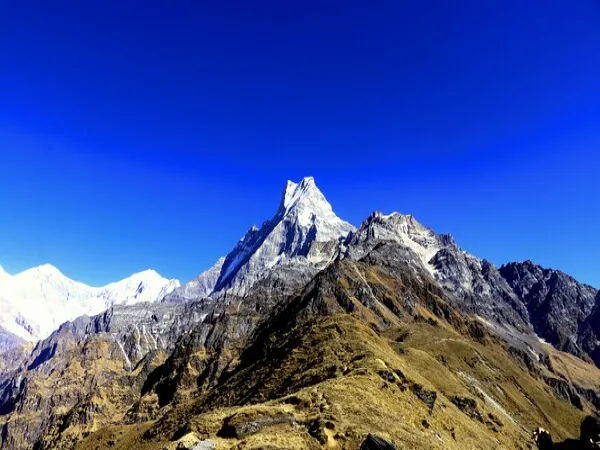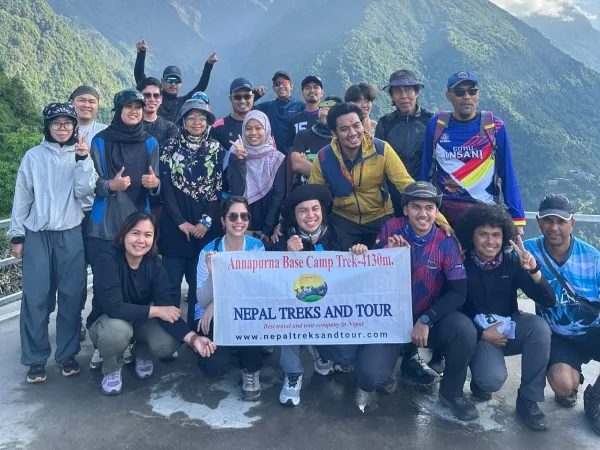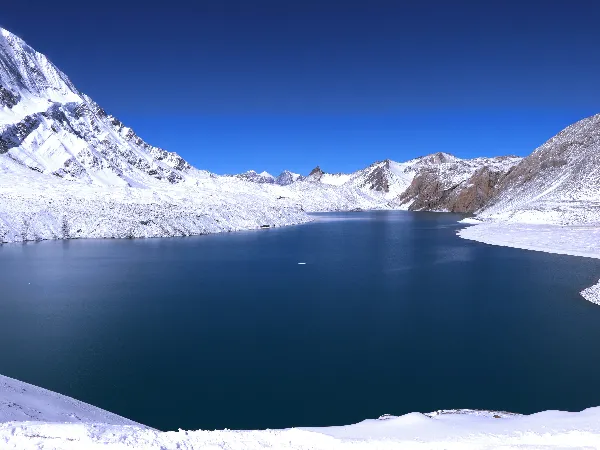
Trekking above 4,000 meters in Nepal is not a normal holiday. It's a slow, breathless, often humbling walk into the biggest mountains on Earth.
The air gets thin. Your pace slows down whether you like it or not. Your phone signal disappears. And then, somewhere around a bend in the trail, you look up and see Everest, Annapurna, or Manaslu rising in front of you, and every tired step suddenly feels worth it.
This guide explains, in plain language, what high-altitude trekking in Nepal actually involves: which routes are realistic for you, how hard they really are, how to stay safe from altitude sickness, and what to pack. No jargon. No exaggeration. Just what you need to know before you go.
What Counts as "High Altitude" in Nepal?
In Nepal, trekking guides generally call anything above 3,000 meters "high altitude." But the real difficulty starts past 4,000 meters, and it becomes serious business above 5,000 meters.
Here's why altitude matters so much:
- Above 5,000m, the air holds roughly half the oxygen you'd get at sea level. Your body has to work harder for every breath.
- Your walking pace naturally slows down, even if you're fit. This is normal, not a sign of weakness.
- Acclimatization days (rest days at altitude) aren't optional extras. They're how your body adjusts to lower oxygen, and skipping them is one of the main reasons people get sick on the trail.
- Mountain weather can shift from clear skies to snow in a matter of hours, especially above 4,500m.
This isn't meant to scare you. Thousands of ordinary, reasonably fit people complete these treks every year. But understanding what altitude does to your body is the first step to doing it safely.
Why Nepal Is the Best Place in the World for High-Altitude Trekking
Nepal is home to eight of the world's fourteen mountains above 8,000 meters, including Everest. That single fact shapes everything about trekking here.
A few things make Nepal genuinely unique for this kind of travel:
- You can walk to the base of an 8,000m peak and sleep in a teahouse the same night. Very few places on Earth offer that.
- The trekking regions are diverse. Everest feels different from Annapurna, which feels different from Manaslu or Dolpo, even though they're all in one country.
- The teahouse system means you don't need to carry tents or cook your own food on most popular routes, even at 5,000m.
- You get culture and nature together. Sherpa villages, Buddhist monasteries, and yak pastures sit right alongside glaciers and high passes.
The most popular high-altitude regions are the Everest region, the Annapurna region, the Manaslu region, and the more remote Dolpo and Kanchenjunga regions.
Best High-Altitude Treks Above 4,000m
These are the routes most trekkers choose first. They're well-established, with teahouses along the way, but they still demand real fitness and respect for altitude.
Everest Base Camp Trek — highest point around 5,364m at Kala Patthar. The classic trek into the Khumbu region, ending at the base of the world's tallest mountain.
Annapurna Circuit via Thorong La Pass — highest point 5,416m. A long, varied trek that crosses from green rice terraces to high desert-like landscapes in just a couple of weeks.
Manaslu Circuit Trek — highest point around 5,160m at Larkya La Pass. Quieter than Everest or Annapurna, with a strong sense of remoteness.
Kanchenjunga Base Camp Trek — highest point around 5,143m. One of the least crowded major treks, reaching the base of the world's third-highest mountain.
What you can generally expect on these routes: established teahouses for food and sleep, a moderate-to-hard difficulty level, built-in acclimatization days if you follow a sensible itinerary, and mountain views that genuinely don't fade with repetition.
Extreme High-Altitude Treks Above 5,000m
These routes are built for trekkers who already have high-altitude experience under their belt. They go further, higher, and into much more remote territory.
Everest Three Passes Trek — crosses three passes above 5,000m in one trek, offering a much wider view of the Khumbu region than the standard Base Camp route.
Upper Dolpo Trek — one of the most remote, culturally untouched regions in Nepal, closer in feel to Tibet than the rest of the country.
Dhaulagiri Circuit Trek — a tough, technical route that circles the Dhaulagiri massif, with long stretches above 5,000m.
Makalu Base Camp Trek — a wild, less-visited route to the base of the world's fifth-highest mountain.
A few things set these apart from the more popular routes: walking days that often run 6 to 8 hours or longer, limited or no rescue access in parts of the trail, genuine isolation from villages and other trekkers, and a real chance that bad weather could delay your schedule by days, not hours.
How Hard Are These Treks, Really?
Not every high-altitude trek is equally difficult, even though they all involve thin air and big mountains.
Moderate difficulty: Everest Base Camp, Annapurna Circuit. Demanding, but achievable for reasonably fit trekkers with no major health issues.
Challenging difficulty: Manaslu Circuit, Kanchenjunga Base Camp. Longer, more remote, and less forgiving if something goes wrong.
Extreme difficulty: Upper Dolpo, Dhaulagiri Circuit, Everest Three Passes. Best attempted only with prior high-altitude trekking experience.
What actually makes a trek harder isn't just the altitude number. It's the combination of how far you walk each day, how much elevation you gain in a short time, how unpredictable the weather is, and how far you are from help if something goes wrong.
Altitude Sickness: What It Is and How to Avoid It
Altitude sickness, medically known as Acute Mountain Sickness (AMS), is the single biggest health risk in Nepal trekking, and it can affect anyone, regardless of age or fitness level.
Common early symptoms include:
- Headache
- Nausea
- Dizziness
- Loss of appetite
- Unusual fatigue
These symptoms usually show up above 2,500m to 3,000m and tend to get more serious the higher and faster you go.
How to lower your risk:
- Ascend slowly. As a rough guide, avoid increasing your sleeping altitude by more than 300 to 500 meters per day once you're above 3,000m.
- Take your acclimatization days seriously, even if you feel fine. They're built into good itineraries for a reason.
- Drink plenty of water throughout the day.
- Avoid alcohol and sleeping pills at altitude, since both can mask symptoms or worsen breathing.
- Follow the old mountaineering rule: "climb high, sleep low." Day hikes to higher points followed by a return to a lower sleeping spot help your body adapt.
If you or anyone in your group develops moderate-to-severe symptoms (confusion, difficulty walking in a straight line, severe headache that doesn't improve with rest), the only safe response is to descend. Pushing through can turn a manageable problem into a life-threatening one.
A note on safety: this section is for general trekking education. If you're planning a high-altitude trip and have any underlying heart, lung, or other chronic health condition, talk to a doctor experienced in travel or altitude medicine before you go.
Best Time of Year to Go
Spring (March to May) and autumn (September to November) are the two trekking seasons almost every guide and trekking agency in Nepal will recommend.
Why these months work so well:
- Weather is more stable and predictable.
- Mountain views are clearer, with fewer clouds blocking the peaks.
- Trail conditions are safer, with less snow and ice on high passes.
Seasons to generally avoid for high-altitude treks:
- Monsoon (June to August): heavy rain increases the risk of landslides, and clouds often hide the views you came for.
- Winter (December to February): snow can close high passes entirely, and temperatures at altitude can drop dangerously low for inexperienced trekkers.
That said, some experienced trekkers do choose winter for quieter trails and crisp visibility on lower routes. It simply requires more gear, more caution, and realistic expectations about closed passes.
How to Train and Prepare Your Body
Good preparation won't eliminate the challenge of high altitude, but it makes the physical side much more manageable.
Physical preparation:
- Build up cardio fitness through running, hiking, or cycling for at least 2 to 3 months before your trip.
- Strengthen your legs, especially for downhill sections, which are often harder on the knees than climbing.
- Practice long-distance walking, ideally on consecutive days, to get used to walking while tired.
Mental preparation matters just as much:
- Expect your pace to slow down at altitude. This is biology, not a personal failure.
- Accept some discomfort. Cold mornings, basic teahouse rooms, and tired legs are part of the experience.
- Stay patient on harder days. Most trekkers who struggle do so mentally before they struggle physically.
Permits, Guides, and Rules You Need to Know
Most high-altitude treks in Nepal require official permits, and the rules can change, so it's worth confirming current requirements with a licensed trekking agency or Nepal's Department of Immigration before you travel.
Permits you'll commonly need:
- TIMS Card (Trekkers' Information Management System)
- National Park or Conservation Area entry permits (depending on the region)
- Restricted Area Permits for regions like Manaslu, Dolpo, and Kanchenjunga, which require trekking with a licensed guide by law
Why a licensed guide is worth having, even where not legally required:
- Guides are trained to recognize early signs of altitude sickness in you and your group.
- They know the trail, weather patterns, and alternate routes in the region.
- They can organize emergency support and communication if something goes wrong, which matters a great deal in remote areas with no phone signal.
What to Pack: A Simple Checklist
You don't need to overpack, but a few items genuinely matter for high-altitude comfort and safety.
Core clothing and gear:
- A good down jacket
- Thermal base layers
- A waterproof shell jacket
- Sturdy, broken-in trekking boots
- A sleeping bag rated to -10°C or lower
- Trekking poles, which take real pressure off your knees on long descents
Health and safety items:
- High-SPF sunscreen (UV exposure is much stronger at altitude)
- A basic first aid kit
- Water purification tablets or a filter
- A reliable headlamp with spare batteries
A good rule of thumb: pack for layering rather than for one "perfect" outfit, since temperatures can swing 20 to 30 degrees Celsius between midday sun and a high-altitude night.
Safety Tips That Actually Matter
A few realities of high-altitude trekking are worth repeating, because they catch new trekkers off guard most often:
- Weather at altitude can change within a few hours, not days. Don't assume a clear morning means a clear afternoon.
- Flights to mountain airstrips like Lukla or Jomsom are frequently delayed or canceled due to weather. Build buffer days into your schedule if you have a flight to catch afterward.
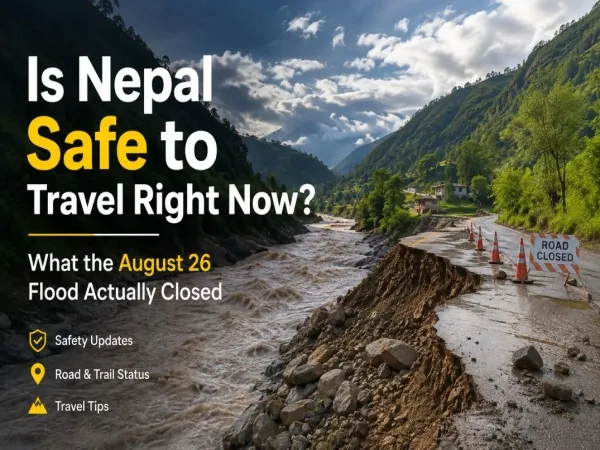
- Landslides are a real risk in the shoulder seasons just before and after monsoon.
- Listen to your guide, especially when they suggest slowing down, resting, or turning back. They've seen what altitude does to people, and their caution is rarely overcautious.
The one rule worth remembering above all others: never ignore early symptoms of altitude sickness, even mild ones. A headache that gets worse, not better, with rest is a signal to stop ascending, not push through.
Who Should Think Twice Before Going
High-altitude trekking is genuinely rewarding, but it's not the right fit for everyone, and that's worth being honest about.
You may want to reconsider, or talk to a doctor first, if you:
- Have no prior trekking or sustained hiking experience
- Have a diagnosed heart or lung condition
- Cannot comfortably walk 5 to 7 hours a day on uneven terrain
- Aren't prepared for basic teahouse accommodation (shared bathrooms, no heating, simple meals)
This isn't about discouraging anyone. Many first-time trekkers do complete treks like Everest Base Camp successfully. It's about going in with accurate expectations rather than ones shaped by a few dramatic photos online.
Final Thoughts: Is High-Altitude Trekking in Nepal Worth It?
High-altitude trekking in Nepal is hard. There's no honest way to describe it otherwise. But it's also one of the most genuinely rewarding things you can do with a few weeks of your life.
You don't just look at the mountains from a viewpoint. You walk into them, day after day, until they stop feeling like postcards and start feeling like the place you're actually standing.
Prepare properly, choose a trek that matches your fitness and experience, respect what altitude does to the human body, and Nepal will give you something that's hard to put into words afterward.
Frequently Asked Questions
What is the minimum fitness level needed for a high-altitude trek in Nepal?
You don't need to be an athlete, but you should be able to comfortably walk 5 to 7 hours a day on uneven, hilly terrain for multiple consecutive days. Building up cardio fitness for 2 to 3 months beforehand makes a noticeable difference.
Can a beginner do the Everest Base Camp trek?
Yes, many first-time trekkers complete it successfully each year. It's considered moderate difficulty rather than extreme, but beginners should still train beforehand, follow a slow acclimatization schedule, and ideally trek with a licensed guide.
How many acclimatization days do I need above 4,000m?
Most well-designed itineraries include a rest day roughly every 600 to 1,000 meters of elevation gain once you're above 3,000m. On routes like Everest Base Camp, this typically means two dedicated acclimatization days.
What is the difference between AMS, HAPE, and HACE?
AMS (Acute Mountain Sickness) is the common, milder form of altitude sickness with headaches and nausea. HAPE (High Altitude Pulmonary Edema) and HACE (High Altitude Cerebral Edema) are rarer but serious conditions involving fluid in the lungs or brain, and both require immediate descent and medical attention.
Do I need a guide for high-altitude treks in Nepal?
For restricted regions like Manaslu, Dolpo, and Kanchenjunga, a licensed guide is legally required. For other routes like Everest Base Camp or Annapurna, it's not always mandatory, but it's strongly recommended for safety, navigation, and emergency support.
What is the best month to trek to Everest Base Camp?
October is generally considered the most popular and reliable month, offering stable weather and clear mountain views. April and May are also strong choices in spring.
Is altitude sickness medication necessary?
Some trekkers use medication like acetazolamide (Diamox) to help with acclimatization, but this should only be taken after discussing it with a doctor familiar with your health history and altitude medicine. Medication is not a substitute for slow ascent and proper acclimatization.
How cold does it get at high altitude in Nepal?
Nighttime temperatures at 4,000 to 5,000m can drop well below freezing, even in the trekking seasons of spring and autumn, often reaching -10°C to -15°C or lower at the highest camps.
Are teahouses available on all high-altitude treks?
Teahouses are available on popular routes like Everest Base Camp, Annapurna Circuit, and Manaslu Circuit. On more remote treks like Upper Dolpo or Makalu Base Camp, camping with a support crew is often necessary instead.
What permits do I need for the Manaslu Circuit trek?
The Manaslu Circuit requires a Restricted Area Permit, along with Manaslu Conservation Area and Annapurna Conservation Area entry permits, since the route passes through both. A licensed guide is mandatory for this trek.
Is travel insurance required for high-altitude trekking in Nepal?
While not always legally required, travel insurance that specifically covers high-altitude trekking and emergency helicopter evacuation is strongly recommended, since standard travel policies often exclude trekking above certain elevations.
How long does it take to acclimatize to 5,000m?
There's no fixed number, since it varies by individual, but most well-paced itineraries allow 7 to 10 days of gradual ascent with rest days before reaching altitudes around 5,000m.