Written using firsthand trail experience and current-season weather patterns from guides operating across the Everest, Annapurna, and Manaslu regions.

What Makes Autumn the Golden Season for Trekking in Nepal?
Autumn (September to November) is the best time to trek in Nepal. After the monsoon ends, the trails are dry, mountain views are crystal clear, temperatures are mild, and stable weather makes trekking safer and more enjoyable. It's also the season of Nepal's biggest festivals, Dashain and Tihar, adding a rich cultural experience to your journey. This guide walks through exactly why autumn works so well, using real weather patterns, real festival timing, and honest trail comparisons.
When Is Autumn Trekking Season in Nepal?
Autumn is the most popular trekking season in Nepal, running from early September to late November. During these three months, the monsoon rains disappear, the skies become clear, and the Himalayas reveal some of their best views of the year. The combination of stable weather, comfortable temperatures, and dry trails makes autumn the first choice for many trekkers visiting Nepal.
The season usually begins in early September as the summer monsoon gradually comes to an end. While a few lower areas may still receive occasional rainfall during the first week or two, conditions improve quickly across the country. By the middle of September, the skies are brighter, the air feels fresh, and most trekking routes are dry enough for comfortable hiking.
October is the peak of the autumn trekking season. Weather conditions are generally stable throughout the month, making it one of the safest and most enjoyable times to trek in Nepal. The days are warm enough for long hours of walking, while evenings remain cool and pleasant. This is also when mountain views are often at their clearest, attracting trekkers from around the world.
The season continues through November with excellent trekking conditions. The weather stays dry, visibility remains outstanding, and the trails become slightly quieter after the busy October period. Although temperatures begin to drop as winter approaches, most trekking routes remain comfortable during the day with the right clothing.
One important thing to remember is that the exact start of autumn can vary slightly from year to year. If the monsoon ends later than usual, early September may still experience brief showers in some regions. However, this rarely affects trekking conditions after the middle of the month.
Whether you are planning your first Himalayan adventure or returning to explore another region, autumn offers one of the most reliable trekking seasons in Nepal. The combination of predictable weather, clear mountain views, and comfortable hiking conditions makes it the ideal time for almost every trekking route across the country.
What Is the Weather Like in September, October, and November?
Autumn weather in Nepal changes gradually from September to November, giving trekkers several excellent options depending on the type of experience they want. While all three months offer fantastic trekking conditions, each has its own unique atmosphere, temperatures, and scenery.
September
September marks the beginning of Nepal's autumn trekking season. During the first half of the month, a few lower regions may still receive occasional rain as the summer monsoon slowly retreats. Areas around Pokhara, the Annapurna foothills, and some mid-hill regions can remain slightly humid, but these conditions improve quickly.
By the second half of September, the weather becomes much more stable. The skies begin to clear, the mountain views improve each day, and the trekking trails dry out after months of rainfall. The countryside is especially beautiful during this time. Forests are lush and green, rivers flow at their fullest, and waterfalls create stunning scenery along many trekking routes.
September is an excellent choice for travelers who prefer quieter trails. Since the busiest trekking season has not yet begun, tea houses are generally less crowded, making the overall experience more peaceful.
October
October is widely considered the best month for trekking in Nepal. Stable weather, clear skies, and comfortable temperatures create ideal conditions for hiking in almost every trekking region.
Rainfall is extremely rare during October, and the air becomes remarkably clean after the monsoon. This allows spectacular views of famous Himalayan peaks, including Everest, Annapurna, Manaslu, Dhaulagiri, and Langtang. Many photographers and experienced trekkers consider October the best month for capturing Nepal's mountain landscapes.
Daytime temperatures are comfortable for walking, while cool evenings make it easier to rest after long trekking days. Because the weather is so reliable, October is also the busiest month of the year. Popular trekking routes such as Everest Base Camp, Annapurna Base Camp, and the Annapurna Circuit welcome thousands of trekkers from around the world.
October also coincides with Nepal's largest festivals, Dashain and sometimes Tihar, giving visitors the opportunity to experience both natural beauty and vibrant local culture during the same journey.
November
November continues to offer outstanding trekking conditions across Nepal. The skies remain clear, rainfall is uncommon, and visibility is often even better than in October. Many trekkers enjoy November because the mountain views remain spectacular while the trails become slightly less crowded.
The biggest difference is the temperature. As winter approaches, mornings and evenings become noticeably colder, especially above 3,500 meters (11,500 feet). Higher mountain passes, base camps, and alpine villages may experience freezing temperatures after sunset, although daytime hiking remains pleasant under sunny skies.
November is an excellent choice for trekkers who enjoy crisp mountain air and quieter trails. With proper clothing and layered gear, most people find the weather comfortable throughout the day while still enjoying some of the clearest Himalayan views of the entire year.
Overall, September, October, and November each offer unique advantages. Whether you prefer greener landscapes, lively festivals, or cooler weather with fewer crowds, autumn provides outstanding trekking conditions for every type of traveler.
Why Do So Many Trekkers Choose Autumn in Nepal?
Every year, thousands of trekkers from around the world visit Nepal during autumn, and it is easy to understand why. This season offers the perfect combination of beautiful scenery, comfortable trekking conditions, rich local culture, and unforgettable Himalayan views. For many travelers, autumn delivers the complete trekking experience they have always imagined.
One of the biggest reasons people choose autumn is the overall quality of the trekking experience. Walking through the Himalayas feels comfortable because the weather is generally dry, the temperatures are pleasant, and the mountain trails are in excellent condition. Long hiking days become much more enjoyable when you do not have to worry about heavy rain, muddy paths, or poor visibility.
Autumn is also the best season to appreciate Nepal's breathtaking landscapes. The forests remain green after the monsoon, rivers flow through deep valleys, and snow-covered mountains stand out against brilliant blue skies. Every day brings new scenery, whether you are trekking through rhododendron forests, crossing suspension bridges, or reaching high mountain viewpoints.
Another reason autumn is so popular is the atmosphere along the trekking routes. Tea houses become lively as trekkers from different countries gather to share stories after a day of hiking. Villages feel welcoming, local businesses are fully open, and experienced guides and porters are available across Nepal's most popular trekking regions.
For travelers visiting during Dashain and Tihar, the journey becomes even more memorable. Colorful decorations, traditional music, family celebrations, and warm hospitality give visitors a chance to experience Nepal's culture while exploring the mountains. These cultural moments often become some of the most memorable parts of the entire trek.
Autumn also suits many different types of trekkers. Beginners appreciate the reliable conditions and well-established trails, while experienced hikers value the excellent visibility and ideal weather for high-altitude adventures. Whether you are planning a short trek like Ghorepani Poon Hill or a challenging journey to Everest Base Camp or the Manaslu Circuit, autumn offers outstanding conditions for nearly every trekking destination.
Simply put, autumn combines everything most trekkers look for in a Himalayan adventure. Comfortable weather, incredible mountain scenery, welcoming villages, and rich cultural experiences come together to create one of the best trekking seasons not only in Nepal but anywhere in the world.
Why Is Autumn the Best Time for High-Altitude Trekking?
High-altitude trekking is one of the main reasons travelers visit Nepal, and autumn provides some of the safest and most enjoyable conditions for reaching the country's famous mountain passes and base camps. Whether you are trekking to Everest Base Camp, crossing Thorong La Pass, or exploring the remote Manaslu Circuit, autumn offers weather that makes these challenging journeys more comfortable and reliable.
One of the biggest advantages of autumn is the stable mountain weather. After the monsoon ends, the chances of heavy rainfall become very low, and the risk of landslides, flooded trails, and washed-out paths decreases significantly. This allows trekkers to move through higher elevations with greater confidence and fewer weather-related delays.
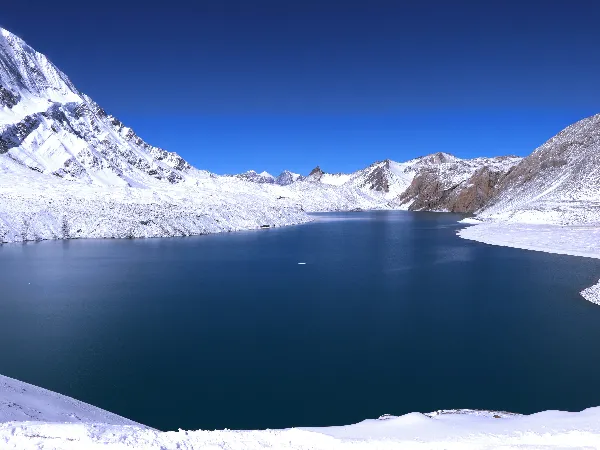
The dry conditions also make high mountain passes safer to cross. Popular passes such as Thorong La, Larke Pass, and Cho La are generally more accessible during autumn because fresh snowfall is less common than in winter. Stable weather gives trekkers a better chance of completing their planned itinerary without unexpected route closures.
Another reason autumn is ideal for high-altitude trekking is the excellent visibility. Clean mountain air and clear skies allow trekkers to enjoy panoramic views throughout the journey. Instead of seeing mountains hidden behind clouds or haze, you can often enjoy uninterrupted views from sunrise until late afternoon.
Comfort is equally important at higher elevations. During the day, temperatures are usually cool but pleasant enough for hiking. While nights become colder as you climb above 3,500 meters (11,500 feet), proper layering and a quality sleeping bag are generally enough to stay comfortable. Compared to the freezing temperatures of winter or the wet conditions of the monsoon, autumn offers a much more balanced trekking experience.
Autumn also supports better acclimatization. Reliable weather makes it easier to follow a gradual trekking schedule with planned rest days, helping your body adjust naturally to higher elevations. This is especially important on longer treks such as Everest Base Camp, Annapurna Circuit, and Manaslu Circuit, where proper acclimatization plays a key role in completing the journey safely.
For these reasons, many experienced guides recommend autumn as the best season for high-altitude trekking in Nepal. The combination of stable weather, safer trail conditions, clear mountain views, and comfortable hiking temperatures creates the ideal environment for exploring the Himalayas.
Why Are Mountain Views So Clear in Autumn?
One of the biggest reasons trekkers choose autumn in Nepal is the incredible mountain scenery. During this season, the Himalayan peaks appear sharper, brighter, and more spectacular than at almost any other time of the year. Whether you are standing at Everest Base Camp, watching sunrise from Poon Hill, or crossing Larke Pass on the Manaslu Circuit, the views are often unforgettable.
The secret lies in what happens after the summer monsoon. Months of rainfall wash dust, pollution, and moisture out of the atmosphere. When the rains finally stop, the air becomes remarkably clean, creating crystal-clear visibility across the mountains. Instead of looking through haze, trekkers can enjoy uninterrupted views that stretch for miles.
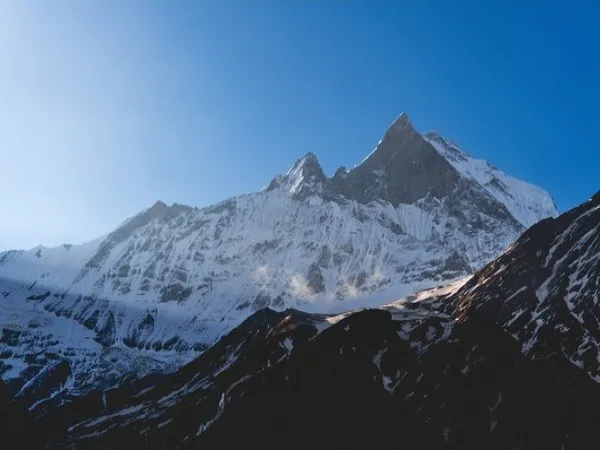
This difference is especially noticeable in October and November. On many mornings, the sky is a deep blue from sunrise until late afternoon, making famous Himalayan peaks stand out with incredible detail. Mountains such as Mount Everest, Annapurna I, Manaslu, Dhaulagiri, Machhapuchhre (Fishtail), Langtang Lirung, and Ganesh Himal appear brighter against the clear autumn sky.
For photographers, autumn is often considered the best season of the year. The soft morning light creates beautiful colors on snow-covered peaks, while evening sunsets paint the mountains in warm shades of orange and gold. Even if you are not a photographer, these unforgettable views become some of the highlights of the trek.
Clear weather also improves the overall trekking experience. You can enjoy panoramic viewpoints without clouds blocking the scenery, making every climb feel more rewarding. Whether you stop for a short break or reach your final destination, the mountain views constantly remind you why Nepal is one of the world's greatest trekking destinations.
Although clear mornings are common throughout autumn, clouds can still develop later in the afternoon, especially in higher mountain regions. Starting your hike early each day gives you the best chance to enjoy the clearest skies and the most spectacular Himalayan panoramas.
Simply put, autumn offers the kind of mountain views most people dream about before visiting Nepal. It is one of the main reasons experienced guides recommend this season year after year.
Can You Experience Dashain and Tihar While Trekking?
Yes, one of the unique advantages of trekking in autumn is the chance to experience Dashain and Tihar, Nepal's two biggest and most important festivals. These celebrations take place during the peak trekking season, allowing visitors to enjoy both the beauty of the Himalayas and the rich traditions of Nepali culture on the same journey.
Dashain is Nepal's longest festival and usually falls in late September or October. Families gather from across the country to celebrate together, receive blessings from elders, and enjoy traditional food. Along many trekking routes, you may see homes decorated with colorful flags, bamboo swings built for children, and families wearing new clothes while celebrating this special occasion.
A few weeks later comes Tihar, often called the Festival of Lights. Villages become beautifully decorated with oil lamps, candles, flowers, and colorful rangoli designs placed outside homes. During the evenings, children and local groups often sing traditional songs while visiting houses to celebrate. The warm lights against the mountain backdrop create a peaceful atmosphere that many trekkers never forget.
Experiencing these festivals while trekking gives visitors a deeper connection to Nepal beyond its mountains. Tea house owners often welcome guests with extra warmth during the celebrations, and in some villages, trekkers may even be invited to join local meals or watch traditional cultural performances.
Because Dashain and Tihar are important family holidays, some guides, porters, and local businesses may take short breaks to celebrate with their families. Transportation services can also become busier as people travel across the country. If your trek falls during the festival period, booking your guide, flights, and accommodation well in advance is highly recommended.
For many travelers, these festivals become one of the most memorable parts of their trip. They add a unique cultural experience that cannot be found during other trekking seasons, making autumn a perfect time to discover both the natural beauty and living traditions of Nepal.
Which Treks Are Best During Autumn in Nepal?
Almost every trekking route in Nepal can be enjoyed during autumn, but some destinations become truly exceptional because of the stable weather, dry trails, and outstanding mountain visibility. Whether you are looking for a short beginner-friendly trek or a challenging high-altitude adventure, autumn offers excellent conditions across the Himalayas.
| Trek | Duration | Difficulty | Max Altitude | Best Autumn Months | Mountain Views | Crowds | Cultural Experience | Beginner Friendly | Best For | Key Highlights |
|---|---|---|---|---|---|---|---|---|---|---|
| Everest Base Camp Trek | 12–14 Days | Challenging | 5,364 m (17,598 ft) | October–November | ⭐⭐⭐⭐⭐ | ⭐⭐⭐⭐⭐ | ⭐⭐⭐⭐☆ | ❌ | Bucket-list adventure, experienced trekkers | Crystal-clear views of Everest, Ama Dablam, Lhotse & Nuptse, stable weather, reliable Lukla flights |
| Annapurna Base Camp Trek | 7–12 Days | Moderate | 4,130 m (13,550 ft) | September–November | ⭐⭐⭐⭐⭐ | ⭐⭐⭐⭐☆ | ⭐⭐⭐⭐☆ | ✅ | Beginners to intermediate trekkers | Green forests, waterfalls, Annapurna Sanctuary, dry trails, excellent all-round Himalayan experience |
| Annapurna Circuit Trek | 12–18 Days | Moderate to Challenging | 5,416 m (17,769 ft) | October | ⭐⭐⭐⭐⭐ | ⭐⭐⭐⭐☆ | ⭐⭐⭐⭐⭐ | ⚠️ Moderate Fitness | Adventure seekers wanting varied scenery | Thorong La Pass, diverse landscapes, traditional villages, rich mountain culture |
| Manaslu Circuit Trek | 13–16 Days | Challenging | 5,106 m (16,752 ft) | October–November | ⭐⭐⭐⭐⭐ | ⭐⭐☆☆☆ | ⭐⭐⭐⭐⭐ | ❌ | Experienced trekkers seeking solitude | Remote trails, Tibetan culture, fewer crowds, stable Larke Pass crossing |
| Langtang Valley Trek | 7–10 Days | Moderate | 4,984 m (16,352 ft) (Kyanjin Ri) | September–November | ⭐⭐⭐⭐☆ | ⭐⭐⭐☆☆ | ⭐⭐⭐⭐☆ | ✅ | First-time trekkers and short holidays | Beautiful valley, glaciers, clear mountain views, close to Kathmandu |
| Mardi Himal Trek | 5–7 Days | Moderate | 4,500 m (14,764 ft) | October–November | ⭐⭐⭐⭐⭐ | ⭐⭐⭐☆☆ | ⭐⭐⭐☆☆ | ✅ | Short treks with spectacular scenery | Outstanding views of Machhapuchhre, Annapurna South & Hiunchuli |
| Ghorepani Poon Hill Trek | 4–5 Days | Easy to Moderate | 3,210 m (10,531 ft) | September–November | ⭐⭐⭐⭐☆ | ⭐⭐⭐⭐☆ | ⭐⭐⭐⭐☆ | ✅ | Families, beginners, and short trips | Famous sunrise viewpoint, panoramic Himalayan views, rhododendron forests |
No matter which trek you choose, autumn offers excellent conditions across Nepal. Your decision should depend on your fitness level, available time, trekking experience, and the type of Himalayan adventure you want to enjoy.
How Busy Are Nepal's Trekking Trails in Autumn?
Autumn is Nepal's busiest trekking season, attracting thousands of visitors from around the world. The combination of clear weather, comfortable temperatures, and excellent mountain views makes it the most popular time to explore the Himalayas. While the trails are more active, many trekkers enjoy the lively atmosphere that comes with the peak season.
The busiest period usually falls between late September and late October. During these weeks, famous trekking routes such as Everest Base Camp, Annapurna Base Camp, and the Annapurna Circuit welcome large numbers of trekkers each day. Tea houses become lively in the evenings, creating a friendly environment where travelers from different countries share stories about their adventures.
The increased number of visitors also means that accommodation, domestic flights, and transportation can fill up quickly. Flights to Lukla are especially busy, and popular tea houses in well-known villages may reach full capacity during October. Booking your trek, guide, accommodation, and transportation several weeks or months in advance helps avoid last-minute problems.
If you prefer a quieter trekking experience, there are several ways to avoid the biggest crowds. Trekking during late November often provides equally beautiful mountain views with fewer people on the trails. Choosing less-traveled routes such as the Manaslu Circuit, Langtang Valley, Kanchenjunga, or Upper Dolpo can also offer a more peaceful experience while still enjoying excellent autumn conditions.
Starting your hike early each morning is another simple way to enjoy quieter trails. Many trekkers begin walking after breakfast, so leaving slightly earlier often allows you to enjoy popular viewpoints before they become busy.
Although autumn is the busiest season, most visitors feel that the lively atmosphere adds to the experience rather than taking away from it. Meeting fellow trekkers from around the world, sharing stories in cozy tea houses, and enjoying Nepal's welcoming mountain communities become memorable parts of the journey.
With a little planning, it is easy to enjoy the best of autumn while avoiding unnecessary crowds. Whether you prefer the energy of Nepal's most famous trekking routes or the peacefulness of less-visited trails, autumn offers options for every type of traveler.
How Cold Is Autumn Trekking in Nepal?
Autumn is one of the most comfortable seasons for trekking in Nepal. During the day, the weather is usually mild and pleasant, making it easy to walk for long hours without feeling too hot or too cold. Most trekking routes enjoy clear blue skies, fresh mountain air, and excellent visibility after the monsoon rains.
Daytime temperatures in lower trekking areas usually range from 15°C to 25°C (59°F to 77°F). At higher elevations above 3,500 meters (11,500 feet), temperatures are cooler, often between 5°C and 15°C (41°F to 59°F) during the day. These conditions are ideal for hiking because the weather is stable and the trails are generally dry.
The temperature drops quickly after sunset, especially at higher altitudes. Nights in villages above 3,000 meters (9,850 feet) can fall to around 0°C to -5°C (32°F to 23°F). Near mountain passes and base camps, nighttime temperatures may reach -10°C (14°F) or even lower during late November.
The good news is that most trekkers stay comfortable by dressing in layers. A moisture-wicking base layer, a warm fleece, a down jacket, and a waterproof outer shell are usually enough for most autumn treks. Adding a warm hat, gloves, and thermal socks helps you stay comfortable during cold mornings and evenings.
Another advantage of autumn is that daytime sunshine often feels warmer than the temperature suggests. Once you start walking, your body naturally warms up, making hiking pleasant even at higher elevations. During rest stops or after sunset, however, temperatures cool quickly, so adding extra layers becomes important.
The weather can also vary depending on where you trek. Lower regions around Kathmandu, Pokhara, and the Annapurna foothills remain relatively mild, while destinations such as Everest Base Camp, Manaslu Circuit, and the Annapurna Circuit become much colder as you gain altitude.
Overall, autumn is cold enough to enjoy the crisp mountain atmosphere without the harsh conditions of winter. With the right clothing and proper preparation, most trekkers remain comfortable throughout their journey while enjoying some of the clearest mountain views Nepal has to offer.
What Should You Pack for Autumn Trekking in Nepal?
Packing properly is one of the easiest ways to enjoy a safe and comfortable autumn trek in Nepal. Since temperatures change throughout the day, dressing in layers is the best approach. You may begin your morning wearing several warm layers, hike comfortably in a lighter shirt during the afternoon, and need your jacket again once the sun goes down.
Start with moisture-wicking base layers that keep sweat away from your body while hiking. A warm fleece or insulated mid-layer provides extra warmth when temperatures begin to drop, and a lightweight down jacket is ideal for evenings and higher elevations. A waterproof and windproof outer jacket is also recommended because mountain weather can change unexpectedly.
Good hiking boots are one of the most important items you can bring. Choose boots that are already broken in before your trip to avoid blisters. Warm hiking socks, gloves, a wool hat, and a neck buff help protect you from cold mornings and strong mountain winds.
Even though autumn is dry, the Himalayan sun remains surprisingly strong. Sunglasses with UV protection, sunscreen, lip balm, and a sun hat help protect your skin and eyes, especially at higher elevations where sunlight is more intense.
A sleeping bag rated for temperatures below freezing is recommended for treks above 3,500 meters (11,500 feet). While many tea houses provide blankets, extra warmth makes sleeping much more comfortable on colder nights.
Other useful items include a refillable water bottle, water purification tablets or a filter, trekking poles, a headlamp with spare batteries, a small first aid kit, toiletries, power banks, and lightweight snacks for long hiking days.
One common mistake many first-time trekkers make is packing too much. Heavy backpacks quickly become uncomfortable during long climbs. Focus on bringing practical clothing that can be layered rather than carrying large amounts of extra gear.
With smart packing and the right equipment, you'll stay comfortable in changing mountain conditions while enjoying everything autumn trekking in Nepal has to offer.
Autumn vs Spring Trekking in Nepal: Which Is Better?
Autumn and spring are Nepal's two most popular trekking seasons, and both offer excellent experiences. The best choice depends on what you want to see, the type of weather you prefer, and the trekking experience you are looking for.
Autumn is known for its clear skies, dry trails, and outstanding mountain visibility. After the monsoon ends, the air becomes clean and fresh, allowing spectacular views of snow-covered peaks across the Himalayas. Stable weather also makes autumn one of the safest seasons for high-altitude trekking, especially on routes that cross mountain passes.
Spring, which lasts from March to May, offers a different kind of beauty. Hillsides burst into color as rhododendron forests bloom, creating vibrant landscapes across regions such as Annapurna, Langtang, and Everest. Temperatures are also pleasant, making spring another excellent season for trekking.
The biggest difference between the two seasons is visibility. Autumn usually provides sharper mountain views because the monsoon has cleared dust and moisture from the atmosphere. Spring mornings are often clear as well, but haze and occasional afternoon clouds become more common as temperatures rise later in the season.
Crowds are another factor to consider. Both seasons are popular, but October generally attracts the largest number of trekkers. Spring can also be busy, especially during April, although many trails feel slightly less crowded than they do in October.
If your priority is photography, panoramic mountain views, and stable weather, autumn is usually the better choice. If you love colorful forests, blooming flowers, and slightly warmer temperatures, spring offers an equally rewarding experience.
The good news is that you cannot make a bad decision. Both seasons provide incredible trekking opportunities. Your final choice simply depends on the type of Himalayan experience you want to enjoy.
What Permits and Preparations Are Needed Before an Autumn Trek?
Preparing before your trek is just as important as choosing the right season. Autumn is Nepal's busiest trekking period, so planning ahead helps ensure a smoother and more enjoyable journey from start to finish.
Most trekking routes in Nepal require permits before you enter the trail. Depending on your destination, you may need a National Park Permit, a Conservation Area Permit, or a Restricted Area Permit. Some restricted regions, such as the Manaslu Circuit, also require a licensed trekking guide and additional permit arrangements.
Before arriving in Nepal, it is also important to confirm your itinerary, transportation, accommodation, and guide if you plan to hire one. Popular tea houses on well-known routes such as Everest Base Camp and the Annapurna Circuit often become fully booked during October.
If your trek includes flights to mountain airports like Lukla or Jomsom, booking early is highly recommended. Autumn weather is generally reliable, but flights remain in high demand because so many trekkers visit during this season.
Physical preparation is equally important. Walking regularly, climbing stairs, hiking local trails, and improving your cardiovascular fitness several weeks before your trip will help you enjoy the trek much more. High-altitude trekking does not require you to be an athlete, but good fitness makes long days on the trail easier and more enjoyable.
Travel insurance that covers high-altitude trekking and emergency helicopter evacuation is also strongly recommended. Although serious emergencies are uncommon, having proper insurance provides valuable peace of mind in remote mountain regions.
Finally, check your equipment before leaving home. Make sure your boots are comfortable, your clothing is suitable for layered hiking, and your backpack fits properly. Small preparations before your trip often make a big difference once you are in the mountains.
Planning ahead allows you to spend less time worrying about logistics and more time enjoying Nepal's incredible landscapes, welcoming mountain communities, and unforgettable trekking experiences.
What Are the Advantages and Disadvantages of Autumn Trekking?
Autumn is widely regarded as the best trekking season in Nepal because it offers the ideal combination of weather, mountain views, and comfortable hiking conditions. For many travelers, it provides the complete Himalayan experience. However, like every season, autumn also has a few challenges that are worth knowing before planning your trip.
One of the biggest advantages is the reliable weather. After the monsoon ends, the skies become clear, rainfall is minimal, and trekking trails dry out quickly. These stable conditions make hiking easier and safer across both low-altitude and high-altitude trekking routes. Trekkers spend less time worrying about bad weather and more time enjoying the journey.
Another major benefit is the spectacular mountain scenery. The fresh post-monsoon air creates some of the clearest Himalayan views of the year. Snow-covered peaks such as Everest, Annapurna, Manaslu, Dhaulagiri, and Langtang appear bright and sharp against deep blue skies. Whether you are watching sunrise from Poon Hill or standing at Everest Base Camp, the scenery is often unforgettable.
Autumn is also Nepal's biggest festival season. During Dashain and Tihar, villages become more colorful and welcoming as families gather to celebrate. Trekkers have the chance to experience local traditions, taste festive foods, and enjoy a cultural side of Nepal that many visitors never see during other seasons.
Comfort is another reason why so many people choose autumn. Daytime temperatures are pleasant for walking, while cooler evenings create comfortable sleeping conditions in the mountains. Stable weather also reduces the chances of flight delays to mountain airports like Lukla, making travel plans more reliable.
The main disadvantage of autumn is its popularity. Since this is the busiest trekking season, famous routes such as Everest Base Camp, Annapurna Base Camp, and Annapurna Circuit attract large numbers of trekkers. Tea houses can become busy, domestic flights often sell out early, and accommodation may be limited if you travel without reservations.
Because of high demand, prices for flights and some services may also increase during peak weeks. Guides and porters are often booked well in advance, especially throughout October.
Fortunately, these challenges are easy to manage with proper planning. Booking your trek, accommodation, transportation, and guide several weeks or months before your trip helps avoid most problems. Travelers looking for quieter trails can also choose destinations such as the Manaslu Circuit, Langtang Valley, Kanchenjunga, or Upper Dolpo, where crowds are generally much smaller.
Overall, the advantages of autumn far outweigh its disadvantages. The combination of reliable weather, breathtaking scenery, vibrant local culture, and excellent trekking conditions continues to make autumn the first choice for trekkers visiting Nepal.
Is Autumn Trekking Suitable for Beginners?
Yes. Autumn is one of the best seasons for beginners who want to experience trekking in Nepal for the first time. The stable weather, dry trails, and comfortable temperatures make hiking easier and more enjoyable, even for people with little or no previous trekking experience.
One of the biggest challenges for first-time trekkers is dealing with unpredictable weather. Autumn removes much of that uncertainty. Heavy rain is uncommon, trails are usually dry, and clear skies make navigation easier. These conditions allow beginners to focus on enjoying the mountains instead of worrying about difficult trail conditions.
Nepal also offers several beginner-friendly treks that are especially beautiful during autumn. Popular routes such as Ghorepani Poon Hill, Mardi Himal, Langtang Valley, Everest View Trek, and Annapurna Base Camp provide stunning mountain scenery without requiring technical climbing skills. Well-established tea houses along these routes make accommodation and meals convenient throughout the journey.
Although autumn offers excellent trekking conditions, preparation is still important. Building your fitness before the trip through regular walking, hiking, cycling, or climbing stairs will make the trek much more comfortable. Packing the right clothing, drinking plenty of water, and following a proper acclimatization schedule are also essential, especially on higher-altitude treks.
Hiring an experienced local guide is highly recommended for beginners. A guide can help with navigation, explain local culture, monitor altitude sickness symptoms, and manage unexpected situations along the trail. Many first-time trekkers find that having a guide makes the experience more enjoyable and less stressful.
It is also important to choose a trek that matches your fitness level and available time. Starting with an easier route allows you to build confidence before attempting more challenging adventures such as Everest Base Camp or the Manaslu Circuit.
With realistic expectations, good preparation, and the right support, many first-time visitors successfully complete their dream Himalayan trek during Nepal's autumn season. For beginners, there is simply no better time to discover the beauty of trekking in Nepal.
Is Autumn Really the Best Time to Trek Nepal?
Yes, Autumn brings together the three things that matter most on a Himalayan trek: safe trails, clear skies, and comfortable weather. Add in the festival season and the sense of the whole country being outdoors and alive, and it's easy to see why this remains the season guides recommend first. Spring and winter have their own trekkers and reasons, but if you're planning your first big trek in Nepal, autumn is the season to choose for an overall trekking experience.
FAQs
Is September a good month to trek in Nepal?
Mid to late September is the safer window, since early September can still carry light monsoon rain in lower areas. By mid-month, trails dry out and skies clear up for reliable trekking.
What is the coldest month to trek in autumn?
Late November is the coldest autumn month for trekking in Nepal. Nighttime temperatures at high altitude often drop below freezing, even though daytime weather stays mild and dry.
Do I need to book flights and permits early for autumn treks?
Yes, autumn is peak trekking season in Nepal. Lukla flights, teahouse rooms, and trekking permits should be booked several weeks ahead to avoid last-minute availability problems.
Is autumn better than winter for trekking in Nepal?
Autumn is milder and safer than winter for trekking in Nepal. Winter brings heavy snowfall that can close high passes like Thorong La and Larkya La, while autumn trails stay clear.
Can beginners trek in Nepal during autumn?
Yes, autumn is the easiest season for first-time trekkers in Nepal. Stable weather and firm, dry trails make it simpler to handle altitude gain and daily walking distance safely.
Which is more popular, Everest Base Camp or Annapurna Circuit, in autumn?
Both draw large numbers of trekkers in autumn, but Everest Base Camp usually sees slightly higher traffic due to direct Lukla flights and its global reputation.
Is it safe to trek alone in Nepal during autumn?
Many trekkers do solo autumn treks safely on well-marked routes like Annapurna and Everest, though hiring a local guide adds safety and supports the local economy.
How many days does an autumn trek in Nepal usually take?
Most autumn treks in Nepal take between 5 and 18 days, depending on the route. Short treks like Poon Hill take about 5 days, while longer routes like Everest Base Camp or Annapurna Circuit take 12 to 18 days.
What altitude sickness risk exists during autumn treks?
Altitude sickness risk in autumn is the same as any season and depends on elevation gain, not weather. Trekkers above 3,000 meters should still ascend slowly, rest on schedule, and watch for headaches, nausea, or dizziness.
Is October or November better for trekking in Nepal?
October is generally better for trekking in Nepal because it has milder temperatures and the clearest skies. November stays dry too, but nights get noticeably colder, especially at high altitude.
Do autumn treks in Nepal cost more than other seasons?
Yes, autumn treks often cost slightly more than off-season treks. Higher demand for flights, guides, and teahouse rooms during peak season can push prices up by 10 to 20 percent.
What wildlife can you see while trekking in autumn?
Autumn trekkers often spot Himalayan pheasants, langur monkeys, and occasionally blue sheep at higher elevations. Clear autumn skies also make bird-watching easier along lower forested sections of the trail.
Is Wi-Fi and phone signal available during autumn treks?
Most teahouses along popular autumn routes like Everest Base Camp and Annapurna Circuit offer paid Wi-Fi and basic phone signal. Coverage gets weaker at higher elevations and disappears completely on some remote sections.
What should first-time trekkers know about autumn trail conditions?
First-time trekkers should know that autumn trails are dry and well-marked but can still be steep and rocky. Comfortable broken-in boots and trekking poles make a noticeable difference on descents.
Can you trek in Nepal during Dashain and Tihar festivals?
Yes, trekking during Dashain and Tihar is allowed and often gives trekkers a rare look at local celebrations. Some porters and guides take short breaks for family time, so booking ahead is recommended.
Need Help? Call Us
Need Help? Call Us+9779851013072