
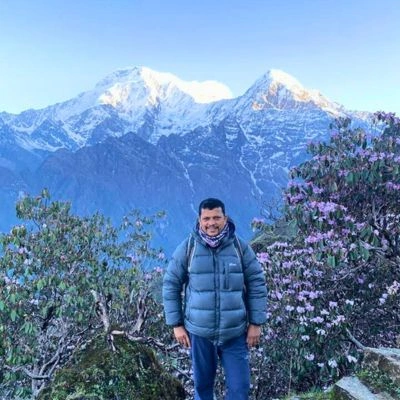
Spring (March to May) and autumn (September to November) are considered the finest seasons for the Ghorepani Poon Hill Trek, offering stable weather, clear skies, comfortable temperatures, and stunning Himalayan views.
With October and April being the most popular months, these seasons provide the best conditions for enjoying the trek and the unforgettable sunrise from Poon Hill. In this guide, you'll learn the ideal time to do the trek, what each season offers, and how to choose the best time based on your travel preferences.
Ghorepani Poon Hill Trek Highlights:
- Famous Poon Hill sunrise viewpoint
- Stunning Annapurna mountain views
- Cultural experience in Gurung villages
- Beautiful rhododendron forests
- Suitable for first-time trekkers
- Short Himalayan trekking experience
When Is the Best Time for the Ghorepani Poon Hill Trek?
The best time for the Ghorepani Poon Hill Trek is autumn (late September to November) and spring (March to May). These two seasons offer the most favorable trekking conditions, including stable weather, comfortable temperatures, dry trails, and spectacular views of the Annapurna and Dhaulagiri mountain ranges.
If you're planning the trek for the first time, October is widely considered the best month overall due to its crystal-clear skies and exceptional sunrise views from Poon Hill, while April is the top choice for colorful rhododendron forests and vibrant spring scenery.
Although the Ghorepani Poon Hill Trek can be completed in most months of the year, choosing the right season can significantly enhance your experience. The visibility of the Himalayan peaks, trail conditions, photography opportunities, and even the atmosphere in local villages vary depending on when you visit.
Why Autumn (September to November) is the Best Season
Autumn is the most popular trekking season in Nepal, and for good reason. After the summer monsoon ends, rainfall washes away dust, humidity, and haze from the atmosphere, leaving behind incredibly clear skies. This creates ideal conditions for panoramic mountain views, making autumn the best season for witnessing the breathtaking sunrise from Poon Hill (3,210 meters).
On a clear autumn morning, you'll enjoy uninterrupted views of some of Nepal's most iconic Himalayan peaks, including Annapurna South (7,219 m), Machhapuchhre (Fishtail) (6,993 m), Dhaulagiri I (8,167 m), Nilgiri, Hiunchuli, and several surrounding snow-capped mountains. As the sun rises, the peaks gradually change from soft pink to glowing gold, creating one of the most photographed mountain panoramas in Nepal.
Another major advantage of autumn is its predictable weather. Rainfall is minimal, the trails are dry and less slippery, and daytime temperatures are comfortable for hiking. These stable conditions reduce the likelihood of weather-related disruptions and allow trekkers to fully enjoy every stage of the journey.
Autumn also coincides with Nepal's biggest festivals, Dashain and Tihar, giving visitors the opportunity to experience local traditions, festive villages, and the warm hospitality of the Gurung and Magar communities along the route.
Why choose autumn?
- Crystal-clear Himalayan mountain views
- Dry and well-maintained trekking trails
- Comfortable daytime temperatures
- Excellent sunrise and landscape photography
- Stable weather with very little rainfall
- Vibrant local festivals and cultural experiences
- Fully operational tea houses and trekking services
For travelers whose priority is mountain scenery and ideal trekking conditions, autumn remains the best season to visit Poon Hill.
Why Spring (March to May) is Another Excellent Choice
Spring is the second-best season for the Ghorepani Poon Hill Trek and is especially popular among nature lovers, photographers, and first-time visitors. As winter ends, the forests throughout the Annapurna region burst into color with blooming rhododendrons—the national flower of Nepal. Hillsides that were quiet during winter transform into vibrant landscapes filled with shades of red, pink, white, and purple.
The Ghorepani region is home to one of Nepal's largest rhododendron forests, making spring one of the most visually spectacular times to complete the trek. Walking through flower-filled forests while snow-covered Himalayan peaks rise above the treeline creates a unique combination of mountain scenery and natural beauty found on very few trekking routes.
Weather conditions during spring are also highly favorable. Days become warmer, mornings are generally clear, and evenings remain comfortably cool. While light clouds may develop during some afternoons as temperatures rise, early mornings usually provide excellent visibility for the famous sunrise hike to Poon Hill.
Spring is also an active season for birds and wildlife, adding another layer of beauty to the trekking experience. Longer daylight hours provide more flexibility for walking, sightseeing, and enjoying tea house stops without feeling rushed.
Why choose spring?
- Spectacular rhododendron forests in full bloom
- Pleasant temperatures for trekking
- Beautiful combination of flowers and Himalayan views
- Excellent conditions for nature and landscape photography
- Longer daylight hours for relaxed hiking
- Fresh greenery and active wildlife throughout the trail
If you want to experience the Ghorepani Poon Hill Trek at its most colorful and vibrant, spring is an outstanding time to visit.
Why These Seasons Are Ideal for Trekking in Nepal
Autumn and spring are not only the best times for the Ghorepani Poon Hill Trek but also the peak trekking seasons across Nepal. Most of the country's famous trekking routes—including Annapurna Base Camp, Everest Base Camp, Mardi Himal, Langtang Valley, and the Annapurna Circuit—offer their best weather and visibility during these months.
Several factors make these seasons consistently reliable:
- Stable weather with fewer unexpected rainstorms or snowfall
- Clear skies and excellent visibility of the Himalayan range
- Comfortable temperatures suitable for long days of hiking
- Dry trails that are easier and safer to walk on
- Tea houses, lodges, and transportation operating at full capacity
- Better opportunities for photography and sunrise viewpoints
Unlike the monsoon season, when clouds often hide the mountains, or winter, when freezing temperatures can make early morning hikes challenging, autumn and spring provide the perfect balance between comfort and scenery.
Autumn vs. Spring: Which Season Should You Choose?
Choosing between autumn and spring depends on the type of trekking experience you're looking for.
| Feature | Autumn (September–November) | Spring (March–May) |
|---|---|---|
| Mountain visibility | ⭐⭐⭐⭐⭐ Excellent | ⭐⭐⭐⭐ Very Good |
| Weather stability | ⭐⭐⭐⭐⭐ | ⭐⭐⭐⭐ |
| Rhododendron blooms | ⭐⭐ | ⭐⭐⭐⭐⭐ Peak season |
| Trail conditions | Dry and stable | Dry with occasional afternoon clouds |
| Photography | Best for mountain panoramas | Best for flowers and landscapes |
| Crowds | Highest | Moderate to high |
| Overall trekking experience | Best overall | Best for nature lovers |
Our Recommendation
If you're visiting Nepal only once and want the best all-around Ghorepani Poon Hill Trek experience, October is the top choice. It offers the clearest Himalayan views, stable weather, comfortable trekking temperatures, and unforgettable sunrise panoramas from Poon Hill.
However, if your dream is to hike through forests filled with blooming rhododendrons while enjoying pleasant weather and stunning mountain backdrops, April is equally rewarding and often considered the most scenic month of the year.
Overall, autumn (September to November) and spring (March to May) remain the best times for the Ghorepani Poon Hill Trek.
Whether you choose the crystal-clear skies of autumn or the colorful landscapes of spring, both seasons provide an unforgettable trekking experience in the heart of Nepal's Annapurna region, with ideal weather, spectacular Himalayan scenery, and memories that will last a lifetime.
This trek is considered one of the best trekking routes in Nepal for beginners because of its moderate walking distance, accessible trails, and lower altitude compared to high Himalayan treks.
Poon Hill Trek Difficulty Guide
The Poon Hill Trek difficulty level is considered easy to moderate, making it suitable for beginners, families, and travelers with average fitness levels. The trek does not require technical climbing skills, but daily uphill walking requires basic physical preparation.
Difficulty Factors:
- Maximum altitude: 3,210 meters
- Average walking: 4–6 hours per day
- Stone stairs and uphill sections
- Changing weather conditions
The trek is an excellent introduction to trekking in Nepal for beginners before attempting higher-altitude adventures.
How to Prepare for Ghorepani Poon Hill Trek?
Preparation for the Ghorepani Poon Hill Trek includes improving fitness, choosing proper trekking gear, planning the itinerary, and understanding weather conditions.
Preparation Tips:
- Practice walking uphill
- Increase stamina with regular exercise
- Carry comfortable trekking shoes
- Prepare layered clothing
- Stay hydrated
- Learn about altitude awareness
What to Pack for Ghorepani Poon Hill Trek?
A proper packing list for Ghorepani Poon Hill Trek should include comfortable trekking clothes, warm layers, hiking shoes, rain protection, personal medication, and essential travel equipment.
Essential Packing List:
- Trekking boots
- Backpack
- Warm jacket
- Fleece layer
- Rain jacket
- Trekking pants
- Gloves and hat
- Sunglasses
- Water bottle
- Sunscreen
- First aid supplies
Final Words
For the best overall experience, plan your trek during autumn (September to November) or spring (March to May), when stable weather, comfortable temperatures, and excellent mountain visibility create ideal trekking conditions in one of the most popular trekking experiences in the Annapurna region. The Ghorepani Poon Hill Trek offers an unforgettable journey through some of Nepal's most spectacular mountain landscapes.
FAQs
What is the best time for Ghorepani Poon Hill Trek?
The best time for Ghorepani Poon Hill Trek is during spring (March to May) and autumn (September to November). These seasons offer stable weather, clear mountain views, comfortable temperatures, and excellent trekking conditions. October and April are considered the best months for enjoying spectacular sunrise views from Poon Hill.
Is Ghorepani Poon Hill Trek suitable for beginners?
Yes, the Ghorepani Poon Hill Trek is one of the best trekking routes in Nepal for beginners. The trek has moderate walking days, well-established trails, comfortable teahouse accommodation, and does not require technical climbing skills. It is an ideal introduction to Himalayan trekking.
How difficult is the Ghorepani Poon Hill Trek?
The Poon Hill Trek difficulty level is considered easy to moderate. Trekkers usually walk 4–6 hours per day through forest trails, stone stairs, and uphill sections. Although the altitude reaches 3,210 meters at Poon Hill, the risk of altitude sickness is relatively low compared to higher Himalayan treks.
How many days are required for Ghorepani Poon Hill Trek?
The Ghorepani Poon Hill Trek usually takes 4 to 7 days, depending on the chosen itinerary and starting point. A standard itinerary includes Nayapul or Pokhara transportation, Ghorepani village, Poon Hill sunrise, Tadapani, and Ghandruk village.
What is the maximum altitude of Ghorepani Poon Hill Trek?
The highest point of the Ghorepani Poon Hill Trek is Poon Hill viewpoint at 3,210 meters (10,531 feet) above sea level. From this viewpoint, trekkers can enjoy panoramic views of Annapurna, Dhaulagiri, Machhapuchhre, and other Himalayan peaks.
Is October the best month for Ghorepani Poon Hill Trek?
Yes, October is widely considered one of the best months for the Ghorepani Poon Hill Trek. The weather is stable, skies are clear, trails are dry, and mountain visibility is excellent. It is one of the most popular months for trekking in Nepal.
Can I do Ghorepani Poon Hill Trek in winter?
Yes, the Ghorepani Poon Hill Trek can be completed in winter from December to February. Winter offers fewer crowds and beautiful snow-covered landscapes, but temperatures can drop significantly, especially at night. Warm clothing and proper preparation are essential.
Is Ghorepani Poon Hill Trek possible during monsoon season?
Yes, the trek is possible during the monsoon season (June to August), but it is less recommended. Rainfall can make trails slippery, create muddy conditions, and reduce mountain visibility. However, the forests become lush and green during this period.
What permits are required for Ghorepani Poon Hill Trek?
Trekkers need two main permits for the Ghorepani Poon Hill Trek: Annapurna Conservation Area Permit (ACAP) and Trekkers’ Information Management System (TIMS) card These permits help manage trekking activities and support conservation efforts in the Annapurna region.
What is the average cost of Ghorepani Poon Hill Trek?
The cost of the Ghorepani Poon Hill Trek depends on the itinerary, accommodation style, transportation, and guide requirements. A typical budget trek can range from USD 300 to USD 700 per person, including permits, accommodation, meals, transportation, and guide services.
Do I need a guide for Ghorepani Poon Hill Trek?
A guide is not always mandatory for experienced trekkers, but hiring a licensed guide is highly recommended, especially for first-time visitors. A guide helps with navigation, accommodation arrangements, cultural communication, safety, and creating a smoother trekking experience.
What is the weather like during Ghorepani Poon Hill Trek?
The weather during Ghorepani Poon Hill Trek varies by season. Spring and autumn offer pleasant temperatures and clear skies, winter is cold with possible snowfall, and monsoon brings rainfall and cloudy conditions. Weather preparation is important for a comfortable trekking experience.
Is Ghorepani Poon Hill Trek better than Annapurna Base Camp Trek?
Ghorepani Poon Hill Trek is better suited for beginners and travelers looking for a short Himalayan adventure, while Annapurna Base Camp Trek is longer and reaches a higher altitude. Poon Hill offers excellent mountain views with less physical demand.
What makes Ghorepani Poon Hill Trek famous?
Ghorepani Poon Hill Trek is famous for its breathtaking sunrise viewpoint, panoramic Himalayan scenery, beautiful rhododendron forests, traditional Gurung villages, and easy accessibility from Pokhara. It is considered one of the most rewarding short treks in Nepal.
Can children and older people do Ghorepani Poon Hill Trek?
Yes, children and older travelers with good health and basic fitness can complete the Ghorepani Poon Hill Trek. The trek is relatively short and does not involve extreme altitude, making it suitable for families and beginner trekkers.
Why should beginners choose Ghorepani Poon Hill Trek in Nepal?
Beginners should choose Ghorepani Poon Hill Trek because it provides a complete Himalayan trekking experience with manageable difficulty, beautiful landscapes, cultural encounters, and stunning mountain views without requiring advanced trekking experience.