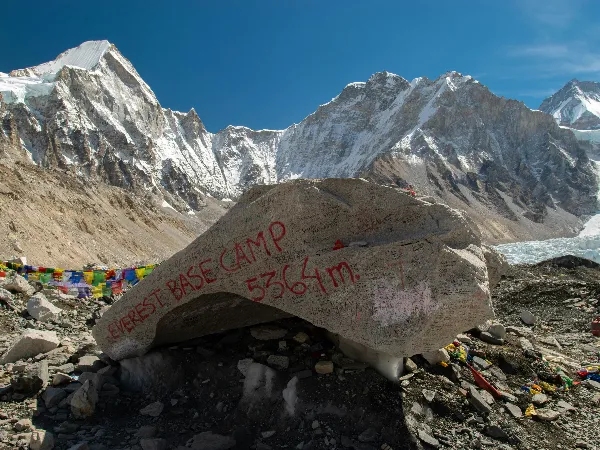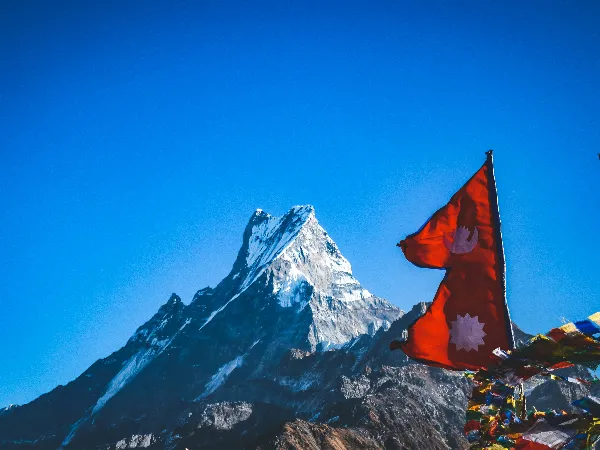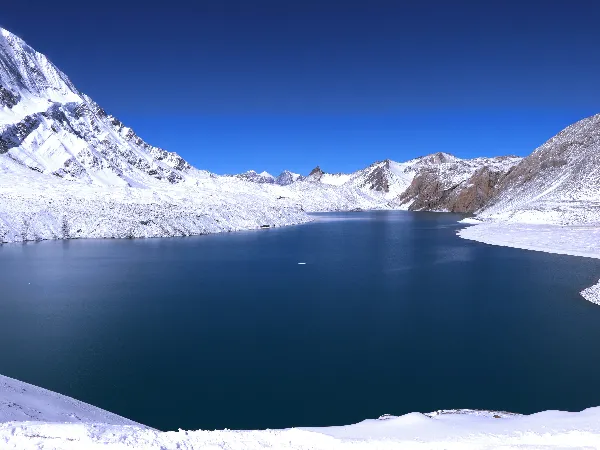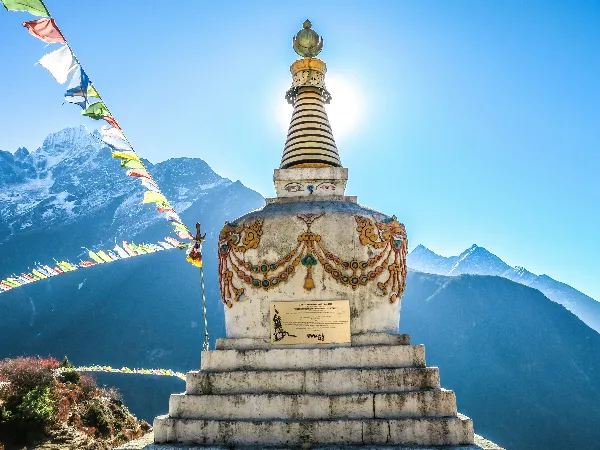
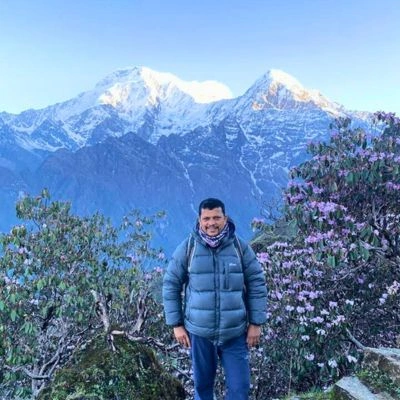
Nepal is more than the home of Mount Everest. It is a country where towering Himalayan peaks, ancient temples, vibrant festivals, wildlife-rich jungles, and welcoming mountain communities come together to create one of the world's most rewarding travel destinations.
Whether you dream of trekking to Everest Base Camp, watching the sunrise over the Annapurna range, spotting a one-horned rhinoceros in Chitwan National Park, exploring medieval cities in the Kathmandu Valley, or discovering hidden Himalayan villages, Nepal offers experiences that stay with you long after your journey ends.
However, traveling in Nepal is different from visiting many other countries. The geography is diverse, the weather changes with altitude, local customs are deeply respected, and transportation can sometimes be unpredictable. A little preparation before your trip can make a significant difference to your overall experience.
This guide shares ten essential travel tips that every first-time visitor should know before arriving in Nepal. These practical recommendations are based on real travel conditions and are designed to help you travel more safely, respectfully, and confidently while making the most of your adventure.
Whether you are visiting for trekking, wildlife, cultural exploration, photography, or a family holiday, these expert tips will help you plan a smoother and more memorable trip.
What Should First-Time Travelers Know Before Visiting Nepal?
If you're visiting Nepal for the first time, plan your trip during the best season, arrange your visa in advance, pack clothing for changing weather, respect local customs, carry enough cash for remote areas, purchase travel insurance, and keep your itinerary flexible. Nepal rewards well-prepared travelers with unforgettable mountain scenery, rich cultural experiences, diverse wildlife, and warm local hospitality.
Why Nepal Continues to Inspire Travelers Worldwide
Few countries offer as much diversity in such a compact area as Nepal.
Within a single journey, you can walk beneath the world's highest mountains, visit UNESCO World Heritage Sites, experience centuries-old Buddhist and Hindu traditions, enjoy thrilling adventure sports, and explore subtropical jungles filled with rare wildlife.
Nepal is also one of the few destinations where adventure and culture naturally complement each other. A trek through the Himalayas often includes visits to traditional villages, ancient monasteries, prayer wheels, suspension bridges, and local tea houses, creating an experience that is as culturally enriching as it is physically rewarding.
This unique combination is what makes Nepal one of Asia's most unforgettable travel destinations.
Choose the Right Season Before Booking Your Trip
One of the most important decisions you will make is deciding when to visit Nepal.
Although Nepal welcomes visitors throughout the year, every season offers a different experience. Choosing the right time depends on your interests, preferred activities, and the regions you plan to explore.
Spring (March to May)
Spring is one of the most popular times to visit Nepal.
The weather is generally stable, temperatures become warmer, and forests burst into color as rhododendrons and wildflowers bloom across the hillsides.
This season is ideal for:
- Everest Base Camp Trek
- Annapurna Base Camp Trek
- Langtang Valley Trek
- Manaslu Circuit Trek
- Peak climbing
- Mountain photography
Why choose spring?
- Pleasant temperatures
- Long daylight hours
- Colorful landscapes
- Excellent trekking conditions
Summer and Monsoon (June to August)
Summer brings Nepal's annual monsoon.
Heavy rainfall affects many trekking trails, especially in central and eastern Nepal. However, this season also transforms the countryside into lush green landscapes.
Some regions, including Upper Mustang and Upper Dolpo, lie in the Himalayan rain shadow and remain excellent trekking destinations during these months.
Summer is perfect for travelers seeking fewer crowds and unique landscapes.
Autumn (September to November)
Autumn is widely considered Nepal's finest travel season.
Following the monsoon, skies become exceptionally clear, mountain views are spectacular, and trekking conditions are among the best of the year.
It is also festival season, allowing visitors to experience celebrations such as Dashain and Tihar alongside breathtaking Himalayan scenery.
Autumn is best for:
- Trekking
- Mountain flights
- Wildlife safaris
- Cultural tours
- Photography
- Luxury holidays
Winter (December to February)
Winter offers quieter trails and beautiful snow-covered mountain scenery.
Although temperatures can become very cold at higher elevations, many lower-altitude trekking routes remain comfortable and less crowded.
Winter is an excellent choice for travelers looking for peaceful experiences and lower accommodation prices.
Quick Seasonal Guide
|
Season |
Best For |
|
Spring |
Trekking, climbing, photography |
|
Summer |
Rain-shadow treks, culture, greenery |
|
Autumn |
Trekking, tours, safaris, festivals |
|
Winter |
Quiet trekking, sightseeing |
Expert Tip
If your main goal is trekking, plan your visit during March to May or late September to November for the most reliable weather and mountain views.
Understand Nepal's Visa Requirements Before You Travel
Most international visitors can obtain a Visa on Arrival at Tribhuvan International Airport in Kathmandu or at designated land border crossings.
To make your arrival smoother:
- Ensure your passport is valid for at least six months.
- Carry passport-sized photographs (if required).
- Complete the online visa form before arrival whenever possible.
- Bring payment for visa fees in an accepted currency.
Always check the latest immigration requirements before traveling, as entry policies may change.
If you plan to stay longer, visa extensions are available through Nepal's Department of Immigration.
Planning ahead saves time and reduces stress after landing.
Pack Smart for Nepal's Diverse Climate
Packing for Nepal is different from packing for many destinations because temperatures vary dramatically with altitude.
You might enjoy warm sunshine in Kathmandu during the morning and encounter freezing conditions while trekking above 4,000 meters only a few days later.
The key is to pack lightweight layers rather than bulky clothing.
Essential Clothing
- Moisture-wicking base layers
- Lightweight hiking shirts
- Fleece jacket
- Down jacket
- Waterproof shell
- Comfortable trekking trousers
- Warm hat
- Gloves
- Hiking socks
- Broken-in trekking boots
Travel Essentials
- Reusable water bottle
- Universal power adapter
- Sunscreen (SPF 50+)
- Sunglasses
- Personal medications
- Headlamp
- Rain cover for your backpack
- Portable power bank
Packing versatile clothing allows you to adjust comfortably as temperatures change throughout your journey.
Respect Nepal's Culture and Local Traditions
Nepal's rich cultural heritage is one of its greatest treasures.
Visitors are warmly welcomed, but showing respect for local customs helps create meaningful connections with the communities you visit.
Simple gestures make a lasting impression.
Cultural Etiquette
- Dress modestly when visiting temples and monasteries.
- Remove your shoes before entering religious sites where requested.
- Ask permission before photographing local people.
- Walk clockwise around Buddhist stupas and prayer wheels.
- Avoid touching religious statues or sacred objects.
- Use your right hand when giving or receiving items whenever possible.
Learning a few basic Nepali greetings, such as "Namaste," is also appreciated and often brings a smile.
Responsible tourism begins with respect for local culture.
Plan Your Budget Realistically
Nepal offers excellent value compared to many international destinations, but your total budget depends on your travel style.
Backpackers, luxury travelers, trekkers, families, and photographers all have different spending patterns.
Your budget should include:
- Accommodation
- Meals
- Domestic transportation
- Trekking permits
- Guide and porter services
- Entrance fees
- Travel insurance
- Personal expenses
- Tips for guides and porters
- Emergency funds
Credit cards are widely accepted in major cities and larger hotels, but cash remains essential in many rural areas and trekking regions.
Carrying a combination of cash and cards provides greater flexibility throughout your trip.
Expert Advice
Avoid planning your budget too tightly. Keeping a small emergency fund gives you peace of mind if weather delays, transportation changes, or unexpected opportunities arise during your journey.
Stay Healthy and Travel Safely Throughout Your Journey
A memorable trip to Nepal starts with staying healthy. Whether you are exploring Kathmandu's historic streets, trekking through the Himalayas, or enjoying a wildlife safari in Chitwan National Park, a few simple precautions can help you travel safely and confidently.
The biggest health concern for trekkers is altitude sickness, which can affect anyone traveling above 2,500 meters. It is not related to age or fitness level, so every trekker should understand the symptoms and take proper precautions.
How to Stay Healthy in Nepal
- Drink plenty of clean, purified water every day.
- Ascend gradually to allow your body to acclimatize.
- Avoid alcohol during the first few days at high altitude.
- Eat freshly prepared meals from reputable restaurants or tea houses.
- Wash or sanitize your hands regularly.
- Protect yourself from the sun with sunscreen, sunglasses, and a hat.
Travel Insurance Is Essential
If you plan to trek in Nepal, comprehensive travel insurance is highly recommended. Your policy should cover:
- High-altitude trekking
- Emergency helicopter evacuation
- Medical treatment
- Trip cancellations or delays
- Lost or delayed baggage
Having the right insurance provides peace of mind and ensures you are prepared for unexpected situations.
Emergency Tip
Carry a small personal medical kit containing:
- Prescription medications
- Pain relief tablets
- Adhesive bandages
- Blister treatment
- Electrolyte powder
- Hand sanitizer
- Motion sickness medication
- Water purification tablets
A well-prepared first aid kit can make a significant difference during remote adventures.
Choose Reliable Transportation and Allow Extra Travel Time
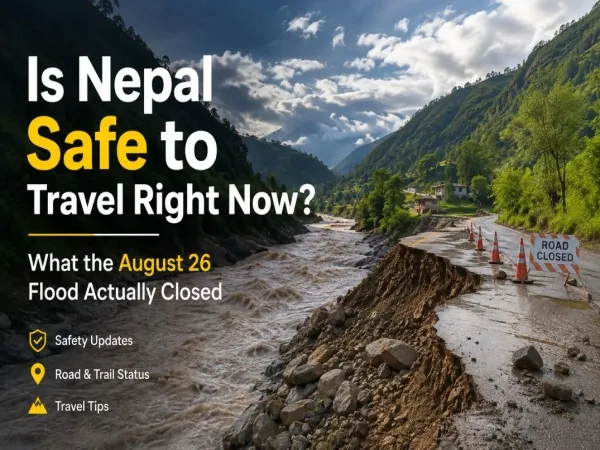
Nepal's diverse landscapes make transportation part of the adventure. Mountain roads, domestic flights, and changing weather can all influence travel schedules.
Planning with flexibility helps reduce unnecessary stress.
Domestic Flights
Flights are the quickest way to reach destinations such as Lukla, Pokhara, and the mountain regions. However, weather conditions can occasionally delay or cancel flights, especially in the Himalayas.
Adding one or two buffer days to your itinerary is a smart decision if you have international connections.
Tourist Buses
Tourist buses connect Kathmandu with popular destinations including Pokhara, Chitwan, and Lumbini.
They offer:
- Comfortable seating
- Air conditioning on many services
- Scenic countryside views
- Affordable prices
Private Vehicles
Private transfers provide greater flexibility and comfort, particularly for families, small groups, or travelers with limited time.
They also allow you to stop at viewpoints, restaurants, and cultural attractions along the way.
Expert Advice
Always choose licensed transportation providers with experienced drivers, especially for mountain roads.
Trek Responsibly and Help Protect Nepal's Natural Beauty
Nepal's mountains, forests, rivers, and wildlife are among its greatest treasures. Responsible travel helps preserve these landscapes while supporting local communities that depend on tourism.
Every traveler has the opportunity to make a positive impact.
Follow Leave No Trace Principles
Simple actions can help protect the environment:
- Carry reusable water bottles.
- Avoid single-use plastics whenever possible.
- Pack out your litter.
- Stay on designated trails.
- Respect wildlife and natural habitats.
- Avoid disturbing local communities.
Support Local Communities
Choosing locally owned accommodations, restaurants, guides, and porters helps tourism directly benefit the people who live in Nepal's mountain regions.
Responsible trekking also means respecting local traditions, protecting cultural heritage, and treating guides and porters fairly.
Sustainable tourism ensures that future generations can continue enjoying Nepal's incredible landscapes.
Stay Connected During Your Trip
Although Nepal's mountain regions feel wonderfully remote, staying connected is easier than many travelers expect.
Mobile coverage is available in most cities, towns, and many trekking villages, while Wi-Fi is increasingly common along popular trekking routes.
Internet Access
You can stay connected through:
- Local SIM cards
- Hotel Wi-Fi
- Tea house internet services
- Mobile data packages
Internet speeds may become slower at higher elevations, but basic communication is generally available in many trekking regions.
Electricity
Electricity is widely available throughout Nepal.
Some remote tea houses charge a small fee for charging electronic devices, so carrying a portable power bank is highly recommended.
Helpful Travel Tip
Download offline maps before your trip. They remain useful when mobile signals become weak in remote mountain areas.
Keep Your Itinerary Flexible
One of the best travel tips for Nepal is to avoid planning every hour of your journey.
Weather, festivals, road conditions, and mountain flights can occasionally affect travel schedules.
Rather than viewing delays as problems, consider them opportunities to experience more of Nepal's culture, hospitality, and natural beauty.
Include Buffer Days
Adding one or two extra days provides flexibility if:
- Domestic flights are delayed.
- Weather changes unexpectedly.
- You need additional acclimatization.
- You discover places you'd like to explore longer.
A relaxed itinerary often leads to a far more enjoyable travel experience.
Common Mistakes First-Time Travelers Make in Nepal
Learning from other travelers' experiences can help you avoid unnecessary challenges.
1. Underestimating Trek Difficulty: Mountain trails often involve long walking days and significant elevation gain. Prepare physically before your trip.
2. Ignoring Altitude Acclimatization: Rushing to higher elevations increases the risk of altitude sickness. Always follow recommended acclimatization schedules.
3. Packing Too Much: Heavy luggage quickly becomes uncomfortable. Pack only essential clothing and equipment.
4. Forgetting Travel Insurance: Unexpected events can happen anywhere. Insurance provides valuable financial protection.
5. Not Carrying Enough Cash: Remote villages rarely accept credit cards. Carry sufficient Nepalese Rupees before beginning your trek.
6. Booking During Peak Season Too Late: Autumn and spring are extremely popular. Reserve flights, accommodations, and trekking packages early.
Quick Nepal Travel Checklist
Before leaving for Nepal, make sure you have:
✔ Passport valid for at least six months
✔ Nepal visa or visa documents
✔ Comprehensive travel insurance
✔ Flight confirmations
✔ Hotel bookings
✔ Trekking permits (if required)
✔ Layered clothing
✔ Comfortable walking shoes
✔ Power adapter
✔ Portable power bank
✔ Personal medications
✔ Sunscreen and sunglasses
✔ Reusable water bottle
✔ Emergency contact information
✔ Local currency for smaller purchases
A simple checklist helps you travel with greater confidence and reduces the chances of forgetting important items.
For the best overall experience, plan your trip around your interests rather than simply choosing the busiest season. Whether you're drawn to snow-capped peaks, colorful festivals, peaceful hiking trails, or wildlife encounters, Nepal offers unforgettable experiences throughout the year when your itinerary matches the season, your pace, and your travel goals.
FAQs
Is Nepal safe for tourists?
Yes. Nepal is generally considered a safe destination for travelers. Like any country, using common sense, protecting your belongings, and following local advice contribute to a safe and enjoyable trip.
What is the best month to visit Nepal?
October is often considered the best month because it offers clear skies, pleasant temperatures, and excellent conditions for trekking, sightseeing, and wildlife safaris.
Do I need a visa to enter Nepal?
Most international visitors can obtain a Visa on Arrival at Tribhuvan International Airport or designated land border crossings, provided they meet the current entry requirements.
Is Nepal expensive to visit?
Nepal offers excellent value for most travelers. Accommodation, food, transportation, and guided tours are generally more affordable than in many other popular travel destinations.
Can I drink tap water in Nepal?
It is recommended to drink filtered, boiled, or bottled water. Many trekkers also use water purification tablets or filtered bottles during their journey.
What currency is used in Nepal?
Nepal uses the Nepalese Rupee (NPR). Cash is widely used throughout the country, especially in rural areas and trekking regions.
Is English widely spoken?
English is commonly spoken in tourist areas, hotels, trekking regions, and by licensed guides, making communication relatively easy for most international visitors.
Should I hire a guide for trekking?
Hiring a licensed guide improves safety, enhances your cultural experience, and provides valuable local knowledge throughout your trek.
How many days should I spend in Nepal?
A stay of 10 to 14 days allows enough time to experience Nepal's highlights, while longer trips are ideal for multi-day treks or combined trekking, cultural, and wildlife adventures.
What should I wear in Nepal?
Comfortable, modest clothing is suitable for cities and cultural sites. For trekking, wear layered clothing that can adapt to changing mountain weather.