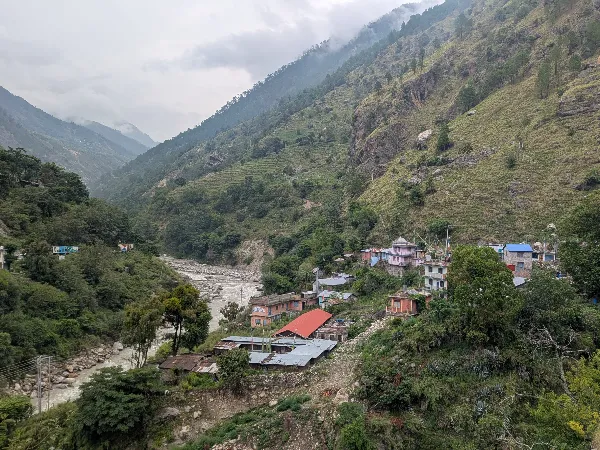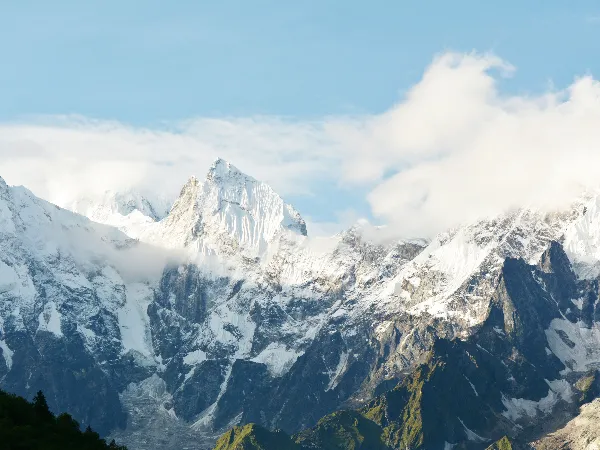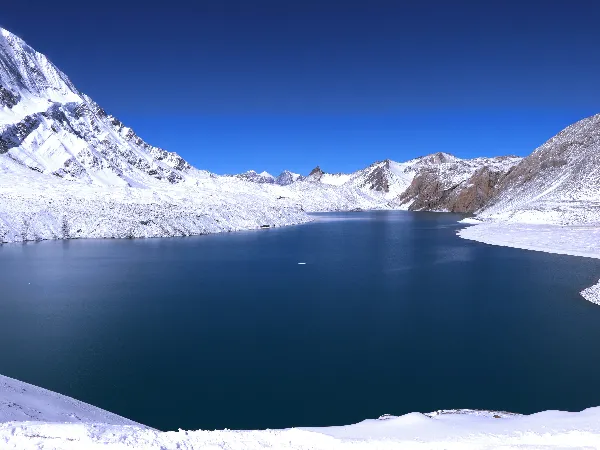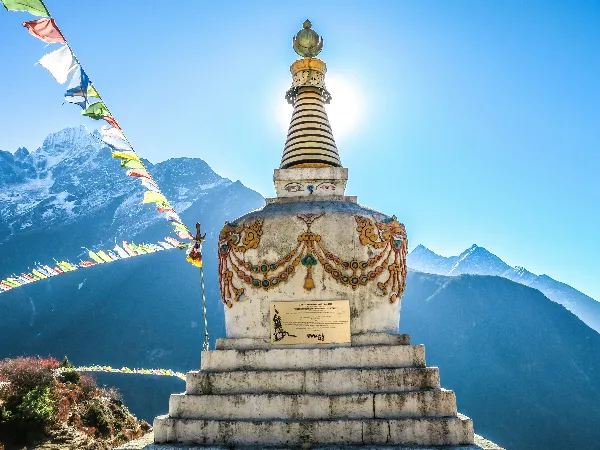
Nepal is one of the best countries in the world for trekking photography, offering breathtaking Himalayan landscapes, colorful mountain villages, ancient monasteries, turquoise glacial lakes, and dramatic sunrise viewpoints. From the iconic Everest Base Camp Trek to the stunning Annapurna Base Camp, Gokyo Lakes, Upper Mustang, and Langtang Valley, Nepal provides endless opportunities for landscape, culture, wildlife, and adventure photography.
Whether you are a beginner photographer or an experienced professional, Nepal’s trekking routes combine world-class mountain scenery with authentic Himalayan culture, making every trail a unique visual experience. This guide explores the best photography treks in Nepal, including the top seasons, best camera gear, expert photography tips, and the most photogenic trekking locations for capturing unforgettable Himalayan images in 2026.
Why Nepal Is a Paradise for Trekking Photography
Nepal offers incredible diversity for photographers. During a single trek, you can capture snowy Himalayan peaks, ancient monasteries, colorful prayer flags, remote villages, glaciers, forests, and local mountain culture.
The light in the Himalayas is one of the biggest reasons photographers love Nepal. The thin mountain air creates dramatic sunrise and sunset colors that make landscapes appear rich, sharp, and cinematic.
Nepal is also perfect for storytelling photography. Sherpa, Gurung, Tamang, Magar, and Tibetan communities still preserve traditional mountain lifestyles, giving photographers meaningful cultural experiences throughout the trekking trails.
Best Photography Treks in Nepal
| Trek | Best For | Difficulty | Best Season | Photography Style |
|---|---|---|---|---|
| Annapurna Base Camp Trek | Mountain Landscapes | Moderate | Spring & Autumn | Landscape |
| Everest Base Camp Trek | Iconic Himalayan Views | Moderate | Autumn | Documentary |
| Upper Mustang Trek | Desert & Culture | Moderate | Summer | Portrait |
| Gokyo Lakes Trek | Reflection Photography | Moderate | Autumn | Landscape |
| Langtang Valley Trek | Quiet Nature Scenes | Moderate | Spring & Autumn | Nature |
| Manaslu Circuit Trek | Remote Himalayan Culture | Challenging | Autumn | Adventure |
| Mardi Himal Trek | Short Scenic Trek | Easy to Moderate | Spring & Autumn | Sunrise |
| Kanchenjunga Base Camp Trek | Wilderness Photography | Challenging | Spring & Autumn | Wildlife |
Annapurna Base Camp Trek – Best for Mountain Landscape Photography
The Annapurna Base Camp Trek is one of the most rewarding photography treks in Nepal. The trail passes through forests, waterfalls, rivers, and traditional Gurung villages before reaching the spectacular Annapurna Sanctuary.
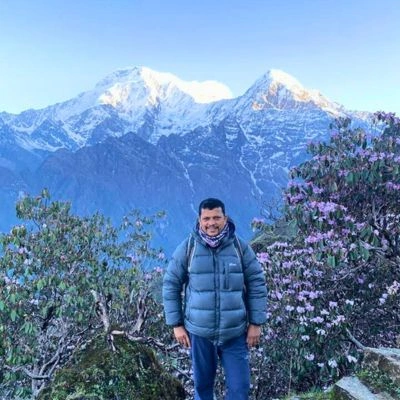
The biggest photography highlight is sunrise at Annapurna Base Camp. As the morning light slowly touches Machhapuchhre and Annapurna, the mountains turn from blue tones into glowing gold and orange colors.
Spring brings blooming rhododendron forests, while autumn offers crystal-clear mountain visibility. Tea houses, porters, and trekking trails also create excellent storytelling photography opportunities throughout the route.
Best Photography Season
March to April for flowers and October to November for clear mountain views.
Photography Difficulty
Moderate
Everest Base Camp Trek – Best for Iconic Himalayan Photography
The Everest Base Camp Trek is one of the most famous trekking routes in the world. Beyond Mount Everest itself, the trail offers dramatic glaciers, suspension bridges, monasteries, and traditional Sherpa villages.
Namche Bazaar is excellent for documentary and street photography, while Tengboche Monastery provides one of Nepal’s most iconic mountain photography scenes with Everest in the background.
The Khumbu Glacier, prayer flags, yak caravans, and star-filled night skies make this trek ideal for photographers who enjoy both landscapes and storytelling images.
Best Photography Season
Late October to November.
Photography Difficulty
Moderate
Upper Mustang Trek – Best for Desert & Cultural Photography
Upper Mustang looks completely different from most trekking regions in Nepal. Located in the rain-shadow area of the Himalayas, the landscape resembles a dramatic mountain desert filled with red cliffs, caves, and eroded canyons.
The region is also rich in ancient Tibetan Buddhist culture. Traditional villages, monasteries, and local people in traditional clothing create incredible portrait and documentary photography opportunities.
Lo Manthang, cave monasteries, and dusty mountain valleys give Upper Mustang a unique visual identity unlike anywhere else in Nepal.
Best Photography Season
May to October.
Photography Difficulty
Moderate
Gokyo Lakes Trek – Best for Reflection Photography
Many photographers prefer the Gokyo Lakes Trek over Everest Base Camp because of its stunning turquoise lakes and panoramic mountain scenery.
The calm glacial lakes create beautiful mirror reflections of surrounding Himalayan peaks, especially during early mornings. The sunrise view from Gokyo Ri is considered one of the best photography viewpoints in Nepal.
The combination of lakes, glaciers, snowy peaks, and yak pastures creates endless landscape photography opportunities throughout the trek.
Best Photography Season
October and November.
Photography Difficulty
Moderate
Langtang Valley Trek – Best for Peaceful Nature Photography
The Langtang Valley Trek is quieter than Everest and Annapurna, making it perfect for photographers who prefer peaceful trails and softer natural lighting.
The route combines glaciers, forests, yak pastures, and traditional Tamang villages within a relatively short trekking distance from Kathmandu.
The valley’s soft mountain light works especially well for portrait and nature photography. Prayer wheels, monasteries, and mountain scenery create balanced storytelling opportunities throughout the trek.
Best Photography Season
April and October.
Photography Difficulty
Moderate
Manaslu Circuit Trek – Best Remote Adventure Photography Trek
The Manaslu Circuit Trek is ideal for photographers looking for remote Himalayan scenery with fewer tourists. The route changes dramatically every few days, beginning with green valleys and gradually moving into high alpine landscapes.
Ancient monasteries, suspension bridges, glaciers, waterfalls, and remote Tibetan villages create diverse photography opportunities throughout the trek.
Crossing the Larkya La Pass provides dramatic mountain photography conditions with snow peaks and glaciers surrounding the high-altitude trail.
Best Photography Season
October and November.
Photography Difficulty
Challenging
Mardi Himal Trek – Best Short Photography Trek
The Mardi Himal Trek is one of the best short treks in Nepal for photography lovers. Despite being shorter than many major trekking routes, the mountain views are incredibly dramatic.
The trail follows forest paths and ridge lines with spectacular close-up views of Machhapuchhre. Sunrise and cloud inversion photography are major highlights of this trek.
Because the trek is shorter, photographers can travel lighter while still capturing stunning Himalayan landscapes.
Best Photography Season
March to April and October to November.
Photography Difficulty
Easy to Moderate
Kanchenjunga Base Camp Trek – Best Wilderness Photography Trek
The Kanchenjunga region is one of Nepal’s least-visited trekking destinations. This remote area is ideal for photographers searching for untouched Himalayan landscapes and rare wildlife opportunities.
The trek feels wild and isolated compared to Nepal’s busier trekking regions. Massive glaciers, traditional Limbu villages, forests, and dramatic mountain scenery create exceptional wilderness photography opportunities.
This trek is best suited for experienced trekkers and photographers looking for remote adventure experiences.
Best Photography Season
April and October.
Photography Difficulty
Challenging
Best Seasons for Photography Treks in Nepal
Autumn (October to November)
Autumn is the best overall season for trekking photography in Nepal. After the monsoon rain clears the atmosphere, the skies become deep blue and the mountain views appear sharp and vibrant.
This season is ideal for landscape photography, sunrise photography, and panoramic mountain views. Stable weather and excellent visibility also make it the most popular trekking season.
Spring (March to May)
Spring transforms Nepal’s lower trekking trails into colorful forests filled with blooming rhododendrons and green landscapes.
The weather is warmer and more comfortable for trekking, making it perfect for nature photography, flower photography, and colorful mountain scenery.
Winter (December to February)
Winter offers peaceful trekking trails, dramatic snow-covered villages, and frozen landscapes. Although temperatures can become very cold at higher elevations, photographers can enjoy quiet trails and strong mountain contrast.
Winter is especially good for snow photography and minimalist Himalayan landscapes.
Monsoon (June to September)
Most trekkers avoid the monsoon season, but photographers can still capture dramatic green landscapes, waterfalls, clouds, and moody weather conditions.
Rain-shadow regions like Upper Mustang and Dolpo remain excellent photography destinations even during monsoon months.
Essential Camera Gear for Nepal Treks
Best Camera Body
A lightweight weather-sealed mirrorless camera is ideal for trekking in Nepal. Mountain weather changes quickly, and weather sealing helps protect your equipment from rain, snow, and dust.
Mirrorless cameras are also easier to carry during long trekking days compared to heavy DSLR setups.
Best Lenses for Nepal Trekking Photography
A wide-angle lens such as 16–35mm is perfect for mountain landscapes, night skies, and panoramic photography.
A mid-range zoom lens like 24–70mm works well for portraits, villages, tea houses, and daily trekking scenes. Most photographers can comfortably complete an entire Nepal trek with just these two lenses.
Heavy telephoto lenses are usually unnecessary unless wildlife photography is your main goal.
Tripods & Filters
A lightweight travel tripod is ideal for trekking photography. Heavy professional tripods become exhausting at high altitude.
A circular polarizing filter is highly recommended because it reduces glare from snowy mountains and improves sky contrast during bright daylight conditions.
Batteries & Power Tips
Cold temperatures at high altitude drain batteries very quickly. Carry at least three batteries and keep them inside your sleeping bag at night to preserve battery life.
Extra memory cards, power banks, and waterproof storage bags are also essential for multi-day treks in the Himalayas.
How to Protect Your Camera Gear on the Trail
Mountain conditions can be difficult for photography equipment. Dust, moisture, snow, and sudden weather changes are common during Nepal treks.
Using waterproof dry bags inside your backpack helps protect cameras during rain or river crossings. Carrying microfiber cloths is also important because mountain dust can quickly cover lenses and camera bodies.
Avoid changing lenses outdoors whenever possible. Windy mountain trails can easily allow dust to enter the camera sensor.
Photography Tips for Trekking in Nepal
Wake Up Early for Golden Light
The best mountain light appears during sunrise and sunset. Early mornings often provide soft golden tones that make Himalayan peaks look dramatic and colorful.
Photographers who wake up before sunrise usually capture the best mountain photography conditions.
Add Human Elements to Landscapes
Landscape photography becomes more powerful when human elements are included. Trekkers, porters, monks, tea houses, and prayer flags help create scale and emotional storytelling within mountain scenes.
These details often create more memorable photographs than mountains alone.
Shoot in RAW Format
RAW files preserve far more image detail than JPEG files. This is especially important in mountain environments where bright skies and dark valleys create difficult lighting conditions.
RAW photography provides much greater flexibility during editing.
Focus on Storytelling
Some of the best photographs in Nepal are not just mountain landscapes. Tea house life, local meals, trekking moments, prayer ceremonies, and village interactions help tell the complete story of a Himalayan adventure.
Capturing emotions and experiences often creates stronger images than simply photographing scenery.
Drone Photography in Nepal
Drone photography in Nepal is heavily regulated. Most trekking regions require permission from the Civil Aviation Authority and local authorities before flying drones.
Flying drones illegally near trekking routes or mountain regions can result in fines or equipment confiscation. It is important to research the latest drone laws before traveling to Nepal.
Best Photography Trek in Nepal for Beginners
The Mardi Himal Trek, Ghorepani Poon Hill Trek, and Langtang Valley Trek are excellent options for beginner photographers.
These routes offer shorter trekking days, easier logistics, comfortable tea houses, and outstanding mountain scenery without extreme physical difficulty.
They are ideal for photographers who want beautiful Himalayan images without committing to longer or more challenging expeditions.
Common Photography Mistakes in Nepal
One of the biggest mistakes photographers make is carrying too much camera gear. Heavy backpacks quickly become exhausting at high altitude and often reduce enjoyment during the trek.
Another common mistake is only photographing mountains. Nepal’s villages, people, tea houses, food, and local culture are equally important parts of the trekking experience.
Missing sunrise photography is also a major mistake. The best Himalayan light usually happens very early in the morning.
Final Thoughts
Photography trekking in Nepal is more than simply capturing mountain views. It is about documenting adventure, culture, emotions, and unforgettable moments in the Himalayas.
You do not need the most expensive gear to create incredible images in Nepal. A lightweight camera, good trekking preparation, patience with natural light, and respect for local culture are often enough.
Walk slowly, wake up early, and take time to enjoy the experience beyond the camera lens.
If you do that, Nepal will reward you with some of the most unforgettable photographs of your life.
FQs
Is Nepal good for photography?
Yes. Nepal is one of the best destinations in the world for landscape, trekking, and cultural photography.
What is the best photography trek in Nepal?
The Annapurna Base Camp Trek and Gokyo Lakes Trek are considered two of Nepal’s best photography treks.
Can beginners do photography treks in Nepal?
Yes. Treks like Mardi Himal and Ghorepani Poon Hill are beginner-friendly and highly photogenic.
What camera lens is best for Nepal trekking?
A 24–70mm lens is considered the most versatile lens for trekking photography in Nepal.
Can I charge camera batteries during the trek?
Yes. Most tea houses provide charging facilities for an additional fee.
Is drone photography allowed in Nepal?
Drone photography is restricted and usually requires government permission.
Which season is best for photography in Nepal?
Autumn, especially October and November, is considered the best season because of clear skies and stable weather.
Do I need a professional camera for Nepal?
No. Modern smartphones and beginner cameras can still capture excellent images during Nepal treks.
Is photography gear safe during Nepal treks?
Yes. Nepal trekking routes are generally safe, although basic precautions are still recommended.