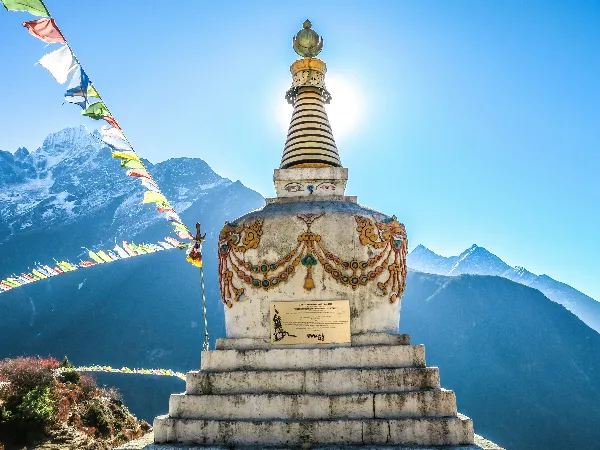
The Manaslu Circuit Trek is considered moderately difficult to challenging. The main challenges are high altitude, long walking days, and crossing the 5,106-meter Larkya La Pass. However, with good fitness, proper acclimatization, and a well-planned itinerary, many first-time trekkers successfully complete the trek every year.
Planning the Manaslu Circuit Trek is exciting. But one question comes up more than any other. How difficult is the Manaslu Circuit Trek?
The short answer is that it is challenging but achievable.
You do not need mountaineering skills. You do not need technical climbing experience. What you do need is a reasonable level of fitness, a positive mindset, and enough time to adjust to the altitude.
Compared with many popular trekking routes in Nepal, the Manaslu Circuit is more remote and less crowded. The trails pass through deep river valleys, ancient forests, traditional Tibetan villages, and high mountain landscapes before reaching the spectacular Larkya La Pass at 5,106 meters.
Because of its remote nature, many trekkers consider it one of Nepal's most rewarding adventures.
If you are still planning your trip, our Complete Manaslu Circuit Trek Guide explains the route, permits, itinerary, accommodation, and everything you need to know before you begin.
In this guide, we will explain every challenge in simple language so you can decide if the Manaslu Circuit Trek is the right adventure for you.
Is the Manaslu Circuit Trek Difficult for Beginners?
This is one of the most common questions people ask before booking their trip.
The good news is that yes, beginners can complete the Manaslu Circuit Trek.
Every year, many first-time trekkers finish the trek successfully. The key is preparing well before you arrive in Nepal.
The trek is not difficult because the trails require climbing skills. Instead, it becomes challenging because of the combination of altitude, long walking days, changing weather, and several consecutive days of hiking.
If you have completed smaller hikes before, you already have a good starting point. Even if you have never done a multi-day trek, proper preparation can make a huge difference.
Walking slowly is one of the biggest secrets to success. Many trekkers think they need to walk fast. In reality, experienced mountain guides encourage a slow and steady pace. This helps your body adjust naturally to the thinner air.
Fitness also plays an important role. You do not need to be an athlete, but regular walking, hiking, stair climbing, and cardio exercises will make the journey much more enjoyable.
Mental preparation matters just as much as physical fitness. Some days feel long. The weather may change quickly, and the basic tea houses are much simpler than hotels in the city. Keeping realistic expectations helps you enjoy the experience.
If this is your first Himalayan adventure, we recommend reading our Manaslu Circuit Trek for Beginners guide. It explains what first-time trekkers can expect each day and how to prepare with confidence.
The Manaslu Circuit Trek may challenge you, but it rewards you with unforgettable mountain scenery, peaceful trails, and authentic local culture.
Why Is the Manaslu Circuit Trek Considered Challenging?
Many people hear that the Manaslu Circuit Trek is one of Nepal's harder treks. While that is true, understanding why it is challenging helps you prepare better.
The difficulty comes from several factors working together rather than one single obstacle.
High Altitude
Altitude is the biggest challenge on this trek.
As you climb above 3,000 meters, the amount of oxygen in the air begins to decrease. Your body needs time to adapt to these changes.
Without proper acclimatization, you may experience headaches, tiredness, or shortness of breath. Walking slowly and following your guide's advice greatly reduces these risks.
Long Walking Days
Most trekking days last between five and eight hours.
The trails are not technical, but they require steady effort over many days. Some sections include long climbs followed by equally long descents.
The most demanding day is crossing Larkya La Pass, where trekkers often walk for eight to ten hours.
Remote Location
Unlike the Everest or Annapurna regions, the Manaslu Circuit is much quieter.
This makes the trek feel more adventurous. However, it also means there are fewer villages, fewer facilities, and longer distances between tea houses.
Many trekkers see this remoteness as one of the trek's greatest strengths.
Basic Accommodation
Tea houses along the trail are comfortable but simple.
Rooms are clean and warm enough for sleeping, but luxury facilities are limited. Hot showers, charging electronics, and internet access may not always be available at higher elevations.
Preparing for these simple conditions helps avoid unnecessary surprises.
Weather Can Change Quickly
Mountain weather is unpredictable.
A clear morning can become cloudy in the afternoon. Higher elevations may experience snow even during popular trekking seasons.
Choosing the right season makes a significant difference. If you are unsure when to visit, our guide to the Best Time to Cross Larkya La Pass explains which months usually offer the safest weather and the best trekking conditions.
Although these challenges sound demanding, thousands of trekkers complete the Manaslu Circuit every year with proper planning and a well-paced itinerary.
Is Altitude the Biggest Challenge on the Manaslu Circuit Trek?
For most trekkers, the answer is yes.
Altitude affects everyone differently. It does not matter how young, strong, or experienced you are.
As the trail climbs higher, your body receives less oxygen with every breath. This is why many trekkers notice they become tired more quickly than they expected.
The first symptoms of altitude sickness are usually mild. You may experience a headache, loss of appetite, dizziness, or difficulty sleeping.
These symptoms should never be ignored.
Fortunately, altitude sickness can often be prevented by following a gradual itinerary with proper acclimatization days.
The Manaslu Circuit Trek includes important rest stops in villages like Samagaon. These extra days allow your body to adapt naturally before climbing higher.
Hydration also plays a major role. Drinking plenty of water helps your body adjust more efficiently to the thinner air.
Many experienced trekkers also follow the simple mountain rule:
Walk slowly, breathe deeply, and never rush.
Listening to your guide is equally important. Professional guides monitor trekkers every day and can recognize early signs of altitude sickness before they become serious.
With the right itinerary and a patient approach, most trekkers adjust well and continue safely toward Larkya La Pass.
How Difficult Is Crossing Larkya La Pass?
For many trekkers, crossing Larkya La Pass (5,106 meters) is the most memorable part of the entire journey.
It is also the hardest day.
The climb usually begins before sunrise. Starting early helps avoid strong afternoon winds and gives trekkers enough time to cross the pass safely.
The trail becomes steeper as you gain elevation. At this height, every step requires more effort because of the reduced oxygen.
Even experienced hikers notice the difference.
Snow is common during spring, late autumn, and winter. Depending on recent weather, sections of the trail may be icy or covered in fresh snow. Your guide will choose the safest pace and route based on current conditions.
Despite the challenge, reaching the colorful prayer flags at the top of Larkya La Pass is an unforgettable moment. Panoramic views of Himlung Himal, Cheo Himal, Kang Guru, and Annapurna II stretch across the horizon, rewarding every step of the climb.
Many trekkers say this single day becomes the highlight of their entire Nepal adventure.
How Many Hours Do You Walk Each Day on the Manaslu Circuit Trek?
One of the biggest surprises for first-time trekkers is that the Manaslu Circuit Trek is more about endurance than speed. You do not need to walk fast. Instead, you need to stay comfortable on your feet for several hours each day.
Most trekking days last between 5 and 8 hours, depending on the trail, weather, and your pace. Your guide will schedule regular breaks for water, snacks, and photos, making the journey much easier than many people expect.
The longest day is the crossing of Larkya La Pass, which usually takes 8 to 10 hours. Although this sounds demanding, the slow pace and breathtaking scenery help make the day manageable.
| Trek Section | Average Walking Time | Difficulty |
|---|---|---|
| Machha Khola to Jagat | 5–6 Hours | Moderate |
| Jagat to Namrung | 6–7 Hours | Moderate |
| Namrung to Samagaon | 5–6 Hours | Moderate |
| Samagaon Acclimatization | Short Hike | Easy |
| Samdo to Dharamsala | 4–5 Hours | Moderate |
| Dharamsala to Larkya La Pass to Bimthang | 8–10 Hours | Challenging |
| Bimthang to Dharapani | 6–7 Hours | Moderate |
Rather than focusing on the number of hours, think about how consistently you can walk. The pace is relaxed, and there is plenty of time to enjoy the changing landscapes, mountain villages, and Himalayan views.
If you are still planning your route, our Complete Manaslu Circuit Trek Guide provides a detailed day-by-day itinerary so you know exactly what to expect before you arrive.
What Fitness Level Do You Need for the Manaslu Circuit Trek?
You do not need to be an athlete to complete the Manaslu Circuit Trek.
However, you should be physically active and comfortable walking for several days in a row.
The trek includes long uphill climbs, rocky trails, suspension bridges, and high-altitude terrain. Strong legs and good cardiovascular fitness will make every day more enjoyable.
If you can comfortably walk for six to eight hours or hike local hills on weekends, you are already building the right foundation.
Preparing for your trek around 8 to 12 weeks before your trip can make a huge difference. Regular walking, stair climbing, light jogging, cycling, or swimming all improve endurance. Strengthening your legs and core also helps reduce fatigue on long descents.
Training with a small backpack is another simple but effective way to prepare. It allows your body to adjust to carrying weight before reaching the mountains.
Fitness is only one part of the journey. Walking slowly, sleeping well, eating enough food, and staying hydrated are just as important.
If this is your first Himalayan adventure, our Manaslu Circuit Trek for Beginners guide explains how to prepare both physically and mentally for a successful trek.
Which Day of the Manaslu Circuit Trek Is the Hardest?
Almost every experienced trekker gives the same answer.
Crossing Larkya La Pass is the most difficult day of the trek.
The day begins before sunrise while temperatures are still very cold. Early starts help trekkers cross the pass before stronger afternoon winds arrive.
From Dharamsala, the trail climbs steadily toward the pass. At over 5,000 meters, the thin air makes every step feel more demanding than at lower elevations.
Once you reach the colorful prayer flags at the top of the pass, the hardest climb is over. However, the journey is not finished. A long descent follows toward Bimthang, which can be tiring for your knees and leg muscles.
Although this is the longest and most challenging day, it is also the most rewarding. Standing at the top of Larkya La Pass with panoramic views of the surrounding Himalayan peaks is an unforgettable experience.
Many trekkers say that this single day becomes the highlight of their entire Nepal adventure.
To improve your chances of clear skies and stable trail conditions, choosing the right season is essential. Our guide on the Best Time to Cross Larkya La Pass explains the ideal months for a safe and enjoyable crossing.
What Makes the Manaslu Circuit Trek Easier?
While the Manaslu Circuit Trek is challenging, several simple decisions can make it much more comfortable.
The first is choosing a well-designed itinerary. Rushing to finish the trek in fewer days increases the risk of altitude sickness and unnecessary fatigue. A gradual itinerary allows your body to adjust naturally as you gain elevation.
Hiring an experienced local guide is another major advantage. Guides understand the terrain, monitor your health, adjust the pace when needed, and provide valuable support throughout the journey.
Many trekkers also choose to hire a porter. Carrying only a small daypack allows you to conserve energy for the longer hiking days, especially at higher altitudes.
Packing wisely also makes a difference. Lightweight clothing, comfortable trekking boots, quality trekking poles, and proper layering all contribute to a smoother experience.
Good nutrition is equally important. Eating regular meals and drinking enough water help maintain energy levels throughout the trek.
Perhaps the most valuable advice is to walk slowly. The mountains are not a race. A steady pace allows your body to adapt while giving you time to appreciate the incredible scenery.
When Is the Best Season for the Manaslu Circuit Trek?
The season you choose has a significant impact on the overall difficulty of the trek.
Spring and autumn are considered the best times because they offer stable weather, comfortable temperatures, and excellent mountain visibility.
Winter brings colder temperatures and heavy snowfall around Larkya La Pass. These conditions make the trek more physically demanding and may occasionally affect trail accessibility.
The summer monsoon creates slippery trails, frequent rain, and limited mountain views. While the region receives less rainfall than some other parts of Nepal, trekking during the monsoon is generally more challenging.
| Season | Difficulty | Trail Conditions | Mountain Views |
|---|---|---|---|
| Spring (March–May) | Moderate | Excellent | Excellent |
| Autumn (September–November) | Moderate | Excellent | Excellent |
| Winter (December–February) | Difficult | Snowy | Good on clear days |
| Monsoon (June–August) | Difficult | Wet and Slippery | Limited |
If your goal is to enjoy the trek with the safest trail conditions, the clearest mountain views, and comfortable temperatures, spring and autumn remain the best choices.
Before booking your trip, we recommend reading our Best Time to Cross Larkya La Pass guide for a detailed month-by-month breakdown of weather, temperatures, and trekking conditions.
Is the Manaslu Circuit Trek Harder Than Everest Base Camp?
This is one of the most searched questions by trekkers planning a Himalayan adventure.
The answer depends on what you find most challenging.
The Everest Base Camp Trek offers better infrastructure, more tea houses, and easier access to services along the trail. However, it reaches a slightly higher altitude of 5,364 meters at Everest Base Camp and 5,545 meters at Kala Patthar.
The Manaslu Circuit Trek is more remote, quieter, and less developed. The trails are longer, facilities are simpler, and crossing Larkya La Pass requires a full day of high-altitude trekking.
| Feature | Manaslu Circuit Trek | Everest Base Camp Trek |
|---|---|---|
| Maximum Elevation | 5,106 m | 5,545 m (Kala Patthar) |
| Overall Difficulty | Challenging | Moderate to Challenging |
| Crowds | Very Low | High |
| Tea House Facilities | Basic | Better Developed |
| Trail Remoteness | High | Moderate |
| Cultural Experience | Tibetan Villages | Sherpa Villages |
| Scenic Variety | Excellent | Excellent |
If you enjoy peaceful trails, authentic mountain villages, and a more adventurous experience, the Manaslu Circuit Trek is an outstanding choice.
If you prefer better facilities and a famous bucket-list destination, Everest Base Camp may suit you better.
Still undecided? Our detailed comparison of Everest Base Camp vs Manaslu Circuit Trek: Which Trek Is Harder? explains the differences in altitude, scenery, crowds, costs, and overall trekking experience to help you choose the adventure that best matches your goals.
Is the Manaslu Circuit Trek Worth the Challenge?
Without a doubt, yes.
The Manaslu Circuit Trek is challenging, but it is far from impossible. Most healthy trekkers with a reasonable level of fitness can complete the journey by following a gradual itinerary, walking at a steady pace, and allowing enough time for acclimatization.
What makes this trek special is not just the physical challenge. It is the complete Himalayan experience. You will walk through peaceful mountain villages, cross ancient suspension bridges, explore Tibetan-influenced culture, and stand among some of Nepal's most breathtaking peaks. Reaching Larkya La Pass (5,106 meters) becomes more than a personal achievement—it is a memory that stays with you long after the trek ends.
If you are looking for a quieter alternative to Everest Base Camp or Annapurna Circuit, the Manaslu Circuit offers one of Nepal's most authentic trekking experiences. Fewer crowds, dramatic scenery, and rich local culture make every step worthwhile.
The key to success is simple. Prepare your body, choose the right season, listen to your guide, and enjoy the journey one step at a time.
Whether you are a first-time trekker or an experienced hiker, the Manaslu Circuit Trek has the power to challenge, inspire, and reward you in equal measure.
Ready to Experience the Manaslu Circuit Trek?
If you're ready to explore one of Nepal's most rewarding trekking routes, Nepal Treks and Tour is here to help. Our experienced local guides, carefully planned itineraries, and personalized support ensure you enjoy a safe, comfortable, and unforgettable Himalayan adventure from start to finish.
Start planning today and take the first step toward an adventure you'll remember for a lifetime.