The Manaslu Circuit Trek for beginners is a 12–16 day high-altitude trek in Nepal that circles Mount Manaslu (8,163m). It is a moderately difficult trek that does not require technical climbing skills, but good fitness and slow acclimatization are essential. The route passes remote villages, rivers, forests, and crosses the high Larke La Pass at 5,106m. With a licensed guide, proper preparation, and gradual pacing, beginners can successfully complete this trek and enjoy one of Nepal’s most authentic Himalayan experiences.

Manaslu Circuit Trek for Beginners: Every First Time Trekkers Need to Know
The Manaslu Circuit Trek is one of Nepal’s most rewarding Himalayan adventures for travelers looking for a quieter and more authentic trekking experience. Compared to the busy Everest and Annapurna trails, the Manaslu region still feels remote, peaceful, and deeply connected to local mountain culture.
For beginners, the trek may look intimidating at first because of the high altitude and long trekking days. However, many first-time trekkers successfully complete the Manaslu Circuit every year with proper preparation, realistic expectations, and enough acclimatization time.
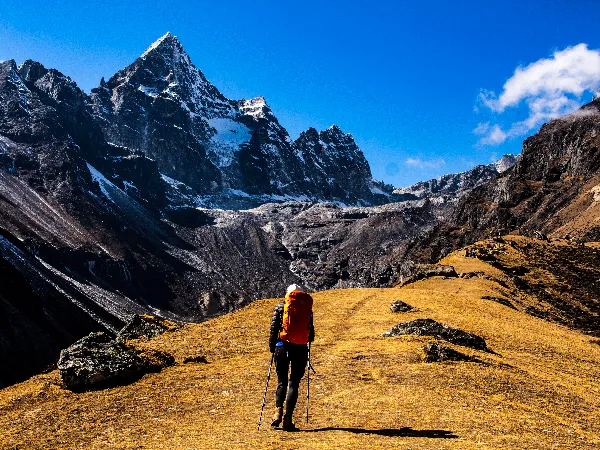
The trail circles around Mount Manaslu, the eighth-highest mountain in the world at 8,163 meters. Along the route, trekkers pass through deep river valleys, hanging suspension bridges, pine forests, Buddhist villages, glaciers, and the famous Larke La Pass at 5,106 meters.
Is the Manaslu Circuit Trek Suitable for Beginners?
Yes, the Manaslu Circuit Trek can absolutely be suitable for beginners who are physically active and mentally prepared for a mountain adventure. You do not need climbing experience or technical mountaineering skills to complete this trek.
What matters most is your fitness level, pacing, and ability to adapt to high altitude conditions. The trek becomes difficult mainly because of the elevation gain and the continuous walking for nearly two weeks.
Many beginner trekkers are surprised that the hardest part is not the trail itself but the altitude and daily endurance. Some days involve 6–8 hours of walking on rocky paths, steep stair sections, and uneven terrain.
The good news is that the trail gradually gains elevation, giving your body enough time to acclimatize if the itinerary is planned properly.
How Difficult Is the Manaslu Circuit Trek for First-Time Trekkers?
The Manaslu Circuit Trek is generally considered a moderate to challenging trek. It is harder than shorter beginner treks like Ghorepani Poon Hill Trek but less crowded and more peaceful than the Everest Base Camp route.
Most beginners struggle with three main things during the trek. The first is walking long hours every day. The second is dealing with cold temperatures at higher elevations. The third is adapting to thinner air above 3,500 meters.
The toughest day is usually the crossing of Larke Pass. Trekkers often start walking before sunrise, and the pass day can take 8–10 hours depending on weather and trail conditions. During spring and autumn, snow can still remain near the top of the pass.
Even though the trek is challenging, it is still very achievable for beginners with basic training and a positive mindset.
What Makes the Manaslu Trek Challenging?
High Altitude and Thin Air
Altitude is the biggest challenge on the Manaslu Circuit Trek. As trekkers climb higher into the Himalayas, oxygen levels slowly decrease. Many beginners start feeling the effects of altitude after Samagaun, which sits around 3,530 meters.
Common altitude symptoms include headaches, loss of appetite, poor sleep, tiredness, and shortness of breath. These symptoms are normal if they remain mild, but proper acclimatization is extremely important.
Walking slowly and drinking enough water helps your body adjust naturally. Most experienced guides recommend avoiding alcohol and smoking during the trek because they increase dehydration.
Long Walking Days
The Manaslu route is longer and more remote than many popular trekking routes in Nepal. Some trekking days involve continuous uphill climbs, rocky paths, and steep descents.
Trekkers usually walk between 5–8 hours daily. During difficult sections, especially near Dharamsala and Larke Pass, the trail becomes rougher and more physically demanding.
Beginners who regularly walk, hike, or do cardio exercises before arriving in Nepal generally adapt much better on the trail.
Remote Himalayan Region
One reason many travelers love the Manaslu Circuit is because it still feels untouched and less commercialized. However, this also means facilities are more basic than in the Everest region.
Tea houses are simple but comfortable enough for trekkers. In lower villages, rooms are warmer and facilities are better. At higher elevations, accommodation becomes more basic with limited heating and colder dining halls.
Electricity, WiFi, and hot showers are available in many villages, but services become expensive at higher altitude. Charging electronics often costs extra, and internet connections can be slow or unreliable.
How Should Beginners Prepare for the Manaslu Circuit Trek?
Preparation plays a huge role in whether beginners enjoy the trek or struggle during the journey. The best preparation is improving your stamina before arriving in Nepal.
Walking uphill, stair climbing, cycling, jogging, and day hiking are excellent training activities. Try carrying a light backpack while training because it helps your body adapt to long trekking days.
Mental preparation is equally important. Weather conditions in the Himalayas can change quickly, and transportation delays are common in mountain regions. Staying flexible and patient makes the trekking experience much more enjoyable.
Good trekking boots are essential. Many beginner trekkers make the mistake of using new boots without breaking them in first, which often causes painful blisters during the trek.
Best Time for Beginners to Trek the Manaslu Circuit
The best seasons for beginners are spring and autumn. These months offer stable weather, clearer mountain views, and safer trail conditions.
Spring runs from March to May. During this season, forests become colorful with blooming rhododendrons, and temperatures are relatively comfortable. Snow can still remain near Larke Pass in early spring.
Autumn lasts from September to November and is considered the most popular trekking season in Nepal. The skies are usually very clear after the monsoon rains, creating excellent mountain visibility.
Winter trekking is possible but much colder and more difficult for beginners because of snow and freezing temperatures near the pass. Monsoon season from June to August brings heavy rain, muddy trails, leeches, and landslide risks.
If you are planning your trip, check our detailed guide on the best time for Manaslu Circuit Trek to understand weather, visibility, and trail conditions.
Food and Accommodation on the Manaslu Circuit Trek
Tea houses along the Manaslu route provide basic but filling meals for trekkers. Dal Bhat, which includes rice, lentils, vegetables, and pickles, is the most common and reliable meal during the trek.
Most tea houses also serve noodles, fried rice, soups, pasta, potatoes, pancakes, eggs, tea, and coffee. Food prices gradually increase as you go higher because supplies are carried by mules or porters.
Rooms are simple with twin beds, pillows, and blankets. Carrying a sleeping bag is strongly recommended because nights become very cold at higher elevations.
Hot showers are available in many villages but may cost extra. In some remote places, showers use gas heating or bucket systems rather than modern bathrooms.
Is Internet and Electricity Available?
Yes, but trekkers should not expect fast or stable connections throughout the trek. Mobile networks work in some lower villages, especially with Nepal Telecom.
WiFi is available in several tea houses, but the connection often becomes slower at higher altitudes. Many trekkers use the trek as an opportunity to disconnect from daily digital life.
Electricity is available in most villages for charging phones, cameras, and power banks. Charging fees increase with altitude because electricity often comes from small solar systems.
Carrying a power bank is highly recommended, especially above Samdo and Dharamsala.
Do Beginners Need a Guide for the Manaslu Circuit Trek?
Yes. Hiring a licensed guide is mandatory because the Manaslu region is a restricted trekking area in Nepal.
A guide does much more than simply lead the way. Good guides help with altitude management, accommodation arrangements, local communication, emergency support, weather decisions, and daily trekking pace.
For beginners, having a guide provides confidence and safety throughout the journey. Local guides also share valuable insights about mountain culture, Buddhist traditions, and village life that independent trekkers often miss.
Safety Tips for Beginner Trekkers
One of the most important trekking rules in Nepal is to walk slowly. Many beginners become exhausted because they try to walk too fast during the first few days.
Hydration is critical at high altitude. Drinking 3–4 liters of water daily helps reduce the risk of altitude sickness.
Layered clothing is also important because temperatures change quickly between daytime sunshine and cold mountain evenings. Good gloves, thermal layers, and a warm sleeping bag make a big difference at higher elevations.
Travel insurance with helicopter evacuation coverage is strongly recommended before starting the trek.
How Much Does the Manaslu Circuit Trek Cost?
The average cost for beginners usually ranges between $900 to $1,500 depending on the itinerary, transportation, guide services, porter support, and accommodation preferences.
Major expenses include:
-
ACAP and MCAP permits
-
Guide fees
-
Transportation
-
Accommodation
-
Food
-
Travel insurance
-
Gear rental if needed
Budget trekkers can spend less, while private guided treks with upgraded services cost more.
Final Thoughts
The Manaslu Circuit Trek is one of the best Himalayan adventures for beginners who want something more authentic and less crowded than Nepal’s mainstream trekking routes. It is physically demanding at times, but it rewards trekkers with incredible mountain scenery, genuine local culture, and a real sense of adventure.
The key to enjoying this trek is preparation, patience, and realistic expectations. Beginners who walk slowly, acclimatize properly, and stay flexible usually finish the trek with unforgettable memories and far more confidence than when they started.
For many travelers, the Manaslu Circuit Trek becomes more than just a mountain walk. It becomes a life-changing Himalayan journey. For complete planning, read our Manaslu Circuit Trek guide 2026 covering itinerary, cost, and difficulty in detail.
FAQs
What is the best time for the Manaslu Circuit Trek?
The best time is spring (March–May) and autumn (September–November) when the weather is stable, skies are clear, and mountain views are excellent.
Can I do the Manaslu Circuit Trek in winter?
Yes, but it is very cold and snowy, especially near Larke Pass. Only well-prepared or experienced trekkers should go in winter.
Why is the Manaslu Circuit Trek called a restricted area?
It is close to the Tibetan border and has cultural and environmental protection rules, so special permits and a licensed guide are required.
What permits are required for the Manaslu Circuit Trek?
You need a Restricted Area Permit (RAP), Manaslu Conservation Area Permit (MCAP), and Annapurna Conservation Area Permit (ACAP).
Do I need a guide for the Manaslu Circuit Trek?
Yes, a licensed guide is mandatory as per Nepal government rules because it is a restricted trekking region.
How difficult is the Manaslu Circuit Trek for beginners?
It is moderately difficult due to altitude and long walking days, but beginners with good fitness and preparation can complete it successfully.
What is the highest point of the Manaslu Circuit Trek?
The highest point is Larke La Pass at 5,106 meters, which is also the most challenging section of the trek.
How many days does the Manaslu Circuit Trek take?
The trek usually takes 12 to 16 days depending on your itinerary and acclimatization stops.
How do I avoid altitude sickness on the Manaslu Circuit Trek?
Walk slowly, drink plenty of water, take acclimatization days, and avoid alcohol during the trek.
What are the symptoms of altitude sickness?
Common symptoms include headache, dizziness, nausea, loss of appetite, and unusual tiredness at higher altitudes.
Is altitude sickness dangerous on the Manaslu Circuit Trek?
Yes, if ignored it can become serious. But most cases are preventable with slow ascent and proper acclimatization.
Is WiFi available on the Manaslu Circuit Trek?
Yes, but it is limited and slow. The connection becomes weaker as you go higher into remote villages.
What is the food like on the Manaslu Circuit Trek?
Food is simple and fresh, mostly dal bhat, noodles, rice, soups, eggs, and basic tea house meals.
How much does the Manaslu Circuit Trek cost?
It usually costs between $900 to $1,500 depending on permits, guide services, accommodation, and itinerary type.
Is the Manaslu Circuit Trek safe?
Yes, it is safe when done with a guide. The main challenges are altitude and weather, not security issues.
What makes the Manaslu Circuit Trek special compared to other treks?
It is less crowded, more remote, culturally rich, and offers a more authentic Himalayan experience than popular trekking routes.
Need Help? Call Us
Need Help? Call Us+9779851013072