The best time to cross Larkya La Pass (5,106m) on the Manaslu Circuit Trek is during spring (March to May) and autumn (September to November). These seasons offer stable weather, clear mountain views, safer trail conditions, and moderate temperatures, making them ideal for trekking in the high Himalayas of Nepal.

Best Time to Cross Larkya La Pass (5,106m)
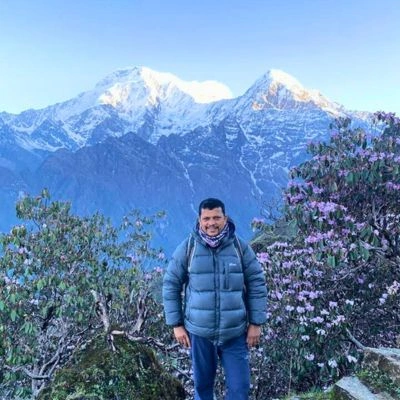
Larkya La Pass (5,106 meters) is the highest and most challenging point of the legendary Manaslu Circuit Trek in Nepal. Choosing the right season to cross this high Himalayan pass is crucial for safety, mountain visibility, trail conditions, and overall trekking experience.
While the Manaslu region remains one of Nepal’s most remote and authentic trekking destinations, weather conditions at high altitude can change rapidly. Snowstorms, freezing temperatures, and poor visibility can make crossing Larkya La dangerous during the wrong season.
For most trekkers, spring and autumn are considered the best times for Larkya La Pass because they provide stable weather, breathtaking Himalayan panoramas, and safer crossing conditions.
This guide covers:
-
the best trekking seasons
-
monthly weather patterns
-
temperatures at Larkya La Pass
-
safety considerations
-
photography conditions
-
seasonal trekking pros and cons
-
expert local insights
WHY TIMING MATTERS FOR LARKYA LA PASS
Larkya La Pass sits at an altitude of 5,106 meters between Dharmasala and Bimthang on the Manaslu Circuit. Due to its high elevation, weather conditions directly affect:
-
snow accumulation
-
trail safety
-
avalanche risk
-
visibility
-
oxygen levels
-
crossing success rates
During poor weather, the pass can become extremely dangerous due to:
-
icy trails
-
heavy snowfall
-
whiteout conditions
-
strong winds
-
freezing temperatures
This is why selecting the correct trekking season is one of the most important decisions for the Manaslu Circuit Trek.
BEST SEASON FOR LARKYA LA PASS
Spring (March to May) – One of the Best Seasons
Spring is considered one of the best times for the Manaslu Circuit Trek and crossing Larkya La Pass.
Why spring is ideal:
-
stable weather
-
blooming rhododendron forests
-
longer daylight hours
-
warmer temperatures
-
excellent visibility
Temperature at Larkya La Pass:
-
daytime: -5°C to 8°C
-
nighttime: -10°C to -15°C
Best for:
-
first-time high-altitude trekkers
-
photography
-
mountain visibility
-
comfortable trekking conditions
Autumn (September to November) – The Best Overall Season
Autumn is widely regarded as the best season for Larkya La Pass due to dry trails, crystal-clear skies, and stable mountain weather.
Advantages:
-
lowest rainfall
-
sharp Himalayan views
-
safer trail conditions
-
ideal temperatures
-
peak trekking season in Nepal
Temperature:
-
daytime: -3°C to 10°C
-
nighttime: -8°C to -12°C
This is the most popular trekking season for the Manaslu Circuit.
Winter (December to February)
Winter trekking is possible but significantly more difficult.
Challenges include:
-
heavy snowfall
-
blocked passes
-
extreme cold
-
icy trails
-
increased weather risk
Temperatures can drop below:
-15°C to -25°C near the pass.
Winter is recommended only for experienced trekkers with proper gear and experienced guides.
Monsoon (June to August)
Monsoon is generally the least recommended season.
Conditions include:
-
heavy rain
-
landslides
-
slippery trails
-
poor visibility
-
leeches in lower regions
Cloud cover also reduces mountain visibility significantly.
However, the region becomes lush and green, offering a quieter trekking experience.
BEST MONTH FOR LARKYA LA PASS
| Month Trekking Conditions Recommendation | on | |
|---|---|---|
| March | Cold but stable | Good |
| April | Excellent visibility | Highly Recommended |
| May | Warm and scenic | Highly Recommended |
| June | Rain begins | Moderate |
| July | Heavy monsoon | Not Recommended |
| August | Wet trails | Not Recommended |
| September | Fresh mountain views | Excellent |
| October | Peak trekking season | Best Overall |
| November | Stable weather | Excellent |
| December | Increasing snowfall | Moderate |
| January | Harsh winter | Difficult |
| February | Cold with snow risk | Moderate |
BEST TIME FOR CLEAR MOUNTAIN VIEWS
October and November typically offer the clearest mountain panoramas on the Manaslu Circuit.
Trekkers can enjoy views of:
-
Manaslu
-
Himlung Himal
-
Cheo Himal
-
Annapurna II
-
Kang Guru
Morning crossings usually provide the clearest skies before afternoon cloud buildup.
SAFEST TIME TO CROSS LARKYA LA PASS
The safest trekking windows are:
-
mid-March to May
-
late-September to mid-November
During these periods:
-
snowfall risk is lower
-
visibility improves
-
rescue access is easier
-
trails remain more stable
WHAT TO PACK FOR LARKYA LA PASS
Essential gear includes:
-
insulated down jacket
-
thermal layers
-
waterproof gloves
-
trekking poles
-
microspikes (spring/winter)
-
UV sunglasses
-
sleeping bag (-15°C rated)
-
high-altitude trekking boots
Weather can change rapidly above 5,000 meters.
EXPERT LOCAL TIPS
-
Start crossing before sunrise for safer snow conditions.
-
Acclimatize properly at Samagaun and Samdo.
-
Always trek with a licensed guide in the Manaslu region.
-
Avoid crossing during heavy snowfall forecasts.
-
Carry layers even during autumn because temperatures drop quickly.
FAQS
What is the best month for Larkya La Pass?
October is generally considered the best month due to stable weather, dry trails, and excellent visibility.
How difficult is Larkya La Pass?
Larkya La Pass is considered a challenging high-altitude Himalayan pass requiring good fitness and acclimatization.
Can beginners do the Manaslu Circuit Trek?
Yes, beginners with proper preparation, guides, and acclimatization can complete the trek successfully.
Is Larkya La Pass dangerous?
The pass can become dangerous during snowstorms, winter conditions, or poor acclimatization.
How cold is Larkya La Pass?
Temperatures can drop below -15°C during colder months, especially before sunrise.
Need Help? Call Us
Need Help? Call Us+9779851013072