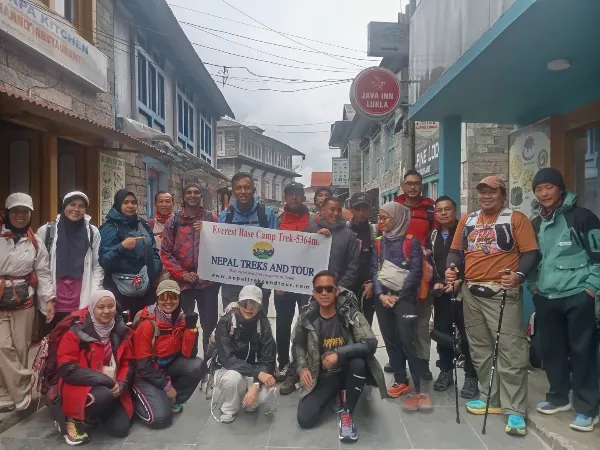
The idea of trekking toward Mount Everest sounds intimidating to many travelers. Images of icefalls, extreme climbers, and rescue helicopters often blur the line between climbing Everest and trekking to Everest Base Camp.
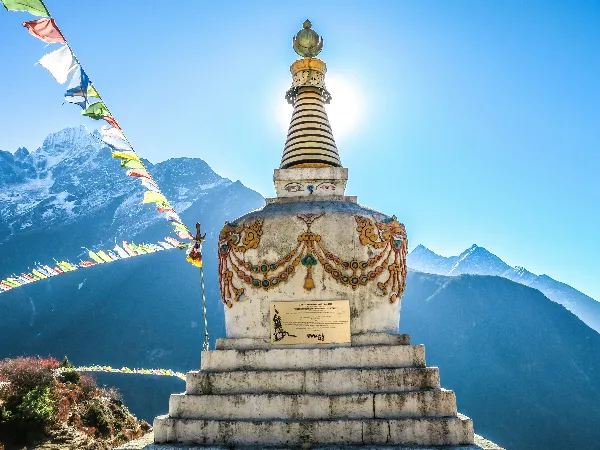
In reality, the Everest Base Camp trek exists in a completely different category from summit expeditions. You are not climbing Everest itself. You are following a high-altitude trekking route through the Khumbu Region, staying in mountain tea houses, crossing suspension bridges, and gradually ascending toward one of the most iconic destinations in the Himalayas.
Still, the trek carries real risks that should not be underestimated.
The danger is not technical mountaineering. The real challenge is altitude, combined with fatigue, weather exposure, and poor decision-making.
This guide breaks down the actual dangers of the Everest Base Camp trek, what experienced trekkers worry about most, how safe the route really is in 2026, and what smart trekkers do differently to dramatically reduce risk.
Is the Everest Base Camp Trek Actually Dangerous?
For most healthy and reasonably fit people, the Everest Base Camp trek is challenging but manageable.
The route is considered a high-altitude trek rather than a technical climbing expedition. Thousands of trekkers complete it successfully every year with no serious problems.
However, the phrase “safe if prepared” matters enormously here.
The majority of serious incidents on the EBC trail are linked to:
- altitude sickness,
- rushing the itinerary,
- dehydration,
- exhaustion,
- or ignoring warning signs.
A critical distinction many first-time trekkers miss is this: Everest Base Camp is physically demanding because of elevation, not because the terrain requires climbing expertise.
That single distinction changes how you should prepare.
Everest Base Camp Trek Danger Chart
| Factor |
Risk Level |
Reality |
| Altitude sickness |
High |
Biggest danger on the trek |
| Trail difficulty |
Moderate |
Long hiking days, not technical climbing |
| Weather |
Moderate |
Rapid mountain changes possible |
| Lukla flights |
Moderate |
Weather-related delays common |
| Avalanches |
Low on standard route |
Rare but possible in some sections |
| Fatality risk |
Relatively low |
Most trekkers complete safely |
The Biggest Danger: Altitude Sickness
Altitude sickness is the most serious and common risk on the Everest Base Camp trek.
As trekkers climb above 3,000 meters, oxygen levels decrease significantly. At Everest Base Camp itself, oxygen availability is roughly half of sea-level conditions.
This is why even experienced athletes can struggle.
Why Altitude Affects So Many Trekkers
The human body needs time to adapt to reduced oxygen pressure. When ascent happens too quickly, the body cannot acclimatize properly.
Common symptoms include:
- headaches,
- nausea,
- dizziness,
- fatigue,
- appetite loss,
- poor sleep.
Mild altitude sickness is common. Severe altitude sickness is dangerous.
The two major life-threatening conditions are:
These conditions require immediate descent.
The Most Dangerous Mistake Trekkers Make
The most common dangerous behavior on the EBC trail is continuing upward despite worsening symptoms.
Many trekkers become emotionally committed to reaching base camp and ignore warning signs.
Experienced guides in Namche Bazaar often say the safest trekkers are not the strongest athletes. They are the people willing to slow down, rest, or descend when necessary.
That mindset dramatically reduces risk.
The Everest Base Camp trek is moderately physically demanding, but the altitude makes it feel much harder than normal hiking.
Most trekking days involve:
- 5–8 hours of walking,
- steep uphill sections,
- rocky terrain,
- long descents,
- cold mornings and nights.
The challenge accumulates gradually.
A person may handle a steep hill at low altitude comfortably, then struggle walking slowly at 5,000 meters because oxygen efficiency drops dramatically.
You Do Not Need Climbing Experience
One of the biggest misconceptions about Everest Base Camp is that it requires ropes, ice axes, or mountaineering training.
It does not.
The standard trekking route is non-technical.
You do not climb glaciers or vertical ice walls during the classic EBC trek.
That said, basic trekking fitness matters greatly. People who regularly hike, walk long distances, or train cardio beforehand tend to enjoy the experience far more.
Are Lukla Flights Dangerous?
Flights into Tenzing-Hillary Airport are considered one of the more stressful parts of the journey, mainly because of terrain and weather conditions.
The airport sits in mountainous terrain with:
- a short runway,
- rapidly changing weather,
- and limited visibility conditions.
Pilots operating this route are specially trained for Himalayan mountain flying.
While the airport has a dramatic reputation online, modern aviation oversight and experienced local pilots have improved safety significantly over the years.
The more common problem for trekkers is not crashes but delays and cancellations caused by weather.
Weather Risks in the Everest Region
Mountain weather in the Himalayas changes quickly.
Even during peak trekking seasons, conditions can shift from sunny to snowy within hours.
Trekkers may face:
- snowstorms,
- freezing nights,
- icy trails,
- strong winds,
- reduced visibility.
The safest trekking seasons are generally:
- March to May,
- late September to November.
These months usually provide the best balance of:
- visibility,
- stable temperatures,
- and safer trail conditions.
Winter trekking is possible but substantially colder. Monsoon trekking increases landslide and flight disruption risks.
The Psychological Challenge Few People Expect
One of the least discussed aspects of the Everest Base Camp trek is mental fatigue.
The combination of:
- thin air,
- cold temperatures,
- physical exhaustion,
- poor sleep,
- and long trekking days
can become psychologically draining.
Trekkers often underestimate how emotionally exhausting high altitude can feel.
This is why pacing matters psychologically as much as physically.
Experienced trekkers rarely “race” to base camp. They conserve energy and treat acclimatization days seriously.
How Safe Is Everest Base Camp Compared to Other Adventures?
| Adventure |
Relative Risk |
| Local hiking trails |
Lower risk |
| Everest Base Camp trek |
Moderate risk |
| Kilimanjaro summit |
Similar altitude risk |
| Technical alpine climbing |
Higher risk |
| Everest summit expedition |
Extremely higher risk |
This comparison matters because many people confuse trekking to Everest Base Camp with climbing Everest itself.
These are completely different activities.
An Everest summit expedition involves:
- technical climbing,
- extreme altitude,
- icefall crossings,
- oxygen systems,
- avalanche danger,
- and severe weather exposure.
The EBC trek is fundamentally a trekking experience.
How to Make the Trek Much Safer
Acclimatize Properly
The safest itineraries include acclimatization days in places like:
Skipping these days to save time is one of the worst decisions trekkers make.
Hydration Matters More Than Most People Realize
Dehydration worsens altitude symptoms dramatically.
Experienced guides consistently encourage trekkers to drink more water than feels necessary.
Trek Slowly
At altitude, speed becomes dangerous.
A slow trekking pace improves:
- oxygen adaptation,
- energy conservation,
- recovery,
- and overall success rates.
Listen to Your Body Early
A mild headache at altitude is common.
A worsening headache combined with nausea, dizziness, or confusion is not something to “push through.”
Descending early is often the smartest decision.
Travel With Experienced Guides
Professional trekking agencies and local Sherpa guides bring enormous value through:
- route management,
- weather awareness,
- altitude monitoring,
- emergency coordination.
This becomes especially important for first-time Himalayan trekkers.
Should Beginners Attempt Everest Base Camp?
Yes — many first-time trekkers complete Everest Base Camp successfully.
The key difference is preparation.
Beginners who train consistently for several months often perform better than overconfident experienced hikers who underestimate altitude.
Good preparation usually includes:
- cardio training,
- hiking practice,
- stair climbing,
- endurance conditioning,
- and realistic pacing expectations.
Common Mistakes That Increase Danger
Rushing the Trek
Short itineraries increase altitude risk significantly.
Ignoring Symptoms
Many emergency evacuations happen because trekkers delay descent too long.
Poor Gear Choices
Inadequate:
- boots,
- insulation,
- gloves,
- sleeping systems
can turn manageable conditions into dangerous ones.
Underestimating Cold Temperatures
Even when daytime temperatures feel comfortable, nights at higher elevations become extremely cold.
FAQ Section
Is Everest Base Camp safe for beginners?
Yes, many beginners complete the trek safely each year with proper preparation, acclimatization, and pacing.
What is the biggest danger on the Everest Base Camp trek?
Altitude sickness is the primary risk. Most serious medical incidents on the route are altitude-related.
Do people die on the Everest Base Camp trek?
Fatalities are relatively uncommon compared to the number of annual trekkers, but they do occur, usually due to altitude complications or pre-existing health issues.
Is the Everest Base Camp trek harder than Kilimanjaro?
Many trekkers find Everest Base Camp easier in terms of daily pacing because acclimatization happens gradually. However, the trek is longer overall.
Can you do Everest Base Camp without a guide?
Yes, independent trekking is possible under current Nepal trekking regulations depending on route requirements, but guides significantly improve safety and logistics.
What fitness level is needed for Everest Base Camp?
Moderate cardiovascular fitness and the ability to hike multiple consecutive days are usually sufficient.
The Everest Base Camp trek is not “extremely dangerous,” but it absolutely deserves respect. Most trekkers who approach the experience intelligently — with proper acclimatization, realistic pacing, good fitness, and awareness of altitude risks — complete the journey safely and successfully. The real danger comes less from the mountain itself and more from poor preparation, rushed itineraries, and ignoring the body’s warning signs.
For many travelers, the trek becomes one of the most meaningful adventures of their lives precisely because it demands patience, humility, endurance, and respect for the Himalayas.
And that is what makes reaching Everest Base Camp feel unforgettable.
Before booking your trek, research:
- ideal trekking seasons,
- acclimatization itineraries,
- travel insurance coverage,
- gear preparation,
- and reputable local trekking operators in Nepal.
A well-planned Everest Base Camp trek is dramatically safer — and far more enjoyable — than a rushed one.