The Everest Base Camp Trek is a moderately challenging journey that tests endurance due to high altitude and long walking days, rather than technical climbing. Reaching up to 5,364 meters at Everest Base Camp, the trek requires proper acclimatization and good physical fitness. The typical itinerary lasts around 12–14 days, starting from Kathmandu with a flight to Lukla, and passing through famous villages like Namche Bazaar and Tengboche before reaching the base of Mount Everest.

Everest Base Camp Trek: Difficulty, Itinerary & Duration Explained
The Everest Base Camp trek is one of the most famous trekking adventures in the world. Every year, thousands of people travel here not only to reach the base of the world’s highest mountain but also to experience something very special walking through the Himalayas, meeting local people, and seeing huge snow-covered peaks up close.
What makes this trek so popular is not just the destination, but the journey itself. It feels like walking inside a living postcard where every day looks different from the last.
Before starting, most people have simple but important questions. They want to know how hard it is, how many days it takes, and what exactly makes it challenging.
This guide explains everything in very easy English so anyone can understand it clearly, even if it is their first big trek.
Everest Base Camp Trek Difficulty Overview
The Everest Base Camp trek is not a technical climbing route. That means you do not need ropes, helmets for climbing, or mountaineering training. You do not have to “climb” in the usual sense—you only walk.
But even though it is walking, it still feels challenging because of something very important: altitude.
As you go higher into the Himalayas, the air slowly becomes thinner. This means your body gets less oxygen with every breath. At lower places, your body works normally, but at higher places, even simple walking can feel tiring.
This change does not happen suddenly. It happens step by step as you go up. That is why many people feel slower and more tired than they expected.
Some trekkers may also feel something called Acute Mountain Sickness. This can feel like a mild headache, loss of appetite, tiredness, or slight dizziness. It is not rare, and it is one of the main reasons why trekkers are advised to walk slowly.
Because of this, the Everest Base Camp trek is not about speed or strength. It is about patience, steady walking, and listening to your body.
Most people describe it as a long, peaceful journey where you keep moving forward step by step, rather than a difficult race.
Everest Base Camp Trek Highlights
One of the best parts of this trek is how the scenery keeps changing every day.
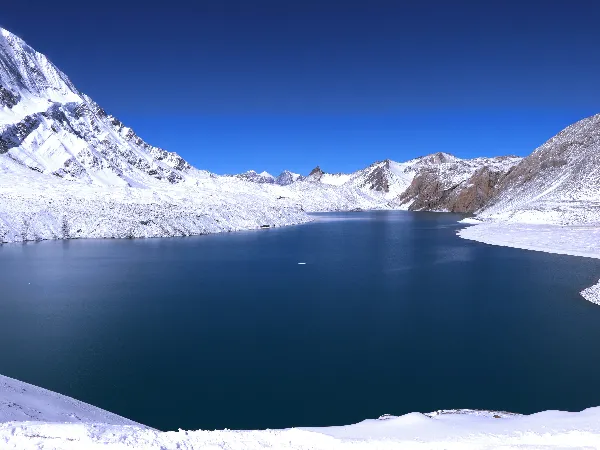
At the beginning, you walk through green forests, rivers, and small villages. Later, you see big mountains, open valleys, and wide landscapes.
Namche Bazaar feels lively and full of energy. Tengboche feels calm and spiritual. Higher places feel quiet, powerful, and almost otherworldly.
And finally, reaching Everest Base Camp is the biggest highlight. It feels like standing in the middle of a giant mountain world.
Everest Base Camp Trek Duration (How Long It Really Takes)
Most people take around 12 to 14 days to complete the Everest Base Camp trek safely and comfortably.
This time includes walking days as well as rest days. These rest days are not free time—they are very important. They help your body slowly adjust to higher altitude so you can breathe better and feel stronger as you go up.
If someone tries to complete the trek in fewer days, it may sound faster or easier, but it actually increases the risk of altitude sickness. The body needs time to adapt, and rushing can make the trek harder instead of easier.
That is why most well-planned routes are designed to be slow, steady, and safe.
In simple words, more days on the trail actually make the trek easier, not harder.
Everest Base Camp Trek Itinerary
The journey usually begins with a short and exciting flight to Lukla. Lukla is a small mountain airport surrounded by tall hills and deep valleys. This flight itself feels like an adventure.
From Lukla, the walking journey begins.
At the start, the trail feels green and lively. You walk through small villages, cross long suspension bridges, and follow rivers that flow down from the mountains. The air is still relatively warm and fresh.
After a couple of days, you reach Namche Bazaar. This is one of the most important stops on the trek. It is a busy mountain town where trekkers rest, eat well, and allow their bodies to adjust to the higher altitude. It feels like a small marketplace built inside the mountains.
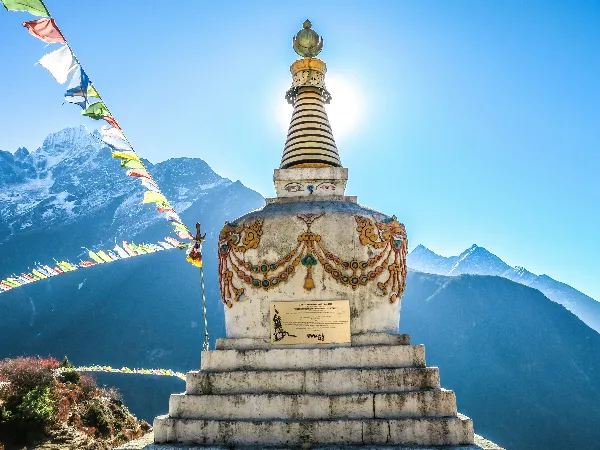
From Namche, the trail continues upward. You reach Tengboche, a quiet place known for its beautiful monastery surrounded by mountains. Many people feel peaceful here because of the calm environment.
Next comes Dingboche. This is another important stop where trekkers take rest to help their body adjust further. The landscape is already changing here—trees become fewer, and the mountains start looking bigger and closer.
As you go higher, everything changes. The forests slowly disappear, and the land becomes dry, rocky, and cold. The walking path becomes more open, and the air feels thinner.
Even though walking becomes slower, the views become more powerful and dramatic.
Finally, you reach Everest Base Camp, standing near the giant peak of Mount Everest. This moment feels special because you have walked for many days to reach this point.
After spending time there, you return the same way. Interestingly, the return journey feels easier because you are going down and getting more oxygen.
Key Difficulty Factors Explained (EBC Trek Conditions)
Duration (How Long You Are on the Trail)
The trek takes about 12 to 14 days. This long duration is not a problem—it is actually a safety feature. It gives your body enough time to adjust slowly instead of forcing it to change too quickly.
Steepness (How Hard the Path Feels)
The path is not like mountain climbing. There are no ropes or dangerous vertical sections. But there are many uphill walks, stone steps, and long ascents.
Because you walk slowly, even steep sections become manageable. The difficulty comes more from how long you walk rather than how steep it is.
Elevation (Why Breathing Feels Hard)
Elevation is the biggest reason the trek feels difficult.
As you go higher in the Himalayas, oxygen levels drop. Your body has to work harder just to breathe and move. This is why even simple walking can feel tiring at higher places.
Weather and Temperature (What Conditions Feel Like)
The weather in the mountains can change very quickly.
At lower altitudes, the weather feels mild and comfortable. But as you go higher, it becomes cold, especially at night. Near higher camps, temperatures can drop close to freezing or even below.
This is why warm clothing is very important on the trek.
AMS (Altitude Sickness Risk)
Acute Mountain Sickness happens when your body cannot adjust quickly enough to lower oxygen levels.
It can feel mild, but it should always be taken seriously. That is why trekkers walk slowly, drink water, and take rest days.
The good news is that with proper pacing, most people can avoid serious problems.
Is the Everest Base Camp Trek Beginner-Friendly?
Yes, it is suitable for beginners.
You do not need trekking experience. You only need patience, basic fitness, and a willingness to walk slowly for many days.
The most important rule is simple: do not rush. Walk at your own pace, rest when needed, and enjoy the journey.
This trek is not about being fast or strong. It is about consistency, effort, and enjoying every step of the way.
The Everest Base Camp trek is a life-changing journey. It is not just about reaching a destination, but about experiencing nature, culture, and personal endurance. The difficulty comes mainly from altitude, not walking speed. The itinerary is long but safe. The duration is designed to help your body adjust properly. In the end, standing near the world’s highest mountain, Mount Everest, is something very few experiences in life can match. With patience and preparation, this journey becomes not just possible, but unforgettable.
FAQs
How difficult is the Everest Base Camp trek?
- The Everest Base Camp trek is moderately difficult. It is not a technical climb, but altitude and long walking days make it challenging for beginners.
How many days does the Everest Base Camp trek take?
- The trek usually takes around 12 to 14 days, including rest days for acclimatization to prevent altitude sickness.
What is included in the Everest Base Camp trek itinerary?
- The itinerary includes walking through villages like Lukla, Namche Bazaar, Tengboche, Dingboche, and finally reaching Everest Base Camp, with rest days in between.
What is the biggest challenge in the Everest Base Camp trek?
- The biggest challenge is altitude. As you go higher in the Himalayas, oxygen levels drop, making walking more tiring.
Can beginners complete the Everest Base Camp trek?
- Yes, beginners can complete it with proper preparation, slow walking, and good acclimatization. It does not require climbing skills.
What is the highest elevation on the Everest Base Camp trek?
- The highest point is Everest Base Camp at about 5,364 meters (17,598 feet).
What kind of weather can I expect on the Everest Base Camp trek?
- The weather changes quickly. Lower regions are mild, while higher areas in the Himalayas can be very cold, especially at night.
What is Acute Mountain Sickness (AMS) on this trek?
- Acute Mountain Sickness is a condition caused by low oxygen at high altitude. Symptoms include headache, dizziness, and fatigue, which is why slow ascent is important.
What fitness level is required for the Everest Base Camp trek?
- You don’t need to be an athlete, but you should have basic fitness. Being able to walk 5–7 hours a day comfortably and handle uphill walking is important for completing the trek.
Is it safe to do the Everest Base Camp trek?
- Yes, the Everest Base Camp trek is generally safe when done with proper pacing, rest days, and acclimatization. The main risk is altitude sickness, which can be managed by going slowly.
Need Help? Call Us

Need Help? Call Us+9779851013072