The Trekking Trap: How Tourism Sold You Half a Country
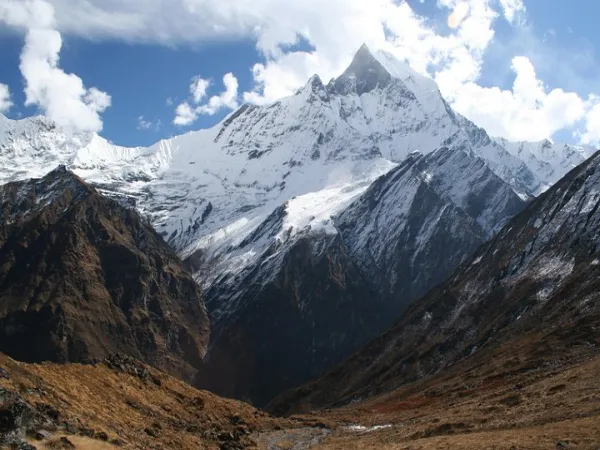
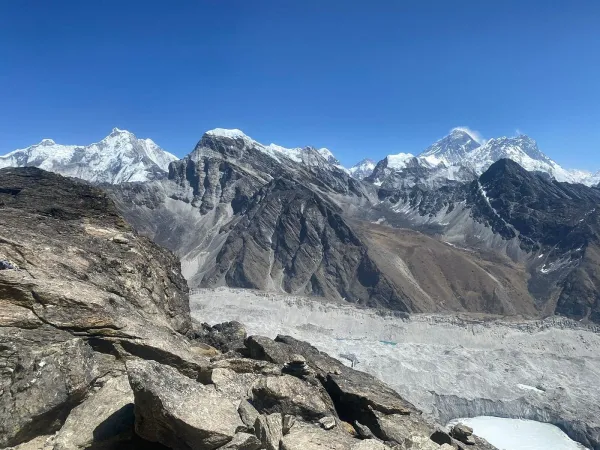
The global image of Nepal was built largely by mountaineers Edmund Hillary, Tenzing Norgay, and the wave of foreign adventurers who followed. Decades of trekking agencies, travel magazines, and now Instagram reels have reinforced a single, profitable narrative: Nepal = mountains + hiking boots.
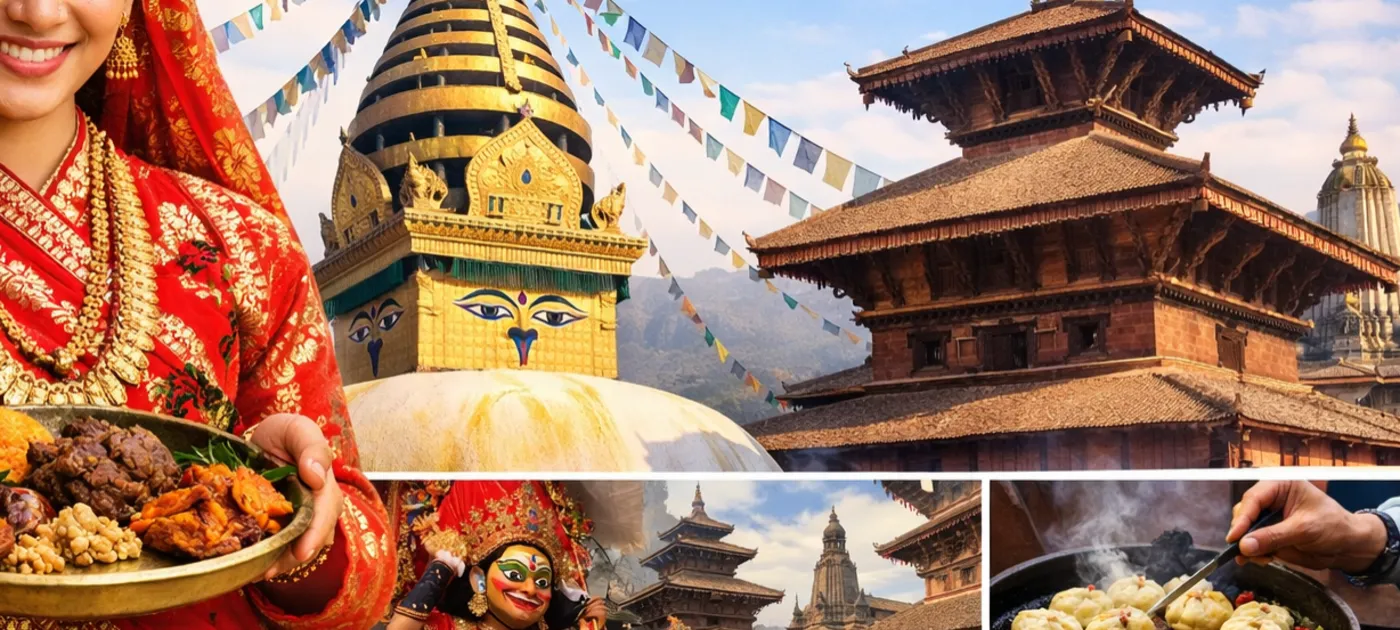
The result? Thousands of tourists flood the Everest Base Camp trail every year, while the ancient streets of Bhaktapur sit quietly undervisited. Thousands queue for permits to climb while entire valleys of Newari architecture, centuries-old temples, and living festivals go unnoticed.
Nepal's own government is now actively pushing back against this. Its 2025 tourism strategy is built around a deliberate move to position the country not just as a trekking destination, but as a year-round hub for cultural, wellness, and educational tourism. Even Nepal saw a 20% rise in food tours in recent years, with travelers increasingly hungry literally for something beyond the trail.
The mountains will always be there. But here's what most visitors never discover.
1. The Food Alone Is Worth the Plane Ticket
Let's start with something every traveler understands: hunger.
Most tourists eat dal bhat (lentil soup and rice), maybe grab momos (dumplings) in Thamel, and call it authentic. That's like going to Italy and only eating pasta from a tourist menu near the Colosseum.
Nepali cuisine is a layered, regional masterpiece that most visitors never explore:
- Newari cuisine the ancient food culture of the Kathmandu Valley includes dishes like chatamari (rice crepe), bara (lentil pancake), and yomari (sweet steamed dumpling) that have been made the same way for over a thousand years.
- Thakali cuisine from the Mustang region is a high-altitude comfort food tradition built around buckwheat, highland herbs, and clarified butter that will make you question every meal you've had before.
- Sel roti a crispy, ring-shaped rice bread fried fresh during festivals is the kind of street food that ruins you for everything else.
Food tours in Nepal are now among the fastest-growing travel experiences in the country. If your Nepal itinerary doesn't include a food walk through Asan Bazaar or a Newari feast in Patan, you haven't eaten Nepal yet.
2. Nepal Has More Festivals Than Most Countries Have Holidays
Nepal is known as the "Land of Festivals" and it earns that title. Over 50 festivals are celebrated here every single year. That's not a figure from a tourism brochure; it's just the reality of living in a country where Hindu, Buddhist, Newari, Tibetan, and indigenous traditions all coexist and celebrate simultaneously.
Here's what travelers miss by not timing their visit around festivals:
Indra Jatra (September) Kathmandu's biggest street festival. A living goddess (the Kumari) rides through the city on a chariot while thousands line the streets. Ancient masked dances, sacred rituals, and more energy than any music festival I've ever seen.
Tihar (October/November) Nepal's Festival of Lights. Homes are outlined in oil lamps and marigold strings. Streets glow. The five-day celebration honors everything from crows to dogs to brothers, and the atmosphere in local neighborhoods not Thamel is genuinely magical.
Bisket Jatra in Bhaktapur A chariot-pulling festival so dramatic, so physically intense, that watching it feels like witnessing something that hasn't changed in 500 years. Because it hasn't.
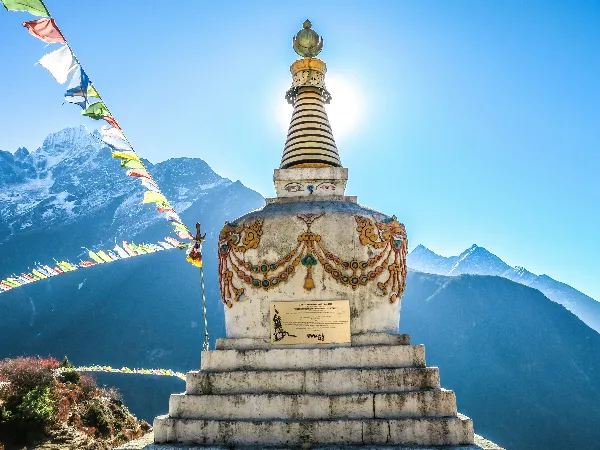
Mani Rimdu in the Everest region Buddhist monks in vibrant masks perform sacred dances representing the victory of good over evil, with the Himalayas as the backdrop. And yet most trekkers walk right past it on their way to base camp.
A single week during a major festival will teach you more about Nepal than a month on any trail.
3. The Cities Are Living Museums — and Nobody Talks About Them
Every traveler passes through Kathmandu. Most stay in Thamel, complain it's chaotic, and leave for the mountains within 48 hours.
That is a tragedy.
The Kathmandu Valley contains seven UNESCO World Heritage Sites within roughly 15 kilometers of each other. Not ruins. Not reconstructions. Living, functioning sacred sites where people worship, trade, and go about daily life exactly as they have for centuries.
Bhaktapur is arguably the best-preserved medieval city in all of Asia. Its Durbar Square, built and refined by the Malla kings between the 12th and 18th centuries, is a place where potters still shape clay on hand-turned wheels in the same square where it's been done for 600 years. You can sit there with a cup of juju dhau (the famous Bhaktapur yogurt) and watch it happen.
Patan (Lalitpur) is a city so dense with temples, courtyards, and intricately carved wooden architecture that navigating its backstreets feels like stumbling through a living art museum. Its Durbar Square alone contains more historical detail than most capital cities' entire old quarters.
Lumbini the birthplace of the Buddha, sits quietly in the Terai plains, visited by pilgrims from across Asia but largely overlooked by Western tourists racing to the mountains. Walking through the Sacred Garden at sunrise, surrounded by prayer flags and the silence of ancient ground, is one of the most profound experiences Nepal offers.
None of this requires a single permit, a porter, or altitude medicine.
4. The Culture Is Alive — Not Archived
Here's what separates Nepal from most "cultural destinations": the culture isn't performed for tourists. It's just life.
When Tihar arrives, families don't light lamps because a tourist might photograph it. They light lamps because they always have. When the Kumari goddess appears during Indra Jatra, she isn't appearing for the crowd, she's fulfilling a role that has been part of Kathmandu's spiritual structure for centuries.
Nepal is home to over 120 ethnic groups, each with its own language, food, dress, and traditions. The Newars of the valley, the Sherpas of the mountains, the Tharus of the Terai, the Gurungs and Magars of the hills, these are not footnotes in a cultural guidebook. They are living, breathing civilizations with distinct identities that a week in Thamel will never reveal.
Travelers who slow down, eat with families, wander into local neighborhoods during festivals, or stay in a community homestay consistently describe Nepal as one of the most unexpectedly rich cultural experiences of their lives.
Not because of the mountains. But despite focusing only on them.
5. What You Actually Miss When You Only Trek
Let me be direct: if you come to Nepal, spend two weeks on a trekking route, and fly home, you will have had a beautiful experience. The mountains are real. The views are earned. The physical challenge is genuine.
But you will have missed:
- The smell of incense and marigolds during morning puja at Pashupatinath
- The chaos and joy of a street festival that shuts down an entire city
- The taste of a Newari feast that took three days to prepare
- A conversation with a local artisan in Bhaktapur whose family has been making the same bronze statues for 12 generations
- Watching the sun set behind the Himalayas from a city rooftop, cold Everest beer in hand, surrounded by people who actually live there
The mountains are Nepal's frame. But the culture, the food, the cities, and the festivals, that's the painting inside.
Nepal is one of the most layered, complex, and genuinely fascinating countries on earth. It has been made small in the imagination of the world, reduced to a trekking destination, a backdrop for adventure photography, a bucket-list item measured in altitude.
It deserves better than that.
Come for the mountains if you must. But stay for the rest of it. Walk the backstreets of Bhaktapur at dusk. Eat chatamari in a Newari courtyard. Watch a goddess ride through Kathmandu on a chariot.
That's not the "other side" of Nepal. That is Nepal.
And from someone who has lived here their entire life: it is more than worth your time.
Based in Kathmandu? Have a Nepal experience that surprised you? Share it in the comments below.