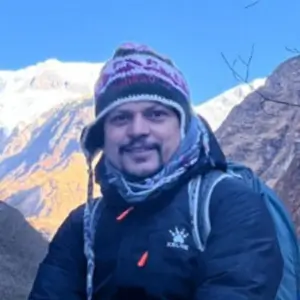
The best Everest Base Camp Trek packing list includes layered clothing, waterproof hiking boots, a warm sleeping bag, trekking poles, hydration gear, basic first aid, and essential documents. The key is packing light while staying prepared for cold temperatures, high altitude, and changing mountain weather.
Everest Base Camp Trek Packing List (2026 Complete Guide for Beginners)
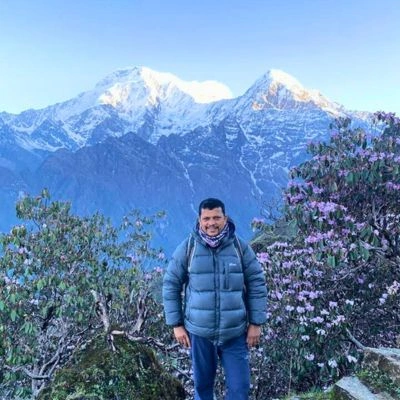
Planning the Everest Base Camp trek? One of the biggest mistakes first-time trekkers make is either overpacking or forgetting important essentials.
The good news?
You do not need expensive gear or too many clothes.
You simply need a smart, lightweight, and practical packing list that keeps you warm, safe, and comfortable during the trek.
This guide covers the complete Everest Base Camp Trek packing list for 2026
Why Your Packing List Matters for Everest Base Cam
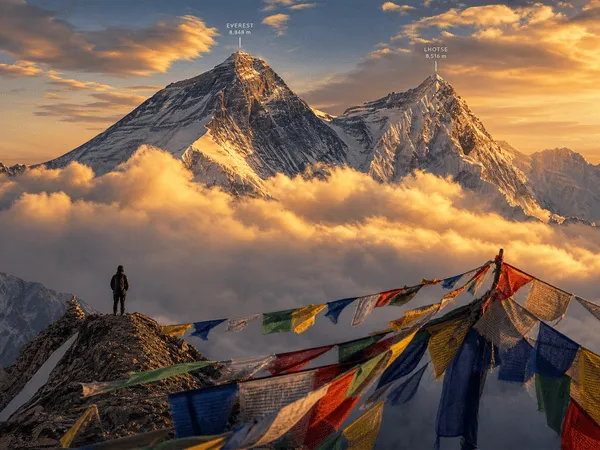
The Everest Base Camp trek reaches over 5,364 meters, where weather conditions can change very quickly.
You may experience:
- Cold mornings
- Strong winds
- Dusty trails
- Snowfall
- Intense sun exposure
That is why smart packing is extremely important.
👉 Good packing = safer and more comfortable trekking.
Bags & Trekking Gear
Daypack (30–40L)
This is the bag you carry yourself every day.
Use it for:
- Water bottles
- Snacks
- Jacket layers
- Passport & documents
- Camera & electronics
👉 Choose a lightweight backpack with good shoulder support.
Duffel Bag (80–100L)
Your main trekking gear goes here.
Usually carried by porters and often provided by trekking agencies.
Pack:
- Extra clothes
- Sleeping bag
- Toiletries
- Backup items
Sleeping Bag
Temperatures can drop below freezing at higher altitudes.
Choose:
- Warm sleeping bag rated around -10°C to -20°C
Very important for cold nights in places like Gorakshep.
Trekking Poles
Highly recommended.
They help:
- Reduce knee pressure
- Improve balance
- Make steep descents easier
Especially useful during downhill sections.
Headlamp
Essential for:
- Early morning hikes
- Power cuts
- Night bathroom trips
Bring:
- Extra batteries
Dry Bags
Very useful for keeping:
- Clothes dry
- Electronics protected
- Gear organized
Mountain weather changes quickly.
Clothing & Footwear
Base Layers
Bring:
- 2 thermal tops
- 2 thermal bottoms
Best materials:
- Merino wool
- Moisture-wicking fabric
❌ Avoid cotton.
Mid Layers
Carry:
- 1–2 fleece jackets
- OR
- Lightweight down jackets
These provide warmth during colder evenings.
Outer Layer
Bring:
- Waterproof jacket
- Waterproof trekking pants
Weather in the Himalayas can change suddenly.
Trekking Pants
Carry:
-
2 pairs quick-drying hiking pants
Choose comfortable and lightweight materials.
Hiking Shirts
Bring:
- 3–4 moisture-wicking shirts
Long sleeves are helpful for:
- Sun protection
- Cold mornings
Footwear
Most Important Gear Item
Bring:
- Waterproof hiking boots
- Comfortable camp shoes or trainers
👉 Important:
Your boots should be fully broken-in before the trek.
Never use brand-new boots on the trail.
Socks
Bring:
- 3–4 pairs merino wool hiking socks
- 1–2 warm camp socks
Good socks help prevent blisters.
Headwear
Carry:
- Warm beanie
- Sun hat
- 2 Buffs or neck gaiters
Buffs are extremely useful for:
- Dusty trails
- Wind
- Cold mornings
Gloves
Bring:
- Thin glove liners
- Waterproof insulated outer gloves
Your hands get cold quickly at higher altitude.
Personal Care & Toiletries
Sun Protection
UV rays are much stronger in the mountains.
Carry:
- High SPF sunscreen
- SPF lip balm
- Sunglasses with UV protection
First Aid Kit
Keep basic medicine with you.
Recommended:
- Band-aids
- Blister tape (Leukotape)
- Ibuprofen
- Diamox (for altitude sickness)
- Personal medications
👉 Always consult your doctor before taking Diamox.
Toiletries
Bring:
- Toothbrush & toothpaste
- Travel towel
- Wet wipes
- Hand sanitizer
- Toilet paper
👉 Wet wipes are very useful when showers are unavailable.
Electronics
Power Bank
Charging devices in teahouses often costs extra money.
Bring:
- High-capacity power bank
Very useful for:
- Phones
- Cameras
- Headlamps
Universal Adapter
Nepal mainly uses:
- Plug types C, D, and M
Bring one universal adapter.
Headphones & Camera
Optional but useful.
Don’t forget:
- Extra batteries
- Memory cards
Cold weather drains batteries quickly.
Documents & Money
Passport & Visa
Carry:
- Original passport
- Visa copies
- Travel insurance copy
👉 Also keep digital backups on your phone/email.
Cash
Carry Nepalese Rupees.
You will need cash for:
- Snacks
- Charging
- WiFi
- Hot showers
👉 ATMs are very limited after Namche Bazaar.
Hydration & Snacks
Water Bottles
Bring:
- 2 reusable 1L water bottles
Recommended:
- Nalgene bottles
They can handle hot water during cold nights.
Water Purification
Avoid buying too many plastic bottles.
Use:
- Water purification tablets
- SteriPen
- Portable filter system
This saves money and reduces waste.
Energy Snacks
Carry lightweight snacks like:
- Protein bars
- Trail mix
- Chocolate
- Electrolyte tablets
Very useful between meals.
Common Packing Mistakes
Avoid these beginner mistakes:
- Overpacking unnecessary clothes
- Carrying heavy items
- Bringing brand-new boots
- Forgetting power bank
- Packing cotton clothing
- Not carrying enough warm layers
👉 Keep your backpack simple and practical.
Smart Packing Tips for Everest Base Camp
✅ Pack Light
Most trekkers bring too much.
You really only need:
- Layered clothing
- Essential gear
- Personal items
✅ Use Layers
Layering is better than carrying heavy jackets.
It helps you adjust easily to:
- Temperature changes
- Walking conditions
✅ Test Your Gear Before Trekking
Before arriving in Nepal:
- Wear your boots
- Test your backpack
- Practice using trekking poles
FAQ
How much weight should I carry on the Everest Base Camp Trek?
Your daypack should ideally stay around 5–8kg.
Do I need a sleeping bag for EBC?
Yes. Nights can become extremely cold at higher elevations.
Can I rent trekking gear in Kathmandu?
Yes. Many trekking shops in Kathmandu rent affordable trekking gear.
What is the most important item for EBC trekking?
Good waterproof hiking boots are the most important item.
Is laundry available during the trek?
Some teahouses offer laundry, but drying clothes can be difficult in cold weather.
Final Thoughts
Packing correctly for the Everest Base Camp trek can make a huge difference in your experience. You do not need luxury gear or expensive equipment.
You simply need:
- Smart layering
- Comfortable footwear
- Essential safety items
- Lightweight packing
👉 Keep it simple. Keep it practical. That is the real secret to successful trekking in Nepal.
Check out our complete Everest Base Camp Guide for detailed information about itinerary, difficulty level, best time to trek, altitude tips, packing essentials, permits, costs, and expert trekking advice for 2026.
Our full EBC guide will help you prepare better and make your Himalayan journey safe, easy, and unforgettable.
Need Help? Call Us
Need Help? Call Us+9779851013072