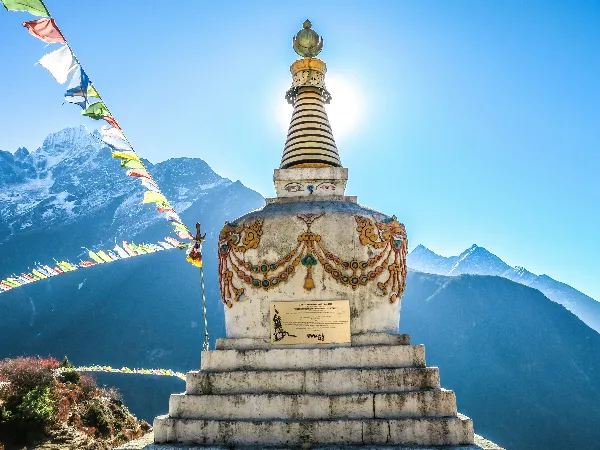

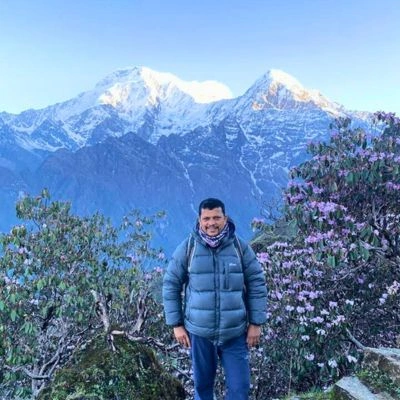
The Annapurna Base Camp Trek 10-Day All-Inclusive Package is one of the most rewarding Himalayan trekking experiences in Nepal. It takes you deep inside the Annapurna Sanctuary, surrounded by towering snow-covered peaks, traditional Gurung villages, dense rhododendron forests, waterfalls, and natural hot springs.
This trek is designed for travelers who want a complete Himalayan experience in a short time with everything arranged in advance—transportation, permits, hotels, meals during the trek, guide, porter, and logistics.
If you are looking for a balanced trek that combines mountain views, culture, comfort, and adventure, this is one of the best trekking routes in Nepal.
The journey leads you into the heart of the Annapurna region, surrounded by iconic peaks like Annapurna Base Camp, Machhapuchhre Base Camp, Annapurna I, and Machhapuchhre.
Why Choose The Annapurna Base Camp Trek?
The Annapurna Base Camp Trek is popular because it offers a complete Himalayan experience in a single journey.
You don’t just walk in the mountains—you pass through living villages, changing landscapes, river valleys, and glacier zones.
Unlike remote high-altitude expeditions, this trek offers:
- Comfortable tea house stays
- Easy food availability
- Well-marked trails
- Moderate difficulty level
- Strong cultural experience
It is ideal for beginners, couples, solo travelers, and experienced trekkers.
Top Highlights of ABC Trek
- Reach Annapurna Base Camp at 4,130m
- Walk inside the Annapurna Sanctuary
- Stunning sunrise over Himalayan peaks
- Natural hot springs at Jhinu Danda
- Traditional Gurung villages like Chhomrong
- Bamboo and rhododendron forest trails
- Close-up views of Annapurna South, Hiunchuli, Machhapuchhre
- Fully guided all-inclusive trekking experience
Annapurna Base Camp Trek 10 Days Itinerary
Day 1: Arrival in Kathmandu
Arrival at Tribhuvan International Airport. Our team will welcome you and transfer you to your hotel.
You can relax or explore Thamel for trekking preparation.
Overnight in Kathmandu
Day 2: Drive Kathmandu to Pokhara (6–7 hours)
Scenic drive to Pokhara through rivers, hills, and local villages.
Pokhara offers peaceful lakeside views and Annapurna mountain scenery.
Overnight in Pokhara
Day 3: Drive to Jhinu Danda & Trek to Chhomrong
Drive to Jhinu Danda and start trekking.
The trail climbs through stone steps, forests, and villages before reaching Chhomrong.
Chhomrong offers one of the best mountain views on the route.
Walking: 5–6 hours
Day 4: Chhomrong to Bamboo
Descend to Chhomrong Khola and climb into dense bamboo forest.
The environment becomes quieter and more natural as you enter deeper into the Annapurna region.
Walking: 5–6 hours
Day 5: Bamboo to Deurali
Gradual ascent through forest and valley landscapes.
The air becomes colder, and mountain views start opening up.
Pass Himalaya and Hinku Cave before reaching Deurali.
Walking: 4–5 hours
Day 6: Deurali to Annapurna Base Camp via MBC
The most important day of the trek.
First reach Machhapuchhre Base Camp, then continue to Annapurna Base Camp.
The landscape opens into a massive glacier basin surrounded by Himalayan giants.
Standing inside the sanctuary gives a full 360° mountain experience.
Walking: 5–6 hours
Day 7: ABC to Bamboo
Early morning sunrise over the Annapurna range before descending.
Return via MBC, Deurali, and forest trails.
Downhill walk becomes easier.
Walking: 7–8 hours
Day 8: Bamboo to Jhinu Danda & Drive to Pokhara
Trek down through forests to Jhinu Danda.
Optional hot spring bath helps relax your body.
Drive back to Pokhara.
Walking: 5–6 hours
Day 9: Drive Back to Kathmandu
Return to Kathmandu by tourist bus.
Free evening for shopping or rest.
Overnight in Kathmandu
Day 10: Final Departure
Transfer to airport for your international flight.
Trip ends with unforgettable Himalayan memories.
Difficulty Level
The Annapurna Base Camp Trek is a moderate trek.
It does not require technical climbing, but requires basic fitness.
Main challenges:
- Long walking hours
- Stone staircases
- Gradual altitude gain
- Uphill and downhill terrain
If you can walk 5–7 hours daily, you can complete this trek comfortably.
Best Time for ABC Trek
Spring (March–May)
- Rhododendron blooms
- Clear skies
- Pleasant temperature
Autumn (September–November)
- Best visibility
- Stable weather
- Peak trekking season
Winter is possible but cold near base camp.
Food & Accommodation
You will stay in tea houses throughout the trek.
Rooms are simple but clean and comfortable.
Meals include:
- Dal Bhat
- Noodles
- Fried rice
- Soup
- Eggs
- Tea & coffee
Facilities become basic at higher altitude.
Altitude Sickness (Important)
Even though this is a moderate trek, altitude above 3,000m can affect some trekkers.
Common symptoms:
- Headache
- Dizziness
- Fatigue
- Nausea
Safety tips:
- Walk slowly
- Drink enough water
- Avoid alcohol
- Inform guide immediately
Cost Includes
- Airport pick-up & drop-off (private vehicle)
- 2 nights hotel in Kathmandu (B&B)
- Kathmandu–Pokhara–Kathmandu tourist bus
- 2 nights hotel in Pokhara (B&B)
- Pokhara–Jhinu–Pokhara transfers
- ACAP permit
- Tea house accommodation
- Full board meals (B/L/D) during trek
- Experienced licensed guide
- Porter (1 for 2 trekkers)
- Sleeping bag & duffle bag
- Government taxes
Cost Excludes
- International airfare
- Nepal visa fee
- Travel insurance
- Meals in Kathmandu & Pokhara
- Extra hotel nights
- Personal expenses (WiFi, charging, drinks, laundry)
- Tips for guide/porter/driver
- Anything not listed in includes
What to Pack
- Warm down jacket
- Trekking shoes
- Thermal layers
- Gloves & hat
- Trekking poles
- Water bottle
- Sunglasses
- Sunscreen
- Sleeping bag
Pack light, but prepare for cold at altitude.
Is Annapurna Base Camp Trek Worth It?
Yes absolutely. The Annapurna Base Camp Trek is one of Nepal’s most complete trekking experiences within a short time frame.
You get:
- Massive Himalayan views
- Cultural villages
- Forest trails
- Glacier basin experience
- Natural hot springs
- Comfortable trekking route
Reaching Annapurna Base Camp is not just a destination—it is a lifetime Himalayan memory.
Frequently Asked Questions About Annapurna Base Camp Trek
Is the Annapurna Base Camp Trek worth it?
Yes, the Annapurna Base Camp Trek is absolutely worth doing for travelers who want a complete Himalayan trekking experience within a shorter timeframe. The trek combines mountain views, local villages, forests, rivers, waterfalls, and glacier scenery in one journey. Standing at Annapurna Base Camp surrounded by massive snow-covered peaks feels truly unforgettable.
Can beginners do the Annapurna Base Camp Trek?
Yes, beginners can successfully complete the Annapurna Base Camp Trek with proper preparation and a reasonable fitness level. The trail does not require technical climbing skills, but trekkers should be comfortable walking several hours daily on uphill and downhill trails.
How difficult is the Annapurna Base Camp Trek?
The Annapurna Base Camp Trek is considered a moderate-level trek. The main challenges include stone staircases, altitude gain, and long walking hours. Most trekkers complete the route comfortably by walking slowly, staying hydrated, and following a proper itinerary.
What is the altitude of Annapurna Base Camp?
4130 m
Annapurna Base Camp sits at an altitude of 4,130 meters above sea level in the Annapurna Sanctuary region of Nepal.
How many days does the Annapurna Base Camp Trek take?
Most Annapurna Base Camp Trek itineraries range between 7 to 12 days depending on transportation, trekking route, and acclimatization days. This itinerary is designed as a comfortable 10-day all-inclusive package.
What is the best time for Annapurna Base Camp Trek?
The best time for the Annapurna Base Camp Trek is during spring (March to May) and autumn (September to November). These months usually offer clear mountain views, stable weather, and comfortable trekking temperatures.
Is altitude sickness common on the ABC Trek?
Altitude sickness can affect some trekkers above 3,000 meters during the Annapurna Base Camp Trek. Common symptoms include headache, nausea, dizziness, and tiredness. Walking slowly, drinking enough water, and following a proper itinerary help reduce the risk.
Do I need travel insurance for Annapurna Base Camp Trek?
Yes, travel insurance is highly recommended for the Annapurna Base Camp Trek. Your insurance should cover high-altitude trekking and emergency helicopter evacuation in Nepal.
Is WiFi available during the Annapurna Base Camp Trek?
Yes, WiFi is available in many tea houses along the Annapurna Base Camp route, although the connection may become slower and less reliable at higher elevations.
What food is available during the Annapurna Base Camp Trek?
Tea houses along the Annapurna Base Camp Trek offer a variety of meals including Dal Bhat, noodles, soups, fried rice, pasta, pancakes, eggs, tea, and coffee. Food options become simpler as the altitude increases.
How cold does it get at Annapurna Base Camp?
Temperatures at Annapurna Base Camp vary by season. During spring and autumn nights can drop below freezing, while winter temperatures may fall much lower, especially during early mornings and nighttime.
Which permits are required for Annapurna Base Camp Trek?
Trekkers need the Annapurna Conservation Area Permit (ACAP) for the Annapurna Base Camp Trek. These permits are generally arranged by the trekking company before the trek starts.