At the same time, October is also the busiest month of the year in the Everest region. Teahouses fill quickly, flights become busier, and the trails are far more crowded than they are during the winter and summer seasons.
For many trekkers, however, the advantages greatly outweigh the disadvantages.
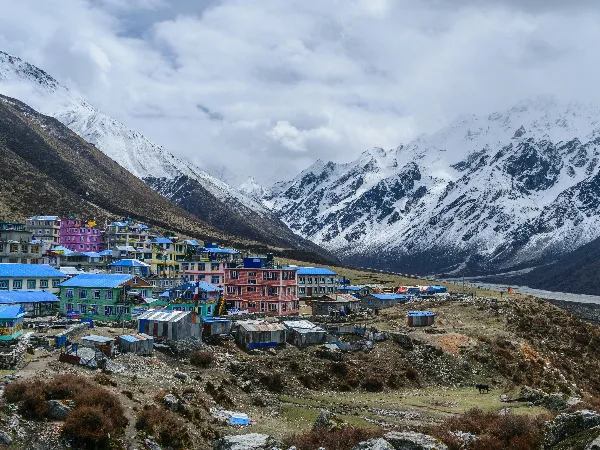
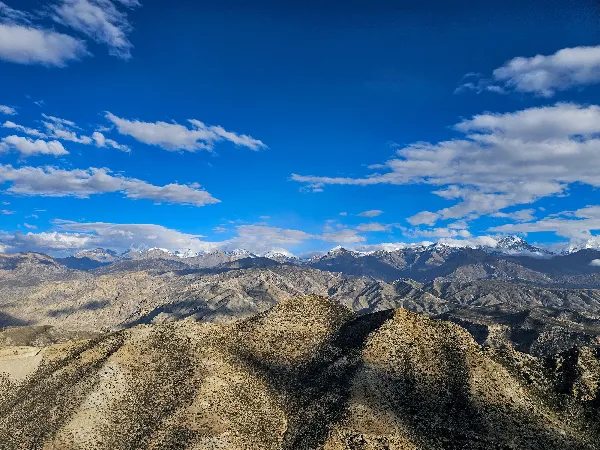
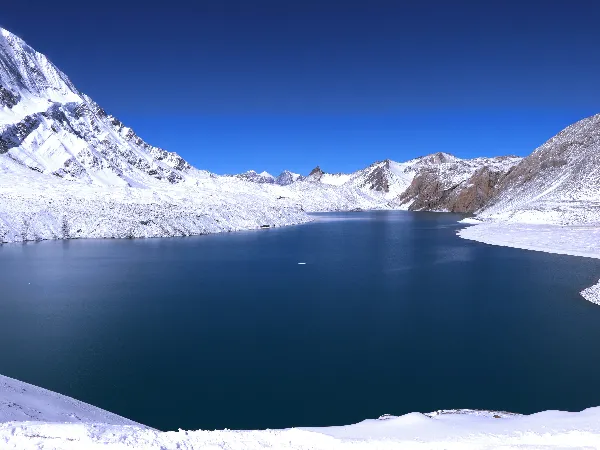
After months of rain, the Khumbu region begins to reveal its finest colours. Forests appear greener, rivers flow strongly through the valleys, and the snow-covered peaks stand out against deep blue skies. These conditions are exactly why so many people choose to visit the Everest region during October.
Still, the idea of the "best month" depends largely on the type of experience you want. If you enjoy meeting fellow travellers and experiencing the most lively atmosphere of the year, October is an excellent choice. If you prefer quieter trails and fewer people, you may find November more appealing.
The key is understanding what the journey is truly like before you arrive.
October offers some of the most favourable conditions of the entire year. The weather is usually stable, visibility is excellent, and the trails remain dry for most of the month. Daytime temperatures in the lower sections of the trek generally range between 10°C and 17°C, while temperatures at higher elevations often fall below freezing during the night.
Although the trek is considered moderately challenging, most physically active travellers can complete it successfully with proper preparation and acclimatization.
October falls between the end of Nepal's summer monsoon season and the arrival of winter. This brief period creates ideal trekking conditions throughout the Everest region.
The heavy rains have disappeared, leaving behind cleaner air, clearer skies, and spectacular mountain views. The trails are also much drier than they are during the monsoon months, making walking conditions safer and more comfortable.
Longer daylight hours provide trekkers with more time to enjoy the journey, while the surrounding forests and valleys remain rich with colour after the rainy season.
Local guides who have spent years working in the Khumbu region often describe October and November as the most reliable months for trekking.
Weather conditions in October are generally stable. Mornings often begin with bright sunshine, and clear skies frequently continue throughout the day.
Humidity levels drop significantly after the monsoon season, creating more comfortable conditions for walking. Visibility also improves considerably, allowing trekkers to enjoy uninterrupted views of the Himalayas.
The first few weeks of October may still bring occasional clouds or brief afternoon showers. These weather changes are usually short-lived and rarely disrupt trekking plans.
Temperature conditions vary considerably according to altitude. Lower settlements, such as Lukla and Namche Bazaar, remain relatively mild during the day, while higher villages, including Dingboche, Lobuche, and Gorak Shep, become much colder after sunset.
Many first-time trekkers are surprised by how quickly conditions change. It is entirely possible to feel warm while walking beneath the afternoon sun and then find yourself wearing several layers of clothing later that evening.
One of the greatest benefits of trekking in October is the excellent condition of the trails.
By this time, the heavy monsoon rains have largely disappeared. The muddy sections of the path have dried, river crossings become easier, and visibility improves dramatically throughout the region.
Steeper sections of the trail around Namche Bazaar and Tengboche become easier to navigate because the ground is firmer and less slippery.
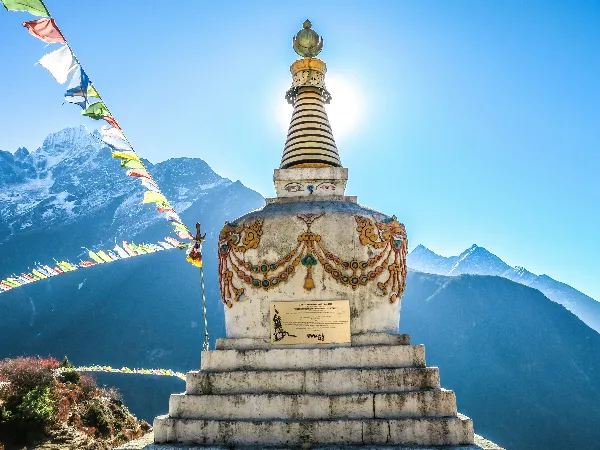
The mountain views are equally impressive. On clear mornings, trekkers are often rewarded with magnificent views of Mount Everest, Lhotse, Ama Dablam, Nuptse, Thamserku, and Kangtega.
Many local guides believe that the landscapes of the Everest region are at their most beautiful during October.
The popularity of October is both its greatest advantage and its greatest challenge.
Thousands of trekkers travel to the Everest region during this season, creating a lively atmosphere throughout the trail. While some travellers enjoy this social environment, others find the crowds overwhelming.
Accommodation can become difficult to find during particularly busy periods. Popular teahouses in villages such as Namche Bazaar, Dingboche, and Lobuche often fill quickly, especially during the middle weeks of October.
Long queues at airports and increased demand for flights, guides, and porters are also common during this time.
For this reason, booking your trek several months in advance is always recommended.
The flight to Lukla is one of the most memorable parts of the Everest Base Camp trek, but it is also one of the least predictable.
October usually brings favourable flying conditions because the monsoon season has ended. Nevertheless, the sheer number of flights operating during the peak trekking season sometimes leads to delays.
Many experienced trekkers add one or two extra days to their itineraries. These additional days create flexibility and reduce unnecessary stress if travel plans change unexpectedly.
This small adjustment can make a significant difference to the overall experience.
October is not only one of the best times for trekking but also one of the most important cultural periods of the year in Nepal.
Dashain and Tihar, Nepal's two largest festivals, often take place during October and early November. These celebrations bring a special atmosphere to many villages along the trekking route.
Prayer flags, colourful decorations, family gatherings, and traditional ceremonies create a more vibrant environment in settlements such as Lukla and Phakding.
For many visitors, these cultural experiences become some of the most memorable moments of the entire journey.
October and November both offer excellent trekking conditions, but they provide slightly different experiences.
October generally offers warmer temperatures and a more energetic atmosphere. The trails are busier, the villages are more crowded, and the trekking community is at its largest.
November brings colder temperatures, but it also offers quieter trails and fewer people. Many trekkers who value peace and solitude choose November instead of October.
Neither month is necessarily better than the other. The right choice depends entirely on the kind of adventure you are seeking.
Packing for October requires a careful balance between comfort and practicality.
Weather conditions change rapidly as you gain elevation, which makes layering essential. Most trekkers carry thermal clothing, waterproof outer layers, insulated jackets, warm hats, gloves, sunglasses, and sunscreen.
A good sleeping bag is particularly important because nighttime temperatures can fall well below freezing at higher elevations.
Many travellers make the mistake of carrying far too much equipment. In reality, a lighter backpack often leads to a more enjoyable experience.
After many years of organizing treks in the Everest region, several common mistakes appear repeatedly.
Some travellers wait too long before booking their flights and accommodation, only to discover that availability has become extremely limited.
Others underestimate how quickly temperatures change at higher elevations and arrive without enough warm clothing.
Another common mistake is failing to include extra days within the itinerary. Weather conditions in the Himalayas can change quickly, and a flexible schedule often prevents unnecessary problems.
Finally, many first-time trekkers become so focused on reaching Everest Base Camp that they overlook the importance of proper acclimatization. The mountain will always remain there, but your health should always come first.
If you've been dreaming of standing at the foot of the world's highest mountain, there's no better time than October to make it happen. With clear skies, stable weather, comfortable trekking temperatures, and breathtaking views of the Himalayas, the Everest Base Camp Trek in October offers an experience that's hard to match.
Now is the perfect time to start planning your adventure. Explore your trekking options, prepare for the challenge, and get ready to create memories that will last a lifetime. Your Everest Base Camp journey begins with a single step make this October the season you conquer the trail.
Yes, October is considered one of the best months for the Everest Base Camp trek because of its stable weather, clear skies, dry trails, and excellent mountain views. However, it is also the busiest month of the year.
Daytime temperatures usually range from 10°C to 17°C at lower elevations, while nighttime temperatures near Everest Base Camp can fall below -10°C. Warm clothing and proper layering are essential.
Yes, light snowfall is possible at higher elevations, especially toward the end of October. However, heavy snowfall is uncommon during this season.
October offers warmer temperatures and a more lively atmosphere, while November provides quieter trails and fewer crowds. Both months offer excellent trekking conditions.
October is the busiest month in the Everest region. Teahouses, flights, and trails are often crowded, so booking accommodation and transportation in advance is highly recommended.
Yes, Lukla flights are generally more reliable in October because of improved weather conditions after the monsoon season. However, delays can still occur because of heavy air traffic.
You should wear lightweight clothing during the day and add warmer layers as temperatures drop. A thermal base layer, insulated jacket, waterproof shell, gloves, and a warm hat are essential.
No, altitude sickness is not affected by the season. Proper acclimatization, hydration, and a gradual ascent remain the most effective ways to reduce the risk.
Late October is generally considered the better option because the weather is more stable, visibility is better, and there is less lingering moisture from the monsoon season.
Yes, October offers some of the best trekking conditions of the year. The combination of clear skies, spectacular mountain views, colourful landscapes, and vibrant local culture makes the journey especially rewarding.