Autumn is widely considered the best season for the Langtang Valley Trek. From September to November, trekkers can enjoy stable weather, clear skies, pleasant temperatures, and breathtaking mountain views. October is usually the most popular month, while September offers greener landscapes and November brings quieter trails and excellent visibility.
Although the Langtang region welcomes visitors throughout much of the year, autumn remains the most popular season. Stable weather, comfortable temperatures, dry trails, and incredible mountain scenery make it an excellent choice for both beginners and experienced trekkers.
If you are planning a complete guide to the Langtang Valley Trek, understanding autumn conditions is essential. Weather, visibility, trail conditions, altitude sickness risks, and overall trekking difficulty can vary considerably from September to November.
This guide explains everything you need to know before starting your journey.
Is Autumn the Best Time to Visit the Langtang Valley Trek?
For most trekkers, the simple answer is yes.
Autumn begins shortly after the monsoon season ends. During this period, rainfall decreases, the skies become clearer, and temperatures remain pleasant throughout the region. These conditions create the perfect environment for trekking.
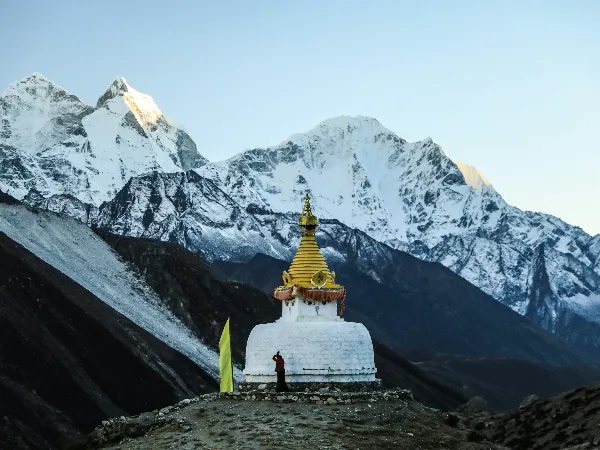
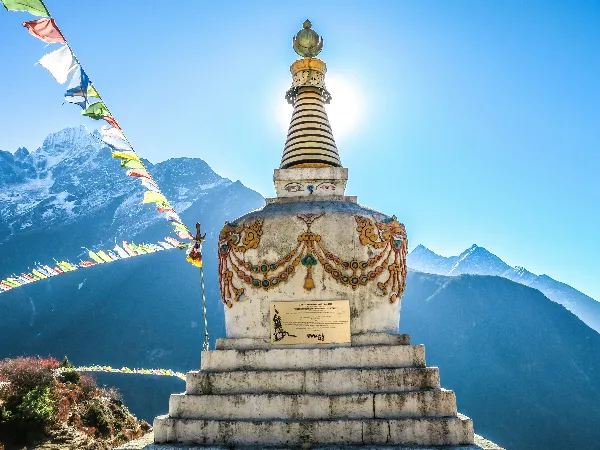
The season usually begins in late September and lasts until the end of November. Throughout these months, trekkers can enjoy panoramic views of surrounding mountains, including Langtang Lirung, Dorje Lakpa, Gangchempo, and Yala Peak.
Autumn also offers a better balance between safety and comfort. Dry trails reduce the risk of slipping, while clear weather makes navigation easier.
Many experienced guides consider October the ideal month because weather conditions are generally stable and mountain views are at their very best.
Why Autumn Is the Perfect Season for the Langtang Valley Trek
Every season in Nepal has its own character, but autumn provides several advantages that make the Langtang Valley Trek especially rewarding.
One of the biggest advantages is visibility. Heavy summer rains wash dust and pollution from the atmosphere, creating remarkably clear conditions. This allows trekkers to enjoy uninterrupted views of glaciers, valleys, forests, and snow-covered peaks.
The landscape also looks particularly beautiful during this time of year. Forests remain lush and green after the monsoon season, while rivers and waterfalls continue flowing strongly through the valley.
Another reason many trekkers prefer autumn is the pleasant temperature. Days are usually warm enough for comfortable walking, while evenings remain cool and refreshing.
Autumn is also one of the most vibrant times to experience local culture. Nepal's two largest festivals, Dashain and Tihar, take place during this period. Along the trail, visitors often have opportunities to observe local traditions and experience the hospitality of the Tamang communities that have lived in the region for generations.
From a photography perspective, autumn is difficult to surpass. Early mornings often provide spectacular views as the first rays of sunlight illuminate the mountains surrounding Kyanjin Gompa.
These advantages explain why thousands of trekkers choose the Langtang region every year.
Weather Conditions in Langtang Valley During Autumn
One of the main reasons thousands of trekkers visit the Langtang region every autumn is the excellent weather. The monsoon season gradually disappears by the end of September, bringing clear skies, fresh mountain air, and comfortable temperatures.
During autumn, daytime temperatures are generally pleasant, while mornings and evenings can become much colder, especially at higher elevations such as Kyanjin Gompa.
Because the weather is usually stable, trekkers often enjoy uninterrupted views of snow-covered peaks, glaciers, forests, rivers, and valleys throughout the journey. These conditions also make autumn an excellent season for photographers.
Nevertheless, the Himalayas are unpredictable. Temperatures can change quickly, and occasional snowfall is possible toward the end of November.
Temperature in September
September marks the transition between the monsoon season and autumn. Lower areas of the Langtang region remain warm, while higher elevations become cooler and more comfortable for trekking.
Daytime temperatures usually range from 10°C to 20°C, while temperatures can fall close to freezing at higher altitudes.
Trekkers visiting in September may still encounter occasional rain showers, particularly during the first few weeks of the month.
Temperature in October
October is often considered the best month for the Langtang Valley Trek. Days are generally sunny and comfortable, creating excellent conditions for walking long distances.
Daytime temperatures usually range between 10°C and 15°C, while nights become much cooler.
The air is cleaner, visibility is exceptional, and mountain views are often at their clearest.
Temperature in November
November brings colder conditions throughout the region, especially during the mornings and evenings. Despite the lower temperatures, many experienced trekkers prefer this period because the skies are remarkably clear.
Higher sections of the trail may experience temperatures below freezing, while lower elevations remain relatively comfortable.
The colder weather also means that fewer people are on the trails.
Rainfall and Visibility
Rainfall decreases significantly after the monsoon season ends. This creates ideal conditions for trekking because muddy trails gradually become dry and easier to navigate.
Visibility is another major advantage of autumn. Trekkers can enjoy spectacular views of Langtang Lirung, Ganesh Himal, Dorje Lakpa, and many other surrounding peaks.
Sunrise and Sunset Conditions
Autumn is one of the best times for photography in the Langtang region. Early mornings often provide crystal-clear views of the Himalayas, while golden sunlight creates stunning landscapes during sunset.
Kyanjin Ri and Tserko Ri are particularly famous for their breathtaking views during this season.
Langtang Valley Trek in September
September offers a unique experience because the landscapes remain fresh and vibrant after months of rainfall. Hillsides are covered with lush vegetation, waterfalls flow strongly, and the entire valley appears alive.
Another advantage of trekking in September is that the trails are usually less crowded than they are later in the season. This allows trekkers to enjoy a quieter and more peaceful experience.
However, visitors should remember that weather conditions can still be somewhat unpredictable during the early part of the month. Carrying waterproof clothing and protecting electronic equipment from moisture is highly recommended.
September is often an excellent choice for trekkers seeking beautiful scenery and fewer crowds.
Langtang Valley Trek in October
For many people, October represents the perfect balance between weather, visibility, and comfort.
The skies become incredibly clear, rainfall becomes rare, and temperatures remain pleasant throughout the trek. Because of these ideal conditions, October attracts thousands of trekkers every year.
The route from Syabrubesi to Kyanjin Gompa becomes especially beautiful during this period. Dense forests, traditional villages, suspension bridges, and snow-covered mountains create unforgettable scenery.
October is also an excellent time to experience Nepal's cultural traditions, as major festivals such as Dashain and Tihar take place during this season.
Although accommodation facilities are usually fully operational, early reservations are highly recommended because demand is extremely high.
Langtang Valley Trek in November
November marks the final phase of the autumn trekking season.
The weather remains stable, but temperatures gradually begin to drop, particularly at higher elevations. Fortunately, the colder conditions often produce even clearer views of the surrounding mountains.
Many photographers choose November because they can capture exceptionally sharp images of the Himalayan landscape. The reduced number of trekkers also creates a more peaceful atmosphere along the trail.
Trekkers planning to visit during November should prepare carefully for freezing temperatures at night. Warm clothing, gloves, and high-quality sleeping bags become increasingly important.
Despite the colder weather, November remains one of the best times to complete the Langtang Valley Trek.
Which Autumn Month Is Best for the Langtang Valley Trek?
The answer depends entirely upon the type of experience you want.
September is ideal for trekkers who enjoy green landscapes, fewer visitors, and slightly warmer temperatures.
October is the best option for travelers looking for stable weather, comfortable conditions, and spectacular mountain views.
November is particularly attractive for photographers and trekkers who prefer quieter trails and exceptionally clear skies.
If you are looking for the best overall experience, October remains the most popular choice.
No matter which month you choose, autumn offers outstanding trekking conditions and unforgettable experiences throughout the Langtang region.
Langtang Valley Trek Difficulty During Autumn
One of the most common questions travelers ask is whether the Langtang Valley Trek is difficult. The good news is that the trek is generally considered moderately difficult, making it suitable for both beginners and experienced hikers.
Unlike the Everest Three Passes Trek or the Manaslu Circuit Trek, the Langtang route does not require technical climbing skills. However, trekkers should still be physically prepared because the trail includes several steep ascents, rocky sections, and long walking days.
Most itineraries last between seven and ten days, with trekkers walking for approximately five to seven hours each day. The route gradually climbs from Syabrubesi at an altitude of around 1,550 meters to Kyanjin Gompa at approximately 3,870 meters.
During autumn, the trekking experience becomes easier because the weather is more stable and the trails are generally dry. Clear skies also improve visibility, allowing trekkers to navigate the route more comfortably.
The difficulty level can vary according to several factors, including physical fitness, previous trekking experience, walking pace, and acclimatization.
Most people who maintain a reasonable level of fitness can successfully complete the trek.
Altitude Sickness on the Langtang Valley Trek
Although autumn offers excellent trekking conditions, altitude sickness remains one of the most important factors to consider.
As trekkers gain elevation, the amount of oxygen in the atmosphere decreases. This change can affect anyone, regardless of age or fitness level.
Common symptoms of altitude sickness include headaches, nausea, dizziness, loss of appetite, fatigue, and difficulty sleeping. These symptoms often appear gradually as trekkers climb to higher elevations.
Fortunately, there are several ways to reduce the risk.
The most effective strategy is to ascend slowly and allow the body enough time to adapt. Drinking plenty of water, eating nutritious food, and avoiding alcohol can also help.
Many experienced guides recommend including an acclimatization day in Kyanjin Gompa before attempting higher viewpoints such as Kyanjin Ri or Tserko Ri.
Trekkers should never ignore the symptoms of altitude sickness. Descending to a lower elevation remains the safest solution if symptoms become severe.
Because autumn weather is relatively stable, rescue operations are generally easier than during the monsoon season. Nevertheless, purchasing comprehensive travel insurance is strongly recommended.
What to Pack for the Langtang Valley Trek During Autumn
Packing wisely can make your trekking experience safer, easier, and much more comfortable.
Weather conditions in the mountains can change rapidly, especially during the mornings and evenings. Temperatures may feel warm during the day but become extremely cold after sunset.
Layering is usually the most effective approach.
A lightweight base layer, an insulating layer, and a waterproof outer jacket will help you adjust to changing conditions. Comfortable trekking boots are equally important because they provide support and reduce the risk of injury on uneven terrain.
A warm sleeping bag, gloves, a woolen hat, sunglasses, sunscreen, and trekking poles are also highly recommended.
Because electricity and internet access can be limited in some villages, carrying a power bank and spare batteries is a good idea.
Essential Tips for Trekking in Langtang During Autumn
Autumn is the busiest trekking season in Nepal, so careful planning is essential.
Booking accommodation in advance can help you avoid unnecessary difficulties, particularly during October when many teahouses operate at full capacity.
Starting your hike early each morning is another valuable strategy. The weather is usually clearer, temperatures are more comfortable, and there is a greater chance of enjoying uninterrupted mountain views.
Hydration is equally important. The dry mountain air can increase the risk of dehydration, which may contribute to altitude-related problems.
Trekkers should also carry enough cash because electronic payment systems are not widely available in the region.
If this is your first Himalayan adventure, hiring a local guide can significantly improve your experience. Guides not only help with navigation but also provide valuable knowledge about local culture, history, and mountain conditions.
Final Thoughts
The Langtang Valley Trek is one of Nepal's most rewarding adventures, and autumn is undoubtedly one of the best times to experience it.
From the clear mountain skies of October to the peaceful trails of November, every month offers something unique. Comfortable temperatures, breathtaking scenery, and stable weather conditions make autumn an excellent choice for trekkers of all experience levels.
Whether you are looking for spectacular landscapes, authentic cultural experiences, or a memorable Himalayan adventure, the Langtang region offers an experience that is difficult to forget.
With proper preparation, careful planning, and a respect for the mountains, your autumn journey through Langtang Valley can become an unforgettable experience.
FAQs
Is autumn the best season for the Langtang Valley Trek?
Yes. Autumn is widely considered the best season for the Langtang Valley Trek because the weather is stable, the skies are clear, and the trails are generally dry. Most trekkers visit between September and November.
Is October the best month for the Langtang Valley Trek?
October is often regarded as the best month because it offers comfortable temperatures, excellent visibility, and ideal trekking conditions. It is also the busiest month of the autumn season.
What is the weather like in Langtang Valley during autumn?
Autumn usually brings clear skies, warm daytime temperatures, cool evenings, and very little rainfall. These conditions create excellent opportunities for trekking and photography.
Does it snow on the Langtang Valley Trek in autumn?
Snowfall is uncommon in September and October. However, higher areas such as Kyanjin Ri and Tserko Ri may receive snowfall toward the end of November.
Is the Langtang Valley Trek suitable for beginners?
Yes. The Langtang Valley Trek is considered moderately difficult, making it suitable for beginners who maintain a reasonable level of physical fitness and allow enough time for acclimatization.
How difficult is the Langtang Valley Trek during autumn?
The trek is moderately challenging because of the altitude gain, steep trails, and long walking days. Nevertheless, autumn weather conditions make the journey more comfortable than many other times of the year.
Can I experience altitude sickness on the Langtang Valley Trek?
Yes. Altitude sickness can affect trekkers above 2,500 metres. Common symptoms include headaches, dizziness, fatigue, nausea, and difficulty sleeping. Climbing gradually and staying hydrated can reduce the risk.
Which month is better for the Langtang Valley Trek: September, October, or November?
September offers greener landscapes and fewer visitors. October provides the best weather conditions and mountain views, while November brings colder temperatures and quieter trails.
What should I pack for the Langtang Valley Trek during autumn?
Trekkers should bring layered clothing, a down jacket, waterproof outerwear, gloves, a warm hat, trekking boots, sunglasses, sunscreen, trekking poles, and a sleeping bag suitable for cold temperatures.
How many days are required to complete the Langtang Valley Trek?
Most trekkers spend seven to ten days exploring the Langtang region. The exact duration depends on the itinerary, acclimatization schedule, and side trips to places such as Kyanjin Ri and Tserko Ri.