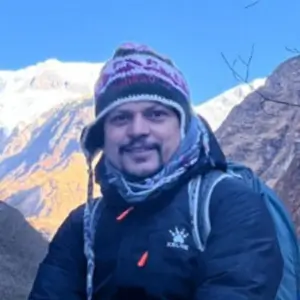
NOTE: Weekly departures for Nepal’s Autumn 2026 trekking season are available from September to November for popular Himalayan routes including Everest Base Camp, Annapurna Base Camp, Mardi Himal, Langtang Valley, Ghorepani Poon Hill, and Manaslu Circuit Trek.
Best Autumn Treks in Nepal for 2026
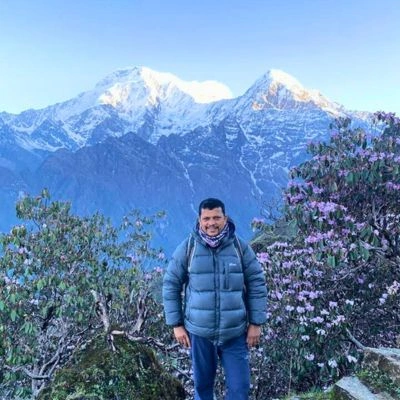
Autumn is one of the most exciting times to visit Nepal for trekking.
After the summer monsoon ends, the skies usually become clearer, the mountain views open up, and the trekking trails slowly fill with travelers from around the world. From late September until November, many parts of the Himalayas offer stable weather, comfortable daytime temperatures, and some of the best visibility of the year.
For many trekkers, this season feels special not only because of the mountains but also because of the atmosphere along the trails. Villages become lively, forests look fresh after the rains, and local festivals like Dashain and Tihar bring extra energy to different regions of Nepal.
If you are planning a trek in Nepal during Autumn 2026, choosing the right route is important. Some treks are better for beginners, while others are more suitable for experienced trekkers looking for remote trails and higher mountain passes.
This guide focuses on real trekking experiences, trail conditions, difficulty levels, and what travelers can realistically expect during Nepal’s busiest trekking season.
For first-time travelers, reading about trekking in Nepal for beginners before arriving can also help with understanding altitude, daily walking routines, physical preparation, and choosing the right Himalayan route.
Why Autumn is the Most Popular Trekking Season in Nepal
Autumn offers some of the most reliable trekking conditions in Nepal.
The heavy monsoon rain usually disappears by late September. As the dust and humidity clear, the Himalayan views become sharper and more colorful. This is one reason why photographers and mountain lovers often prefer trekking during October and early November.
Most trekking trails also become drier and safer compared to the monsoon season. River crossings are easier, and landslide risks are generally lower in many regions.
Daytime temperatures are usually comfortable for walking. Lower trekking regions feel mild during the day, while higher elevations remain cool and fresh. Nights become colder as you gain altitude, especially above 3,500 meters.
Autumn is also a social trekking season. Teahouses become busier, trekking trails feel more active, and many trekkers enjoy meeting people from different countries along the route.
However, popular regions like Everest and Annapurna can feel crowded during peak October weeks. Travelers wanting quieter experiences often choose routes like Langtang Valley or Manaslu Circuit instead.
Which Trek is Best in Nepal During Autumn 2026?
There is no single “best” trek in Nepal because every route offers a different experience.
Some trekkers want famous mountain views and classic Himalayan trails. Others prefer peaceful forests, local culture, shorter routes, or remote valleys.
Everest Base Camp remains the top choice for travelers wanting a legendary high-altitude trekking experience.
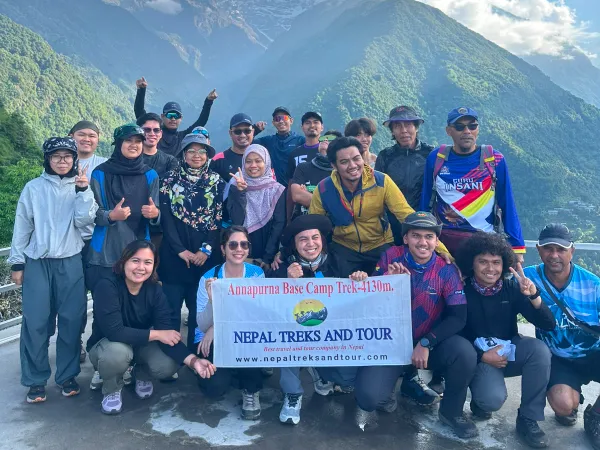
Annapurna Base Camp is often preferred by trekkers looking for balanced scenery, moderate difficulty, and a mix of mountains and villages.
Mardi Himal and Ghorepani Poon Hill are excellent for shorter trekking holidays and first-time trekkers.
Langtang Valley is ideal for travelers wanting quieter trails and strong cultural experiences closer to Kathmandu.
For remote mountain adventure, Manaslu Circuit continues to attract experienced trekkers looking for less commercial trekking routes.
Everest Base Camp Trek – Nepal’s Most Iconic Trek
The Everest Base Camp Trek is still the dream trek for many travelers visiting Nepal.
Walking through the Khumbu region during Autumn feels energetic and exciting. The trails are usually busy, especially in October, but the atmosphere often adds to the experience rather than taking away from it.
One of the most memorable parts of this trek is how quickly the scenery changes. Forest trails slowly turn into rocky alpine landscapes. Prayer flags appear on suspension bridges, glaciers become visible near Gorakshep, and giant Himalayan peaks begin to dominate the skyline.
The morning views around Tengboche and Dingboche during clear Autumn weather can feel unforgettable. Ama Dablam often stands out sharply against the blue sky, especially after sunrise.
This trek is physically demanding for many beginners because of the altitude. Slow walking, rest days, and proper acclimatization are extremely important.
Cold temperatures also become more noticeable above 4,000 meters, especially during early mornings and evenings in November.
Because altitude becomes the biggest challenge on this route, checking a detailed Everest Base Camp Trek guide before planning the journey can help trekkers better understand acclimatization, weather conditions, daily walking hours, and realistic preparation.
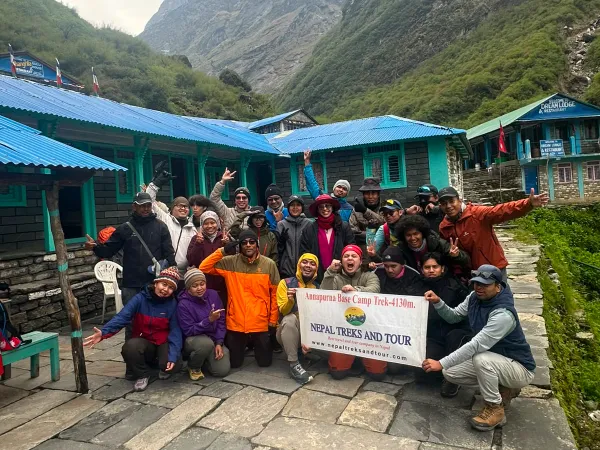
Annapurna Base Camp Trek – A Balanced Himalayan Experience
The Annapurna Base Camp Trek is one of Nepal’s most complete trekking experiences.
The route offers a mixture of mountain scenery, forests, villages, rivers, and local culture within a relatively manageable trekking duration. Because of this balance, many trekkers feel the trek never becomes repetitive.
One day may involve walking through bamboo forests and terraced farmland, while the next day opens into snowy mountain landscapes surrounded by giant Himalayan peaks.
Autumn conditions in the Annapurna region are usually excellent. Clear mornings often provide beautiful sunrise views over Machhapuchhre and Annapurna South.
Compared to Everest Base Camp, the altitude here is lower, which makes the trek slightly easier for many first-time trekkers. Still, the trail includes thousands of stone steps, especially around Chhomrong, which can feel tiring after several days of trekking.
The final approach into Annapurna Base Camp feels dramatic because the mountains slowly rise around you from every direction.
Since trail conditions, weather, accommodation, and walking distances change throughout the journey, reading a practical Annapurna Base Camp Trek guide beforehand often helps trekkers prepare more confidently for the experience.
Mardi Himal Trek – Quiet Trails and Close Mountain Views
The Mardi Himal Trek has become one of Nepal’s most popular short treks in recent years.
Many trekkers choose this route because it offers impressive mountain scenery without requiring a long trekking schedule.
The trail passes through forests covered with moss, quiet ridge sections, and small teahouse settlements. As you climb higher, Machhapuchhre feels incredibly close, especially near High Camp during clear weather.
One thing many trekkers enjoy about Mardi Himal is the peaceful atmosphere. Compared to Everest or Annapurna Base Camp, the trails usually feel quieter.
The trek is considered beginner-friendly, but some uphill sections can still feel steep and physically tiring. The upper ridge trails also become colder and windier during mornings in late Autumn.
Accommodation on the higher part of the trail is simpler compared to larger trekking routes, so travelers should expect more basic facilities.
Because weather and trail conditions can change quickly near High Camp, reading a detailed Mardi Himal Trek guide before starting the trek can make route preparation and packing much easier.
Langtang Valley Trek – A Peaceful Trek Near Kathmandu
The Langtang Valley Trek is one of the best choices for travelers wanting quieter trails and strong cultural experiences.
The region sits relatively close to Kathmandu, making access easier compared to remote trekking areas that require flights.
The trail moves through forests, rivers, suspension bridges, yak pastures, and mountain villages influenced by Tibetan Buddhist culture. During Autumn, the air often feels fresh and the mountain visibility becomes excellent after the monsoon season.
One of the strongest parts of this trek is the local atmosphere. Villages like Langtang and Kyanjin Gompa feel peaceful and welcoming without the heavy crowds found in some other trekking regions.
The mountains may not feel as dramatic as Everest, but the overall trekking experience often feels more relaxed and personal.
Nights in Langtang become cold during November, especially in higher villages. Early mornings can also feel icy before the sun reaches the valley.
Travelers wanting quieter Himalayan experiences usually find a Langtang Valley Trek guide helpful for understanding weather conditions, cultural experiences, route preparation, and what daily trekking feels like in the region.
Manaslu Circuit Trek – Remote and More Challenging
The Manaslu Circuit Trek is one of Nepal’s best options for trekkers wanting a more remote mountain experience.
The scenery often feels wild and less developed compared to the Everest and Annapurna regions. Deep valleys, waterfalls, suspension bridges, and isolated villages make the route feel more adventurous from the beginning.
Autumn is the best season for crossing Larke Pass because weather conditions are usually more stable and visibility remains clear.
This trek is physically more demanding than many popular routes in Nepal. Long walking days, rougher trails, and high altitude require stronger fitness and better endurance.
Because fewer trekkers visit the region compared to Everest or Annapurna, the trail often feels quieter and more peaceful.
However, facilities can feel more basic in remote sections, and weather conditions near the pass may change quickly during late Autumn.
This trek is usually best for trekkers already comfortable with multi-day mountain walking.
Ghorepani Poon Hill Trek – Ideal for Beginners
The Ghorepani Poon Hill Trek remains one of Nepal’s best beginner-friendly treks.
The route is shorter, lower in altitude, and easier to manage compared to longer Himalayan expeditions. This makes it a popular choice for families, older travelers, and people trekking for the first time.
The highlight is the sunrise view from Poon Hill. During clear Autumn mornings, the mountains slowly glow with golden light as the sun rises behind the Annapurna and Dhaulagiri ranges.
The route also passes through forests, villages, and stone stair sections. While the trek is considered easier overall, some uphill stair climbs can still feel surprisingly tiring for beginners.
Teahouse facilities along this route are generally comfortable and well-developed.
Because many first-time trekkers underestimate the amount of uphill walking involved, checking a Ghorepani Poon Hill Trek guide before the trip can help with realistic preparation and route expectations.
Weather Conditions During Autumn Trekking in Nepal
Autumn weather in Nepal is generally stable, but conditions still vary depending on altitude and month.
September sometimes begins with leftover monsoon rain, especially in lower regions. By October, skies usually become clearer and mountain visibility improves significantly.
October is considered the most reliable month for weather and photography.
November remains excellent for trekking, although temperatures become colder at higher elevations, especially during mornings and nights.
At lower elevations, daytime temperatures often feel comfortable for walking with light layers. Higher regions like Everest Base Camp, Manaslu, and Thorong La become much colder after sunset.
Because temperatures can shift quickly between sunny afternoons and freezing nights, layered clothing becomes extremely important during Autumn trekking in Nepal.
How to Choose the Right Trek in Nepal
The best trek depends on your fitness level, trekking experience, available time, and travel goals.
Travelers wanting iconic mountain scenery and famous Himalayan trails often choose Everest Base Camp.
Those looking for a balanced trekking experience usually prefer Annapurna Base Camp.
Mardi Himal and Ghorepani Poon Hill are excellent choices for shorter holidays and beginner trekkers.
Langtang Valley is ideal for quieter trekking experiences with strong cultural connections.
Manaslu Circuit suits trekkers wanting remote trails and more physical challenge.
Before booking a trek, it helps to realistically think about daily walking ability, altitude comfort, and how many days you want to spend in the mountains.
For people completely new to Himalayan trekking, reading trekking in Nepal for beginners resources beforehand can make route selection, preparation, and fitness planning far less confusing.
Trekking Costs in Nepal During Autumn 2026
Trekking costs in Nepal vary depending on the region, trek duration, transportation, accommodation style, and guide services.
Short treks like Ghorepani Poon Hill and Mardi Himal are generally more affordable.
Everest Base Camp usually costs more because of Lukla flights and longer trekking duration.
Remote regions like Manaslu also involve special permits and mandatory guide requirements.
Hiring experienced local guides and porters often improves both safety and comfort, especially during high-altitude treks.
Autumn is Nepal’s busiest trekking season, so flights, accommodations, and guide availability can become limited if bookings are made too late.
Packing Tips for Autumn Treks in Nepal
Packing properly makes trekking far more comfortable.
Layering is the most important strategy because temperatures can change quickly throughout the day.
Essential items usually include:
-
Down jacket
-
Waterproof outer layer
-
Warm base layers
-
Trekking boots
-
Gloves and wool hat
-
Sunglasses
-
Water bottle
-
Sleeping bag
-
Trekking poles
-
Basic medicine kit
Even when daytime weather feels warm, nights at higher elevations can become extremely cold.
Good trekking boots are especially important because uneven trails, stone staircases, and long descents can become hard on the knees and feet after several days.
Safety Tips for Autumn Trekking in Nepal
Autumn is one of Nepal’s safest trekking seasons, but preparation is still very important.
Altitude sickness remains one of the biggest challenges during high-altitude trekking. Walking slowly, drinking enough water, and allowing proper acclimatization days are extremely important.
Trekkers should also avoid rushing toward high elevations too quickly, especially in regions like Everest and Manaslu.
Travel insurance covering emergency helicopter evacuation is strongly recommended.
Weather in the mountains can still change unexpectedly, particularly near high passes and exposed ridge sections.
Listening to your body during trekking is always important. Resting early is often safer than pushing too hard at altitude.
Final Thoughts
Autumn trekking in Nepal offers far more than just mountain views.
For many travelers, the experience becomes memorable because of the combination of landscapes, local people, village life, mountain trails, and the feeling of slowly moving through the Himalayas day by day.
Some trekkers prefer famous routes like Everest Base Camp. Others enjoy quieter valleys, peaceful forests, and less crowded mountain trails.
There is no perfect trek for everyone. The best route is usually the one that matches your fitness level, travel style, available time, and personal interests.
Planning early for Autumn 2026 is a smart idea, especially for October departures when Nepal’s trekking regions become busiest.
The mountains may look similar in photographs, but experiencing them in person feels completely different once you are actually walking through the Himalayas yourself.
September offers greener trails and fewer crowds, October provides the clearest mountain views and best weather, while November brings crisp Himalayan scenery with cooler temperatures and quieter trekking routes.
FAQs
Which trek is best in Nepal during Autumn 2026?
Everest Base Camp, Annapurna Base Camp, Mardi Himal, and Langtang Valley Trek are among the best trekking choices for Autumn 2026. These routes offer clear mountain views, stable weather, comfortable temperatures, and excellent trekking conditions during October and November.
Is Autumn the best time for trekking in Nepal?
Yes, Autumn is widely considered the best trekking season in Nepal. The weather is usually dry and stable, the skies remain clear, and mountain visibility becomes outstanding after the monsoon season ends. Autumn also offers comfortable temperatures for trekking in most Himalayan regions.
Is October the best month for trekking in Nepal?
Yes, October is often the most popular trekking month in Nepal. Trekkers usually experience crystal-clear Himalayan views, pleasant daytime temperatures, and reliable weather conditions. Many trekking routes also become lively with trekkers from around the world during this period.
Which Nepal trek is best for beginners?
Ghorepani Poon Hill Trek, Mardi Himal Trek, and shorter Annapurna region treks are excellent options for beginners. These treks offer beautiful mountain scenery without extremely difficult high-altitude conditions, making them more manageable for first-time trekkers.
Which Nepal trek is easiest for beginners?
The Ghorepani Poon Hill Trek is one of the easiest and most beginner-friendly treks in Nepal. It has comfortable teahouse facilities, moderate walking distances, and rewarding Himalayan sunrise views without requiring advanced trekking experience.
How difficult is Annapurna Base Camp Trek?
The Annapurna Base Camp Trek is considered a moderate trek. Most trekkers with average fitness can complete it successfully with proper preparation. The trail includes several uphill and downhill sections, but the altitude is lower compared to Everest Base Camp, making it more comfortable for many travelers.
What is the best short trek in Nepal?
Mardi Himal Trek and Ghorepani Poon Hill Trek are among the best short treks in Nepal. They are ideal for travelers with limited time who still want incredible Himalayan scenery, local village experiences, and beautiful trekking trails.
Is Everest Base Camp crowded in October?
Yes, Everest Base Camp can become busy during October because it is the peak trekking season in Nepal. However, many trekkers still prefer this month because the weather, mountain visibility, and trekking conditions are usually at their best.
How cold is Everest Base Camp in November?
Temperatures at Everest Base Camp during November can drop below freezing at night, especially above 4,000 meters. Daytime temperatures are usually more comfortable when the sun is out, but mornings and evenings feel very cold.
How cold is Nepal during Autumn trekking?
Autumn temperatures in Nepal are generally comfortable for trekking during the daytime. Lower regions remain mild and pleasant, while higher elevations like Everest and Manaslu become colder, especially during mornings and nights. Warm layers are important for all Autumn treks.
Which Nepal trek has the best mountain views?
Everest Base Camp Trek and Annapurna Base Camp Trek are famous for their incredible Himalayan views. Everest offers iconic high-altitude scenery, while Annapurna Base Camp provides a beautiful natural amphitheater surrounded by snow-covered peaks.
Can beginners do Mardi Himal Trek?
Yes, many beginners successfully complete the Mardi Himal Trek every year. The route is shorter compared to Everest Base Camp and offers manageable trekking days, beautiful forests, ridge trails, and outstanding mountain scenery.
Do I need a guide for trekking in Nepal?
Hiring a guide is highly recommended for safety, navigation, local knowledge, and overall trekking support. Some trekking regions in Nepal also require licensed guides according to current trekking regulations.
Is Autumn crowded in Nepal?
Popular trekking regions like Everest and Annapurna can become crowded during October because of the excellent weather conditions. However, quieter routes like Langtang Valley Trek and Manaslu Circuit Trek still provide more peaceful trekking experiences.
Which trek is less crowded in Nepal?
Langtang Valley Trek, Manaslu Circuit Trek, and some remote trekking regions are generally less crowded compared to Everest Base Camp and Annapurna Base Camp during Autumn.
Can solo travelers join group treks?
Yes, many trekking companies, including Nepal Treks and Tour, offer group joining options for solo travelers during Autumn. Joining a group can reduce costs and create a more social trekking experience.
How early should I book an Autumn trek?
Booking several months in advance is highly recommended for Autumn trekking in Nepal, especially for October departures when accommodation, flights, and guides become very busy.
Is travel insurance necessary for Nepal trekking?
Yes, travel insurance is strongly recommended for trekking in Nepal. Insurance should include high-altitude trekking coverage and emergency helicopter evacuation for safety in mountain regions.
Need Help? Call Us
Need Help? Call Us+9779851013072