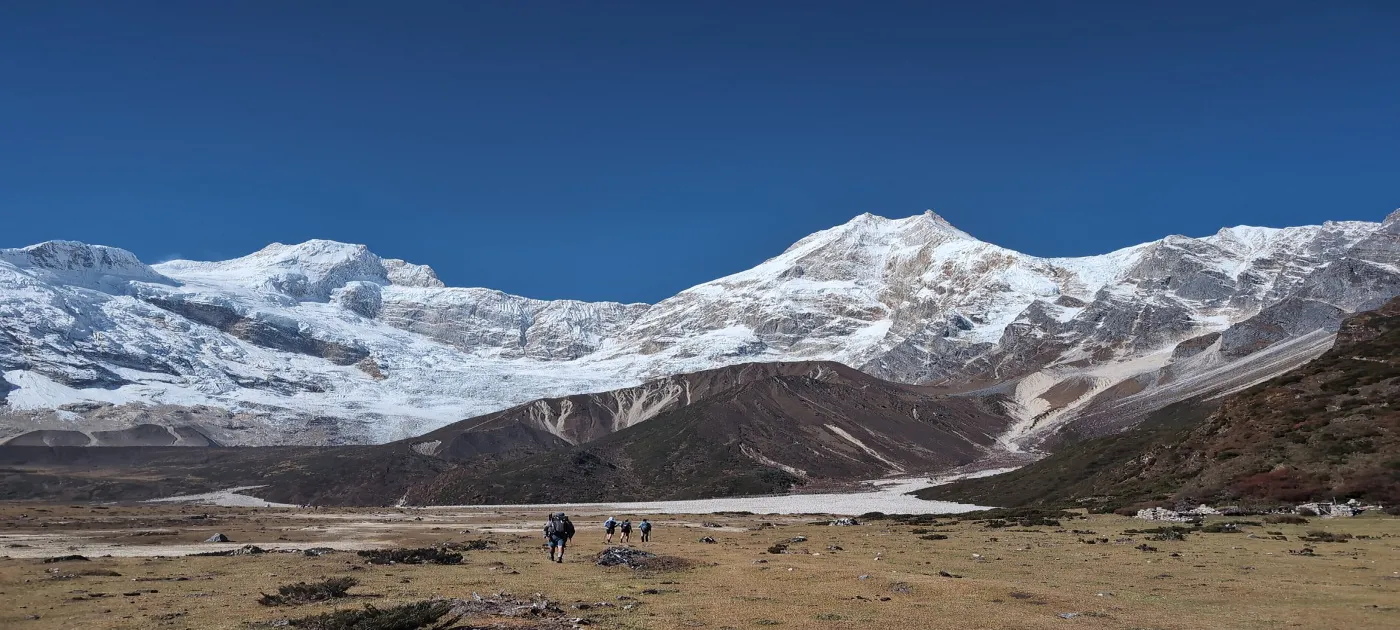
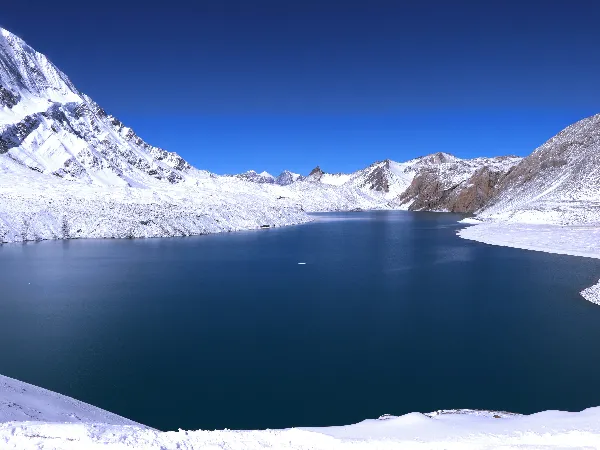
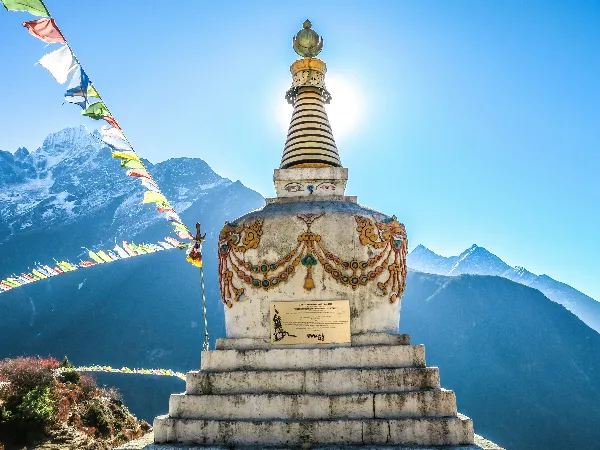
The Manaslu Circuit Trek is one of Nepal’s most breathtaking trekking adventures, offering panoramic views of the majestic Himalayas, rich Tibetan-influenced culture, and a sense of isolation from crowded trails. Located in the Manaslu Conservation Area, this trek circles the world’s eighth-highest peak, Mount Manaslu (8,163m), providing adventurers with a thrilling experience of remote villages, high mountain passes, and pristine landscapes.
Trek Overview
- Duration: 14–18 days
- Distance: ~177 km (round trip from Arughat to Dharapani)
- Highest Point: Larkya La Pass (5,160m)
- Starting Elevation: Arughat (600m)
- Ending Elevation: Dharapani (1,860m)
Why Choose the Manaslu Circuit Trek?
- Remote and Less Crowded: Unlike the popular Annapurna and Everest regions, the Manaslu Circuit Trek offers solitude and untouched trails.
- Scenic Himalayan Views: Witness stunning panoramas of Manaslu, Himalchuli, Ganesh Himal, and Shringi Himal.
- Cultural Richness: Explore traditional Tibetan-influenced villages like Lho, Samagaon, and Sama, with ancient monasteries and unique customs.
- Challenging Yet Rewarding: The trek is physically demanding but highly rewarding for adventure seekers.
Manaslu Circuit Trek Itinerary
A typical 14–18 day itinerary covers key highlights and acclimatization:
Day 1: Arrival in Kathmandu (1,400m)
Day 2: Drive from Kathmandu to Arughat (600m)
Day 3: Trek from Arughat to Soti Khola (700m)
Day 4: Trek to Machha Khola (869m)
Day 5: Trek to Jagat (1,340m)
Day 6: Trek to Deng (1,860m) via Philim
Day 7: Trek to Namrung (2,630m)
Day 8: Trek to Samagaon (3,530m)
Day 9: Acclimatization day in Samagaon
Day 10: Trek to Samdo (3,880m)
Day 11: Trek to Dharamsala / Larkya Phedi (4,460m)
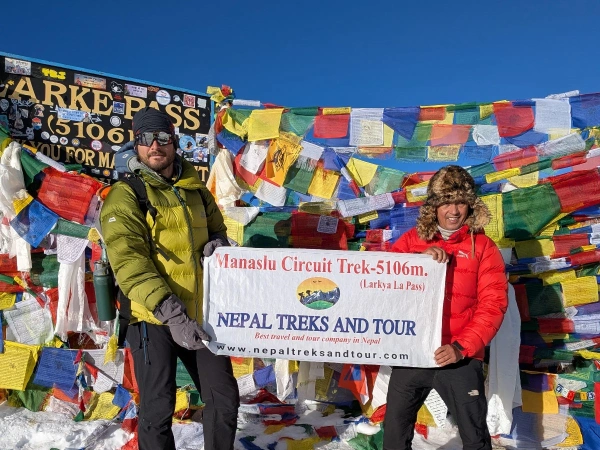
Day 12: Cross Larkya La Pass (5,160m), trek to Bimtang (3,720m)
Day 13: Trek to Tilje (1,560m)
Day 14: Trek to Dharapani (1,860m)
Day 15: Drive back to Kathmandu
Day 16: Departure
Permits Required for Manaslu Circuit Trek
Trekking in the Manaslu region requires special permits because it is a restricted area in Nepal. Independent trekking is not allowed. Below are the essential permits you need:
Manaslu Restricted Area Permit (RAP)
- Purpose: Grants access to the Manaslu restricted area.
- Cost: Approximately USD 70–100 per week (additional fee for extra days).
- Validity: Usually for 1 week, can be extended if needed.
- Where to Obtain: Only through a registered trekking agency in Nepal, such as Nepal Treks and Tour.
- Requirement: Trekking in the Manaslu region without this permit is illegal.
Manaslu Conservation Area Permit (MCAP)
- Purpose: Required for entering the Manaslu Conservation Area, which protects local biodiversity and culture.
- Cost: Around USD 30 per week.
- Coverage: Includes trails, villages, and natural reserves along the circuit.
- Trekkers’ Information Management System (TIMS) Card
Purpose: A standard trekking permit for safety and record-keeping in Nepal.
Additional Notes
- Guided Trek Requirement: Trekking without a licensed guide is not allowed.
- Documentation Needed: Passport copies, trek itinerary, and payment receipts are required for all permits.
Best Time for Manaslu Circuit Trek
Choosing the right season is crucial for a safe and enjoyable Manaslu Circuit Trek. Weather conditions, mountain visibility, and trail safety vary throughout the year. The best time to trek ensures clear skies, moderate temperatures, and stable trail conditions.
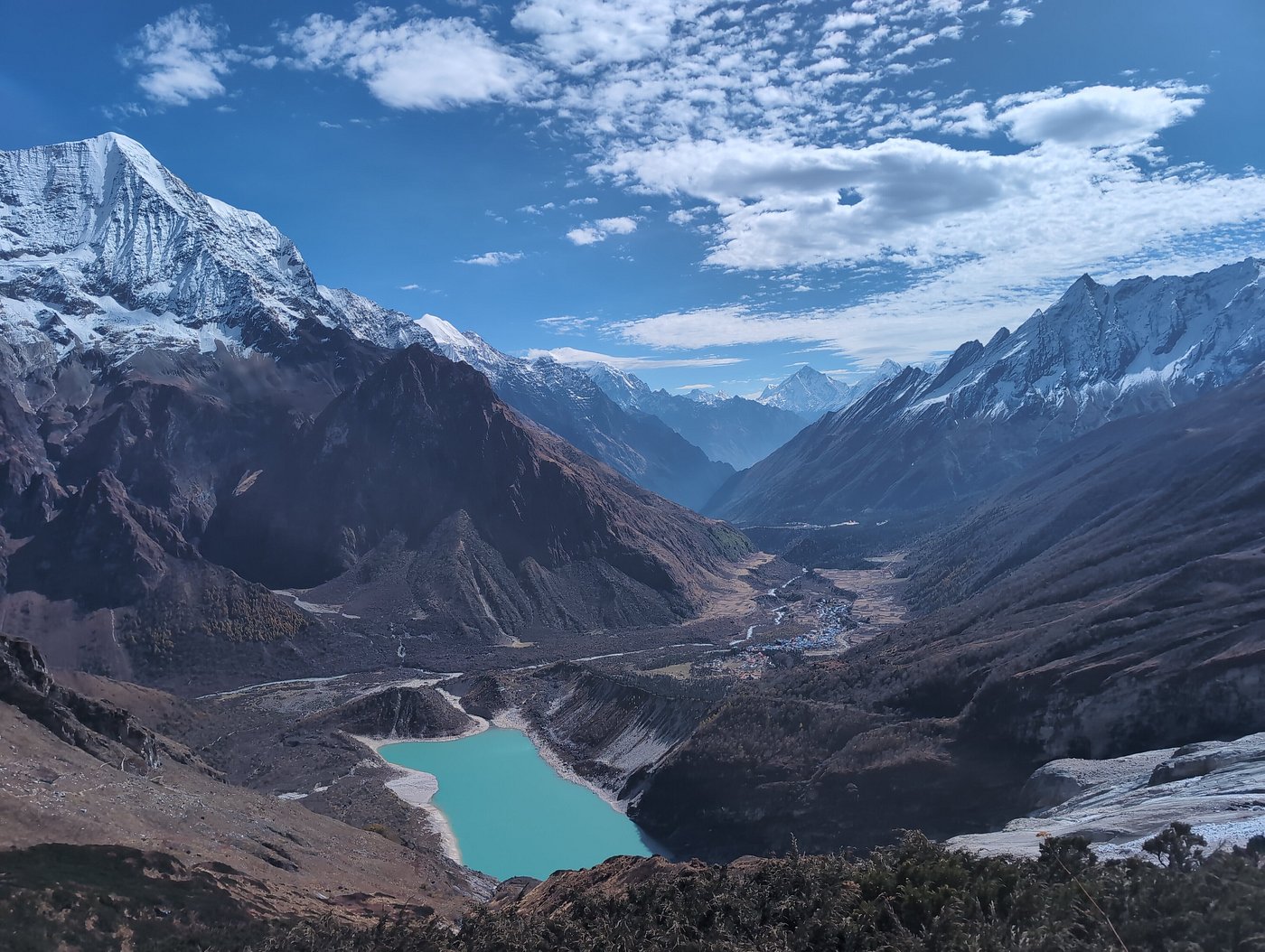
Autumn (September – November) – Best Season
Why Choose Autumn:
- Clear skies and excellent visibility of Mount Manaslu and surrounding peaks.
- Stable weather conditions, minimal rainfall, and dry trails.
- Ideal for photography and capturing Himalayan landscapes.
Temperature Range:
- Lower elevations: 15–25°C
- Higher elevations (Samagaon, Samdo, Larkya La): −5 to 10°C
Crowd Factor:
- Moderate; fewer trekkers than in the Everest or Annapurna regions, providing a peaceful experience.
Spring (March – May) – Alternative Season
Why Choose Spring:
- Blooming rhododendrons and alpine flowers create colorful landscapes.
- Pleasant temperatures and generally stable weather.
- Clear views of Manaslu, Himalchuli, and Ganesh Himal.
Temperature Range:
- Lower elevations: 10–20°C
- Higher elevations: −5 to 10°C
Winter (December – February) – Not Recommended
- Cold temperatures, frequent snow, and high risk at Larkya La Pass (5,160m).
- Limited teahouse facilities in remote villages.
- Only suitable for experienced trekkers with winter gear.
Monsoon (June – August) – Avoid
- Heavy rainfall, landslides, and slippery trails.
- Risk of trail closures and leeches in lower forests.
- Not suitable for safe trekking.
Tips for Best Timing
- Book in Autumn or Spring for optimal trekking conditions.
- Acclimatization is important at high passes like Larkya La, even in ideal seasons.
- Carry light layers for warm days and thermal gear for high altitudes.
Difficulty Level of Manaslu Circuit Trek
The Manaslu Circuit Trek is considered moderate to strenuous due to its long trekking days, high altitude, and remote terrain. Understanding the difficulty helps you prepare physically, mentally, and logistically for this adventure.
Factors Affecting Difficulty
Altitude:
- Gradual ascent helps with acclimatization, but Larkya La Pass is challenging due to high altitude.
- Risk of Acute Mountain Sickness (AMS) is moderate to high.
Trail Terrain:
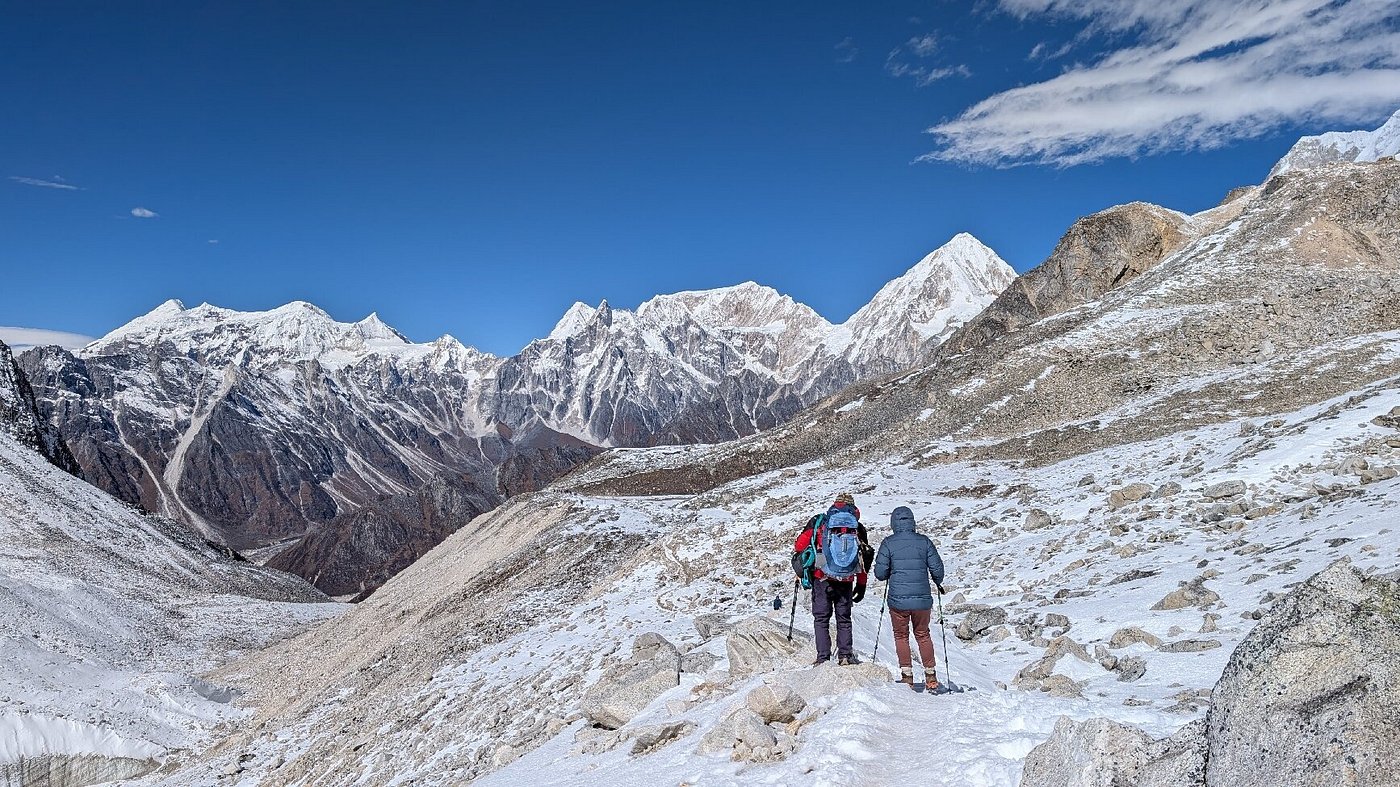
- A combination of forested trails, river valleys, steep hills, rocky paths, and snowy sections near Larkya La.
- Some trails may be slippery or uneven after rain.
Duration and Daily Distance:
- Trekking 5–8 hours per day on average.
- Long days with moderate to steep elevation gain require good stamina.
Remote Location:
- Limited medical facilities in villages like Samagaon, Samdo, and Dharamsala.
- Teahouses are basic; emergency evacuation may be necessary in extreme cases.
Physical Requirements
- Recommended for experienced trekkers or those with prior high-altitude trekking experience.
- Good cardiovascular fitness and endurance training for at least 2–3 months before the trek.
- Ability to walk 4–6 hours uphill daily with a moderate backpack.
Key Challenges
- Crossing Larkya La Pass (5,160m) – steep ascent with snow and rocky terrain.
- Remote villages with limited facilities and cold nights.
- Weather changes: sudden snow, rain, or high winds.
Tips to Handle Difficulty
- Take acclimatization days at Samagaon or Samdo.
- A licensed guide and porter for safety and support.
- Walk at a slow and steady pace, especially near high passes.
- Carry warm clothing, trekking poles, and adequate hydration.
Accommodation & Food on Manaslu Circuit Trek
When trekking the Manaslu Circuit, your comfort largely depends on teahouses and lodges in remote villages. While facilities are basic, they provide everything needed for a safe and memorable trekking experience.
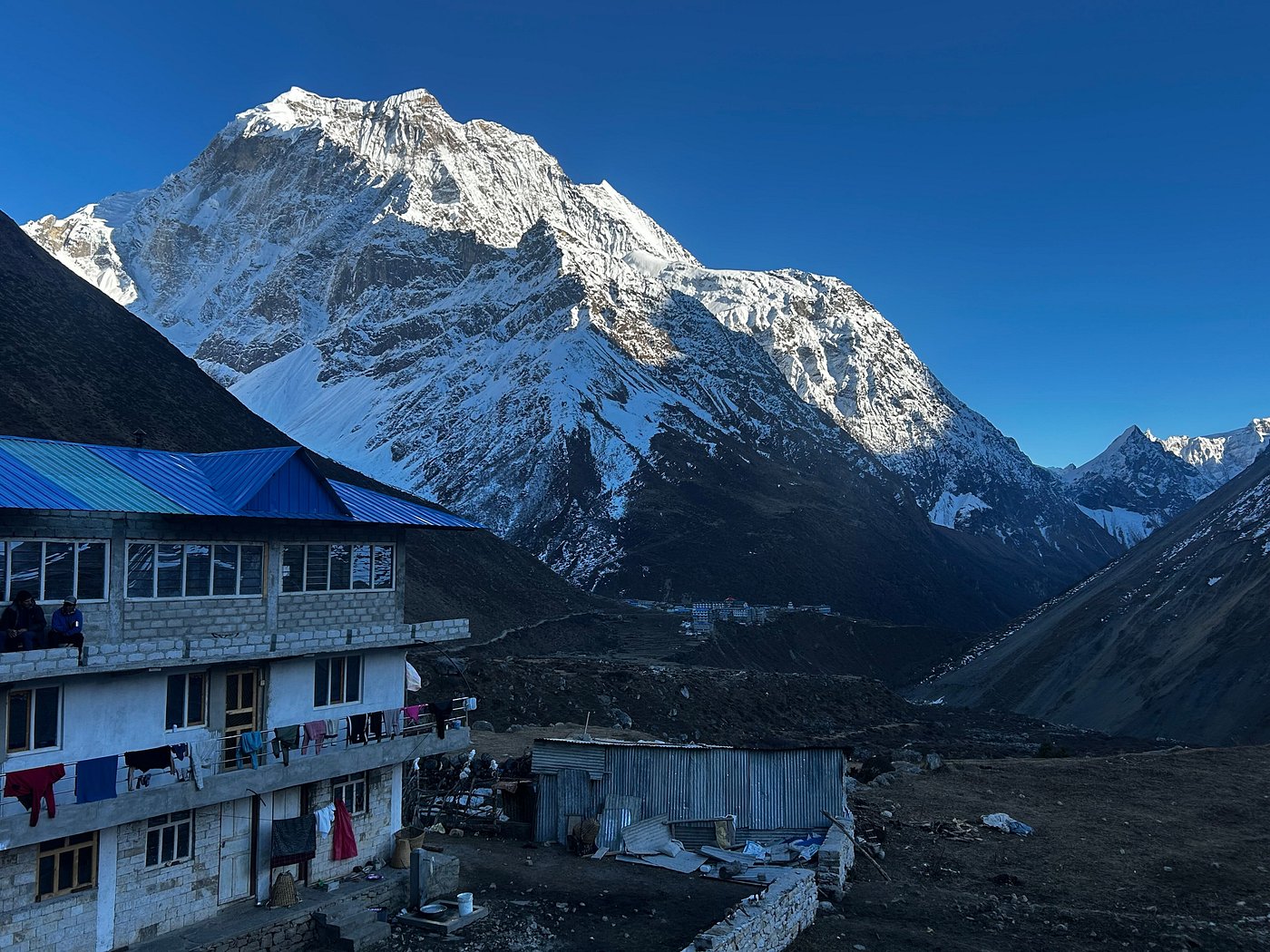
Accommodation
Type: Traditional teahouses and lodges along the trail.
Facilities:
- Twin or triple rooms with shared bathrooms.
- Some lodges provide hot showers, especially in larger villages like Samagaon, Samdo, and Dharamsala.
- Electricity is limited; solar panels or battery charging are usually available for a small fee.
- Quality: Varies from basic to moderately comfortable; remote lodges are simpler.
Food on the Trail
Cuisine: A combination of Nepali and Tibetan dishes, hearty and nutritious to support trekking energy.
Common Meals:
- Dal Bhat (rice with lentils): Traditional Nepali staple, served with vegetables, curry, or meat.
- Momo (dumplings): Popular Tibetan-style dumplings filled with meat or vegetables.
- Thukpa (noodle soup): Warm and ideal for cold evenings.
- Noodles, soups, and porridge for breakfast or lighter meals.
- Beverages: Tea, coffee, hot chocolate, soft drinks, and local alcohol (Raksi) in some villages.
Tips:
- Carry energy bars, dry fruits, or chocolates for high-altitude sections.
- Hydrate regularly; boil water or use purification tablets.
Dining & Cultural Experience
- Teahouses are often family-run, giving trekkers a chance to experience local hospitality.
- Some villages allow cultural interaction, like visiting monasteries or joining locals for tea.
Important Tips for Manaslu Circuit Trek
The Manaslu Circuit Trek is a rewarding but challenging adventure. Following these essential tips can make your trek safer, more comfortable, and unforgettable.
Prepare Physically
- Start endurance and cardio training at least 2–3 months before the trek.
- Focus on hiking with a backpack, stairs, and uphill walks to build leg strength.
- Include core and leg exercises to reduce fatigue on long trekking days.
Licensed Guides & Porters
- Trekking in Manaslu is in a restricted area, so a licensed guide is mandatory.
- Porters help carry luggage, especially for long uphill stretches.
Acclimatize Properly
- Include acclimatization days at Samagaon or Samdo to prevent Acute Mountain Sickness (AMS).
- Follow the principle: “climb high, sleep low” whenever possible.
- Monitor symptoms of altitude sickness: headache, nausea, dizziness.
Pack Smart
- Carry warm clothing, thermal layers, trekking poles, and a good sleeping bag.
- Bring energy snacks, water purification tablets, and a first aid kit.
- Waterproof your backpack; rain and snow can happen unexpectedly.
Stay Hydrated & Eat Well
- Drink at least 3–4 liters of water daily at high altitude.
- Eat high-calorie meals to maintain energy levels during long days.
Respect Local Culture
- Manaslu is home to Tibetan-influenced Buddhist communities.
- Always ask permission before taking photos of locals.
- Dress modestly when visiting monasteries or local homes.
Plan Your Finances
- Carry enough cash, as ATMs are unavailable along the trek.
- Expect higher prices at higher-altitude lodges for food and drinks.
- Tip guides and porters fairly for their services.
Timing & Weather Awareness
- Best trekking seasons: Autumn (Sept–Nov) and Spring (Mar–May).
- Avoid the monsoon (June–Aug) due to landslides and slippery trails.
- Be prepared for cold nights, especially above 3,500m.
Safety First
- We provide insurance for guides and porters.
- Keep a list of emergency contacts and nearest hospitals.
- Carry a headlamp, whistle, and trekking map for remote sections.
Take Your Time
- Don’t rush; trek at a steady pace to enjoy views and reduce fatigue.
- Allow extra days for weather delays or acclimatization.
FAQs: Manaslu Circuit Trek
- The trek typically lasts 14–18 days, depending on your pace and acclimatization days.
- Total trekking distance is approximately 177 km round trip.
What is the highest point on the Manaslu Circuit Trek?
- The Larkya La Pass (5,160m / 16,922 ft) is the highest and most challenging point.
- Crossing it offers stunning panoramic views of Manaslu, Himalchuli, and Ganesh Himal.
What permits are required for the Manaslu Trek?
- Manaslu Restricted Area Permit (RAP) – mandatory.
- Manaslu Conservation Area Permit (MCAP) – required for entry into conservation areas.
- TIMS Card – Trekkers’ Information Management System card.
What is the best time to trek the Manaslu Circuit?
- Autumn (September – November): Clear skies and stable weather.
- Spring (March – May): Blooming rhododendrons and good mountain views.
- Avoid: Monsoon (June–August) and winter (Dec–Feb) unless experienced.
How difficult is the Manaslu Circuit Trek?
- Moderate to strenuous due to high altitude, long trekking days, and remote trails.
- Recommended for trekkers with good physical fitness and previous trekking experience.
Is a guide or porter mandatory?
- Yes. The Manaslu region is a restricted area, so trekking without a licensed guide is not allowed.
- Porters are optional but helpful for carrying luggage and easing fatigue.
What kind of accommodation is available?
- Basic teahouses and lodges in villages along the trail.
- Rooms are mostly shared; hot showers and electricity are limited at higher altitudes.
- Carry a sleeping bag for comfort.
What food can I expect on the trek?
- Traditional Nepali and Tibetan cuisine: dal bhat, momo, thukpa, noodles, soups, and porridge.
- Energy snacks like chocolates, nuts, and energy bars are recommended for higher sections.
How much does the Manaslu Circuit Trek cost?
- USD 1,200–1,800 per person for standard trekking packages including permits, accommodation, guide, porter, and meals on the trail.
- Costs may vary depending on season, group size, and inclusions.
Is it safe to trek the Manaslu Circuit?
- Yes, if properly prepared and guided by a us.
- Acclimatization, hydration, and proper gear are key to safety.
Can beginners do the Manaslu Circuit Trek?
- The trek is not recommended for complete beginners due to the high altitude and long trekking days.
- Beginners should consider treks like Annapurna Base Camp or Ghorepani Poon Hill first.
How do I get to the starting point?
- The trek usually starts from Arughat or Soti Khola, accessible via a drive from Kathmandu or Pokhara.