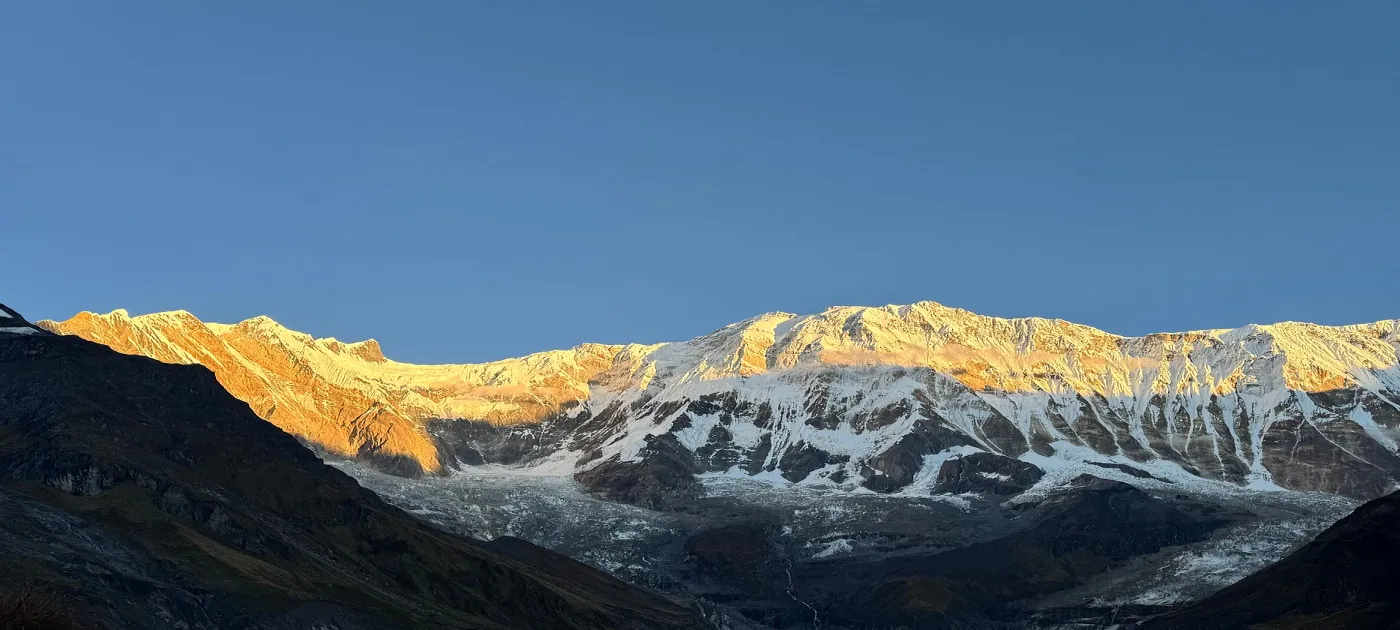
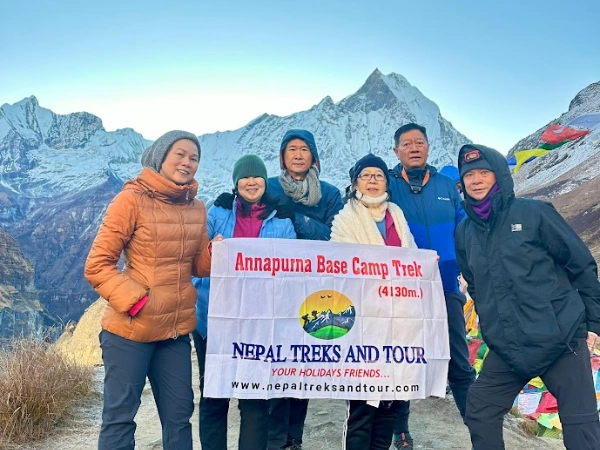
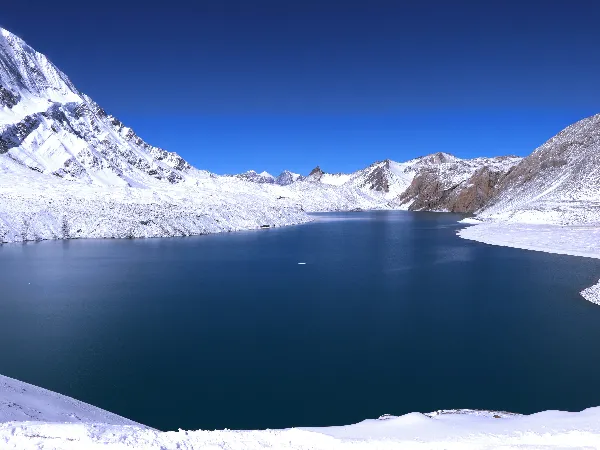
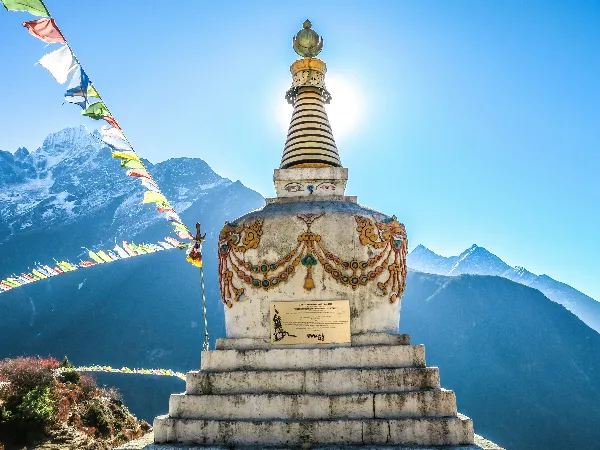
The Annapurna Base Camp Trek is one of Nepal’s most iconic and rewarding trekking experiences, offering a perfect blend of breathtaking Himalayan scenery, rich cultural encounters, and moderate adventure. Taking you deep into the heart of the Annapurna Sanctuary, this trek rewards travelers with close-up views of towering peaks like Annapurna I and Machhapuchhre, all while passing through charming villages, lush forests, and dramatic alpine landscapes. Ideal for both beginners and experienced trekkers, the Annapurna Base Camp Trek is a must-do journey for anyone looking to explore the natural beauty and cultural richness of Nepal in a relatively short and accessible timeframe.
Overview of Annapurna Base Camp Trek
- Location: Annapurna Region, Nepal
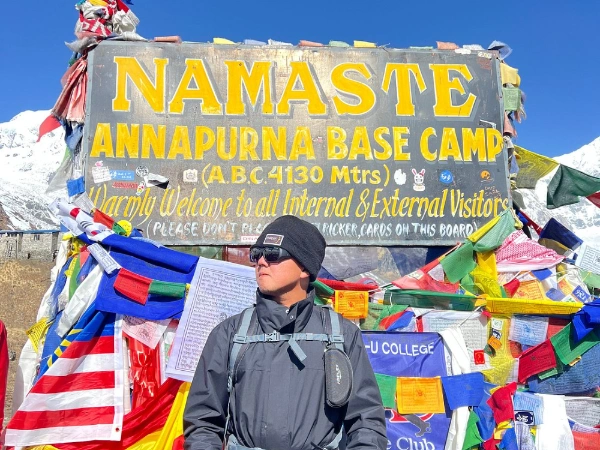
- Maximum Altitude: 4,130 meters (ABC)
- Duration: 7–12 days
- Difficulty Level: Moderate
- Starting Point: Pokhara
- Best For: Beginners to intermediate trekkers
Why Choose Annapurna Base Camp Trek?
- Close-up views of Himalayan giants
- Diverse landscapes (forest, villages, glaciers)
- Rich Gurung culture
- Shorter and more affordable compared to the Everest region
Annapurna Base Camp Trek Itinerary (11 Days)
Day 1: Arrival in Kathmandu
Day 2: Fly/Drive to Pokhara
Day 3: Drive to Kimche & Trek to Ghandruk
Day 4: Trek to Chhomrong
Day 5: Trek to Bamboo
Day 6: Trek to Deurali
Day 7: Trek to Annapurna Base Camp via MBC
Day 8: Trek down to Bamboo
Day 9: Trek to Jhinu Danda (Hot Springs)
Day 10: Return to Pokhara
Day 11: Departure
Duration can be customised based on your time and fitness level.
Annapurna Base Camp Trek Cost
The Annapurna Base Camp Trek cost varies depending on services:
Budget Trek:
Standard Package:
Luxury Trek:
Cost Includes:
- Accommodation (tea houses/lodges)
- Meals (Breakfast, Lunch, Dinner)
- Guide & porter
- Permits
- Transportation
Permits Required for Annapurna Base Camp Trek
To trek to Annapurna Base Camp, all trekkers must obtain the necessary permits to ensure safety, proper record-keeping, and conservation of the region.
ACAP Permit (Annapurna Conservation Area Permit)
The ACAP permit is mandatory for entering the Annapurna Conservation Area, which is Nepal’s largest protected region.
Cost:
- NPR 3,000 (approx. USD 25) for foreigners
- NPR 1,000 for SAARC nationals
Why is it required:
- Supports environmental conservation
- Maintains trekking trails and facilities
- Helps protect wildlife and natural resources
TIMS Card (Trekkers’ Information Management System)
The TIMS Card is essential for tracking trekkers and ensuring safety in remote areas.
Cost:
- NPR 2,000 for individual trekkers
Purpose:
- Maintains a database of trekkers
- Assists in rescue operations if needed
- Enhances overall trek security
Important Notes
- Always carry physical copies of your permits
- Permits are checked at multiple checkpoints during the trek
- Without permits, you will not be allowed to continue the trek
Best Time for Annapurna Base Camp Trek
Choosing the best time for the Annapurna Base Camp Trek is essential for a safe, comfortable, and visually rewarding experience. Weather in the Annapurna region directly affects mountain visibility, trail conditions, temperature, and overall trekking experience. Here’s a complete and detailed breakdown of each season:
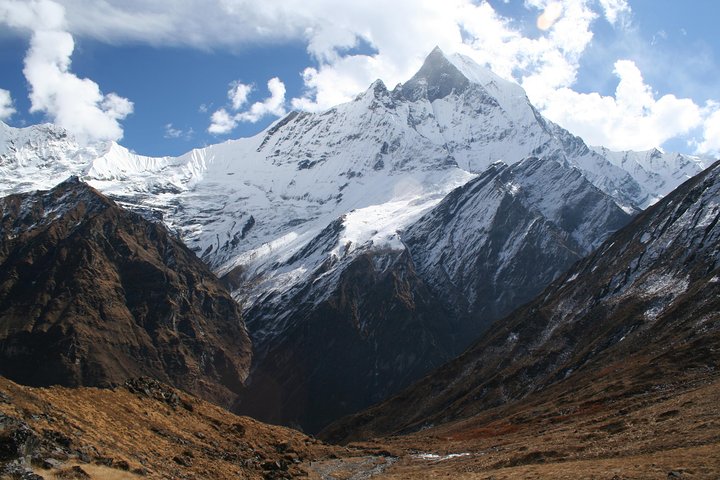
Spring Season (March to May) – Best Overall Time for ABC Trek
Spring is widely considered the best time for Annapurna Base Camp Trek, offering the perfect combination of weather, scenery, and trekking conditions.
Weather & Temperature:
- Daytime: 10°C to 20°C (lower regions)
- Night (ABC): -5°C to -10°C
- Stable weather with minimal snowfall
Highlights:
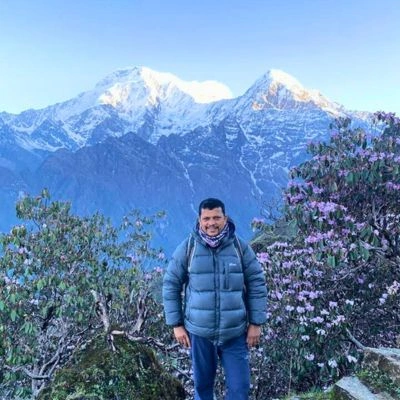
- Rhododendron forests in full bloom (Nepal’s national flower)
- Crystal-clear mountain views of Annapurna and Machhapuchhre
- Lush green hills and vibrant landscapes
Advantages:
- Ideal trekking temperatures
- Best photography conditions
- Longer daylight hours
Considerations:
- Popular season → trails can be crowded
- Advance booking recommended
Autumn Season (September to November) – Peak Trekking Season
Autumn is the most popular and busiest season for the Annapurna Base Camp Trek due to its stable weather and unmatched visibility.
Weather & Temperature:
- Daytime: 10°C to 18°C
- Night (ABC): -5°C to -8°C
- Dry weather with clear skies
Highlights:
- Sharp and unobstructed mountain views
- Fresh air after the monsoon clears dust and pollution
- Major Nepali festivals like Dashain and Tihar
Advantages:
- Best visibility of the Himalayan peaks
- Comfortable trekking conditions
- Low risk of rain or snow
Considerations:
- High demand → crowded trails and tea houses
- Prices may be slightly higher
Winter Season (December to February) – Quiet & Snowy Experience
Winter offers a peaceful and less crowded trekking experience, but comes with colder temperatures.
Weather & Temperature:
- Daytime: 5°C to 12°C
- Night (ABC): -10°C to -15°C
- Occasional snowfall at higher elevations
Highlights:
- Snow-covered landscapes
- Quiet trails with fewer trekkers
- Clear skies on many days
Advantages:
- Less crowded routes
- Unique winter scenery
- Lower accommodation costs
Challenges:
- Freezing temperatures at higher altitudes
- Risk of snow blocking trails (especially near ABC)
- Limited lodge availability in remote areas
Monsoon Season (June to August) – Least Recommended Time
Monsoon season is generally the least favorable time for the Annapurna Base Camp Trek due to heavy rainfall.
Weather & Temperature:
- Daytime: 15°C to 25°C
- High humidity and frequent rain
Highlights:
- Lush green landscapes
- Fewer tourists
Challenges:
- Slippery and muddy trails
- High risk of landslides
- Poor mountain visibility due to clouds
- Leeches in forest areas
Month-by-Month Recommendation
|
Month
|
Condition |
Recommendation |
| March–May |
Clear & Blooming |
Best Time |
| June–August |
Rainy & Humid |
Avoid |
| Sept–Nov |
Clear & Stable |
Best Time |
| Dec–Feb |
Cold & Snowy |
Possible |
When Should You Go?
- Best Overall: March–May (Spring)
- Best Visibility: September–November (Autumn)
- For Snow Lovers: December–February (Winter)
- Avoid: June–August (Monsoon)
Tips for Choosing the Right Season
- Book early during peak seasons (Spring & Autumn)
- Carry proper gear depending on the season (especially in winter)
- Always check weather forecasts before trekking
- Consider shoulder months (late Feb, early Dec) for fewer crowds
Accommodation & Food on Annapurna Base Camp Trek
Understanding accommodation and food on the Annapurna Base Camp Trek is essential for planning a comfortable and enjoyable journey. While the trek is not luxury-focused, it offers surprisingly good facilities even in remote mountain areas.
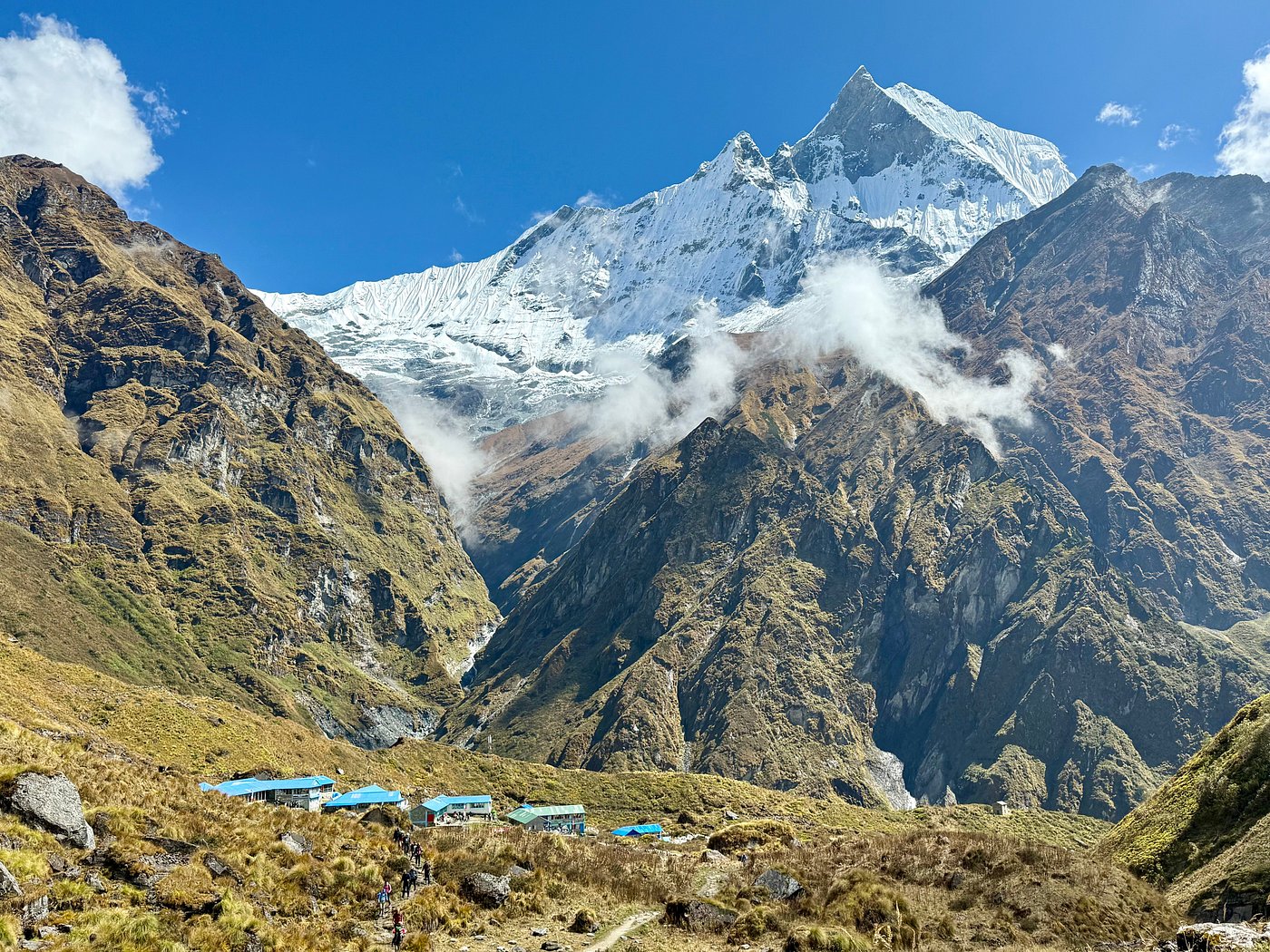
Accommodation on ABC Trek (Tea Houses & Lodges)
Accommodation along the ABC route mainly consists of tea houses (mountain lodges) run by local families.
What to Expect:
- Basic but clean twin-sharing rooms
- Wooden beds with mattress, pillow, and blanket
- Shared bathrooms (common at higher altitudes)
- Dining hall with a central heater (in colder regions)
Accommodation by Altitude
Lower Regions (Ghandruk, Chhomrong)
- Comfortable lodges with attached bathrooms (in some places)
- Better facilities and wider food options
- Hot showers available (extra charge)
Mid Regions (Bamboo, Deurali)
- Simpler rooms with basic bedding
- Shared toilets
- Limited electricity and WiFi
Higher Regions (MBC & ABC)
- Very basic accommodation
- Shared rooms and toilets
- No heating in bedrooms (only dining area)
Important Accommodation Tips:
- Rooms are not heated → carry a warm sleeping bag
- Charging devices may cost extra
- WiFi is limited and unreliable
- Book early in peak seasons (Spring & Autumn)
Food on Annapurna Base Camp Trek
Food is served in tea houses and is fresh, filling, and designed for high-energy trekking.
Common Meals Available
- Staple Meal:
- Dal Bhat (Rice, Lentils, Vegetables) – unlimited refills and highly recommended
Other Options:
- Noodles, pasta, fried rice
- Momos (dumplings)
- Soups (garlic soup is popular for altitude)
- Pancakes, eggs, toast
Drinks:
- Tea (black, milk, ginger, lemon)
- Coffee
- Hot chocolate
Food Availability by Altitude
- Lower regions: Wide variety of meals
- Higher altitudes: Limited menu and higher prices
Food becomes simpler and more expensive as you go higher due to transportation difficulty.
Accommodation and food on the ABC trek are basic but sufficient, offering a unique opportunity to experience local mountain hospitality. While comfort decreases with altitude, the warmth of the people and the stunning surroundings make it a memorable part of the journey.
Important Tips for Annapurna Base Camp Trek
Planning your Annapurna Base Camp Trek becomes much easier and safer when you follow the right tips. These practical insights will help you avoid common mistakes and fully enjoy your Himalayan adventure.
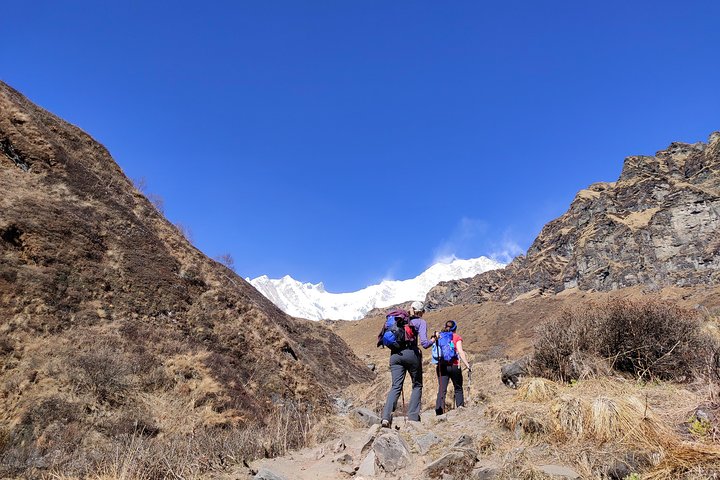
Acclimatize Properly to Avoid Altitude Sickness
Even though ABC (4,130m) is considered a moderate altitude, altitude sickness can still occur.
Tips:
Ascend gradually
- Take rest if you feel symptoms (headache, nausea)
- Stay hydrated (3–4 liters daily)
- Avoid alcohol and smoking
Train Your Body Before the Trek
Physical preparation makes a big difference in your experience.
Recommended:
- Practice hiking or long walks (4–6 hours)
- Do cardio exercises (running, cycling)
- Stair climbing for leg strength
Pack Light but Smart
Overpacking can make trekking exhausting.
Key advice:
- Keep your bag under 10–12 kg
- Carry only essentials
- Use layering instead of heavy clothing
Start Early Each Day
The weather in the mountains changes quickly, especially in the afternoon.
Benefits of an early start:
- Better weather and visibility
- Avoid afternoon clouds or rain
- Reach the destination with enough rest time
Stay Hydrated & Eat Well
Proper nutrition is crucial at high altitude.
Tips:
- Drink at least 3 liters of water daily
- Eat energy-rich meals like dal bhat
- Avoid raw or unhygienic food
Need a Guide or Porter
While the trail is well-marked, a guide enhances your experience.
Advantages:
- Better navigation and safety
- Cultural insights
- Porter reduces physical strain
Carry Enough Cash
There are no ATMs along the trekking route.
Important:
- Carry Nepali rupees from Kathmandu or Pokhara
- Budget for food, accommodation, and extras
Check Weather Before You Go
Weather conditions directly affect your trek.
Tips:
- Avoid the monsoon season
- Check forecasts regularly
- Be flexible with your itinerary
Prepare for Limited Facilities
As you go higher, facilities become basic.
Expect:
- Limited WiFi and electricity
- Paid charging services
- Shared bathrooms
Get Travel Insurance
Travel insurance is highly recommended.
Make sure it covers:
- High-altitude trekking (up to 4,500m)
- Emergency evacuation (helicopter rescue)
Respect Local Culture & Environment
You are trekking through traditional villages and protected areas.
Be responsible:
- Respect local customs and traditions
- Avoid plastic waste
- Follow “Leave No Trace” principles
Mental Preparation Matters
Trekking is as much mental as physical.
Keep in mind:
- Stay positive during challenging days
- Walk at your own pace
- Enjoy the journey, not just the destination
The Annapurna Base Camp Trek is not just about reaching the destination, it’s about the entire journey through nature, culture, and self-discovery.
Frequently Asked Questions: Annapurna Base Camp Trek
How long does the Annapurna Base Camp Trek take?
- The trek typically takes 7–12 days, depending on your pace, acclimatization stops, and starting point. Most standard itineraries are 10–11 days from Pokhara and back.
What is the maximum altitude of Annapurna Base Camp?
- The trek reaches 4,130 meters (13,550 ft) at Annapurna Base Camp, within the Annapurna Sanctuary surrounded by majestic Himalayan peaks.
What is the difficulty level of the trek?
- The ABC Trek is considered moderate. It doesn’t require technical climbing skills, but involves long walking days, steep ascents, and high-altitude trekking. Basic fitness and stamina are recommended.
Is the Annapurna Base Camp Trek suitable for beginners?
- Yes. With proper preparation, gradual acclimatization, and a steady pace, beginners can complete the trek safely. A guide or porter makes it even more manageable.
What are the required permits for the ABC Trek?
Trekkers need:
- ACAP Permit (Annapurna Conservation Area Permit)
- TIMS Card (Trekkers’ Information Management System)
- These permits are mandatory and are checked at multiple checkpoints.
What is the best time to do the Annapurna Base Camp Trek?
- Spring (March–May): Blooming rhododendrons and moderate weather
- Autumn (September–November): Clear skies and stable weather
- Winter (December–February): Cold, fewer crowds, occasional snow
- Monsoon (June–August): Not recommended due to rain and landslides
What kind of accommodation is available along the trek?
- Accommodation is mainly in tea houses or lodges, ranging from basic twin-sharing rooms to slightly better facilities in lower villages. Hot showers and WiFi are available in some places, especially at lower altitudes.
What kind of food is available on the trek?
- Staple: Dal Bhat (rice and lentils)
- Other options: Noodles, pasta, momos, soups, pancakes
- Drinks: Tea, coffee, hot chocolate
Food becomes simpler and more expensive at higher altitudes.
Is a guide or porter necessary for the trek?
Not mandatory, but highly recommended for:
- Safety and navigation
- Cultural insights
- Carrying heavy bags (porter service)
How should I prepare physically for the ABC Trek?
- Walk or hike regularly for 4–6 hours per day
- Do cardio exercises like running or cycling
- Climb stairs to build leg strength
- Train with a backpack for endurance