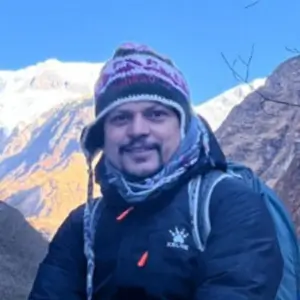
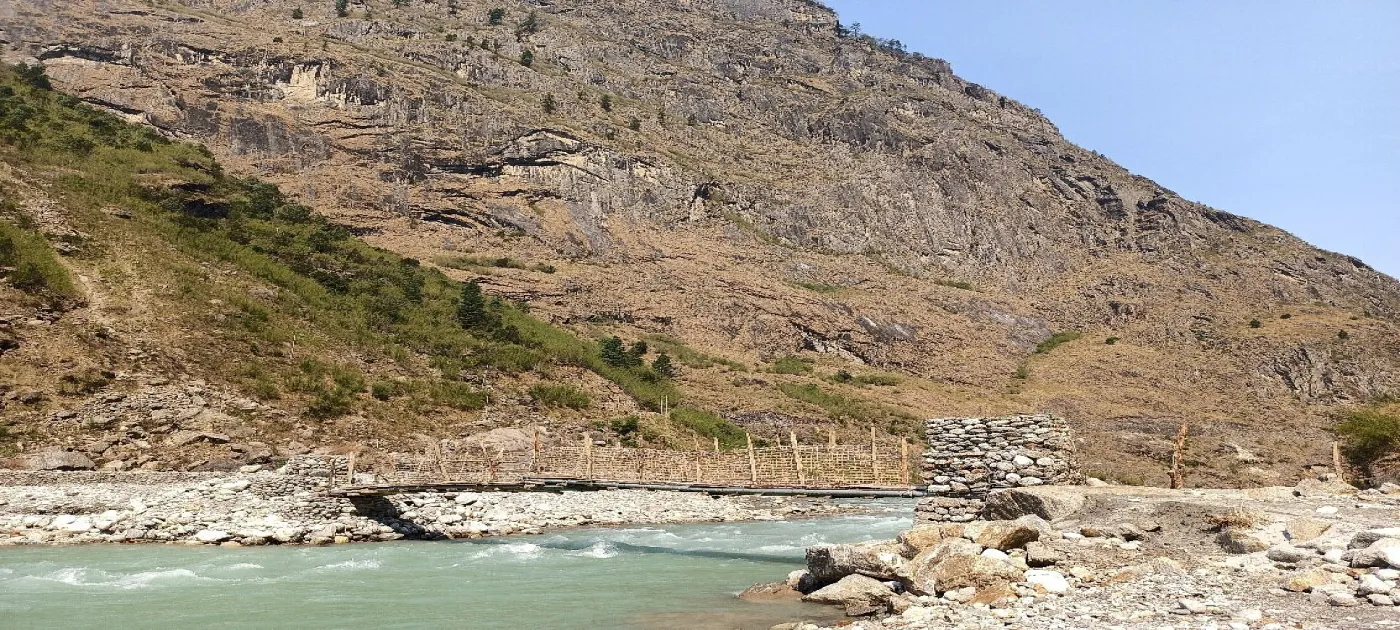
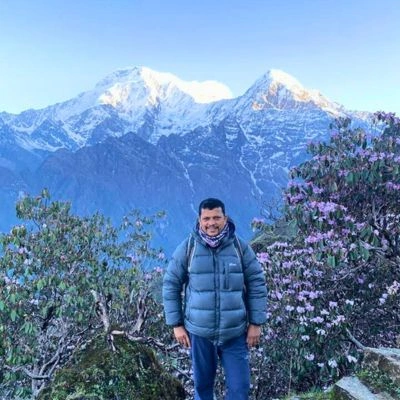
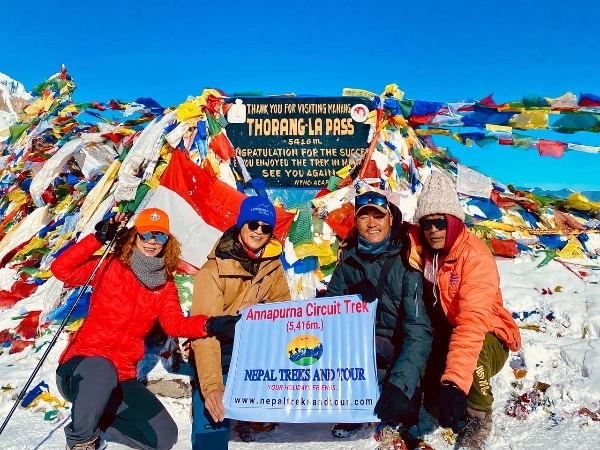
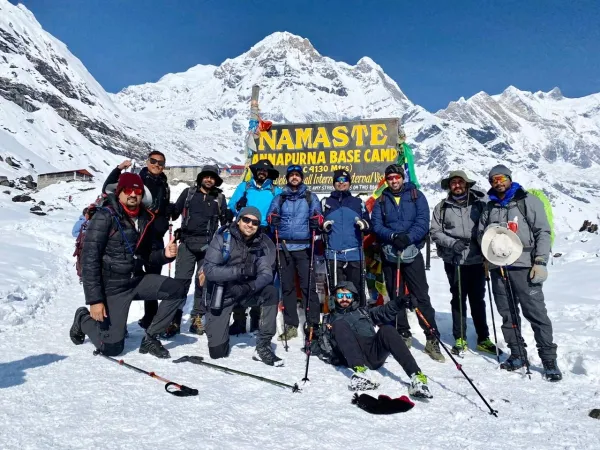
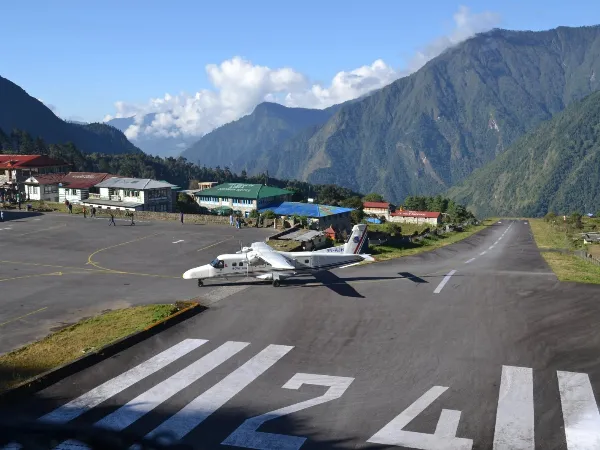
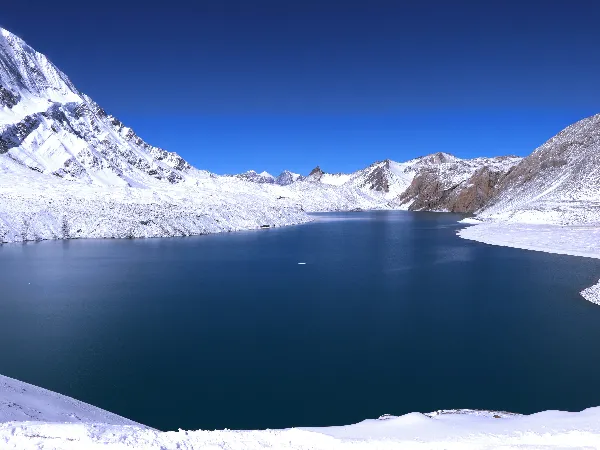
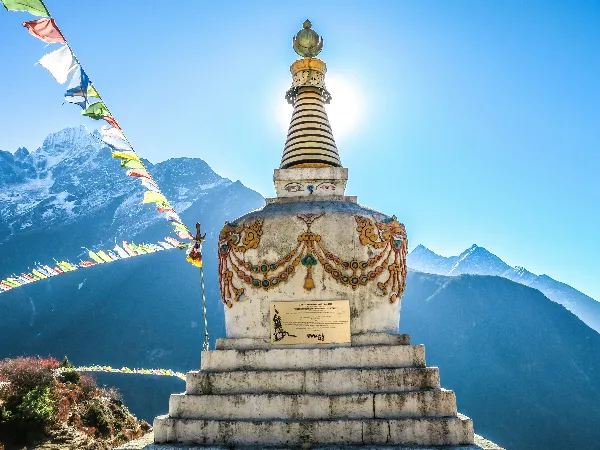
The Annapurna Circuit Trek is one of the most iconic and diverse trekking routes in Nepal, offering a once-in-a-lifetime journey through lush valleys, alpine forests, and high-altitude deserts. Circling the Annapurna massif, this legendary trek takes you across the world-famous Thorong La Pass (5,416m), combining breathtaking Himalayan views with rich cultural experiences. Whether you're a beginner or experienced trekker, this complete guide will help you plan your adventure effectively.
Annapurna Circuit Trek Overview
- Duration: 12–18 days
- Distance: 160–230 km
- Highest Point: Thorong La Pass (5,416m)
- Difficulty Level: Moderate to Challenging
- Best Seasons: Spring & Autumn
- Start Point: Besisahar / Chame
- End Point: Jomsom / Pokhara
The trek usually takes 15–20 days, depending on route and itinerary and offers dramatic changes in landscape and culture.
Why Choose Annapurna Circuit Trek?
- Diverse landscapes (jungles to deserts)
- Stunning views of Annapurna, Dhaulagiri, and Manaslu
- Cultural immersion in Gurung & Tibetan villages
- Crossing one of the highest trekking passes in the world
- One of the most rewarding long-distance treks globally
Annapurna Circuit Trek Itinerary (14 Days)
Day 1: Drive Kathmandu → Besisahar → Jagat
Day 2: Trek to Dharapani
Day 3: Trek to Chame
Day 4: Trek to Pisang
Day 5: Trek to Manang
Day 6: Acclimatization Day
Day 7: Trek to Yak Kharka
Day 8: Trek to Thorong Phedi
Day 9: Cross Thorong La Pass → Muktinath
Day 10: Drive to Jomsom
Day 11: Fly/Drive to Pokhara
Day 12–14: Return to Kathmandu
Best Time for Annapurna Circuit Trek
Choosing the right season for the Annapurna Circuit Trek is crucial for safety, clear mountain views, and an overall enjoyable experience. The trek crosses the high-altitude Thorong La Pass (5,416m), so weather conditions play a major role.
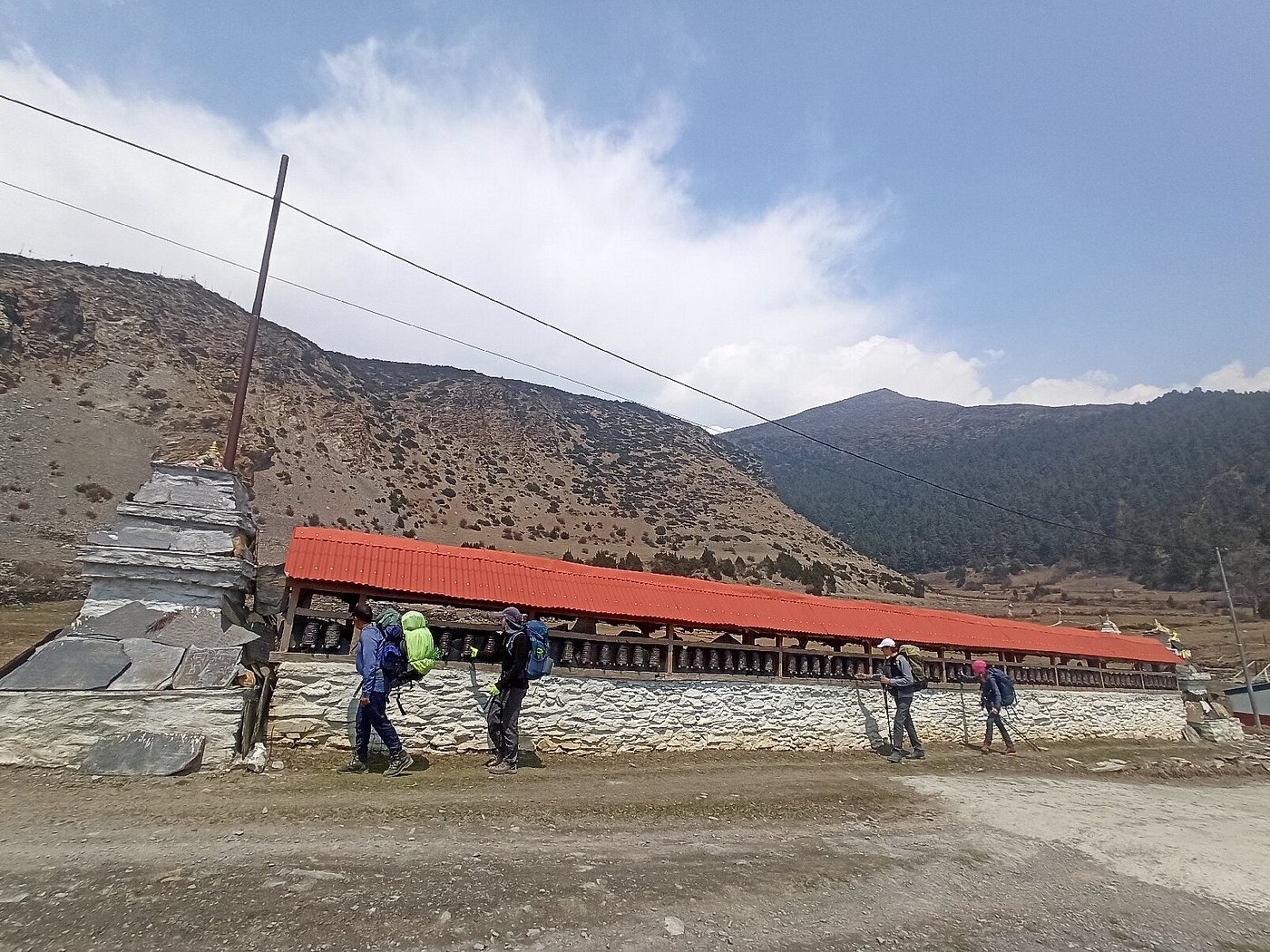
Spring Season (March – May) – Best Overall
Spring is one of the most popular and ideal times to trek.
Why it’s great:
- Blooming rhododendron forests along the trail
- Moderate temperatures (10°C to 20°C in lower regions)
- Clear views of Annapurna, Dhaulagiri, and Manaslu ranges
Stable weather conditions
- Best for: Nature lovers, photographers, and first-time trekkers
- Autumn Season (September – November) – Peak Season
Autumn is considered the best season overall for trekking in Nepal.
Why it’s great:
- Crystal-clear mountain views after the monsoon
- Stable weather and dry trails
- Perfect visibility for crossing Thorong La Pass
- Comfortable temperatures
Best for: Everyone (most recommended season)
Winter Season (December – February) – Challenging but Quiet
Winter trekking is possible but comes with challenges.
Pros:
- Fewer crowds
- Clear skies and stunning snow landscapes
Cons:
- Extremely cold temperatures (down to -20°C at high altitude)
- Thorong La Pass may be closed due to heavy snow
Best for: Experienced trekkers seeking solitude
Monsoon Season (June – August) – Not Recommended
This is the least favorable time for trekking.
Challenges:
- Heavy rainfall and slippery trails
- Landslides in lower regions
- Poor mountain visibility
Exception:
- Upper Mustang section (rain-shadow area) can still be trekked
Best for: Not recommended unless experienced and well-prepared
Best Months Summary
| Month |
Condition |
Recommendation |
| March – May |
Warm, blooming |
Excellent |
| Sept – Nov |
Clear & stable |
Best |
| Dec – Feb |
Cold, snowy |
Moderate |
| June – Aug |
Rainy |
Avoid |
For the best experience on the Annapurna Circuit Trek, plan your trip during spring (March–May) or autumn (September–November). These seasons offer the perfect combination of clear skies, safe trail conditions, and breathtaking Himalayan views.
Permits Required for Annapurna Circuit Trek
To legally complete the Annapurna Circuit Trek, you must obtain the required trekking permits issued by the Nepal government. These permits ensure environmental conservation, trekker safety, and proper trail management.
Annapurna Conservation Area Permit (ACAP)
The ACAP permit is the only essential permit for the Annapurna Circuit Trek.
Why you need it:
- Required to enter the Annapurna Conservation Area
- Supports conservation, wildlife protection, and local communities
- Checked at multiple checkpoints (Besisahar, Chame, Manang, Jomsom)
Cost:
- Foreigners: NPR 3,000 (~$25)
- SAARC Nationals: NPR 1,000
- Children under 10: Free
This permit is compulsory for all trekkers without exception.
TIMS Card (Trekkers’ Information Management System)
Previously, trekkers needed a TIMS card, but recent updates have changed the rule.
Current Status:
- No longer required for the Annapurna Circuit Trek in practice
- Most checkpoints only verify the ACAP permit
- Still mentioned on some websites (causing confusion)
Recent trekking updates confirm that ACAP alone is sufficient for Annapurna Circuit Trek.
Restricted Area Permit (RAP)
You do NOT need a Restricted Area Permit for the standard Annapurna Circuit route.
- Required only if you extend your trek to:
- Upper Mustang (Lo Manthang)
- Nar Phu Valley
These areas are restricted zones and require special permits issued through Nepal Treks and Tour.
Documents Required
- Passport copy
- Passport-size photos
- Travel itinerary (sometimes required)
Important Notes
- Always carry a printed copy of your permit
- Permits are checked multiple times during the trek
- Without a permit, you may face fines or be denied entry
-
- Permits are non-transferable and non-refundable
For the Annapurna Circuit Trek, you currently need only one mandatory permit: the ACAP. The TIMS card is no longer enforced, and restricted permits are required only for special side trips like Upper Mustang or Nar Phu Valley.
Difficulty Level of Annapurna Circuit Trek
The Annapurna Circuit Trek is considered a moderate to challenging trek, mainly due to its high altitude, long duration, and diverse terrain. While it does not require technical climbing skills, it demands good physical fitness, endurance, and proper acclimatization.
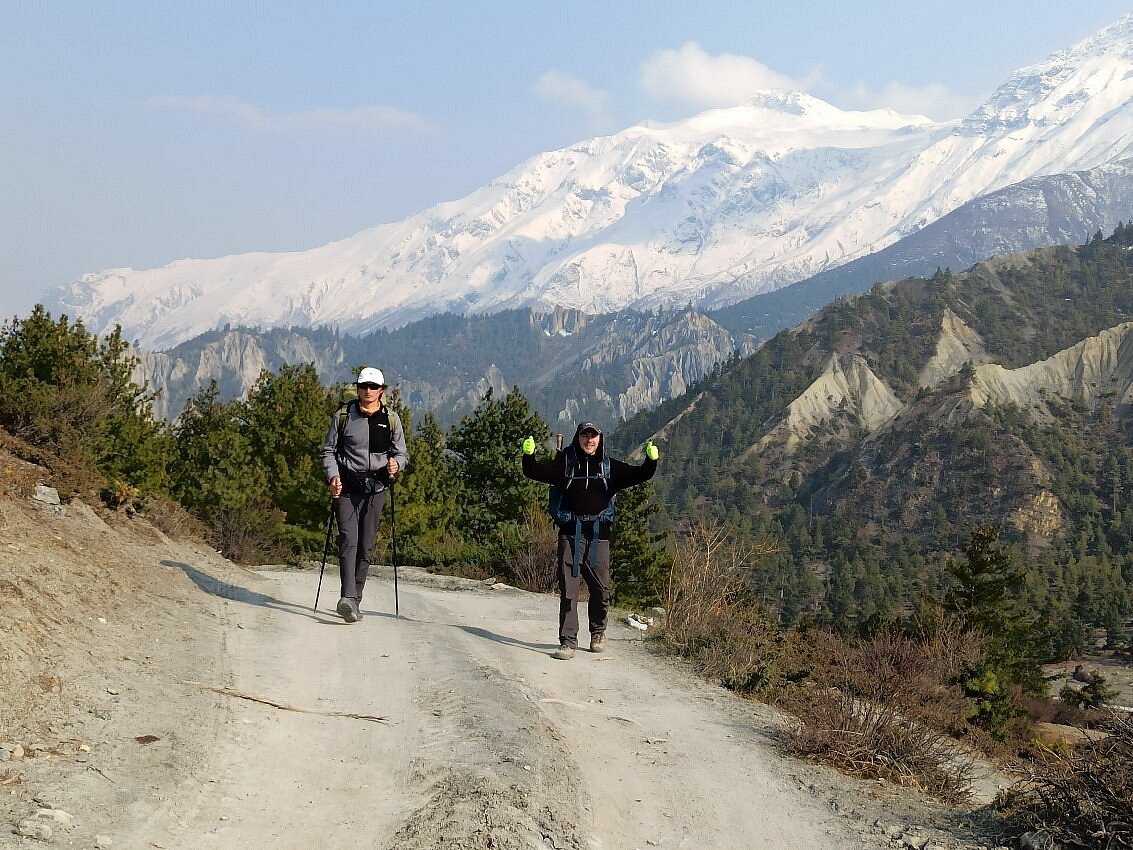
Why it’s manageable:
- Well-established trails
- Teahouse accommodation (no need for camping)
- Flexible itinerary options
- Suitable for beginners with preparation
Why it’s challenging:
- Long trekking days (5–8 hours daily)
- High altitude above 5,000 meters
- Steep ascents and descents
- Unpredictable mountain weather
Biggest Challenge: Thorong La Pass (5,416m)
The most difficult part of the trek is crossing Thorong La Pass, one of the highest trekking passes in the world.
Challenges at the pass:
- Low oxygen levels (risk of altitude sickness)
- Very cold temperatures (up to -15°C or lower)
- Strong winds and sudden weather changes
- Long trekking day (8–10 hours)
Proper acclimatization in Manang is crucial before attempting the pass.
Altitude Sickness Risk
One of the main reasons this trek is challenging is the risk of Acute Mountain Sickness (AMS).
Risk increases above: 3,000 meters
Symptoms include:
Headache
- Nausea
- Dizziness
- Shortness of breath
Prevention is key:
- Take acclimatization days
- Walk slowly
- Stay hydrated
Daily Trekking Difficulty
| Section |
Difficulty |
| Lower Region (Besisahar to Chame) |
Easy to Moderate |
| Manang Region |
Moderate |
| Thorong La Pass |
Challenging |
| Muktinath to Jomsom |
Moderate (windy & dry) |
Fitness Level Required
You don’t need to be an athlete, but you should have:
- Good cardiovascular endurance
- Ability to walk 5–7 hours daily
- Basic hiking experience (recommended)
Training like hiking, cardio, and stair climbing before the trek helps a lot.
Can Beginners Do the Annapurna Circuit Trek?
Yes, beginners can complete the trek if they:
- Follow a proper itinerary
- Include acclimatization days
- Trek at a steady pace
- Stay physically prepared
The guide is highly recommended for first-time trekkers.
Factors That Affect Difficulty
- Weather conditions (especially at high altitude)
- Itinerary pace (rushing increases risk)
- Physical fitness level
- Altitude adaptation
- Season of trekking
The Annapurna Circuit Trek is a challenging but achievable adventure. With the right preparation, acclimatization, and mindset, it is suitable for both beginners and experienced trekkers, offering one of the most rewarding trekking experiences in Nepal.
Accommodation & Food on Annapurna Circuit Trek
The Annapurna Circuit Trek is one of the best teahouse treks in Nepal, meaning you don’t need to carry camping gear. Along the route, you’ll find plenty of lodges, guesthouses, and teahouses offering basic yet comfortable accommodation and a wide variety of भोजन (food).
Accommodation on Annapurna Circuit Trek
Teahouses & Lodges
Accommodation throughout the Annapurna Circuit mainly consists of teahouses run by local families.
What to expect:
- Twin-sharing rooms with simple beds
- Mattress, pillow, and blanket provided
- Wooden or basic furnished rooms
- Shared bathrooms (attached in lower regions)
Comfort Level by Region
| Region |
Accommodation Standard |
| Lower Region (Besisahar, Chame) |
Comfortable, some attached bathrooms |
| Manang Area |
Good teahouses with better facilities |
| High Altitude (Yak Kharka, Thorong Phedi) |
Basic & limited |
| Muktinath / Jomsom |
Comfortable lodges & hotels |
As you go higher, accommodation becomes more basic due to remoteness.
Facilities Available
- Dining hall with a heater (firewood)
- Hot showers (extra charge: $2–$5)
- Charging devices (paid service)
- Wi-Fi (limited and slow at high altitude)
Food on Annapurna Circuit Trek
One of the highlights of this trek is the variety of food available even in remote areas.
Popular Meals
🇳🇵 Local Food:
- Dal Bhat (rice, lentils, vegetables) – unlimited servings
- Tibetan bread with honey or jam
- Thukpa (noodle soup)
- Momos (dumplings)
Western Options:
- Pasta, spaghetti, macaroni
- Pizza (basic version)
- Pancakes, porridge
- Fried rice, noodles
Drinks Available
- Tea (black, milk, ginger, lemon)
- Coffee
- Hot chocolate
- Bottled or boiled water
Prices increase as altitude rises due to transportation difficulty.
The Annapurna Circuit offers comfortable teahouse accommodation and diverse food options, making it one of the most accessible long treks in the Himalayas. While facilities become basic at higher elevations, the hospitality, warm meals, and scenic surroundings make the experience unforgettable.
Important Tips for Annapurna Circuit Trek
The Annapurna Circuit Trek is a life-changing Himalayan journey, but proper preparation is essential for a safe and enjoyable experience. Here are the most important tips every trekker should know before starting.
Acclimatize Properly
Altitude is the biggest challenge on the Annapurna Circuit, especially before crossing Thorong La Pass (5,416m).
Tips:
- Take at least one acclimatization day in Manang
- Follow “climb high, sleep low”
- Do not rush your itinerary
Stay Hydrated
Dehydration increases the risk of altitude sickness.
Drink:
- 3–4 liters of water daily
- Hot soups and herbal teas
- Avoid alcohol and excessive caffeine at high altitudes.
Walk Slow & Maintain Pace
Trekking is not a race.
Follow:
- Slow and steady pace
- Take frequent short breaks
- Listen to your body
Pack Smart & Light
Overpacking can make trekking difficult.
Essentials:
- Down jacket & thermal layers
- Good trekking boots
- Sleeping bag (for cold nights)
- Trekking poles
- First aid kit
Keep your backpack under 8–10 kg if possible.
Choose the Right Season
Best seasons:
- Spring (March–May)
- Autumn (September–November)
Avoid monsoon and extreme winter unless experienced.
Guide or Porter (Recommended)
While the trail is well-marked, having support helps.
Benefits:
- Navigation and safety
- Local knowledge
- Emergency assistance
Carry Enough Cash
There are no ATMs in remote areas after Besisahar/Chame.
Bring:
- Enough Nepali cash for the entire trek
- Extra budget for emergencies
Eat Well & Stay Energized
Food is your fuel.
Best option:
- Dal Bhat (unlimited, nutritious, energy-rich)
Avoid:
- Meat at high altitude
- Unhygienic food
Be Aware of Altitude Sickness (AMS)
Watch for symptoms:
- Headache
- Nausea
- Dizziness
- Loss of appetite
If symptoms worsen:
- Descend immediately
- Do not ignore signs
Prepare for Limited Facilities
- Charging costs extra
- Wi-Fi is slow or unavailable
- Hot showers are limited at high altitude
Carry:
- Power bank
- Extra batteries
Respect Local Culture
The Annapurna region is rich in Tibetan and Gurung culture.
Follow:
- Dress modestly
- Respect monasteries and traditions
- Ask before taking photos
Trek Responsibly
- Avoid plastic waste
- Carry reusable water bottles
- Follow “Leave No Trace” principles
Preparation is the key to enjoying the Annapurna Circuit Trek. Stay physically fit, plan your itinerary wisely, and respect the mountains—this will ensure a safe, memorable, and rewarding adventure.
FAQs: Annapurna Circuit Trek
How long is the Annapurna Circuit Trek?
- The trek usually takes 12 to 18 days, depending on your route, pace, and acclimatization days. Shorter versions are possible with road access.
What is the highest point of the trek?
- The highest point is Thorong La Pass (5,416 meters), one of the highest trekking passes in the world.
How difficult is the Annapurna Circuit Trek?
- It is considered moderate to challenging, mainly due to high altitude, long walking hours, and the crossing of Thorong La Pass.
Can beginners do the Annapurna Circuit Trek?
- Yes, beginners can complete the trek with proper preparation, fitness, and acclimatization. The guide is highly recommended.
Do I need a guide for the Annapurna Circuit Trek?
- A guide is not mandatory, but it is strongly recommended for safety, navigation, and a better cultural experience.
What permits are required for the Annapurna Circuit Trek?
You need:
- Annapurna Conservation Area Permit (ACAP) (mandatory)
- TIMS card (generally not required now)
What is the best time for the Annapurna Circuit Trek?
The best time is:
- Spring (March–May)
- Autumn (September–November)
These seasons offer the best weather and mountain views.
Is altitude sickness a serious concern?
- Yes, altitude sickness is one of the main challenges.
To prevent it:
- Acclimatize properly
- Drink plenty of water
- Ascend slowly
What kind of accommodation is available?
- You will stay in teahouses and lodges with basic but comfortable facilities throughout the trek.
What food is available on the trek?
You’ll find a mix of:
- Local meals like Dal Bhat
- Western dishes like pasta, pancakes, and soups
Is Wi-Fi and electricity available?
- Wi-Fi is available in some places but slow and paid
- Charging devices cost extra
Do I need travel insurance?
Yes, travel insurance is highly recommended, especially one that covers:
- High-altitude trekking
- Emergency helicopter evacuation
Can I do the trek solo?
Yes, solo trekking is possible, but:
- A guide improves safety
- Navigation and emergencies are easier to handle
Is the Annapurna Circuit Trek safe?
Yes, it is generally safe if you:
- Follow proper acclimatization
- Check weather conditions
- Trek with preparation
The Annapurna Circuit Trek is a rewarding Himalayan adventure suitable for both beginners and experienced trekkers. With proper planning, permits, and preparation, you can safely enjoy one of the most beautiful trekking routes in the world.