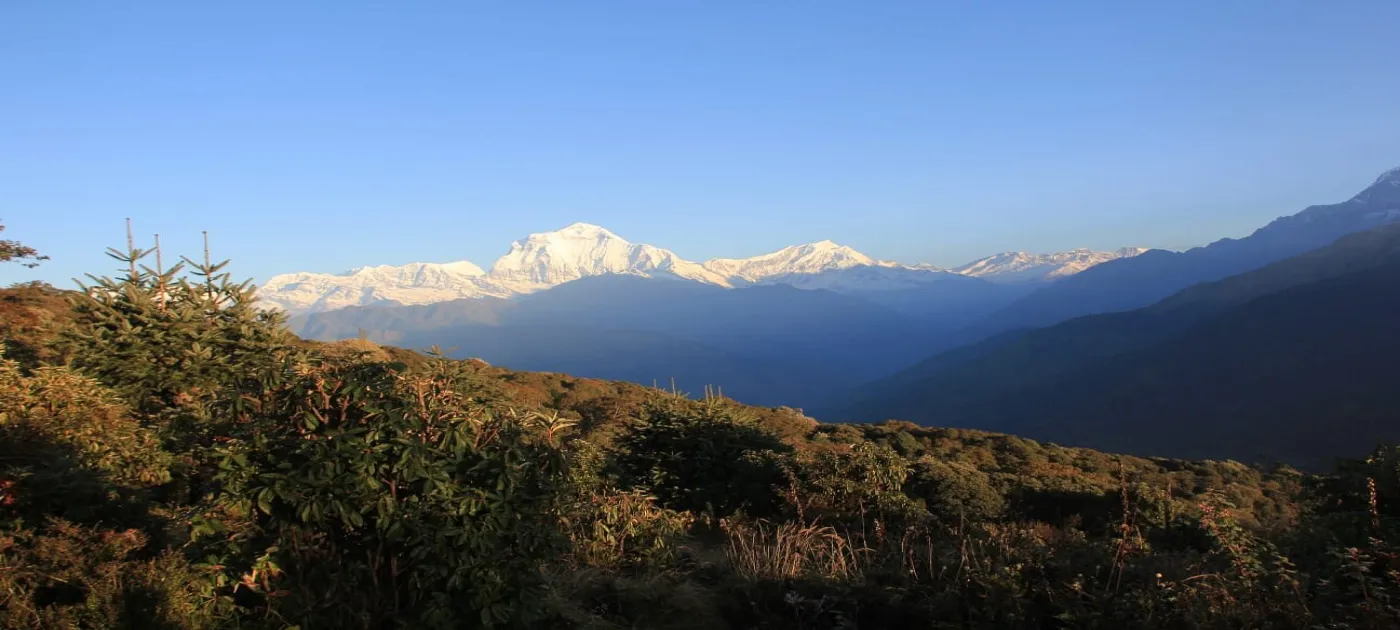
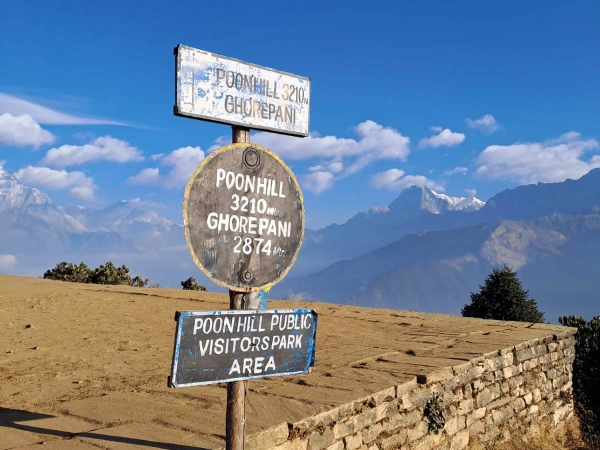
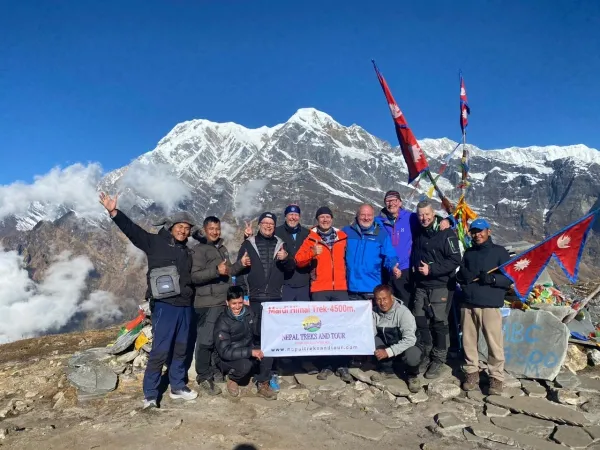
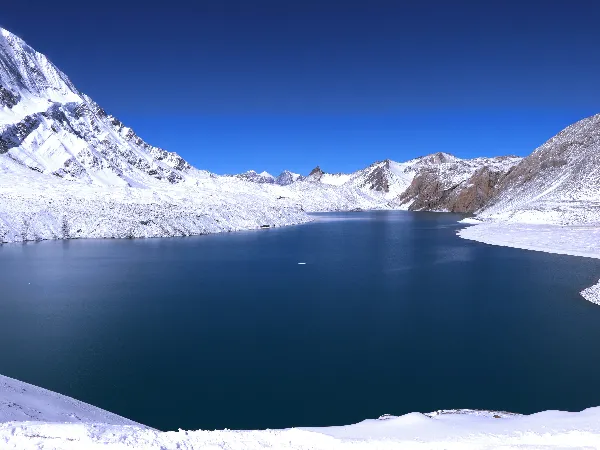
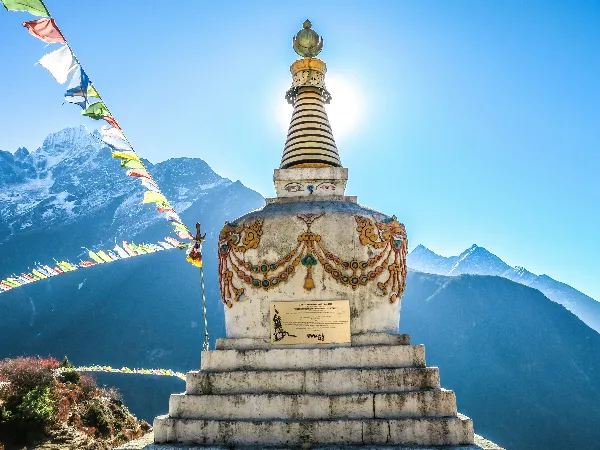
The Ghorepani Poon Hill Trek is one of the most popular short treks in Nepal, offering breathtaking Himalayan views, rich cultural experiences, and a perfect introduction to trekking in the Annapurna region. Ideal for beginners and travelers with limited time, this trek combines scenic landscapes, traditional villages, and the iconic sunrise view from Poon Hill (3,210m).
Highlights of Ghorepani Poon Hill Trek (Short Points)
- Sunrise from Poon Hill (3,210m) – breathtaking panoramic views of the Himalayas
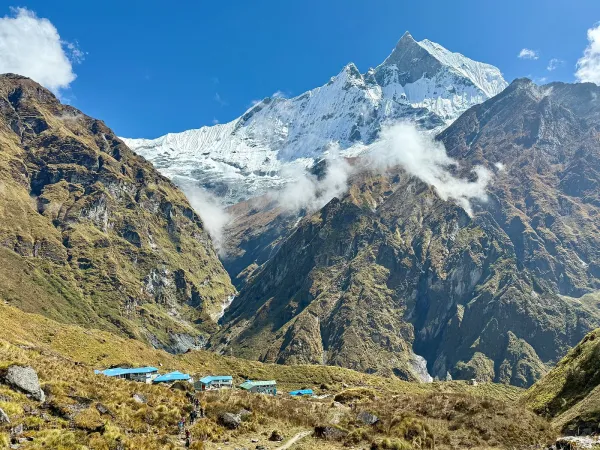
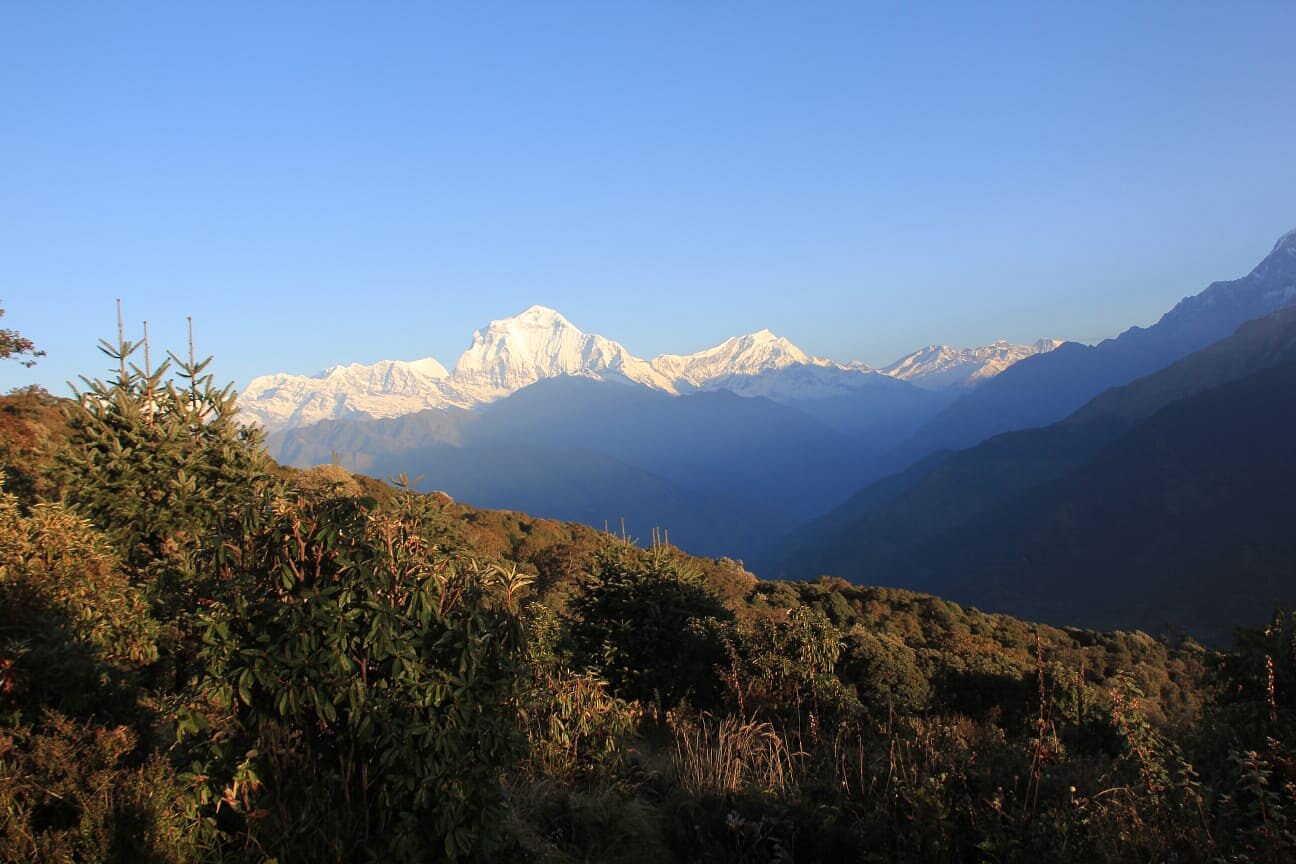
- Stunning mountain views – Annapurna, Dhaulagiri, Machhapuchhre & more
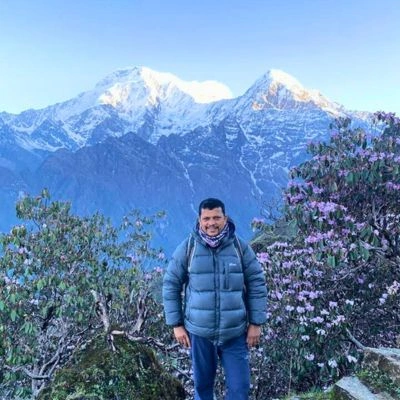
- Rhododendron forests – especially beautiful in the spring season
- Traditional villages – explore Gurung & Magar culture in places like Ghandruk & Ghorepani
- Short & easy trek – perfect for beginners and time-limited travelers
- Scenic trails – lush forests, waterfalls, and terraced fields
- Teahouse experience – cozy stays with warm local hospitality
- Best photography spots – sunrise, mountains, and cultural landscapes
- Stone staircase adventure – famous Ulleri steps challenge
- Accessible from Pokhara – easy logistics and quick getaway trek
Why Choose Ghorepani Poon Hill Trek?
- Short and easy trek (4–6 days)
- Stunning sunrise view over Annapurna & Dhaulagiri
- Suitable for beginners and families
- Cultural experience with Gurung & Magar communities
- Beautiful rhododendron forests (especially in spring)
Ghorepani Poon Hill Trek Overview
- Region: Annapurna Conservation Area
- Duration: 4–5 days
- Maximum Altitude: 3,210 meters (Poon Hill)
- Difficulty Level: Easy to Moderate
- Starting Point: Nayapul (via Pokhara)
Ghorepani Poon Hill Trek Itinerary (5 Days)
Day 1: Drive to Nayapul & Trek to Tikhedhunga
- Scenic drive from Pokhara
- Easy walk through villages and rivers
Day 2: Trek to Ghorepani
- Steep climb via Ulleri (stone steps)
- Forest walk with rhododendrons
Day 3: Sunrise at Poon Hill & Trek to Tadapani
- Early morning hike to Poon Hill
- Panoramic Himalayan views
Day 4: Trek to Ghandruk
- Descend through forests
- Explore Gurung village
Day 5: Trek to Nayapul & Drive to Pokhara
Best Time for Ghorepani Poon Hill Trek
Choosing the right season is essential to fully enjoy the Ghorepani Poon Hill Trek, especially for clear mountain views and a stunning sunrise experience from Poon Hill (3,210m). Here’s a detailed seasonal breakdown to help you plan perfectly:
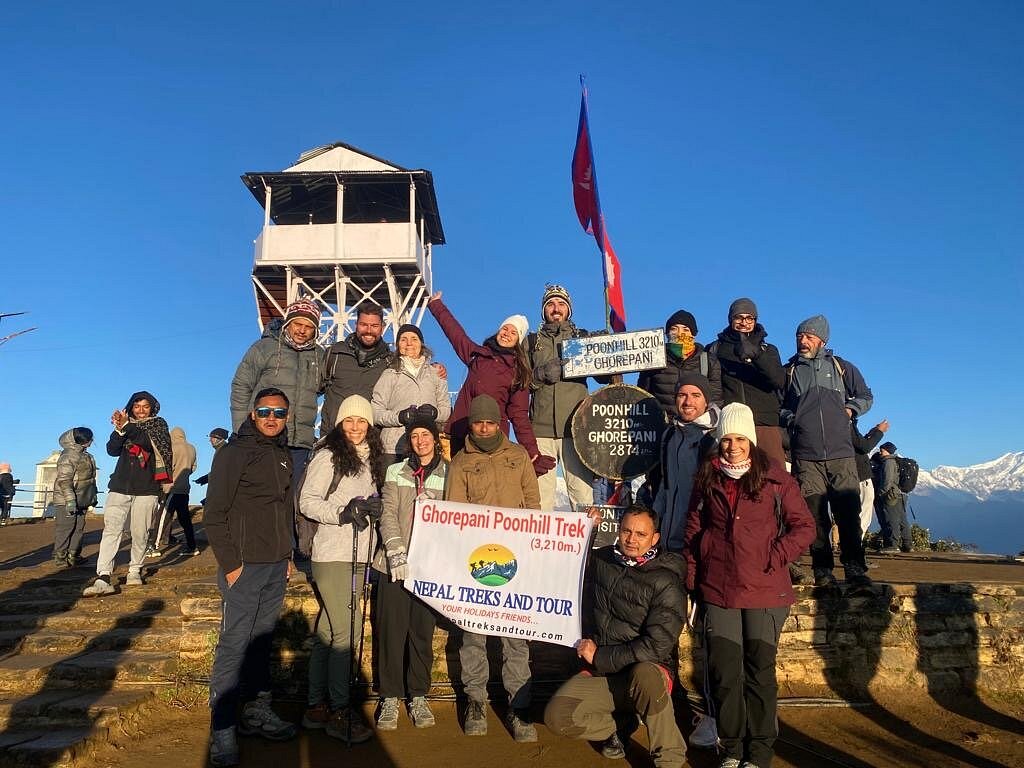
Spring (March – May) – Best for Nature & Flowers
Spring is one of the best times for the Ghorepani Poon Hill Trek.
Why go in the spring?
- Rhododendron forests in full bloom
- Pleasant temperatures (10°C to 20°C)
- Clear views of Annapurna & Dhaulagiri ranges
- Lush green hills and colorful landscapes
Autumn (September – November) – Best Overall Season
Autumn is considered the peak and best season for the Poon Hill Trek.
Why go in autumn?
- Crystal-clear mountain views
- Stable weather with blue skies
- Ideal trekking temperature (5°C to 15°C)
- Major festivals like Dashain & Tihar
Winter (December – February) – Quiet & Snowy
Winter offers a peaceful trekking experience with fewer crowds.
Pros:
- Quiet trails and fewer tourists
- Snow-covered landscapes (magical views)
- Clear skies on most days
Cons:
- Cold temperatures (below 0°C at night)
- Possible snow on trails
Monsoon (June – August) – Least Recommended
Monsoon is the least favorable time for the trek.
Challenges:
- Heavy rainfall and slippery trails
- Limited mountain views due to clouds
- Leeches in forest areas
Pros:
- Green and lush landscapes
- Fewer trekkers
For the best sunrise view from Poon Hill, choose October, November, March, or April for the clearest skies and unforgettable Himalayan panoramas.
Permits Required for Ghorepani Poon Hill Trek
To complete the Ghorepani Poon Hill Trek, every trekker must obtain mandatory trekking permits before entering the Annapurna region. These permits are checked at multiple checkpoints along the trail, so you must carry them throughout your trek.
Annapurna Conservation Area Permit (ACAP)
The ACAP permit is the most important permit for this trek.
Why you need ACAP:
- Required to enter the Annapurna Conservation Area
- Supports environmental conservation and local communities
- Mandatory for all trekkers (foreigners, SAARC, and Nepali)
Cost :
- Foreigners: NPR 3,000 (~USD 25–30)
- SAARC Nationals: NPR 1,000
Where to get it:
- Nepal Tourism Board (Kathmandu )
TIMS Card (Trekkers’ Information Management System)
The TIMS card is a safety and tracking permit.
Why do you need TIMS?
- Records your trekking details
- Helps authorities track trekkers for safety and rescue
- Required for most trekking routes in Nepal
Cost:
- Independent trekkers: NPR 2,000
Where to get it:
- Nepal Tourism Board (NTB)
- Permits are arranged by us.
Poon Hill Entrance Fee (Optional/Local Fee)
- Small local fee collected near Poon Hill viewpoint
- Applies if you hike up to the sunrise viewpoint
- Not always included in main permits
Important Notes
- Both ACAP + TIMS are mandatory for the trek
- Permits are single-entry and non-transferable
- You must show permits at checkpoints like Birethanti & Ghorepani
- Most trekkers now go with a licensed guide (recommended/required in many cases)
Total Permit Cost (Estimate)
ACAP: NPR 3,000
TIMS: NPR 1,000–2,000
Total: NPR 4,000–5,000 (~USD 35–50)
Always arrange your permits before starting the trek from Pokhara/Nayapul, as you cannot proceed without them. We make the process faster and hassle-free.
Difficulty Level of Ghorepani Poon Hill Trek
The Ghorepani Poon Hill Trek is considered an easy-to-moderate trek, making it one of the best short trekking routes in Nepal for beginners, families, and first-time hikers.
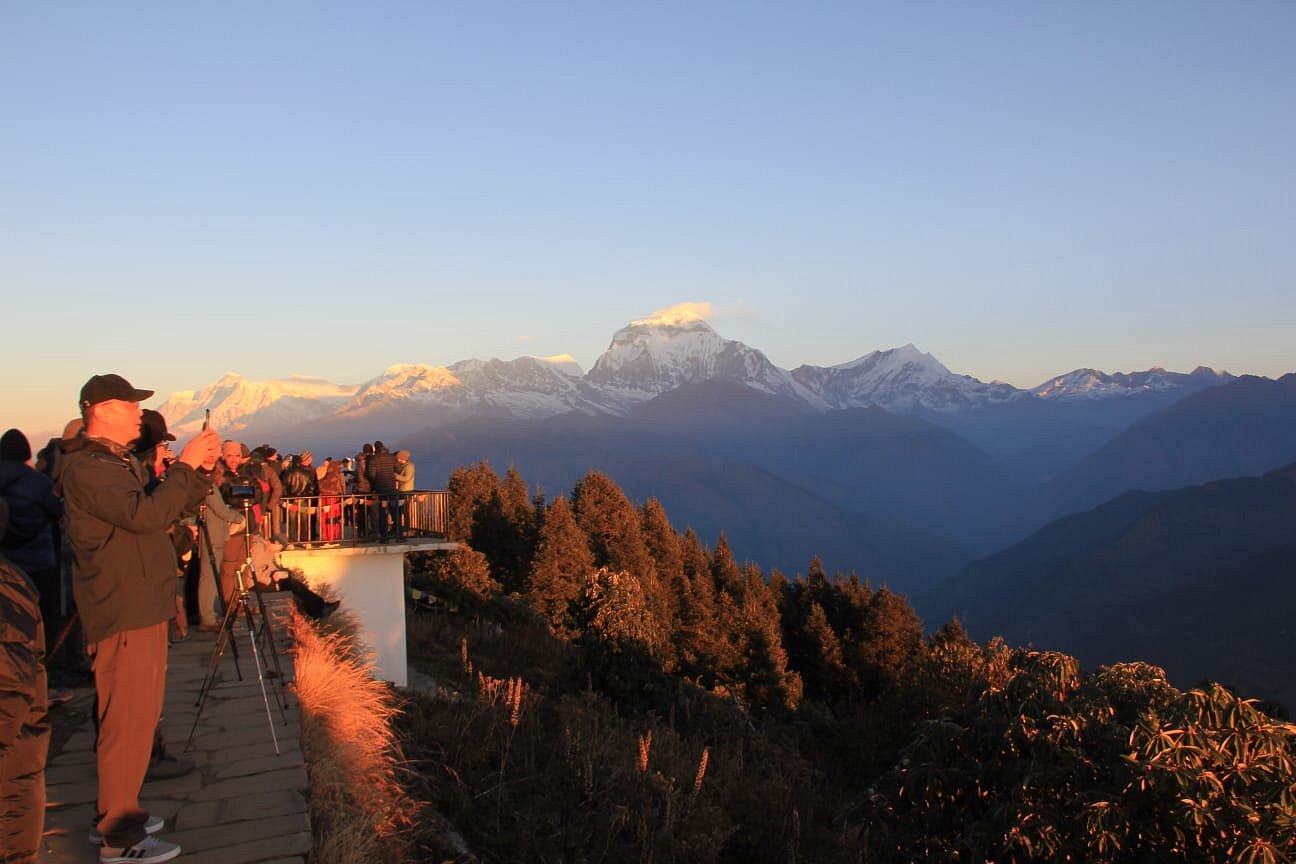
What Makes the Trek Easy?
Short Duration
- Typically 4–5 days
- Suitable for travelers with limited time
Lower Altitude
- Maximum elevation: 3,210 meters (Poon Hill)
- Low risk of serious altitude sickness
Well-Marked Trails
- Clear trekking routes
- Easy navigation with plenty of teahouses
- Main Challenges of the Trek
Steep Stone Staircases (Ulleri Section)
- One of the toughest parts of the trek
- Thousands of stone steps to climb
- Can be tiring, especially for beginners
Daily Walking Hours
- Average 4–6 hours per day
- Requires basic fitness and stamina
Early Morning Hike to Poon Hill
- Wake-up call around 4–5 AM
- Cold temperatures and uphill hike in the dark
Fitness Level Required
You don’t need to be an athlete, but you should have:
- Basic physical fitness
- Ability to walk for several hours
- Some prior hiking experience (helpful but not required)
Light training like walking, stair climbing, or cardio before the trek is recommended.
Altitude Consideration
Highest point: Poon Hill (3,210m). Mild symptoms like headache or fatigue may occur
Serious altitude sickness is rare
Who Is This Trek Suitable For?
- Beginners
- Families with children
- Senior travelers (with good health)
- First-time trekkers in Nepal
Who Might Find It Challenging?
- People with low fitness levels
- Those not used to uphill walking
- Travelers sensitive to cold or early mornings
How to Make It Easier
- A guide or porter
- Walk at a steady, slow pace
- Take regular breaks
- Use trekking poles (especially for stairs)
- Stay hydrated and eat properly
The Ghorepani Poon Hill Trek difficulty is manageable for most people, offering a perfect balance of adventure and comfort. While the stone steps and uphill climbs can be challenging, the breathtaking Himalayan views and cultural experience make every step worthwhile.
Accommodation & Food on Ghorepani Poon Hill Trek
The Ghorepani Poon Hill Trek offers a comfortable teahouse trekking experience, making it one of the most accessible and beginner-friendly treks in Nepal. Along the route, you’ll find plenty of lodges, warm meals, and basic but cozy facilities.
Accommodation on Ghorepani Trek
Teahouse Lodges (Primary Accommodation)
Accommodation is mainly in traditional teahouses, run by local families in villages like Tikhedhunga, Ulleri, Ghorepani, Tadapani, and Ghandruk.
What to Expect:
- Simple twin-sharing rooms
- Wooden beds with a mattress, pillow, and blanket
- Shared bathrooms (some with attached in larger villages)
- Dining hall with a central heater (common area)
Facilities Available:
- Hot showers (extra charge)
- Charging facilities (paid)
- Wi-Fi (limited and slow)
Food on Ghorepani Trek
Food on the trek is surprisingly diverse, offering both local Nepali dishes and basic international meals.
Popular Meals:
- Dal Bhat (rice, lentils, vegetables) – unlimited refills
- Noodles, fried rice, pasta
- Momos (dumplings)
- Soups (garlic soup, vegetable soup)
Breakfast Options:
- Tibetan bread, chapati
- Pancakes, porridge, eggs
- Tea, coffee, hot lemon
Drinks:
- Tea (black, milk, ginger, lemon, honey)
- Coffee
- Bottled water / boiled water
Dining Experience
- Meals are served in a communal dining hall
- Warm and social atmosphere
- Great place to meet other trekkers
Important Tips
- Always eat where you stay (helps reduce room cost)
- Carry snacks (energy bars, chocolates)
- Drink plenty of water (3–4 liters daily)
- Avoid meat at higher altitudes (freshness concerns)
- Bring water purification tablets or a filter
Accommodation and food on the Ghorepani Poon Hill Trek are simple but comfortable, offering an authentic Himalayan trekking experience. The warm hospitality of locals, hearty meals, and cozy teahouses make the journey even more memorable.
Important Tips for Ghorepani Poon Hill Trek
Planning the Ghorepani Poon Hill Trek? These essential tips will help you enjoy a safe, comfortable, and unforgettable Himalayan experience.
Start Early Each Day
- Begin your trek early to avoid heat and crowds
- For Poon Hill sunrise, start hiking around 4–5 AM
Stay Hydrated
- Drink at least 3–4 liters of water daily
- Carry a reusable bottle and purification tablets
Walk at a Slow & Steady Pace
- Avoid rushing, especially on uphill sections like Ulleri
- Maintain a comfortable rhythm to conserve energy
Guide or Porter (Recommended)
- Makes navigation easier and safer
- Enhances your cultural experience
- Helps reduce physical strain
Carry Enough Cash
- No ATMs on the trekking route
- Bring Nepali rupees for food, accommodation, and charging
Pack Smart & Light
- Essentials: trekking boots, warm jacket, rain gear
- Avoid overpacking: keep your backpack manageable
Check the Weather Before Trekking
- Choose spring or autumn for best conditions
- Avoid heavy rain or extreme cold if possible
Eat Well & Stay Energized
- Prefer freshly cooked meals like Dal Bhat
- Avoid meat at higher elevations
Be Aware of Altitude
- Highest point is 3,210m (Poon Hill)
- Risk is low, but listen to your body
- Rest if you feel discomfort
Prepare for Limited Facilities
- Electricity, Wi-Fi, and hot showers cost extra
- Carry a power bank and basic essentials
Book Accommodation in Peak Season
- Lodges can fill up quickly in spring & autumn
- Advance booking is recommended
Respect Local Culture & Nature
- Follow local customs in villages
- Avoid plastic waste and keep trails clean
The highlight of the trek is the sunrise view from Poon Hill; choose a clear day and carry a flashlight/headlamp for the early morning hike.
FAQs: Ghorepani Poon Hill Trek
How long is the Ghorepani Poon Hill Trek?
- The trek typically takes 4 to 5 days, depending on your itinerary and pace. Some itineraries can be extended to 6–7 days with additional stops.
What is the best time for the Ghorepani Poon Hill Trek?
- The best time is spring (March–May) and autumn (September–November) for clear mountain views and pleasant weather.
How difficult is the Poon Hill Trek?
- It is an easy-to-moderate trek, suitable for beginners. The main challenge is the stone staircase climb at Ulleri and daily walking of 4–6 hours.
What is the altitude of Poon Hill?
- Poon Hill stands at 3,210 meters (10,531 feet) above sea level.
Do I need permits for the trek?
Yes, you need:
- ACAP (Annapurna Conservation Area Permit)
- TIMS Card
Is a guide mandatory for the Ghorepani Poon Hill Trek?
- A guide is highly recommended and may be required under updated Nepal trekking regulations. It ensures safety and a better experience.
Can beginners do the Ghorepani Trek?
- Yes, this is one of the best beginner-friendly treks in Nepal with well-marked trails and comfortable teahouses.
How much does the Ghorepani Poon Hill Trek cost?
- The average cost ranges from USD 400 to 700 per person, depending on services, guide, and accommodation.
What kind of accommodation is available?
- You will stay in teahouses (lodges) with basic facilities, twin-sharing rooms, and shared bathrooms.
Is there electricity and Wi-Fi on the trek?
Yes, but:
- Available in most villages
- Usually paid and limited
What should I pack for the trek?
Essential items include:
- Trekking boots
- Warm clothing
- Rain gear
- Water bottle & snacks
Is altitude sickness a concern?
- The risk is low since the maximum altitude is only 3,210m, but staying hydrated and walking slowly is important.
Where does the trek start?
- The trek usually starts from Nayapul, about a 1.5-hour drive from Pokhara.
What are the main highlights of the trek?
- Sunrise from Poon Hill
- Annapurna & Dhaulagiri mountain views
- Rhododendron forests
- Traditional Gurung villages
Can I do the trek without a guide?
- Technically possible, but not recommended due to safety, navigation, and recent regulations.