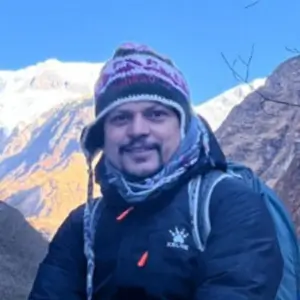
Spring (March to May) and autumn (September to November) are the best seasons for trekking in Nepal. These months offer clear Himalayan views, stable weather, dry trails, and comfortable temperatures. April and October are considered the best months for Everest Base Camp, Annapurna Circuit, Langtang Valley, Annapurna Base Camp, and Manaslu Circuit treks.
Best Time for Trekking in Nepal
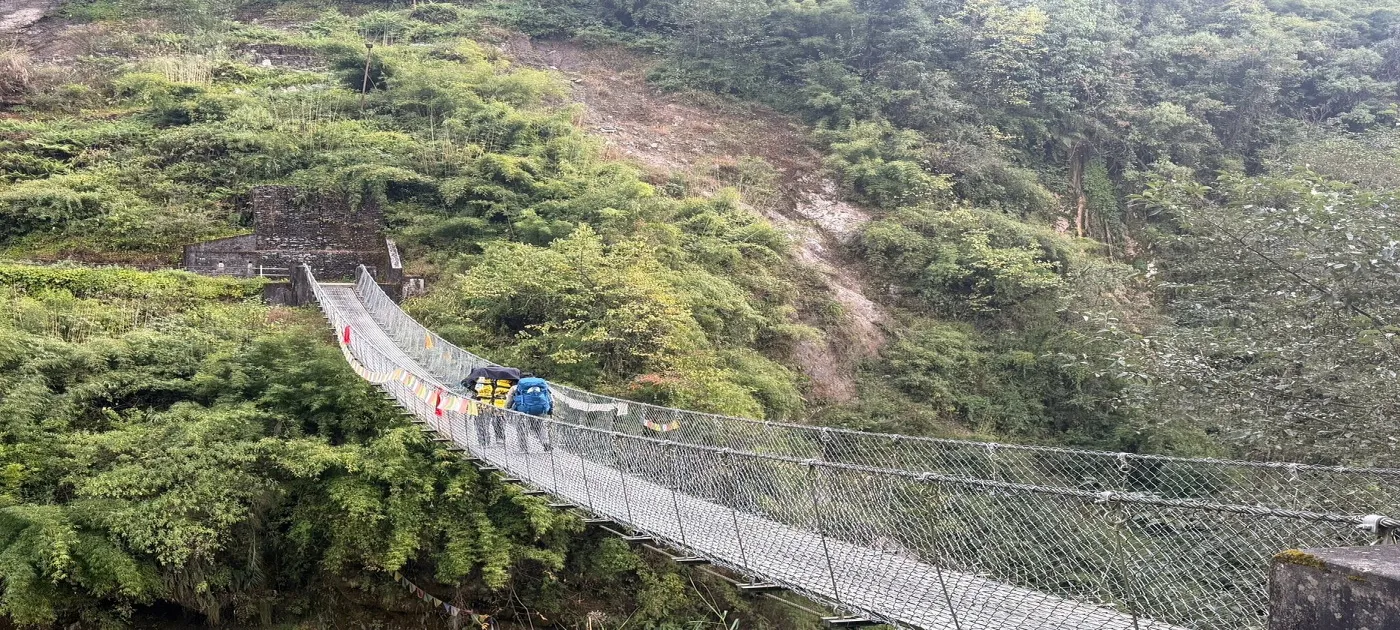
Nepal is one of the world's premier trekking destinations, attracting thousands of adventurers every year. From the towering peaks of the Everest region to the diverse landscapes of Annapurna, Langtang, and Manaslu, the country offers trekking experiences for every type of traveler. Whether you are planning your first Himalayan adventure or returning to explore a new trail, choosing the best time for trekking in Nepal plays a vital role in your overall experience.
Weather conditions vary significantly throughout the year. Mountain visibility, trail conditions, temperatures, and crowd levels all change with the seasons. Visiting at the right time allows you to enjoy clearer Himalayan views, safer trails, comfortable trekking conditions, and richer cultural experiences. It also helps you select the most suitable route, whether you are interested in trekking in Nepal for beginners, challenging high-altitude expeditions, or scenic photography treks in Nepal.
Why Choosing the Right Trekking Season Matters
The timing of your trek influences almost every aspect of your journey. Stable weather improves mountain visibility and trail safety, while favorable temperatures make long trekking days more comfortable. The season also affects domestic flights, accommodation availability, permit processing, and the overall atmosphere along the trails.
Traveling during Nepal's peak trekking seasons means enjoying clear skies, dry paths, and fully operational teahouses. Visiting during quieter months offers a different experience with fewer trekkers, peaceful landscapes, and often lower travel costs. Understanding these seasonal differences helps you choose the perfect trek based on your interests, fitness level, and travel style.
Spring Trekking in Nepal (March to May)
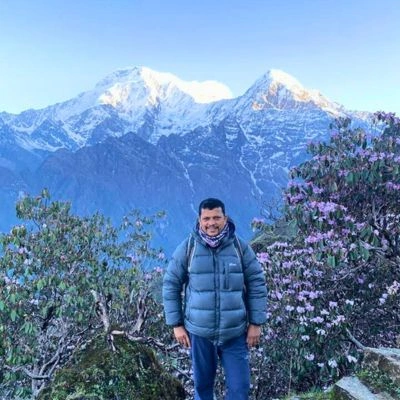
Spring is one of the most popular times for trekking in Nepal. As winter gradually disappears, forests bloom with colorful rhododendrons, temperatures become pleasant, and the Himalayan peaks stand out beneath clear blue skies. The combination of stable weather and vibrant landscapes makes spring ideal for both experienced hikers and those who are trekking in Nepal for as a first time beginners.
Most trekking routes remain fully accessible during this season. Trails are dry, teahouses are busy, and mountain views are consistently impressive. Spring is also one of the best seasons for wildlife photography and nature lovers, as forests and alpine meadows come alive with flowers and birds.
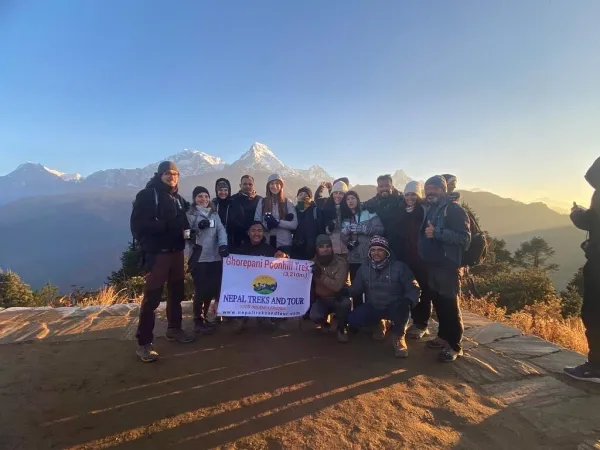
Popular routes during spring include the Everest Base Camp Trek, Annapurna Base Camp Trek, Annapurna Circuit Trek, Langtang Valley Trek, Mardi Himal Trek, Manaslu Circuit Trek, and Ghorepani Poon Hill Trek. If you enjoy colorful landscapes and dramatic mountain scenery, spring also ranks among the finest seasons for photography treks in Nepal.
Because this is a busy travel period, booking flights, accommodation, guides, and permits several weeks in advance is highly recommended.
Autumn Trekking in Nepal (September to November)
Autumn is widely regarded as the best trekking season in Nepal. After the summer monsoon, dust and humidity disappear, leaving exceptionally clear skies and breathtaking mountain panoramas. Trails become dry and stable, making trekking both comfortable and safe.
October is often considered the best month to visit Nepal for trekking. Visibility is outstanding, temperatures are moderate, and nearly every major trekking route is at its best. The season also coincides with Nepal's biggest festivals, including Dashain and Tihar, allowing visitors to experience local traditions while trekking through mountain villages.
Autumn is the perfect season for iconic adventures such as the Everest Base Camp Trek, Annapurna Circuit Trek, Annapurna Base Camp Trek, Langtang Valley Trek, Manaslu Circuit Trek, and Ghorepani Poon Hill Trek. It is equally the best time for autumn treks in Nepal, offering excellent conditions for landscape photography, sunrise viewpoints, and high-altitude trekking.
Since autumn attracts the highest number of trekkers, early reservations for flights, guides, and teahouses are strongly advised.
Winter Trekking in Nepal (December to February)
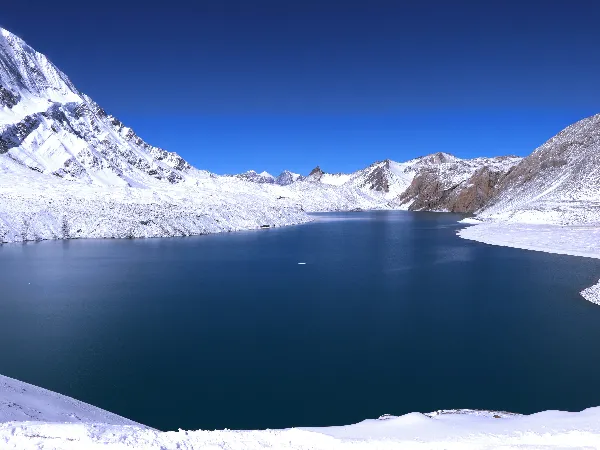
Winter offers a peaceful alternative to Nepal's busy trekking seasons. Although temperatures become much colder at higher elevations, many lower-altitude trekking routes remain open and provide spectacular views of snow-covered Himalayan peaks.
Clear winter skies often create excellent visibility, making this season another favorite for photographers. Travelers seeking quieter trails, fewer crowds, and a more relaxed trekking experience will appreciate the unique beauty of winter treks in Nepal.
Routes such as Ghorepani Poon Hill, Australian Camp, Dhampus, and lower sections of the Langtang Valley remain excellent choices during winter. Some high mountain passes, however, may close because of heavy snowfall, making careful route planning essential.
Warm layered clothing, insulated sleeping gear, waterproof boots, and proper winter equipment are necessary to ensure a safe and comfortable journey.
Monsoon Trekking in Nepal (June to August)
The summer monsoon brings frequent rainfall to much of Nepal. Heavy rain creates muddy trails, reduced visibility, and an increased risk of landslides in some trekking regions. For this reason, monsoon is generally considered the least favorable season for classic Himalayan treks.
However, trekking is still possible in Nepal's rain-shadow regions. Upper Mustang and Upper Dolpo receive very little rainfall because they lie beyond the main Himalayan range. These remote destinations remain dry throughout much of the monsoon and offer dramatic desert landscapes, ancient Tibetan culture, and unique trekking experiences unavailable elsewhere in Nepal.
Although mountain views may be limited in many regions, the countryside becomes incredibly green during the monsoon. Rivers, waterfalls, and forests reach their most vibrant state, offering rewarding opportunities for nature photography and travelers looking for quieter trekking routes.
Which Month Is the Best for Trekking in Nepal?
While trekking is possible throughout the year, April and October consistently provide the best overall conditions. April combines comfortable temperatures, blooming rhododendron forests, and outstanding mountain visibility, making it one of the most scenic months to explore the Himalayas. October follows the monsoon season with crystal-clear skies, dry trails, and exceptional visibility, making it the most popular month for trekking across Nepal.
March, May, September, and November also offer excellent weather and reliable trekking conditions. These months provide a wonderful balance between comfortable temperatures, beautiful scenery, and slightly fewer visitors than the busiest weeks of April and October.
Best Treks by Season
Different trekking routes perform best at different times of the year. Choosing the right season for your destination helps ensure better weather, safer trails, and the best possible mountain views.
The Everest Base Camp Trek is at its finest during spring from March to May and again in autumn from September to November, when skies remain clear and temperatures are comfortable for high-altitude trekking.
The Annapurna Circuit Trek is also best enjoyed during spring and autumn. Stable weather and dry trails make crossing the famous Thorong La Pass much safer and more enjoyable.
The Annapurna Base Camp Trek offers spectacular scenery during both spring and autumn. Spring brings colorful rhododendron forests, while autumn provides crisp mountain views and excellent visibility.
The Langtang Valley Trek is another outstanding choice during spring and autumn, offering beautiful alpine scenery, comfortable temperatures, and fewer crowds than some of Nepal's busier trekking regions.
The Mardi Himal Trek is especially rewarding during spring and autumn. These seasons offer clear views of Machhapuchhre, Annapurna South, and Hiunchuli while maintaining pleasant trekking conditions throughout the route.
The Manaslu Circuit Trek is best completed during spring and autumn, when the challenging Larkya La Pass is generally safer to cross and weather conditions remain stable.
The Ghorepani Poon Hill Trek is one of Nepal's few year-round trekking destinations. Each season offers something unique, from blooming rhododendrons in spring and crystal-clear Himalayan sunrises in autumn to peaceful snowy landscapes in winter.
The Upper Mustang Trek is one of the best choices during the monsoon season. Because the region lies within the Himalayan rain shadow, it remains dry while much of Nepal experiences heavy rainfall.
The Upper Dolpo Trek is another exceptional monsoon destination. Its remote landscapes, ancient monasteries, and preserved Tibetan culture create one of Nepal's most unique trekking experiences during June, July, and August.
Tips for Planning Your Trek in Nepal
Planning ahead significantly improves your trekking experience. During spring and autumn, flights, trekking permits, accommodation, and experienced guides often sell out weeks in advance. Booking early helps avoid unnecessary travel disruptions.
Proper acclimatization is essential for any trek above 2,500 meters. Ascending gradually, taking scheduled rest days, and staying well hydrated greatly reduce the risk of altitude sickness.
Pack lightweight clothing that can be layered as temperatures vary throughout the day. Waterproof outerwear, quality trekking boots, sunglasses, sunscreen, reusable water bottles, and a basic first-aid kit should always be part of your equipment. Respecting local customs, supporting family-run teahouses, and following responsible trekking practices also help preserve Nepal's mountain communities and natural environment.
Final Thoughts
Nepal offers extraordinary trekking opportunities throughout the year, but choosing the right season will greatly enhance your experience. Spring and autumn remain the best times for trekking because they provide stable weather, comfortable temperatures, dry trails, and spectacular Himalayan views. Winter rewards travelers with peaceful landscapes and fewer crowds, while the monsoon season opens the door to remarkable adventures in rain-shadow regions.
Whether you plan to complete the Everest Base Camp Trek, explore the Annapurna Circuit, discover the beauty of Langtang Valley, experience the remote Manaslu Circuit, or enjoy a short Himalayan escape to Ghorepani Poon Hill, selecting the right season will help you make the most of your journey.
FAQs
When is the best time for trekking in Nepal?
The best time for trekking in Nepal is during spring (March to May) and autumn (September to November). These seasons provide clear skies, comfortable temperatures, dry trails, and excellent mountain views across the Himalayas.
Which month is best for the Everest Base Camp Trek?
April, May, October, and November offer the best conditions for the Everest Base Camp Trek. These months provide stable weather, clear views of Mount Everest, and safer trekking conditions at higher elevations.
Is October the best month to trek in Nepal?
Yes. October is widely regarded as the best month for trekking in Nepal. The weather is dry, visibility is exceptional, temperatures are comfortable, and nearly every major trekking route is fully accessible.
Can I trek in Nepal during the monsoon season?
Yes, but it depends on the destination. While heavy rainfall affects most trekking regions, rain-shadow areas such as Upper Mustang and Upper Dolpo remain excellent choices during the monsoon because they receive very little rain.
Is winter a good time for trekking in Nepal?
Winter is a great option for lower-altitude treks such as Ghorepani Poon Hill, Australian Camp, and Dhampus. High-altitude routes may experience heavy snowfall and freezing temperatures, making them more challenging.
Which trekking season has the clearest mountain views?
Autumn offers the clearest mountain views in Nepal. After the monsoon rains, dust and humidity disappear, creating exceptional visibility across the Himalayan range.
What is the cheapest season for trekking in Nepal?
Winter and the monsoon season are generally the most affordable times to trek in Nepal. Accommodation prices are often lower, and trails are less crowded, although weather conditions can be more challenging.
Is spring or autumn better for trekking in Nepal?
Both seasons are excellent. Spring is known for blooming rhododendron forests, warmer temperatures, and colorful landscapes. Autumn offers the clearest skies, dry trails, and outstanding mountain visibility, making it the most popular trekking season.
Do I need a guide for trekking in Nepal?
Many trekking routes now require or strongly encourage trekkers to hire a licensed guide. A guide improves safety, provides local knowledge, assists with navigation, and supports local communities.
What permits do I need for trekking in Nepal?
Permit requirements depend on your trekking route. You may need national park permits, conservation area permits, or restricted area permits. Some regions also have additional entry requirements, so check the latest regulations before your trip.
Need Help? Call Us
Need Help? Call Us+9779851013072