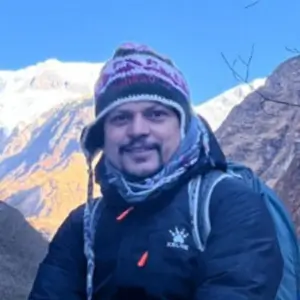
The Langtang Valley Trek is considered moderately difficult. It does not require technical climbing, but long walking days, steady uphill sections, and high altitude make it physically demanding. Most beginners with good preparation, a reasonable fitness level, and proper acclimatization can complete the trek successfully.

Is the Langtang Valley Trek difficult?
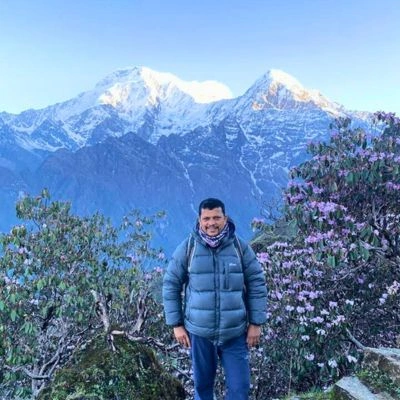
If you're planning the Langtang Valley Trek, one of the first questions you'll probably ask is, "How difficult is the Langtang Valley Trek?" It's a fair question, especially if this is your first trek in the Himalayas.
The good news is that the Langtang Valley Trek is challenging but achievable for most people with a reasonable level of fitness. You don't need climbing experience or technical mountaineering skills. However, you should be prepared for several days of walking, steady uphill climbs, changing weather, and the effects of high altitude.
Many trekkers assume the route is easy because it reaches a lower elevation than Everest Base Camp. Others believe it's extremely difficult simply because it's in the Himalayas. In reality, the experience falls somewhere in between. The trek rewards preparation, patience, and a steady pace rather than exceptional athletic ability.
What makes this journey special is that its challenges are balanced by unforgettable scenery. You'll walk through dense forests, cross suspension bridges, pass traditional Tamang villages, and eventually reach the alpine landscapes around Kyanjin Gompa, surrounded by snow-covered Himalayan peaks.
In this guide, you'll learn what makes the Langtang Valley Trek difficult, who it is suitable for, how altitude affects your journey, which sections require the most effort, and what you can do to make the trek easier. Whether you're a beginner or an experienced hiker, this guide will help you set realistic expectations and prepare with confidence.
If you're still planning your adventure, start with our Complete Langtang Valley Trek Guide for a full overview of the route, itinerary, costs, and highlights.
How Difficult Is the Langtang Valley Trek?
The Langtang Valley Trek is generally considered a moderately difficult trek. It doesn't involve technical climbing, ropes, or mountaineering skills, but it does require good endurance, consistent walking, and the ability to cope with increasing altitude.
Most trekkers walk between 5 and 7 hours each day over a period of 7 to 10 days, depending on the itinerary. While the daily distances are manageable, the combination of uphill trails, rocky paths, and thinner air above 3,000 meters makes the trek more demanding than many first-time visitors expect.
For healthy travelers who prepare in advance, the trek is well within reach. A few weeks of fitness training, proper acclimatization, and realistic pacing can make a significant difference to your overall experience.
Difficulty Rating at a Glance
| Factor | Difficulty | What to Expect |
|---|---|---|
| Overall Trek | Moderate | Suitable for beginners with preparation |
| Trail Terrain | Moderate | Stone paths, forest trails, staircases, and rocky sections |
| Altitude | Moderate to High | Highest sleeping altitude around 3,870 m; optional hikes exceed 4,900 m |
| Technical Skills | Easy | No climbing or mountaineering experience required |
| Physical Fitness | Moderate | Good stamina is more important than speed |
| Daily Walking | Moderate | Around 5–7 hours of trekking most days |
| Mental Challenge | Moderate | Consistent effort and patience are key |
Why the Difficulty Feels Different for Everyone
One reason people describe the Langtang Valley Trek so differently is that no two trekkers experience the trail in exactly the same way.
For a regular hiker who exercises consistently, the trek may feel physically demanding but manageable. For someone who spends most of their time sitting at a desk and has little experience walking for several hours a day, the same route can feel much more challenging.
Altitude also affects everyone differently. Two people with similar fitness levels can have completely different reactions once they climb above 3,000 meters. Some may feel strong throughout the trek, while others experience headaches, fatigue, or shortness of breath despite careful preparation.
Weather, backpack weight, pace, sleep quality, hydration, and previous trekking experience all influence how difficult the journey feels. That's why comparing your experience to someone else's isn't always helpful. The best approach is to prepare well, walk at your own pace, and give your body enough time to adjust.
Is the Langtang Valley Trek Suitable for Most Travelers?
Yes. The Langtang Valley Trek is one of the most accessible high-altitude treks in Nepal. It attracts solo travelers, couples, families with older children, and active older adults from around the world.
Unlike technical alpine expeditions, the route follows established trails with tea houses along the way, making it easier to complete without carrying camping equipment. This allows you to focus your energy on walking rather than hauling a heavy load.
That said, "accessible" doesn't mean "easy." The trek still requires preparation and respect for mountain conditions. Arriving with realistic expectations and a basic fitness routine will greatly improve your experience.
What Is the Biggest Challenge?
Many first-time trekkers expect steep climbs to be the hardest part of the Langtang Valley Trek. Surprisingly, most experienced hikers say the real challenge is the combination of altitude and endurance.
As you gain elevation, the air contains less oxygen. Even simple tasks like climbing a short hill or walking up a flight of stone steps can leave you breathing harder than usual. This gradual change is what catches many people off guard—not because the trail is dangerous, but because the effort feels different at higher elevations.
The good news is that this challenge can often be managed by walking slowly, staying hydrated, eating well, and allowing your body enough time to acclimatize.
Before your trip, read our Complete Guide to Altitude Sickness in Nepal to understand the symptoms, prevention tips, and safe acclimatization practices.
What Makes the Langtang Valley Trek Challenging?
No single factor makes the Langtang Valley Trek difficult. Instead, it's the combination of several physical and environmental challenges that build over the course of the journey. Understanding these factors before you set off can help you prepare more effectively and enjoy the experience with greater confidence.
Rather than focusing only on fitness, think of the trek as a balance between endurance, altitude awareness, pacing, and smart planning. The sections below explain the main reasons why the trek feels challenging and what you can do to manage each one.
Is Altitude the Biggest Challenge on the Langtang Trek?
For most trekkers, yes. Altitude is often the single biggest factor that affects how difficult the Langtang Valley Trek feels.
Although the trail is not technically demanding, it climbs high enough for the thinner air to become noticeable. As you gain elevation, your body receives less oxygen with every breath. You may find yourself walking more slowly, taking frequent breaks, or feeling tired sooner than expected.
Most trekkers begin to notice the effects of altitude after crossing 3,000 meters, especially if they ascend too quickly. Common symptoms include mild headaches, loss of appetite, poor sleep, and unusual fatigue. These symptoms don't necessarily mean you'll develop Acute Mountain Sickness (AMS), but they are signs that your body is adapting to the elevation.
The key is to walk at a comfortable pace, drink plenty of water, eat nutritious meals, and allow enough time for acclimatization. Respecting the altitude is far more important than trying to reach your destination quickly.
How Steep and Demanding Is the Trail?
The Langtang Valley Trek is not a flat or leisurely walk. Like most Himalayan treks, it includes a mix of gradual climbs, steep uphill sections, rocky paths, stone staircases, and occasional descents. While there are no technical climbing sections, the continuous elevation gain can be physically demanding, especially during the first few days.
One of the longest uphill stretches begins after Syabrubesi, where the trail climbs through dense forests alongside the Langtang River. Although the scenery is beautiful, the steady ascent requires patience and good pacing. Later in the trek, the trail becomes more open, but the thinner air at higher elevations makes even gentle inclines feel harder.
The good news is that the paths are well-established and regularly used by trekkers, guides, and local communities. You won't need ropes or climbing equipment—just comfortable trekking boots, steady footing, and enough energy to maintain a consistent pace.
Quick Tip: Focus on walking at a comfortable rhythm instead of trying to keep up with faster trekkers. A steady pace will help you conserve energy and reduce fatigue over multiple days.
How Many Hours Do You Trek Each Day?
On most days, you'll spend 5 to 7 hours walking, although this can vary depending on your itinerary, fitness level, weather, and the number of breaks you take. Some shorter days may involve only 3 to 4 hours of trekking, while longer sections can take up to 8 hours if conditions are challenging.
The difficulty isn't just about the number of hours. Walking for six hours on a flat road is very different from trekking through mountain trails with changing elevations. Frequent uphill climbs, uneven ground, and high altitude all increase the physical effort required.
Here's a general idea of what to expect:
| Trekking Day | Average Walking Time | Difficulty |
|---|---|---|
| Syabrubesi → Lama Hotel | 6–7 hours | Moderate to Challenging |
| Lama Hotel → Langtang Village | 5–6 hours | Moderate |
| Langtang Village → Kyanjin Gompa | 3–4 hours | Easy to Moderate |
| Kyanjin Gompa → Tserko Ri (Optional) | 6–8 hours | Challenging |
| Return Trek | 5–7 hours | Moderate |
The optional hike to Tserko Ri is often considered the most physically demanding day because of its steep climb and high altitude. However, it's also one of the most rewarding viewpoints in the Langtang region.
How Does the Trail Condition Affect the Difficulty?
The trail conditions change noticeably as you move through different landscapes, adding variety to the trek but also influencing its difficulty.
In the lower sections, you'll walk through forests with well-defined dirt paths, stone steps, wooden bridges, and occasional muddy areas after rainfall. These trails are generally easy to follow but can become slippery during the monsoon season.
As you gain altitude, the terrain becomes rockier and more uneven. You'll encounter glacial moraines, loose stones, exposed alpine paths, and occasional stream crossings. While these sections don't require technical skills, they demand careful footing and good balance.
Fortunately, the Langtang Valley Trek is well-marked, and the route passes through several villages with tea houses, making navigation straightforward for most trekkers.
Did You Know? Trekking poles can significantly reduce strain on your knees and improve stability on uneven terrain, especially during long descents.
Does Carrying a Backpack Make the Trek Harder?
Yes, the weight of your backpack can have a noticeable impact on how difficult the trek feels.
A heavy backpack increases the effort required for every uphill climb and places extra strain on your knees, shoulders, and lower back during descents. Even an additional 3 to 5 kilograms can make a long trekking day feel much more tiring.
If you're carrying your own gear, try to keep your backpack between 8 and 10 kilograms, including water. Pack only essential items and avoid bringing clothing or equipment you are unlikely to use.
Many trekkers choose to hire a porter, allowing them to carry only a small daypack with water, snacks, a camera, and extra layers. This not only reduces physical fatigue but also helps conserve energy at higher elevations.
Read our Langtang Valley Trek Packing List to learn what to pack—and what to leave behind.
How Do Weather and Temperatures Influence the Trek?
Mountain weather can change quickly, and these changing conditions often have a greater impact on the trek than many people expect.
During spring and autumn, you'll usually enjoy clear skies, comfortable daytime temperatures, and excellent mountain views. These seasons offer the most stable trekking conditions and are ideal for first-time visitors.
Winter introduces freezing mornings, icy trails, and occasional snowfall, particularly around Kyanjin Gompa and higher viewpoints like Tserko Ri. Trekking in these conditions requires warmer clothing, better preparation, and greater caution.
The monsoon season brings a different set of challenges. Heavy rainfall can make forest trails muddy and slippery, while clouds may reduce visibility and hide the spectacular mountain scenery.
Whatever the season, dressing in layers is the best way to stay comfortable. Mountain temperatures can change dramatically between sunny afternoons and cold evenings.
Discover the Best Time for Trekking in Nepal to compare seasonal conditions and choose the right time for your adventure.
Expert Insight
Many trekkers believe steep hills are the hardest part of the Langtang Valley Trek. In reality, most people adjust to the climbs after the first few days. What often surprises them is how much altitude, long walking hours, and consecutive trekking days affect their overall energy levels. Managing these factors is usually more important than being exceptionally fit.
Is the Langtang Valley Trek Difficult for Beginners?
One of the most common questions first-time trekkers ask is whether the Langtang Valley Trek is suitable for beginners. The short answer is yes—but only if you prepare properly and understand what the trek involves.
Unlike technical mountain expeditions, the Langtang Valley Trek follows established trails and does not require climbing equipment or previous mountaineering experience. However, it is still a multi-day Himalayan trek that demands endurance, patience, and the ability to walk comfortably for several hours each day.
Many first-time trekkers successfully complete the Langtang Valley Trek every year. The difference between those who enjoy the journey and those who struggle often comes down to preparation rather than experience.
Can First-Time Trekkers Successfully Complete the Trek?
Absolutely. Many people choose the Langtang Valley Trek as their first high-altitude adventure in Nepal because it offers a rewarding Himalayan experience without the crowds found on some of the country's more famous routes.
If you maintain a steady pace, stay hydrated, and allow your body enough time to acclimatize, there's no reason why a beginner cannot complete the trek safely.
That said, being a beginner doesn't mean arriving unprepared. Walking for six or seven hours a day at altitude is very different from a casual weekend hike or a few hours at the gym. The more you prepare beforehand, the more enjoyable the experience will be.
Good to Know: You don't have to be an athlete—you simply need consistent fitness, a positive mindset, and the willingness to walk at your own pace.
What Level of Fitness Is Recommended?
You don't need elite fitness, but you should have a solid foundation of cardiovascular endurance and leg strength.
A good benchmark is being able to walk for five to six hours on varied terrain without feeling completely exhausted. Activities such as hiking, brisk walking, cycling, swimming, jogging, or climbing stairs are excellent ways to prepare.
Ideally, begin training six to eight weeks before your trek. Gradually increase your walking distance, include uphill routes where possible, and strengthen your legs and core. Consistency is far more valuable than intense workouts performed only occasionally.
Explore our guide to Trekking in Nepal for Beginners for practical fitness tips and training advice.
How Should Beginners Prepare Before the Trek?
Preparation starts long before you arrive in Nepal. Building your fitness, choosing the right gear, and understanding the effects of altitude can make a significant difference to your trekking experience.
Here are a few simple ways to prepare:
- Walk regularly with a light backpack.
- Practice hiking on hills or staircases.
- Wear your trekking boots before the trip to break them in.
- Learn the basics of altitude sickness and acclimatization.
- Stay hydrated during training.
- Avoid packing unnecessary items.
Mental preparation is equally important. Some days will feel easier than others, and mountain weather can change unexpectedly. Staying flexible and maintaining a positive attitude often helps as much as physical fitness.
What Common Beginner Mistakes Should You Avoid?
Many challenges on the Langtang Valley Trek are preventable. The following mistakes are among the most common:
- Walking too fast on the first few days.
- Ignoring early signs of altitude sickness.
- Carrying an unnecessarily heavy backpack.
- Drinking too little water.
- Wearing brand-new trekking boots.
- Skipping meals or eating too little.
- Underestimating cold mountain evenings.
- Comparing your pace with other trekkers.
The most successful trekkers are rarely the fastest—they're the ones who listen to their bodies, maintain a steady rhythm, and enjoy the journey one step at a time.
Beginner's Tip: Trek your own trek. The mountains aren't a race, and reaching your destination safely is far more important than arriving first.
Which Part of the Langtang Valley Trek Is the Hardest?
The hardest part of the Langtang Valley Trek depends on your fitness level, pace, and how well you adapt to altitude. For most trekkers, the steep climb from Syabrubesi to Lama Hotel is the most physically demanding section, while the optional hike to Tserko Ri (4,984 m) is the toughest challenge because of its steep ascent and high elevation.
Rather than one extremely difficult day, the trek gradually becomes more demanding as you gain altitude. Walking becomes slower, breathing requires more effort, and even gentle uphill sections can feel surprisingly tiring.
Is the Climb from Syabrubesi to Lama Hotel the Toughest Section?
For many trekkers, yes. The first trekking day often feels harder than expected because your body is still adjusting to several hours of walking. The trail follows the Langtang River before climbing steadily through forests of oak, pine, and rhododendron.
Unlike later sections where the scenery opens into wide alpine valleys, this day includes long uphill stretches with very few flat sections. It's not technically difficult, but the continuous climb can test your endurance.
Another reason this section feels challenging is excitement. Many first-time trekkers start too quickly, trying to maintain a pace that isn't sustainable for the rest of the trek.
Expert Tip
The first day should feel easy—not fast. If you finish the day feeling like you could have walked another hour, you've probably chosen the right pace.
Why Is the Hike to Tserko Ri Considered the Most Demanding?
If you choose to hike to Tserko Ri, this will almost certainly be the most physically challenging part of the entire trek.
The trail climbs steeply from Kyanjin Gompa to one of the highest viewpoints in the Langtang region. Although the distance isn't especially long, the combination of thin air, steep slopes, and significant elevation gain makes every step more demanding.
Many trekkers begin before sunrise to enjoy clear morning views of the surrounding Himalayan peaks. The early start, cold temperatures, and reduced oxygen levels add to the challenge.
The reward, however, is one of the most spectacular panoramic viewpoints in Nepal, with sweeping views of Langtang Lirung, Dorje Lakpa, Yala Peak, and the surrounding snow-covered mountains.
Pro Tip: Don't feel pressured to hike Tserko Ri. If you're experiencing altitude symptoms or feeling unusually tired, enjoying the scenery around Kyanjin Gompa is still a fantastic experience.
Which Day Involves the Greatest Elevation Gain?
Although itineraries vary slightly, the first two trekking days usually involve the greatest overall elevation gain.
A typical route looks like this:
| Day | Route | Elevation Gain | Difficulty |
|---|---|---|---|
| Day 1 | Syabrubesi → Lama Hotel | High | Moderate to Challenging |
| Day 2 | Lama Hotel → Langtang Village | Moderate | Moderate |
| Day 3 | Langtang Village → Kyanjin Gompa | Moderate | Easy to Moderate |
| Day 4 | Tserko Ri (Optional) | Very High | Challenging |
Even though later trekking days may involve fewer climbing hours, the thinner air at higher elevations often makes them feel equally demanding.
Is Descending Harder Than Climbing?
Surprisingly, many experienced trekkers say yes.
While uphill walking challenges your heart and lungs, downhill trekking places greater stress on your knees, ankles, and leg muscles. Long descents can leave your legs feeling more fatigued than the climbs themselves.
Using trekking poles can reduce pressure on your knees and improve stability, especially on rocky or uneven trails.
If you have previous knee injuries, consider wearing supportive knee braces during long descents.
Did You Know? Research suggests trekking poles can reduce the load on your knees during downhill walking, making them one of the most useful pieces of equipment for multi-day treks.
Trekker Insight
Many trekkers worry about the steep uphill sections before starting the Langtang Valley Trek. After completing it, however, they often say the downhill sections required just as much concentration and physical effort.
How Does Altitude Affect the Difficulty?
Altitude is the single biggest factor that influences how difficult the Langtang Valley Trek feels.
As you climb higher into the Langtang Valley, oxygen levels gradually decrease. Your muscles receive less oxygen during physical activity, causing you to breathe harder, walk more slowly, and tire more quickly than you would at lower elevations.
Even fit hikers can experience the effects of altitude.
At What Altitude Do Trekkers Usually Notice Symptoms?
Although everyone responds differently, many trekkers begin to notice mild changes after reaching around 3,000 meters. You may experience:
- Slight headaches
- Shortness of breath during climbs
- Reduced appetite
- Poor sleep
- Mild fatigue
These symptoms don't always indicate Acute Mountain Sickness (AMS), but they should never be ignored.
The Langtang Valley Trek reaches approximately 3,870 meters at Kyanjin Gompa, while the optional hike to Tserko Ri climbs close to 5,000 meters, where altitude becomes even more noticeable.
Can You Get Altitude Sickness on the Langtang Trek?
Yes, Although the Langtang Valley Trek is considered moderately difficult, altitude sickness can affect anyone regardless of age or fitness. Being physically fit doesn't make you immune. Some experienced athletes develop symptoms, while some beginners adjust without any issues. The key factors are:
- ascent rate
- hydration
- sleep
- acclimatization
- individual response to altitude
Never ignore persistent symptoms or continue climbing if they worsen.
Read our Complete Guide to Altitude Sickness in Nepal to learn about prevention, symptoms, and treatment.
What Are the Early Signs of Acute Mountain Sickness (AMS)?
The earliest warning signs often include:
- Persistent headache
- Loss of appetite
- Dizziness
- Unusual tiredness
- Nausea
- Difficulty sleeping
If symptoms become more severe, it's important to stop ascending and seek advice from your guide or local medical professionals. Early recognition is the best way to prevent more serious altitude-related illnesses.
How Can You Reduce the Risk of Altitude Sickness?
Fortunately, there are several simple ways to reduce your risk.
Walk Slowly
A slower pace allows your body more time to adapt.
Stay Hydrated
Drink water regularly throughout the day, even if you don't feel thirsty.
Eat Well
High-energy meals provide the fuel your body needs at altitude.
Sleep Properly
Quality rest helps your body recover between trekking days.
Listen to Your Body
If symptoms worsen, don't ignore them. Mountain views will always be there. Your health comes first.
Expert Advice
One of the biggest mistakes beginners make is believing altitude sickness only affects "unfit" trekkers. In reality, altitude affects everyone differently. Respecting the mountain is far more important than trying to prove your fitness.
How Physically Demanding Is the Langtang Valley Trek?
The Langtang Valley Trek is physically demanding because of its duration rather than its technical difficulty.
Most trekkers walk between 5 and 7 hours each day for around one week while steadily gaining altitude. This combination requires consistent endurance instead of speed or strength.
How Far Do You Walk Each Day?
Daily distances generally range from 8 to 15 kilometers, depending on your itinerary.
While these distances may not seem long, the mountain terrain means they take much longer than walking the same distance on flat ground.
Frequent climbs, uneven paths, and altitude all slow your pace.
How Much Elevation Do You Gain Throughout the Trek?
The trek begins at approximately 1,500 meters in Syabrubesi and gradually climbs to 3,870 meters at Kyanjin Gompa.
If you hike to Tserko Ri, you'll reach nearly 5,000 meters.
This gradual increase in elevation is one of the main reasons why the trek feels more demanding each day.
Is Endurance More Important Than Strength?
Absolutely. You don't need exceptional upper-body strength or gym-level power. Instead, you'll benefit much more from:
- good cardiovascular fitness
- strong leg endurance
- consistent walking stamina
- mental resilience
The ability to walk comfortably for several hours over consecutive days is far more valuable than lifting heavy weights.
How Much Stamina Do You Really Need?
If you can comfortably:
- walk for 5–6 hours,
- climb several flights of stairs without excessive fatigue,
- complete regular weekend hikes,
then you're already building a solid foundation for the Langtang Valley Trek.
Remember, trekking isn't a race. The most successful trekkers aren't usually the fastest—they're the ones who maintain a steady pace, recover well each evening, and enjoy the journey one step at a time.
Does the Season Affect the Difficulty?
Yes. The season you choose can significantly change how difficult the Langtang Valley Trek feels. While the trail remains the same, weather conditions, temperatures, trail surfaces, and visibility vary throughout the year.
For most trekkers, spring (March to May) and autumn (September to November) offer the easiest and safest trekking conditions. Winter and monsoon can still be rewarding, but they require more preparation and flexibility.
Is Spring the Easiest Time to Trek?
Spring is one of the best seasons for the Langtang Valley Trek, especially for beginners.
The weather is generally stable, daytime temperatures are comfortable, and the hillsides are filled with blooming rhododendron forests. Snow usually remains only at higher elevations, making the trails easier to walk than in winter.
Clear mornings also provide excellent mountain views, making spring a favorite season for photographers.
Why spring feels easier:
- Comfortable daytime temperatures
- Longer daylight hours
- Stable weather
- Better trail conditions
- Colorful landscapes
Learn more in our Best Time for Trekking in Nepal guide.
Why Is Autumn Ideal for Most Trekkers?
If you ask experienced guides to recommend one season, many will choose autumn.
After the monsoon rains, the air becomes clean and clear, offering some of the best mountain views of the year. The trails are usually dry, making walking easier and safer.
Autumn also brings mild temperatures, making long trekking days more comfortable.
The only downside is popularity. Tea houses can become busy during October, so booking in advance is recommended.
What Challenges Should You Expect During the Monsoon?
Monsoon trekking is possible, but it comes with additional challenges.
Heavy rainfall can make forest trails muddy and slippery. Leeches are more common in lower elevations, and clouds often hide the mountain scenery that many trekkers come to see.
Travel delays caused by landslides can also affect road access to the trailhead.
However, monsoon also has its advantages. The forests become incredibly green, the trails are quieter, and you'll experience a more peaceful side of the Langtang region.
Monsoon is generally better suited to experienced trekkers who are comfortable with changing mountain conditions.
How Difficult Is the Langtang Trek in Winter?
Winter transforms the Langtang Valley into a spectacular snowy landscape, but it also increases the level of difficulty.
Cold mornings, icy trails, and occasional snowfall require warmer clothing and careful footing. Water bottles may freeze overnight, and temperatures around Kyanjin Gompa can fall well below freezing.
For well-prepared trekkers, winter offers incredible scenery and peaceful trails. For beginners, however, spring or autumn usually provides a more comfortable first Himalayan trekking experience.
Pro Tip: Winter rewards preparation. Investing in quality layers, insulated gloves, and proper footwear makes a noticeable difference to your comfort.
What Makes the Langtang Valley Trek More Difficult?
Even though the trail itself doesn't change, certain habits and decisions can make the trek feel much harder than it needs to be.
Poor Physical Preparation
You don't need to be an athlete, but arriving without any training can make every uphill section feel more exhausting. Building your endurance before the trek allows you to enjoy the journey instead of simply trying to finish it.
Walking Too Fast at High Altitude
Many trekkers begin with too much energy during the first few days. Walking too quickly increases fatigue and gives your body less time to adapt to the thinner air.
A slower, consistent pace almost always leads to a more enjoyable trek.
Skipping Acclimatization
Ignoring your body's need to adjust to altitude increases the risk of fatigue and altitude-related illness.
Whenever possible, follow an itinerary that includes enough time to acclimatize, especially if you plan to hike to Tserko Ri.
Carrying Excessive Weight
A heavy backpack can turn a moderate trek into a much harder experience.
Pack only essential items and consider hiring a porter if you prefer carrying a light daypack.
Dehydration and Poor Nutrition
Many people drink less water in cold weather without realizing it.
Staying hydrated and eating balanced meals helps maintain your energy levels and supports acclimatization throughout the trek.
Inadequate Trekking Gear
Worn-out boots, poor-quality rain gear, or clothing that doesn't suit mountain weather can quickly reduce your comfort.
Good equipment doesn't have to be expensive, but it should be reliable and appropriate for the season.
Unpredictable Mountain Weather
Mountain weather can change within hours.
A sunny morning may become cold, windy, or rainy by afternoon. Packing layers allows you to adapt without carrying unnecessary weight.
What Makes the Trek Harder?
| Factor | Can You Control It? | How to Improve |
|---|---|---|
| Fitness | ✅ Yes | Train before your trip |
| Backpack Weight | ✅ Yes | Pack only essentials |
| Walking Pace | ✅ Yes | Trek slowly and steadily |
| Hydration | ✅ Yes | Drink water regularly |
| Weather | ❌ No | Carry layers and rain protection |
| Altitude | ❌ Partly | Acclimatize and avoid rushing |
How Can You Make the Langtang Valley Trek Easier?
Preparing well can make the trek feel far more comfortable without changing the route itself.
Build Your Fitness Before the Trek
Start walking, hiking, cycling, or climbing stairs six to eight weeks before your trip. Consistent training improves endurance and reduces fatigue.
Follow a Steady Walking Pace
Avoid rushing during the first few days. Walking slowly helps conserve energy and allows your body to adjust to altitude more effectively.
Stay Hydrated Throughout the Journey
Drink water regularly, even if you don't feel thirsty. Dehydration can worsen fatigue and increase the likelihood of altitude-related symptoms.
Pack Smart and Travel Light
Carry only what you need. A lighter backpack reduces strain on your shoulders, back, and knees.
Use Trekking Poles for Better Stability
Trekking poles improve balance on uneven trails and reduce pressure on your knees during descents.
Allow Enough Time for Acclimatization
Choose an itinerary that includes enough time to adjust to higher elevations rather than trying to complete the trek as quickly as possible.
Consider Hiring a Porter
A porter can carry your main backpack while you trek with a light daypack. Many trekkers find this greatly improves comfort and allows them to enjoy the scenery without unnecessary physical strain.
How Does the Langtang Valley Trek Compare to Other Nepal Treks?
| Trek | Difficulty | Highest Elevation | Best For |
|---|---|---|---|
| Langtang Valley Trek | Moderate | 3,870 m (4,984 m with Tserko Ri) | Beginners wanting a classic Himalayan trek |
| Everest Base Camp Trek | Moderate to Challenging | 5,364 m | High-altitude adventure |
| Annapurna Base Camp Trek | Moderate | 4,130 m | Scenic mountain and village experience |
| Mardi Himal Trek | Moderate | 4,500 m | Shorter trek with panoramic views |
| Ghorepani Poon Hill Trek | Easy to Moderate | 3,210 m | Families and first-time trekkers |
Which Trek Is Best for Beginners?
If you're looking for your first multi-day Himalayan trek, both the Langtang Valley Trek and Ghorepani Poon Hill Trek are excellent choices. Langtang offers a more immersive mountain experience with fewer crowds, while Poon Hill is shorter and involves lower altitude.
Who Should Avoid the Langtang Valley Trek?
Although the Langtang Valley Trek is suitable for many people, it may not be the right choice for everyone.
People with Serious Heart or Lung Conditions
High altitude places additional stress on the body. Anyone with significant heart or respiratory conditions should consult a healthcare professional before planning the trek.
Travelers with No Time for Proper Acclimatization
If your schedule forces you to rush the itinerary, it's better to postpone the trek than increase the risk of altitude-related problems.
Those Recovering from Major Injuries or Surgery
The continuous walking and uneven terrain can slow recovery or increase the chance of re-injury.
Very Young Children and High-Risk Trekkers
Many families successfully trek in Nepal, but high-altitude routes require careful planning. Consider shorter, lower-altitude treks if you're traveling with very young children or anyone unable to adapt safely to mountain conditions.
What Do Real Trekkers Say About the Difficulty?
Across trekking communities and travel forums, a few themes appear again and again.
"The altitude was harder than the walking."
Many trekkers say they expected steep climbs to be the biggest challenge, but found the thinner air more demanding than the trail itself.
"The descent hurt my knees more than the climb."
Long downhill sections can place significant pressure on your knees, making trekking poles especially valuable.
"The trail isn't technical, but it's physically demanding."
The Langtang Valley Trek doesn't require climbing skills, yet the combination of daily walking, elevation gain, and altitude creates a rewarding physical challenge.
"Preparation mattered more than previous trekking experience."
Trekkers who trained consistently, packed wisely, and followed a realistic pace often describe the journey as enjoyable rather than overwhelming.
"Tserko Ri felt like a completely different challenge."
The optional climb to Tserko Ri is frequently mentioned as the hardest part of the trek—but also one of the most memorable.
The Langtang Valley Trek is best described as moderately difficult. It does not require technical climbing, but it does require preparation, endurance, and respect for altitude. With the right training, sensible pacing, and thoughtful planning, it is an achievable and deeply rewarding adventure for many first-time and experienced trekkers alike.
FAQs
Is the Langtang Valley Trek suitable for first-time trekkers?
Yes. With good preparation, a reasonable fitness level, and a sensible itinerary, many first-time trekkers complete the Langtang Valley Trek successfully.
How difficult is it compared to Everest Base Camp?
Langtang is generally considered less demanding because it reaches a lower sleeping altitude and follows a shorter itinerary.
What is the hardest part of the trek?
Most trekkers find the climb to Tserko Ri or the first day's ascent to Lama Hotel the most physically demanding.
Is there any technical climbing?
No. The trek follows established mountain trails and does not require ropes, climbing equipment, or mountaineering experience.
Can older adults complete the trek?
Yes. Many active older trekkers complete the Langtang Valley Trek each year. Good preparation, a comfortable pace, and proper acclimatization are key.
Can children do the Langtang Valley Trek?
Older children with trekking experience and good fitness may complete the trek, but families should choose itineraries carefully and consult experienced guides.
Should I hire a guide or porter?
A guide improves safety and provides local knowledge, while a porter reduces the physical effort of carrying heavy gear. Many first-time trekkers benefit from hiring one or both.
Can I complete the Langtang Valley Trek solo?
Solo trekking regulations and requirements can change. Always check the latest rules before planning a solo trek and consider whether a guide is appropriate for your experience level.
Need Help? Call Us
Need Help? Call Us+9779851013072