Nepal’s mountains don’t look the same all year. The season you choose affects everything weather, visibility, trail conditions, crowd levels, and even your total trip cost. Most trekkers do it backwards: they pick a trek first, then figure out when to go. The smarter approach is the opposite. Start with the season, then match it to the right trek. This guide is built exactly that way. First, you’ll understand Nepal’s four trekking seasons in simple, practical terms. Then you’ll see a month-by-month breakdown of the best treks for each period, based on real trail conditions not just theory. By the end, you won’t just know when to go to Nepal. You’ll know where you should go in that exact month.
Nepal’s Four Trekking Seasons
Nepal has four distinct trekking seasons. Each one changes the mountains completely.
| Season | Months | Daytime Conditions | Trail Experience |
|---|---|---|---|
| Spring | March–May | Warm (15–20°C in hills) | Blooming forests, lively trails |
| Monsoon / Summer | June–August | Hot, humid, frequent rain | Green landscapes, muddy trails, fewer trekkers |
| Autumn | September–November | Cool and crisp (10–18°C) | Best visibility, busiest trails |
| Winter | December–February | Cold (often below 0°C at altitude) | Quiet, dry, sharp mountain views |
Four seasons. Four completely different versions of the same Himalayan landscape.
Spring (March–May): The Bloom Season
Spring is one of the most visually rewarding times to trek in Nepal.
Mid-hills explode with blooming rhododendrons, painting entire forests in red, pink, and white. Mornings are usually clear, while afternoons gradually build cloud cover — especially as May approaches.
At higher elevations (above 3,500m), nights remain cold. Even in May, temperatures can drop close to freezing, so proper layering is essential.
Best for: Everest Base Camp, Annapurna Base Camp, Manaslu Circuit, Langtang Valley, Gokyo Lakes
Monsoon (June–August): The Green & Quiet Season
Monsoon brings heavy rainfall to most of Nepal, especially in the afternoons. Lower trails become muddy, and visibility is often limited by clouds.
However, this is also when Nepal turns deeply green and quiet. Fewer trekkers mean more solitude on the trails.
The key exception is Nepal’s rain-shadow regions. Areas like Upper Mustang and Dolpo sit behind the Himalayas, blocking most monsoon rainfall. While the rest of the country is wet, these regions remain surprisingly dry and accessible.
Best for:
- Upper Mustang
- Upper Dolpo
- Lower Dolpo
- Nar Phu Valley
Autumn (September–November): The Peak Season
Autumn is Nepal at its absolute best.
Skies stay clear for days, air is dry, and mountain visibility is often at its sharpest. This is the season most iconic Himalayan photos come from.
It is also the busiest time of year. October, in particular, brings crowded tea houses on popular routes like Everest Base Camp and Annapurna Circuit. Booking ahead becomes important.
November offers a quieter version of the same excellent conditions.
Best for: Everest Base Camp, Annapurna Circuit, Manaslu Circuit, Three Passes, Gokyo Lakes
Winter (December–February): The Quiet & Cold Season
Winter is the most peaceful time to trek in Nepal.
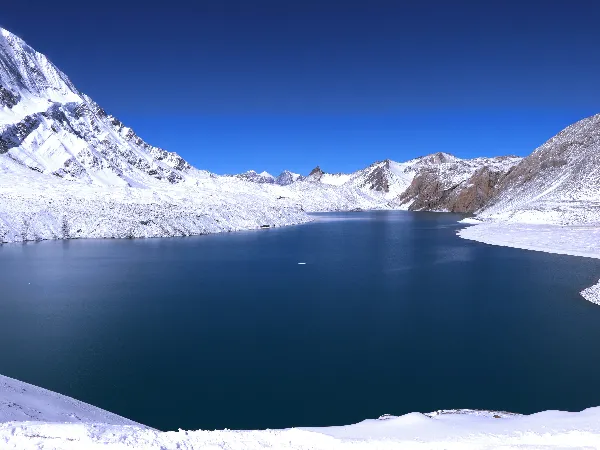
Trails are empty, skies are often crystal clear, and mountain views can be exceptional. But the trade-off is cold — especially at higher altitudes, where nights regularly drop far below freezing.
Lower-altitude treks remain comfortable, while high passes may become snowbound and require serious preparation.
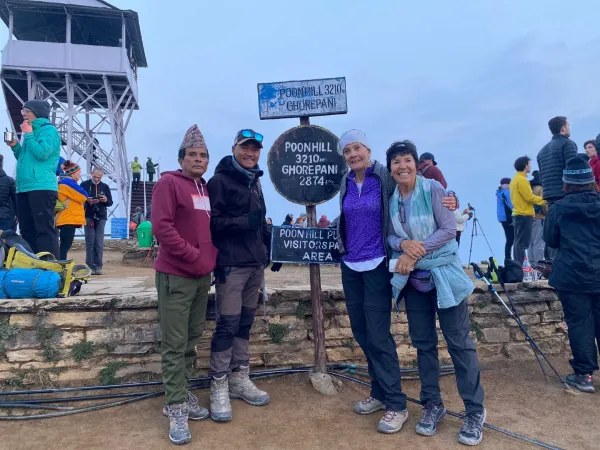
Best for: Poon Hill, Mardi Himal, Pikey Peak, Langtang Valley, Everest Base Camp (experienced trekkers)
Month-by-Month Trekking Guide
| Month | Conditions | Best Treks |
|---|---|---|
| January | Cold, clear, very quiet; best for lower elevations | Everest Base Camp, Poon Hill, Mardi Himal, Langtang Valley, Annapurna Base Camp |
| February | Still winter, slightly milder toward end | Everest Base Camp, Mardi Himal, Poon Hill, Langtang Valley, Helambu |
| March | Spring begins; trails reopen, improving conditions | Everest Base Camp, Manaslu Circuit, Annapurna Circuit, Annapurna Base Camp, Langtang Valley |
| April | One of the best months; stable weather & great visibility | Everest Base Camp, Gokyo Lakes, Three Passes, Manaslu Circuit, Annapurna Base Camp |
| May | Last clear window before monsoon | Everest Base Camp, Annapurna Circuit, Kanchenjunga, Makalu Base Camp, Api Base Camp |
| June | Monsoon begins; focus shifts to rain-shadow regions | Upper Mustang, Nar Phu Valley, Upper Dolpo, Lower Dolpo |
| July | Wet across most of Nepal; remote regions still good | Upper Mustang, Upper Dolpo, Lower Dolpo, Gosaikunda (limited window) |
| August | Peak monsoon; humid and wet, but dry zones remain viable | Upper Mustang, Dolpo regions, Dhorpatan |
| September | Transition month; conditions improve gradually | Everest Base Camp, Manaslu Circuit, Annapurna Base Camp, Gokyo Lakes, Dhaulagiri Circuit |
| October | Peak season; best overall weather & visibility | Everest Base Camp, Annapurna Circuit, Manaslu Circuit, Three Passes, Kanchenjunga |
| November | Excellent visibility; fewer crowds than October | Everest Base Camp, Annapurna Base Camp, Gokyo Lakes, Annapurna Circuit, Rolwaling Valley |
| December | Cold but stable; peaceful trekking conditions | Everest Base Camp, Mardi Himal, Poon Hill, Pikey Peak, Annapurna Base Camp |
Choosing the Right Season for Your Trip
Here’s a simple way to decide:
- Best overall conditions: April–May, September–November
- Quiet & budget-friendly: December–February
- Unique landscapes & remote trekking: June–August (Mustang & Dolpo only)
There is no single “perfect” month only the right month for the kind of experience you want.
Practical Trekking Tips (Any Season)
A few realities that apply year-round:
- Flights to Lukla are frequently delayed — always plan buffer days.
- October treks require early booking for tea houses on busy routes.
- Altitude sickness risk exists in every season above 3,500m.
- Winter and monsoon are cheaper, but come with trade-offs in comfort and logistics.
- Restricted areas like Upper Mustang, Dolpo, and Nar Phu require permits and regulations that can change.
If you’re planning your first trek, start with our guide on trekking in Nepal for beginners.
If you’re focused on Annapurna, see our breakdown of the best time for Annapurna Circuit Trek.
For remote trekking, our guide on the Manaslu Circuit timing helps you avoid crowds and unpredictable weather.
Pick your season. Pick your trek. The mountains will be there either way we just want you to enjoy them at their best.
FAQs
What are the four main trekking seasons in Nepal?
Nepal has spring, monsoon (summer), autumn, and winter. Each season offers different scenery, weather conditions, and trekking experiences.
Which month generally has the best weather in Nepal?
October is often considered the most reliable month, with stable weather, clear skies, and comfortable daytime temperatures across most trekking regions.
Is trekking possible during the monsoon season?
Yes, but it’s best for specific regions like Upper Mustang and Dolpo. Other trails can be wet, muddy, and harder to navigate due to rain.
Does it snow in Nepal during winter?
Yes, especially above 3,500 meters. High passes and mountain routes can receive heavy snowfall, sometimes making trekking more challenging.
What should I pack for spring trekking in Nepal?
Light, breathable clothing for daytime hikes, a warm jacket for cold mornings and evenings, and a waterproof layer in case of unexpected rain.
Why is October so popular for trekking?
Because it offers the most reliable combination of clear skies, stable weather, and great mountain visibility—so most trekkers plan their trips then.
Can beginners trek in Nepal year-round?
Yes, but spring and autumn are best for beginners since the weather is more predictable and trails are generally safer and easier to navigate.
Is Nepal safe to visit during monsoon season?
Yes, though travel can be slower due to rain, road conditions, and occasional flight delays. Trekking in rain-shadow areas is the safest option.
What is the coldest month in Nepal?
January is usually the coldest month, especially in mountain regions where nighttime temperatures can drop significantly.
What is the rainiest month in Nepal?
July typically receives the highest rainfall across the country during the peak monsoon period.
Can you see Mount Everest clearly all year round?
No. The clearest views are usually in autumn and winter. Summer monsoon clouds often block visibility.
Is trekking cheaper in winter?
Yes. Fewer tourists mean lower prices for accommodation, flights, and sometimes even guides or packages.
Do trekking trails close during monsoon?
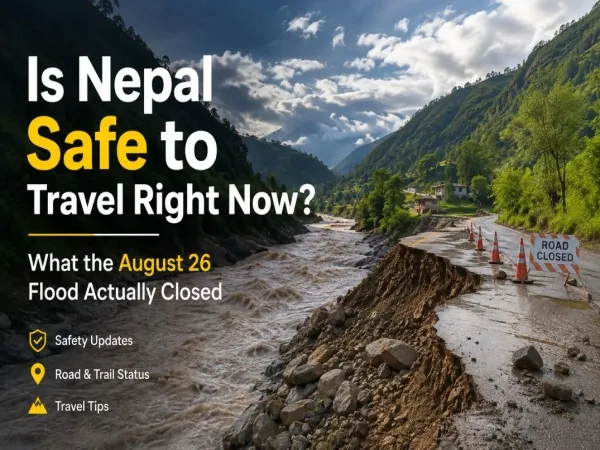
Most trails remain open, but conditions can be muddy, slippery, and occasionally disrupted by landslides in some areas.
When is the best time for the Manaslu Circuit Trek?
September to November and March to May are ideal, with safer conditions for crossing the Larkya La Pass.
What is the best season for first-time trekkers in Nepal?
Spring and autumn are best because they offer stable weather, good visibility, and well-established trekking conditions.