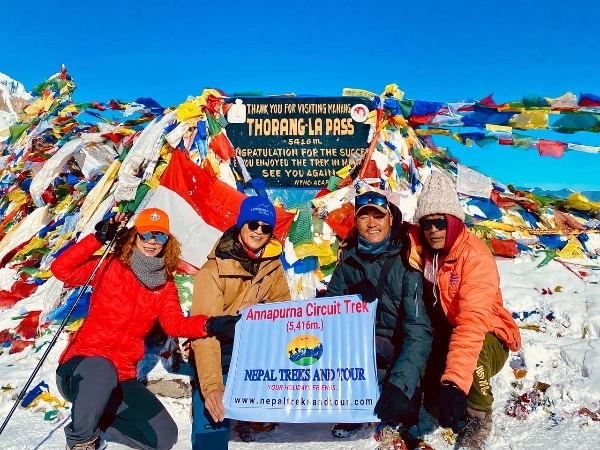
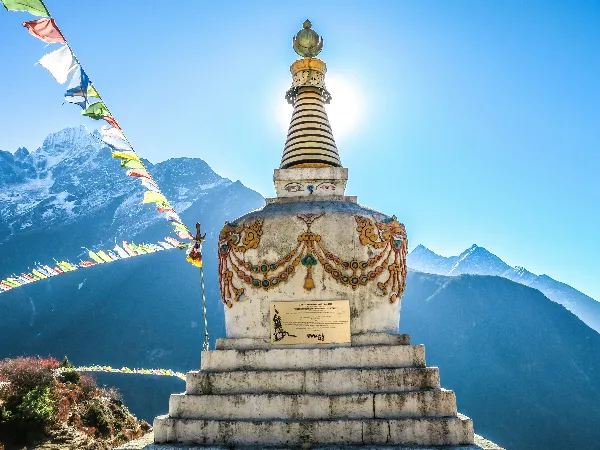
Planning the Annapurna Circuit Trek starts with choosing the right season. The trek reaches up to 5,416 meters at Thorong La Pass, where weather can change rapidly. Picking the optimal time ensures clear mountain views, safe trails, and a comfortable trekking experience.
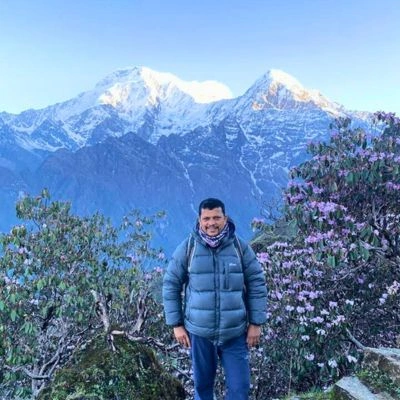
The best seasons are Spring (March–May) and Autumn (September–November). Spring brings blooming rhododendron forests and moderate temperatures, perfect for nature lovers and first-time trekkers. Autumn follows the monsoon rains, offering clear skies, dry trails, and stable weather. Both seasons also have fully operational teahouses and local services, making the trek smoother and safer.
Spring Trekking Season (March – May)
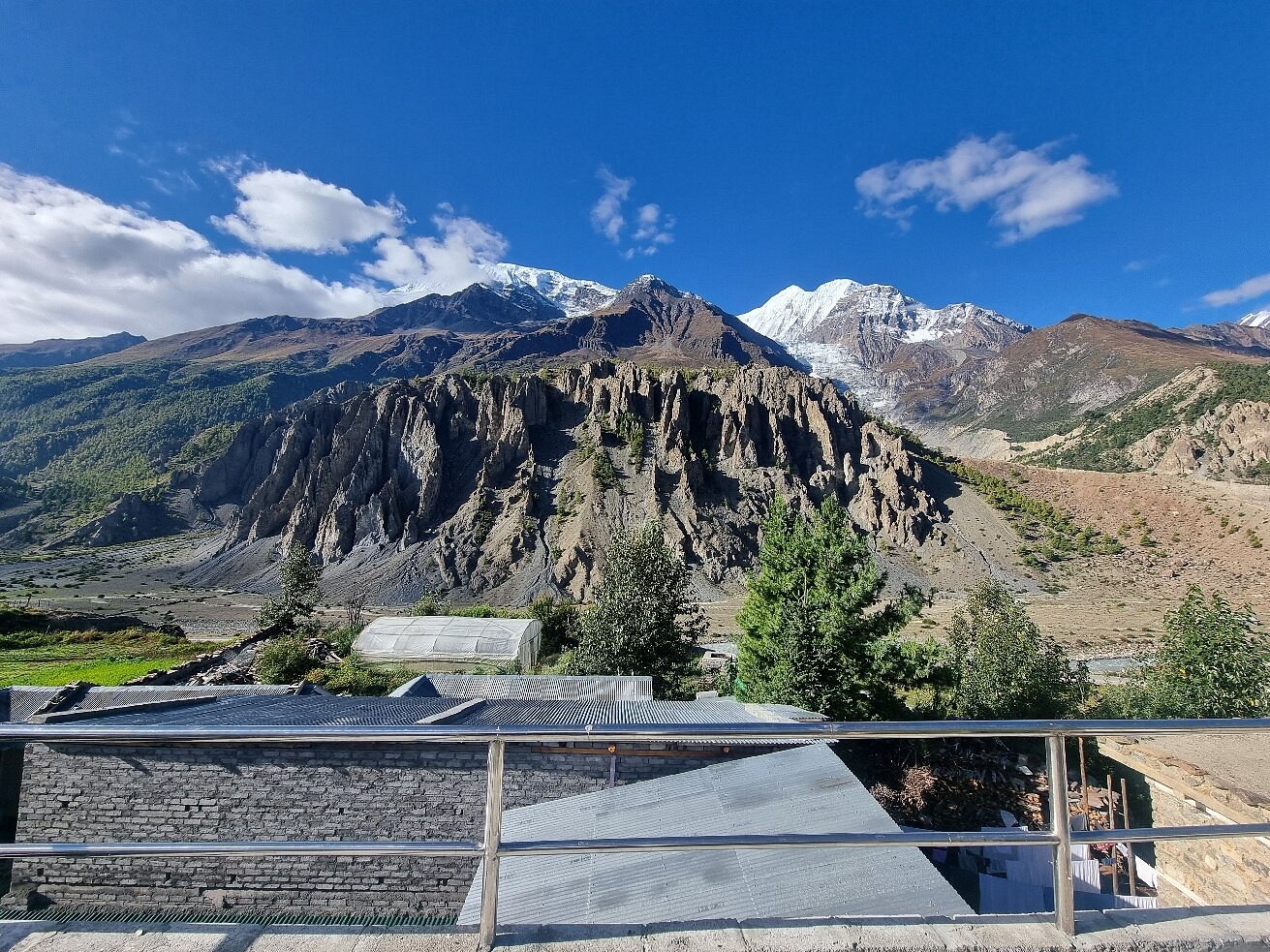
Spring is ideal for experiencing Himalayan flora in full bloom. Lower trails are mostly snow-free, while higher passes may still have some snow in March. Days are sunny and long, providing comfortable trekking conditions.
Teahouses are active, serving warm food and drinks. This season is perfect for photography, cultural interaction, and moderate crowds.
Autumn Trekking Season (September – November)
Autumn is considered the best overall trekking season. Trails are dry, skies are clear, and the weather is stable. The post-monsoon freshness makes mountains sharply visible.
October is often the most popular month for trekking. Lodges and teahouses are fully operational, making it convenient to access food, accommodations, and guides. Autumn is suitable for all trekkers, including families and adventure seekers.
Winter Trekking Season (December – February)
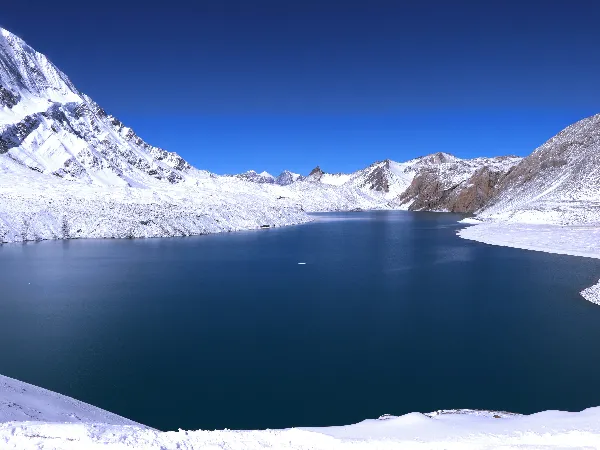
Winter trekking is possible but challenging. High altitudes can drop below -20°C, and snow may block passes like Thorong La. The trails are quiet and peaceful, but accommodations are limited.
This season is recommended only for experienced trekkers with proper winter gear and prior high-altitude experience.
Monsoon Trekking Season (June – August)
Monsoon trekking is risky. Heavy rainfall can make trails slippery and cause landslides in lower regions. Cloud cover often blocks mountain views.
The main advantage is fewer tourists and green landscapes, but trekking is recommended only for seasoned hikers who are well-prepared for rain and mud.
Month-by-Month Trekking Insight
- March: Quiet start, some snow at higher elevations.
- April: Ideal combination of blooming nature and clear trails.
- May: Warm weather with occasional haze.
- September: Fresh trails after monsoon, safe trekking.
- October: Best month overall, clear skies and perfect visibility.
- November: Slightly colder but excellent trekking conditions.
Tip: Best months for crossing Thorong La Pass safely are April, May, October, and November.
Temperature & Weather by Altitude
| Altitude |
Day Temperature |
Night Temperature |
| Lower (800–2000m) |
10°C – 25°C |
Mild |
| Mid (2000–4000m) |
5°C – 15°C |
Near freezing |
| High (4000m+) |
-5°C to -10°C |
Very cold |
Pack layers, warm clothing, and trekking gear for comfort and safety.
Why Timing Matters
Timing affects safety, comfort, and enjoyment. Trekking in spring or autumn reduces altitude sickness risk, improves chances of crossing Thorong La safely, and ensures clear mountain views. Lodges, guides, and teahouses are fully operational in these seasons. This allows for a smoother trekking experience and access to emergency support if needed. For moderate crowds and blooming landscapes, choose Spring (March–May). For crystal-clear skies and dry trails, Autumn is the best option. Winter is only for experienced trekkers, and Monsoon trekking is risky and not recommended.
Book your trek during the peak seasons. Hire local guides for safety and navigation. Reserve teahouse accommodations in advance. Your perfect Himalayan adventure starts with the right timing.
FAQ: Annapurna Circuit Trek
What is the best season to do the Annapurna Circuit Trek in Nepal?
- Spring (March–May) and Autumn (September–November) are best. Spring offers flowers and moderate weather. Autumn has clear skies and dry trails.
Which month is ideal for crossing Thorong La Pass safely?
- April, May, October, and November are safest. Avoid winter and monsoon months due to snow and landslide risks.
How long does the Annapurna Circuit Trek usually take?
- The trek typically takes 12–18 days from Besisahar to Muktinath or Jomsom, including acclimatization days.
What permits are required for the Annapurna Circuit Trek in 2026?
Permits can be obtained in Kathmandu, Pokhara, or Besisahar.
Is it safe to trek Annapurna Circuit during winter?
- Winter trekking is challenging. High altitudes are extremely cold, and some passes may be snow-covered. Recommended only for experienced trekkers.
Can beginners do the Annapurna Circuit Trek?
- Yes, with good physical fitness, proper acclimatization, and possibly a guide or porter.
What is the difficulty level of the Annapurna Circuit Trek?
- It is moderate to challenging, with 5–8 hours of walking per day, high altitude, and variable weather conditions.
What kind of accommodation and food can I expect on the trek?
- Teahouses offer simple rooms and shared bathrooms. Food includes Dal Bhat, noodles, soup, and tea.
Do I need a guide or can I trek solo on the Annapurna Circuit?
- Solo trekking is possible, but guides improve safety, navigation, and cultural understanding. Porters help carry luggage.
What should I pack for a safe and comfortable Annapurna Circuit Trek?
- Essential items: warm layers, trekking boots, sleeping bag, water purifier, snacks, trekking poles, gloves, hat, sunglasses, and a personal first aid kit.
When does it snow?
- Snow appears mainly in Winter (Dec–Feb) at altitudes above 3,500m, especially Thorong La Pass. Spring may have residual snow at higher elevations.
When does it rain and what gear is needed?
- Monsoon (June–Aug) brings heavy rain. You need:
- Waterproof jacket & pants
- Gaiters
- Backpack rain cover
- Trekking poles for stability
Do I need crampons?
Yes, for Winter or icy high-altitude trails. Also bring:
- Insulated boots
- Warm gloves & hat
- Trekking poles
Curious about your trekking options? Learn more about the Annapurna Circuit Trek and plan your perfect adventure.