Nepal is famous for its spectacular Himalayan trekking routes, and two of the most popular short treks in the Annapurna region are the Mardi Himal Trek and the Ghorepani Poon Hill Trek. Both treks offer breathtaking mountain views, beautiful forests, and authentic village culture. However, they provide very different trekking experiences in terms of altitude, difficulty, scenery, and adventure level.
Choosing between these two treks depends on your fitness level, trekking experience, time, and what type of adventure you want in the Himalayas. In this complete guide, we will compare the Mardi Himal vs Ghorepani Poon Hill Trek in detail to help you decide which trek is best for you.
Overview of Mardi Himal Trek
The Mardi Himal Trek is one of the most beautiful short treks in the Annapurna region. It is known for its quiet trails, ridge walks, and close-up views of the mountains.
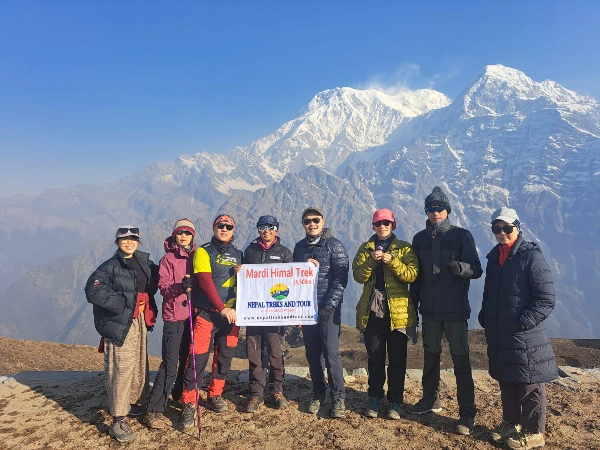
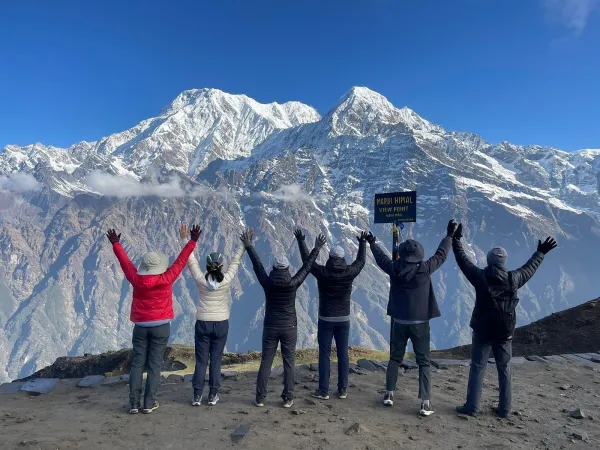
The trek reaches Mardi Himal Base Camp at around 4,500 meters, offering incredible views of Machhapuchhre (Fishtail), Annapurna South, and Hiunchuli.
Unlike many classic treks, Mardi Himal is relatively less crowded and gives trekkers a more peaceful experience in nature.

Key Highlights of Mardi Himal Trek
- Close-up views of Machhapuchhre (Fishtail Mountain)
- Scenic ridge walk above the clouds
- Diverse landscapes from forest to alpine terrain
- Less crowded trails
- Stunning sunrise and sunset viewpoints
- Ideal short high-altitude adventure
Overview of Ghorepani Poon Hill Trek
The Ghorepani Poon Hill Trek is one of the most famous and easiest trekking routes in Nepal. It is often called the Annapurna Panorama Trek because of the incredible sunrise views over the Himalayan range.
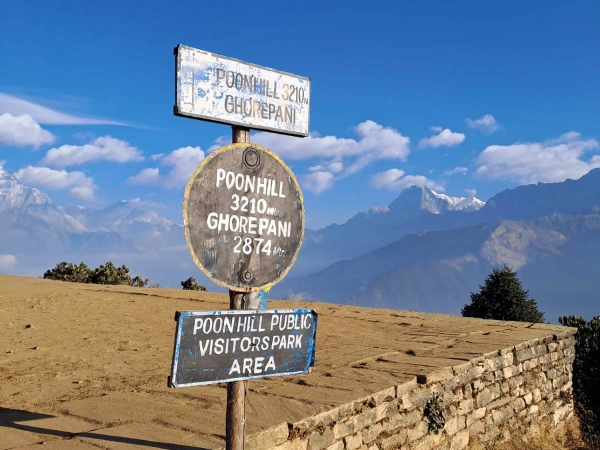
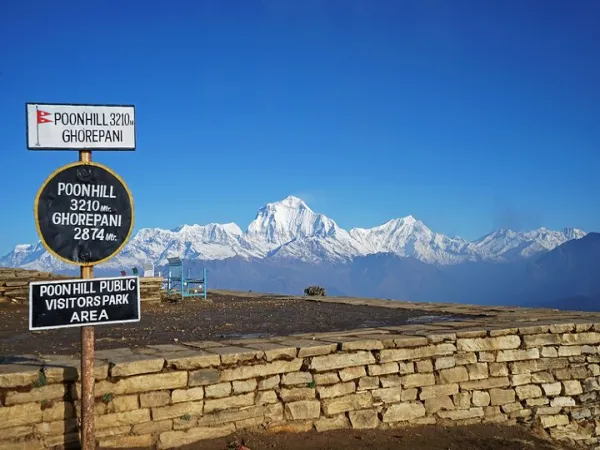
The highest point of the trek is Poon Hill (3,210 meters), where trekkers can enjoy panoramic views of Annapurna, Dhaulagiri, Machhapuchhre, and other peaks.
This trek is perfect for beginners and travelers who want to experience the Himalayas in a short time.
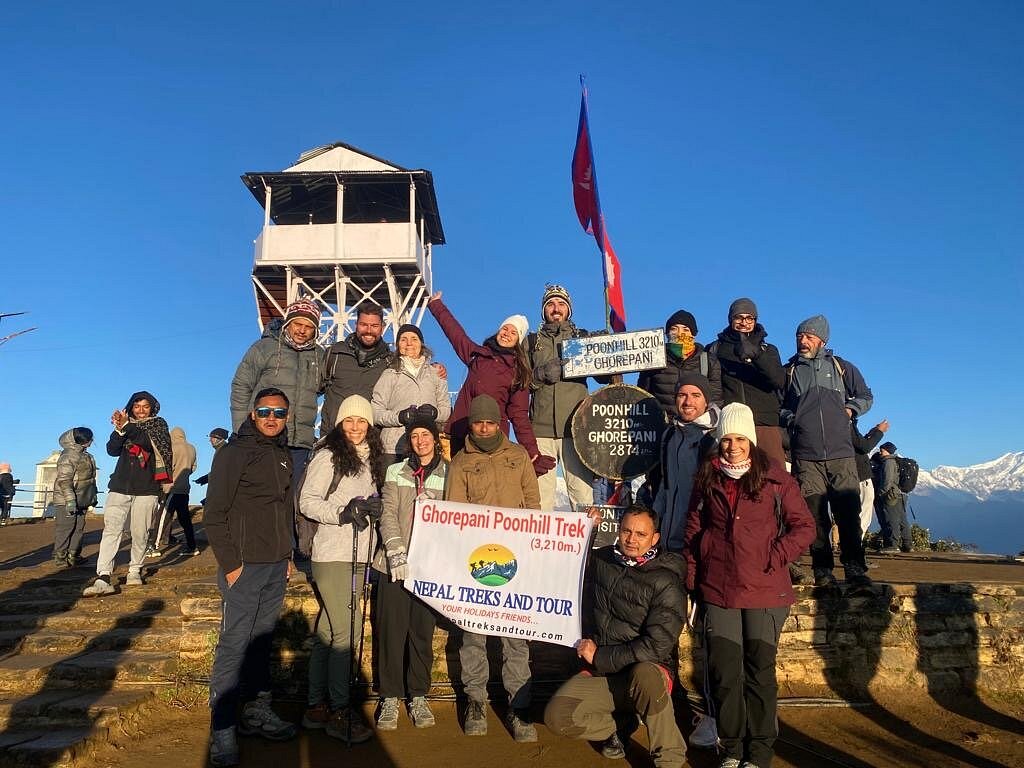
Key Highlights of Ghorepani Poon Hill Trek
- Famous Poon Hill sunrise viewpoint
- Panoramic views of Annapurna and Dhaulagiri ranges
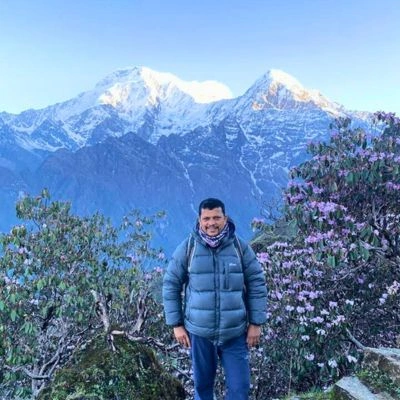
- Beautiful rhododendron forests
- Cultural villages like Ghorepani and Ghandruk
- Comfortable teahouses
- Suitable for beginners and families
Mardi Himal vs Ghorepani Poon Hill Trek: Quick Comparison
| Feature |
Mardi Himal Trek |
Ghorepani Poon Hill Trek |
| Region |
Annapurna Region |
Annapurna Region |
| Trek Duration |
5–7 days |
4–5 days |
| Maximum Altitude |
4,500 m (Mardi Himal Base Camp) |
3,210 m (Poon Hill) |
| Difficulty Level |
Moderate |
Easy to Moderate |
| Trail Type |
Ridge trails and forest paths |
Stone steps and village trails |
| Crowd Level |
Less crowded |
Very popular |
| Best For |
Adventure seekers |
Beginners and short trekkers
|
| Main Highlight |
Close-up mountain views |
Sunrise panorama |
Mardi Himal is a higher and more adventurous trek, while Poon Hill is easier and more suitable for beginners.
Trek Difficulty Comparison
Difficulty is one of the biggest differences between these two treks.
Mardi Himal Trek Difficulty
The Mardi Himal Trek is considered moderate in difficulty. Trekkers walk for several hours each day and reach a high altitude of 4,500 meters, which increases the risk of altitude sickness.
The trail includes:
- Steep climbs
- Narrow ridge walks
- High alpine terrain
Because of these factors, this trek is better suited for trekkers with good fitness levels.
Ghorepani Poon Hill Trek Difficulty
The Poon Hill Trek is much easier and beginner-friendly. The trails are well-maintained and pass through villages and forests.
The main challenge is the famous Ulleri staircase with thousands of stone steps, but overall the trek is manageable for most people.
Mountain Views Comparison
Mardi Himal Trek Views
Mardi Himal offers closer views of the Annapurna mountains. From High Camp and Base Camp, trekkers can see:
- Machhapuchhre (Fishtail)
- Annapurna South
- Hiunchuli
- Mardi Himal
The ridge trail provides dramatic landscapes and incredible photography spots.
Ghorepani Poon Hill Trek Views
Poon Hill is famous for panoramic Himalayan views, including:
- Annapurna I
- Annapurna South
- Dhaulagiri
- Machhapuchhre
- Nilgiri
- Hiunchuli
The sunrise at Poon Hill is considered one of the best mountain viewpoints in Nepal.
Culture and Village Experience
Mardi Himal Trek
The Mardi Himal route passes through smaller villages and forests. Cultural experiences are limited compared to Poon Hill, but trekkers can still see traditional mountain lifestyles.
Ghorepani Poon Hill Trek
This trek offers a rich cultural experience, passing through beautiful Gurung and Magar villages like:
- Ulleri
- Ghorepani
- Tadapani
- Ghandruk
Trekkers can experience local traditions, food, and hospitality.
Trek Duration and Distance
Mardi Himal Trek
Typical itinerary:
- 5 to 7 days
- Moderate daily walking hours
- Higher altitude gain
Ghorepani Poon Hill Trek
Typical itinerary:
- 4 to 5 days
- Shorter daily trekking distances
- Suitable for limited time travelers
Best Time to Trek
Choosing the right season is very important for enjoying the Mardi Himal Trek and the Ghorepani Poon Hill Trek in the Annapurna region of Nepal. Weather, visibility, temperature, and trail conditions can change dramatically throughout the year. Below is a detailed seasonal guide to help you decide the best time to trek.
Spring Season (March – May) – One of the Best Times
Spring is considered one of the best seasons for trekking to Mardi Himal and Poon Hill.
Weather and Temperature
- Daytime temperature: 10°C to 20°C
- Night temperature at higher altitudes: -5°C to 5°C
- Stable weather with clear skies
What Makes Spring Special
- Rhododendron forests in full bloom, especially along the Ghorepani trail
- Clear mountain views of Machhapuchhre, Annapurna South, and Dhaulagiri
- Comfortable trekking temperatures
- Beautiful landscapes with colorful forests
Spring is especially famous for the rhododendron forests between Ulleri, Ghorepani, and Tadapani, making the trek visually stunning.
Autumn Season (September – November) – The Most Popular Trekking Season
Autumn is widely considered the best trekking season in Nepal.
Weather and Temperature
- Daytime temperature: 12°C to 18°C
- Night temperature: -5°C to 5°C at higher altitudes
- Very stable weather and excellent visibility
Why Autumn is Ideal
- Crystal-clear views of the Himalayas
- Fresh air after the monsoon rains
- Perfect conditions for mountain photography
- Comfortable trekking weather
During autumn, trekkers enjoy breathtaking panoramic views of the Annapurna Range and the surrounding Himalayan peaks from Poon Hill and the Mardi Himal ridge.
Winter Season (December – February) – Quiet but Cold
Winter trekking is possible but comes with colder temperatures, especially near Mardi Himal Base Camp.
Weather and Temperature
- Daytime temperature: 5°C to 10°C
- Night temperature: -10°C or lower at higher elevations
Winter Trekking Experience
- Fewer trekkers and peaceful trails
- Snow-covered landscapes
- Beautiful winter mountain views
However, heavy snow may affect the trail between High Camp and Mardi Himal Base Camp.
Monsoon Season (June – August) – Least Recommended
The monsoon season brings heavy rainfall across the Annapurna region.
Weather Conditions
- Frequent rain and cloudy skies
- Slippery trails and muddy paths
- Limited mountain visibility
Challenges
- Leeches in forest areas
- Risk of landslides
- Cloudy mountain views
However, the landscapes become extremely green and lush.
The best time to trek Mardi Himal or Ghorepani Poon Hill is during Spring (March–May) and Autumn (September–November). These seasons offer the clearest mountain views, stable weather, and the most comfortable trekking conditions in the Annapurna region of Nepal.
Cost Comparison
Average cost for guided treks:
Mardi Himal Trek
Ghorepani Poon Hill Trek
Permits Required
Before starting the Mardi Himal Trek or the Ghorepani Poon Hill Trek in the Annapurna region of Nepal, trekkers must obtain certain official permits issued by the Nepal government. These permits help protect the environment, support local communities, and ensure trekker safety along the trekking routes.
Both treks fall inside the Annapurna Conservation Area, so similar permits are required.
Annapurna Conservation Area Permit (ACAP)
The Annapurna Conservation Area Permit (ACAP) is the most important permit for both treks. It allows trekkers to enter the protected Annapurna region, which covers forests, wildlife habitats, villages, and mountain landscapes.
ACAP Permit Cost
- Foreign trekkers: NPR 3,000 per person
- SAARC nationals: NPR 1,000 per person
- Children under 10 years: Free
The permit fee supports:
- Environmental conservation
- Trail maintenance
- Local community development
- Wildlife protection in the Annapurna region.
Trekkers’ Information Management System (TIMS Card)
The TIMS Card (Trekkers’ Information Management System) is another common permit required for trekking in Nepal. It records trekker details such as route, passport information, and emergency contact to improve safety and rescue operations.
TIMS Card Cost
- Independent trekkers: NPR 3,000
Authorities may check the TIMS card at checkpoints along the trekking route to track trekkers in case of an emergency.
Local Municipality Entry Fee (Mardi Himal Route)
For the Mardi Himal route, trekkers may also pay a small local fee collected by the Machhapuchhre Rural Municipality.
Local Entry Fee
- Usually around NPR 500 – 1,000
This fee helps fund:
- Trail maintenance
- Waste management
- Community tourism development.
Where to Get the Permits
Trekkers can obtain these permits from the following places:
Kathmandu
- Nepal Tourism Board (Bhrikutimandap)
Pokhara
- ACAP Permit Office (Lakeside)
Nepal Tourism Board Office
- We will arrange permits before the trek starts.
Important Documents Required
To obtain trekking permits, you usually need:
- Valid passport
- Passport-size photographs
- Trekking itinerary
- Permit fee payment
For both the Mardi Himal Trek and the Poon Hill Trek, trekkers generally need two main permits: the Annapurna Conservation Area Permit (ACAP) and the TIMS Card, with an additional small local fee sometimes collected on the Mardi Himal route. These permits ensure environmental protection and trekker safety throughout the Annapurna region.
Both treks are amazing choices in the Annapurna region, but the right one depends on your trekking goals. If you want a short, easy, and culturally rich trek, the Ghorepani Poon Hill Trek is perfect. However, if you prefer a more adventurous trek with higher altitude and dramatic mountain scenery, the Mardi Himal Trek is the better option.
FAQs: Mardi Himal vs Ghorepani Poon Hill Trek
Which trek is easier, Mardi Himal or Ghorepani Poon Hill?
- The Ghorepani Poon Hill Trek is easier compared to the Mardi Himal Trek. Poon Hill reaches a lower altitude (3,210 m) and has well-developed trails, making it suitable for beginners and families, while Mardi Himal is slightly more challenging and reaches around 4,500 m.
How long does the Mardi Himal Trek take?
- The Mardi Himal Trek usually takes 5 to 7 days, depending on the itinerary and starting point. Most treks start from the Pokhara area and end at Mardi Himal Base Camp.
How long does the Ghorepani Poon Hill Trek take?
- The Ghorepani Poon Hill Trek typically takes 4 to 5 days, making it one of the best short treks in the Annapurna region of Nepal.
What is the highest point of the Mardi Himal Trek?
- The highest point of the Mardi Himal Trek is Mardi Himal Base Camp (about 4,500 meters), which offers spectacular views of Machhapuchhre and the Annapurna mountain range.
What is the highest point of the Ghorepani Poon Hill Trek?
- The highest point is Poon Hill (3,210 meters), which is famous for its sunrise view over the Annapurna and Dhaulagiri ranges.
Which trek has better mountain views?
- Both treks offer amazing views, but the Mardi Himal Trek provides closer views of Machhapuchhre and Annapurna South, while the Poon Hill Trek offers wider panoramic views of multiple Himalayan peaks.
Do I need permits for these treks?
- Yes, both treks require the Annapurna Conservation Area Permit (ACAP) and sometimes the TIMS Card because they are located in the Annapurna Conservation Area.
What is the best time to trek to Mardi Himal and Poon Hill?
- The best seasons are spring (March–May) and autumn (September–November) when the weather is clear and the mountain views are excellent.
Is altitude sickness a concern on these treks?
- Altitude sickness is less common on the Poon Hill Trek because of the lower elevation. However, trekkers on the Mardi Himal route should acclimatize properly as the altitude reaches around 4,500 meters.
Which trek is better for beginners?
- The Ghorepani Poon Hill Trek is generally better for beginners because it is shorter, lower in altitude, and has comfortable teahouse accommodation along the route.