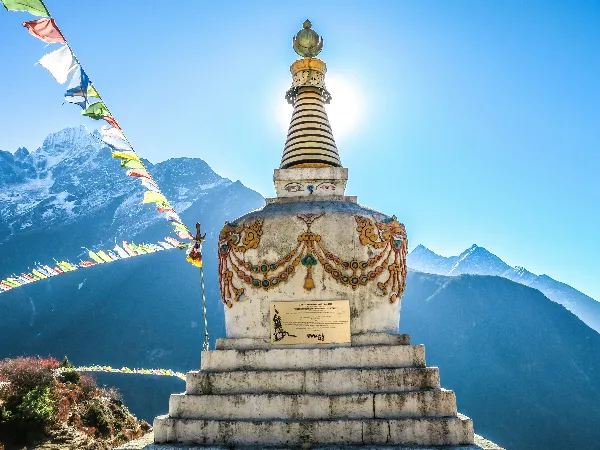
The Everest Base Camp Trek is one of the most rewarding Himalayan adventures, taking you through beautiful Sherpa villages, ancient monasteries, and some of the world’s most breathtaking mountain landscapes.
Although reaching the base of Mount Everest does not require technical climbing skills, the journey can still be physically demanding because of high altitude, long trekking days, and changing weather conditions. Understanding the challenges and preparing properly can make your adventure safer, smoother, and more enjoyable.
Before starting your journey, it is important to understand the Everest Base Camp Trek difficulty and what makes this trek challenging. With proper training, the right equipment, a well-planned itinerary, and smart trekking habits, even first-time hikers can successfully complete this incredible Himalayan experience.
Choose the Best Time to Trek in Nepal
Weather conditions have a major impact on your trekking experience. Choosing the right season helps you enjoy clearer mountain views, comfortable temperatures, and safer trail conditions. The best time to trek in Nepal for Everest Base Camp is generally during spring (March to May) and autumn (September to November), when the weather is stable and the visibility is excellent.
Avoiding extreme winter conditions and the heavy monsoon season can make your trek significantly easier. However, every season offers a unique experience, and with proper preparation, trekking outside peak months can also be possible.
Choose the Right Trekking Itinerary
Selecting the right itinerary is essential for a comfortable Everest Base Camp journey. A rushed schedule can increase fatigue and altitude risks, while a properly planned itinerary gives your body enough time to adjust.
A standard Everest Base Camp Trek usually takes around 12 to 14 days, including acclimatization periods. Shorter itineraries may look attractive, but they can be physically demanding because of faster altitude gain.
A detailed complete guide for Everest Base Camp Trek can help you understand the route, daily walking distances, accommodation options, preparation requirements, and important things to expect before starting your adventure.
Prepare Your Body Before the Trek
Physical preparation is one of the most important factors that can make your Everest Base Camp Trek easier. You do not need to be a professional athlete, but you should build your stamina and endurance before arriving in Nepal. Regular hiking, long-distance walking, cardio exercises, and strength training can help your body handle several hours of walking each day.
For those beginners interested in trekking in Nepal, the Everest Base Camp route is a great introduction to high-altitude trekking when approached with proper preparation. Start training at least six to eight weeks before your trek and practice walking with a backpack to get comfortable carrying your gear.
Prepare Mentally for the Journey
The Everest Base Camp Trek is not only a physical challenge but also a mental adventure. There will be difficult moments, including tiredness, cold mornings, long uphill sections, and unpredictable weather.
Maintaining a positive mindset helps you overcome challenges along the way. Focus on each day’s progress, appreciate the mountain environment, and remember that the journey itself is just as meaningful as reaching Everest Base Camp.
Get Travel Insurance Before Your Trek
Travel insurance is one of the most important preparations for any Himalayan adventure. Since the Everest region is remote and located at high altitude, unexpected situations such as altitude sickness, injuries, flight cancellations, or emergency evacuation can happen.
Make sure your insurance covers high-altitude trekking, medical treatment, and helicopter evacuation if required. Having proper coverage gives you peace of mind and allows you to focus on enjoying your adventure.
Hire an Experienced Guide or Porter
Although the Everest Base Camp Trek can be completed independently, hiring a local guide or porter can make your experience much easier. Experienced guides understand the trail conditions, weather patterns, altitude challenges, and local culture.
A guide can help you make better decisions during the trek, while a porter allows you to carry less weight and conserve energy. Their support can greatly improve your comfort and overall trekking experience.
Pack Smart and Carry Only Essential Gear
A heavy backpack can make your trek much more difficult, especially when walking uphill at high elevations. Packing wisely allows you to move comfortably and save energy for the challenging sections of the trail.
Your essential trekking equipment should include comfortable hiking boots, warm layers, a waterproof jacket, thermal clothing, gloves, sunglasses, sunscreen, a sleeping bag, and personal medication. Avoid carrying unnecessary items because every extra kilogram becomes noticeable during long trekking days.
It is also important to test your trekking boots and equipment before your trip. Wearing new shoes during the trek can lead to painful blisters and discomfort.
Protect Yourself From Weather and Cold Conditions
Mountain weather can change quickly, especially at higher elevations. Proper clothing and preparation are essential for staying comfortable. Dressing in layers allows you to adjust easily as temperatures change throughout the day.
Protect your skin from strong sunlight, keep your electronics protected from cold temperatures, and always carry waterproof protection in case of unexpected weather changes.
Carry a Power Bank and Manage Your Electronics
Electricity availability becomes limited as you reach higher elevations in the Everest region. Many teahouses provide charging facilities, but charging fees can increase at higher altitudes, and availability is not always guaranteed. Carrying a reliable power bank helps keep your phone, camera, and other essential devices charged throughout the trek.
Carry Enough Cash for the Trek
Carrying extra cash is an important preparation step for the Everest Base Camp Trek. Although some villages along the route may have limited ATM facilities, they are not always reliable, and higher sections of the trail have very few options for withdrawing money. If you run out of cash during the trek, it can become difficult to pay for essential expenses such as meals, drinks, charging electronic devices, hot showers, snacks, or other personal needs.
It is always better to carry a little extra money than to depend completely on ATMs. Keep your cash safely stored and plan your budget according to your trekking style, as prices generally increase with altitude due to transportation challenges and the remote location of the Everest region.
Bring Water Purification Options
While bottled water is available along the trail, buying plastic bottles throughout the trek can become expensive and contributes to waste in the Himalayan region. Carrying purification tablets, a filtration bottle, or a reusable water system allows you to access safe drinking water more conveniently.
Walk Slowly and Listen to Your Body
Many trekkers make the mistake of trying to walk too fast during the first few days. The Everest Base Camp Trek is a journey where patience is more valuable than speed. Maintaining a comfortable pace allows your body to adapt and helps you conserve energy for higher elevations.
Take regular breaks, enjoy the surroundings, and avoid comparing your pace with other trekkers. Everyone responds differently to altitude, so listening to your body is one of the smartest ways to complete the trek successfully.
Acclimatize Slowly and Understand Altitude Challenges
Altitude is one of the biggest challenges of the Everest Base Camp Trek. As you climb higher, the air becomes thinner, and your body needs time to adjust. Walking too quickly or gaining altitude too fast increases the risk of altitude-related problems.
Understanding Everest Base Camp Trek altitude symptoms before your journey is essential. Common symptoms may include headaches, tiredness, dizziness, loss of appetite, and difficulty sleeping. The best way to reduce altitude risks is to follow a gradual itinerary, stay hydrated, avoid overexertion, and allow enough time for acclimatization.
A slow and steady approach not only improves safety but also allows you to enjoy the incredible landscapes, local culture, and mountain scenery along the trail.
Stay Hydrated and Maintain Proper Nutrition
Your body requires more energy when trekking at high altitude. Drinking enough water and eating nutritious meals throughout the journey helps maintain your strength and reduces exhaustion.
Carbohydrate-rich foods, soups, rice, pasta, nuts, and energy snacks can provide the fuel needed for long trekking days. Avoid excessive alcohol during the trek because it can contribute to dehydration and make altitude adjustment more difficult.
Book Flights to Lukla With Extra Buffer Days
Flights between Kathmandu and Lukla are highly dependent on weather conditions, and delays or cancellations are common. Adding extra days before and after your trek gives you flexibility if your flight schedule changes. This small preparation can prevent unnecessary stress and problems with international flight connections.
Conclusion
The Everest Base Camp Trek is a life-changing adventure that becomes much easier with proper planning, preparation, and the right mindset. Understanding the challenges, choosing the right season, preparing your body, managing altitude, and carrying suitable equipment can transform your trekking experience.
Whether you are a beginner exploring trekking in Nepal for beginners or an experienced hiker looking for a Himalayan challenge, following these tips will help you enjoy a safer and more memorable journey to the base of Mount Everest.
FAQS
How can I make the Everest Base Camp Trek easier?
You can make the Everest Base Camp Trek easier by preparing physically before the journey, choosing the right trekking season, following a slow pace, acclimatizing properly, packing lightweight gear, staying hydrated, and maintaining a positive mindset. Proper planning and preparation help reduce the challenges of high altitude and long trekking days.
Is Everest Base Camp Trek difficult for beginners?
The Everest Base Camp Trek can be challenging for beginners because of the altitude, long walking hours, and changing weather conditions, but it is achievable with proper preparation. Beginners should focus on improving their fitness, choosing a suitable itinerary, and allowing enough time for acclimatization.
What is the biggest challenge during the Everest Base Camp Trek?
The biggest challenge of the Everest Base Camp Trek is usually altitude. As the trail reaches higher elevations, oxygen levels decrease, which can cause symptoms of altitude sickness. Walking slowly, staying hydrated, and following proper acclimatization practices are important for a safe trekking experience.
What is the best time to do the Everest Base Camp Trek?
The best time to do the Everest Base Camp Trek is during spring (March to May) and autumn (September to November). These seasons offer stable weather, clear mountain views, and comfortable trekking conditions. However, each season provides a different experience depending on your preferences.
How many days are needed for the Everest Base Camp Trek?
A standard Everest Base Camp Trek usually takes around 12 to 14 days, including acclimatization days. A longer itinerary is generally recommended because it allows your body to adjust to the altitude and makes the trek more comfortable.
Should I hire a guide for the Everest Base Camp Trek?
Hiring a guide is highly recommended, especially for first-time trekkers. A local guide provides support with navigation, altitude management, accommodation arrangements, and emergency situations, making the overall trekking experience safer and easier.
Do I need travel insurance for the Everest Base Camp Trek?
Yes, travel insurance is strongly recommended for the Everest Base Camp Trek. Your insurance should cover high-altitude trekking, medical expenses, and emergency helicopter evacuation because the Everest region is remote and medical facilities are limited.
How much cash should I carry for the Everest Base Camp Trek?
It is recommended to carry extra cash because ATMs are very limited and may not always work along the Everest Base Camp trail. Higher villages often have increased prices for food, drinks, charging, and other services, so having additional money provides flexibility during the trek.
What should I pack to make the Everest Base Camp Trek easier?
To make your trek more comfortable, pack essential items such as quality trekking boots, warm layers, a waterproof jacket, sleeping bag, trekking poles, sunglasses, sunscreen, personal medicines, a power bank, and water purification supplies. Keeping your backpack lightweight will make long trekking days easier.