The Everest Base Camp Trek is one of the world’s most famous trekking adventures. Every year, thousands of trekkers visit the Everest region to experience Himalayan culture, mountain scenery, and the feeling of standing near the world’s highest peak. But many first-time trekkers ask the same question. How difficult is the Everest Base Camp Trek for beginners?
The good news is that the trek is achievable for most healthy people with proper preparation. You do not need technical climbing experience. However, the high altitude, long walking days, and changing weather can make the trek physically demanding.
What Makes the Everest Base Camp Trek Difficult?
The biggest challenge is altitude. Everest Base Camp sits at 5,364 meters above sea level. At this height, oxygen levels are much lower than at sea level. Many trekkers feel tired, short of breath, or develop mild altitude sickness symptoms.
The trek also includes:
- Daily walking of 5–7 hours
- Steep uphill and downhill trails
- Cold temperatures
- Remote mountain conditions
Even regular hikers may find the altitude difficult.
Can Beginners Complete the Everest Base Camp Trek?
Yes. Many first-time trekkers complete the Everest Base Camp Trek successfully every year. The key is proper preparation.
Beginners should:
- Walk regularly before the trek
- Improve cardio fitness
- Practice hiking with a backpack
- Choose a proper acclimatization itinerary
- Trek slowly and steadily
Mental preparation is also important. Some days can feel tiring because of the altitude and weather conditions.
Why Acclimatization Is Important
Acclimatization helps your body adjust to lower oxygen levels.
Most Everest itineraries include rest days in:
- Namche Bazaar
- Dingboche
These acclimatization days reduce the risk of altitude sickness.
Skipping acclimatization increases health risks and can make the trek much harder.
Best Time for Everest Base Camp Trek
The best seasons are:
- Spring (March to May)
- Autumn (September to November)
These months offer:
- Clear mountain views
- Stable weather
- Better trail conditions
Winter is colder, while monsoon season brings rain and cloudy skies.
Everest Trekking Culture and Experience
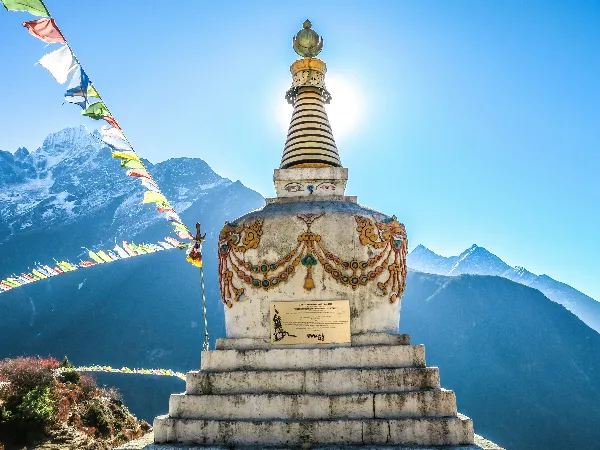
The Everest region is also rich in Sherpa culture and Buddhist traditions.
Trekkers visit:
- Tengboche Monastery
- Sherpa villages
- Prayer wheels and mani walls
- Ancient Himalayan trading routes
This cultural experience makes the journey more meaningful beyond the mountains.
Final Thoughts
The Everest Base Camp Trek is challenging but achievable for beginners with good preparation and a proper itinerary. Slow pacing, acclimatization, and fitness training make a huge difference. For many travelers, reaching Everest Base Camp becomes a life-changing achievement and one of the greatest adventures in Nepal.